Launching a supplement brand on Shopify can feel surprisingly simple at the beginning. You choose a product idea, build a store, prepare ads, connect payment, and start testing traffic. But supplements are not the same as phone cases, pet accessories, or fashion items. In the United States, dietary supplements sit in a regulated category where product safety, labeling, marketing claims, fulfillment, and customer communication all matter.
For a Shopify supplement brand, FDA rules are not just a “manufacturer problem.” Even if you use a supplier, contract manufacturer, private label partner, or fulfillment provider, your brand is still responsible for what customers see on your product page, label, packaging, insert cards, email flows, and ads. A weak claim, missing label detail, poor lot tracking system, or careless fulfillment process can create risk before your product even reaches scale.
This guide explains the FDA rules Shopify supplement sellers should understand before launching or expanding in the U.S. market. It is written for founders, ecommerce operators, and dropshipping teams who want a practical compliance roadmap, not a legal textbook.
Are Dietary Supplements FDA Approved?
One of the most common mistakes new supplement brands make is using phrases like “FDA approved supplement” or “FDA certified formula.” In most cases, this is misleading.
The FDA regulates dietary supplements, but dietary supplements are generally not approved by the FDA before they are sold. Under DSHEA, the Dietary Supplement Health and Education Act, manufacturers and distributors are responsible for evaluating product safety and labeling before marketing. The FDA can take action after a product enters the market if it is adulterated, misbranded, unsafe, or marketed with illegal claims.
That means your Shopify store should avoid language that suggests the FDA has reviewed, endorsed, approved, certified, or guaranteed your product. A safer approach is to explain the real compliance standard: your product should be manufactured according to applicable dietary supplement rules, labeled properly, supported by documentation, and marketed with truthful claims.
If your brand works with outside partners, ask for records that support quality and traceability. For example, when using a specialized partner for supplement fulfillment, you should still keep your own product files, ingredient documentation, label versions, batch records, shipping records, and customer complaint procedures.
What Counts as a Dietary Supplement?
A dietary supplement is a product intended to supplement the diet. It may contain vitamins, minerals, herbs, botanicals, amino acids, enzymes, probiotics, concentrates, metabolites, extracts, or similar dietary ingredients. It is usually sold as capsules, tablets, gummies, powders, liquids, softgels, or other ingestible formats.
For Shopify brands, classification matters because the product category affects labeling, claims, fulfillment requirements, payment review, advertising review, and import/export handling. A collagen powder, magnesium gummy, probiotic capsule, mushroom blend, protein powder, or herbal sleep support formula may all be treated as supplements, but each can raise different ingredient and claim risks.
Before sourcing a product, build a simple compliance file:
-
Product name
-
Dosage form
-
Full Supplement Facts panel
-
Full ingredient list
-
Serving size
-
Recommended use
-
Target market
-
Country of sale
-
Supplier/manufacturer details
-
COA or testing documents
-
Lot code and expiration format
-
Intended marketing claims
-
Warnings and allergen statements
-
Packaging images
This file helps your team make better decisions when choosing products, preparing product pages, and organizing quality control before shipment.
FDA Labeling Rules Shopify Brands Should Understand
Your supplement label is not just design space. It is regulated communication. A typical dietary supplement label should include a statement of identity, net quantity of contents, Supplement Facts panel, ingredient list, name and place of business of the manufacturer, packer, or distributor, directions for use, and required warnings or disclaimers when applicable.
Every dietary supplement sold in the U.S. must include specific information.
Statement of Identity
The label must clearly identify the product as a dietary supplement.
Examples:
-
Dietary Supplement
-
Vitamin Supplement
-
Herbal Supplement
Net Quantity of Contents
Labels must indicate:
-
Weight
-
Volume
-
Number of capsules
-
Number of gummies
Example:
60 Capsules
Net Weight: 48g
Supplement Facts Panel
The Supplement Facts panel must disclose:
-
Serving size
-
Servings per container
-
Active ingredients
-
Amount per serving
-
Daily value percentages
This section must follow FDA formatting requirements.
Ingredient List
All ingredients must be listed accurately.
This includes:
-
Active ingredients
-
Fillers
-
Flavorings
-
Color additives
Manufacturer Information
Labels must display:
-
Company name
-
Address
-
Contact information
Consumers must be able to report adverse events.
The Supplement Facts panel is especially important. It should show serving size, servings per container, dietary ingredients, amounts per serving, and percent Daily Value where required. If you use a proprietary blend, the total weight of the blend and the ingredients inside it must be presented properly.
Your Shopify product page should not contradict your physical label. If the bottle says “take one capsule daily,” your product page should not suggest taking three capsules for faster results unless that use is reviewed and supported. If your label includes a warning for pregnant or nursing customers, your website should not bury safety information or make the product look risk-free.
A good rule: keep a “single source of truth” for every SKU. The label, product page, Amazon listing, TikTok Shop listing, email sequence, instruction insert, and ad copy should all be checked against the same approved claim and labeling file.
Structure/Function Claims vs Disease Claims
Claims are where many Shopify supplement brands get into trouble.
A structure/function claim describes how a product supports normal body structure or function. Examples may include phrases like “supports immune health,” “helps maintain normal energy metabolism,” or “supports healthy digestion,” assuming the claims are truthful, not misleading, and properly substantiated.
A disease claim suggests that the product diagnoses, treats, cures, mitigates, or prevents a disease. Examples include “treats arthritis,” “cures insomnia,” “prevents diabetes,” “reverses fatty liver,” “kills viruses,” or “reduces symptoms of depression.” These claims can cause a supplement to be treated like a drug claim, which creates serious regulatory risk.
This is especially important for Shopify product pages because many sellers focus only on the bottle label and forget that website copy, blog posts, landing pages, FAQs, influencer scripts, testimonials, and email campaigns can also create claims.
Risky wording:
-
“Cures anxiety naturally”
-
“Stops joint pain in 7 days”
-
“Lowers blood pressure without medication”
-
“Treats inflammation”
-
“Prevents colds and flu”
-
Safer wording, if supported:
-
“Supports a calm mood”
-
“Supports joint comfort and mobility”
-
“Helps maintain cardiovascular wellness”
-
“Supports a healthy inflammatory response”
-
“Supports normal immune function”
Even safer wording still needs substantiation. Do not use “support” as a magic shield. If the overall message implies disease treatment, the risk remains.
The FDA Disclaimer for Structure/Function Claims

If your supplement label uses a structure/function claim, it may need the standard FDA disclaimer:
“This statement has not been evaluated by the Food and Drug Administration. This product is not intended to diagnose, treat, cure, or prevent any disease.”
This disclaimer does not make illegal claims legal. It also does not replace evidence. It simply clarifies that the FDA has not evaluated the structure/function claim and that the product is not positioned as a drug.
For Shopify brands, the practical question is placement. The disclaimer should appear where it is required on labeling, and it is often wise to keep similar disclaimers close to claim-heavy product page sections. If your page has a benefit list, FAQ, customer story, and comparison chart, review the complete page as one message. Regulators and platforms often look at the overall impression, not just isolated sentences.
New Dietary Ingredients: A Hidden Launch Risk
A New Dietary Ingredient, often called an NDI, is a dietary ingredient that was not marketed in the United States before October 15, 1994, unless it fits an exemption. If a supplement contains an NDI, the manufacturer or distributor may need to submit a premarket notification to the FDA at least 75 days before marketing.
This is one reason trending supplement ingredients can be risky. A product may look popular on social media, but that does not mean the ingredient status is clear. Peptides, novel extracts, synthetic botanicals, high-dose isolated compounds, unusual probiotics, and new delivery forms may require deeper review.
Before launching a Shopify supplement brand, ask your supplier:
-
Is every dietary ingredient already established for U.S. supplement use?
-
Does the formula contain any New Dietary Ingredient?
-
Has an NDI notification been submitted if required?
-
Can the supplier provide safety documentation?
-
Is the ingredient allowed in the target destination country?
If the supplier cannot answer, slow down. Fast product testing is useful in ecommerce, but supplement compliance requires more discipline than ordinary dropshipping.
CGMP Rules and Why Fulfillment Still Matters
Dietary supplement manufacturers must follow current Good Manufacturing Practice rules, often called CGMPs. These rules cover manufacturing, packaging, labeling, and holding operations. They are designed to help ensure products are produced consistently and protected from contamination, mix-ups, and quality failures.
Many Shopify sellers assume CGMP is only relevant at the factory. In reality, fulfillment still matters because poor storage, weak lot tracking, bad packaging, or messy handling can create customer complaints and make recalls harder.
If you sell vitamins, capsules, powders, gummies, herbal extracts, or nutraceuticals, your fulfillment process should support:
-
Lot and batch tracking
-
Expiration date checks
-
Clean storage zones
-
Temperature-aware handling when needed
-
Damage inspection
-
Label verification
-
SKU and variant confirmation
-
Accurate shipping records
-
Quarantine process for damaged or suspicious items
-
Fast response if a recall or customer complaint occurs
This is why choosing a logistics partner with health product experience matters. Frienddropshipping’s supplement fulfillment service is built around sensitive product handling, batch checks, expiry checks, protective packaging, and shipping routes for categories that need more care than ordinary parcels.
FTC Advertising Rules Also Apply
FDA rules are only part of the picture. The FTC focuses on advertising. For Shopify supplement brands, advertising can include Meta ads, TikTok ads, Google ads, affiliate copy, influencer videos, landing pages, email marketing, advertorials, product pages, comparison charts, and even customer testimonials.
The FTC expects health-related claims to be truthful, not misleading, and supported by competent and reliable scientific evidence. For many health claims, that may mean high-quality human clinical evidence. Testimonials are not a substitute for evidence. A customer saying “this cured my insomnia” can still create risk if the brand uses that review in marketing.
A practical workflow:
-
List every claim your brand wants to make.
-
Separate ingredient claims from finished product claims.
-
Match each claim to evidence.
-
Remove disease claims unless reviewed by qualified counsel.
-
Check implied claims created by images, before-after content, testimonials, and product names.
-
Keep claim substantiation files updated.
The best supplement brands do not write first and ask questions later. They build claims around evidence, category rules, and customer clarity.
Shopify Policy and Platform Risk
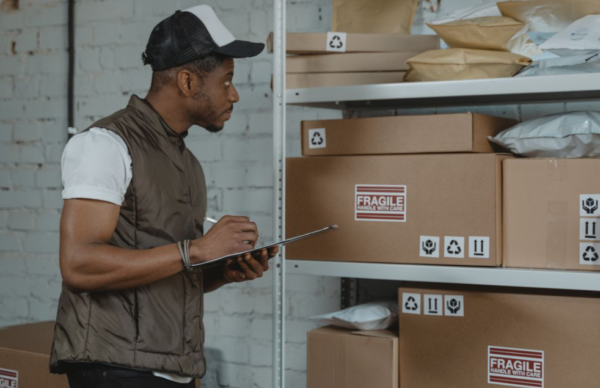
Shopify allows many types of supplement businesses, but merchants are responsible for following applicable laws in their own location and in the customer’s destination. Shopify also has policies for controlled or restricted products, including hemp-derived products, where rules may vary by state, country, payment provider, and shipping destination.
Even if a product is legal in one market, it may be restricted in another. Payment providers may apply their own review standards. Ad platforms may reject or suspend campaigns for aggressive health claims, weight-loss claims, sexual performance claims, CBD claims, or disease-related promises.
Before you scale ads, review:
-
Shopify product eligibility
-
Payment processor rules
-
Destination market rules
-
Carrier restrictions
-
Ad platform policies
-
Influencer script language
-
Refund and complaint process
For brands shipping cross-border, the operational side matters too. A partner experienced in shipping solutions can help reduce avoidable customs delays, incorrect declarations, and route mismatches.
Official Rules Shopify Supplement Brands Should Reference
For Shopify supplement brands selling to U.S. customers, compliance should not be based on competitor listings, supplier screenshots, or social media examples. The safest starting point is official regulatory guidance.
The FDA explains that dietary supplements are regulated differently from conventional foods and drugs. Under DSHEA, manufacturers and distributors are responsible for evaluating product safety and labeling before marketing. The FDA may take action after a product reaches the market if it is adulterated or misbranded. This is why Shopify sellers should avoid language such as “FDA approved supplement” unless a very specific and legally accurate basis exists.
For labeling, the FDA’s Dietary Supplement Labeling Guide is a useful reference for statement of identity, Supplement Facts, ingredient declaration, net quantity, business information, and required warnings. For newer ingredients, sellers should review the FDA’s New Dietary Ingredient notification process. For manufacturing and holding operations, 21 CFR Part 111 covers current Good Manufacturing Practice requirements for dietary supplements.
Advertising is also regulated. The FTC’s Health Products Compliance Guidance applies to health-related advertising across websites, digital ads, social media, influencer marketing, brochures, press content, and other promotional materials. In simple terms: if a claim can influence a customer’s buying decision, it should be truthful, not misleading, and supported before it is published.
This is where Shopify supplement brands need a workflow, not just a nice-looking label. Product page copy, email flows, ad scripts, influencer briefs, inserts, comparison charts, and customer testimonials should all be reviewed together.
Real Enforcement Examples Shopify Supplement Brands Can Learn From
Most public enforcement cases are not labeled “Shopify cases,” because regulators usually focus on the product, company, claims, ads, or labeling rather than the ecommerce platform. But the lessons are directly relevant to Shopify supplement brands.
Case 1: POM Wonderful and serious disease-related health claims
The FTC’s POM Wonderful case is a useful example for any brand making strong health claims. The issue was not simply whether the product was popular or whether the brand had some research. The concern was that advertising allegedly overstated the evidence behind disease-related claims. The lesson for supplement brands is clear: the stronger the claim, the stronger the evidence needs to be. Words like “clinically proven,” “prevents,” “treats,” or disease-specific claims can raise the bar quickly.
Case 2: Sensa and weight-loss advertising
Weight-loss supplements are one of the highest-risk categories. In the Sensa matter, marketers faced FTC action over unsupported weight-loss claims. This is relevant to Shopify brands selling fat burners, appetite control gummies, metabolism products, detox teas, or GLP-1-style alternative products. Even if a product is positioned as a supplement, advertising claims still need evidence.
Case 3: Online marketplace supplements with hidden drug ingredients
The FDA has repeatedly warned about supplements sold online that contain hidden drug ingredients. This is especially common in weight loss, pain relief, joint support, bodybuilding, and sexual enhancement categories. For Shopify sellers, the risk is not only regulatory. Hidden ingredients can trigger payment processor problems, ad account review, customer complaints, recalls, and long-term brand damage.
Anonymous platform-risk scenario: ad account suspension
A common Shopify supplement brand scenario looks like this: the product label uses mild “supports wellness” language, but the landing page says “stops joint pain,” the Meta ad says “natural Ozempic alternative,” and influencer videos mention “cures insomnia.” Even if the product itself is not banned, the advertising system may reject ads or restrict the account because the total marketing message suggests disease treatment, unrealistic weight loss, or prohibited personal health claims.
This is why brands should prepare an approved claim bank before scaling ads. The claim bank should include allowed phrases, phrases to avoid, required disclaimers, source evidence, and influencer talking points.
Product Categories That Need Extra Care
Some supplement categories attract more scrutiny than others. If your Shopify brand sells in these areas, review claims and documentation carefully:
-
Weight loss supplements
-
Sleep support products
-
Hormone support products
-
Sexual performance supplements
-
Sports performance and muscle growth products
-
Children’s supplements
-
Prenatal supplements
-
Cognitive support products
-
Detox and cleanse products
-
Immune support products
-
CBD, hemp, or cannabinoid-related products
These categories often invite strong marketing language, but strong language can create regulatory risk. A “fat burner” cannot be marketed like a magic cure for obesity. A sleep gummy cannot imply it treats insomnia. A testosterone support formula cannot imply it treats diagnosed hormone deficiency. An immune product cannot claim to prevent viral infection unless the claim is legally allowed and properly supported.
If you are testing a new product category through sourcing and fulfillment, start with conservative claims and cleaner documentation. It is easier to scale a compliant offer than to rebuild a suspended brand.
A Practical Pre-Launch Checklist
Before publishing your Shopify supplement product page, review this checklist:
-
Confirm the product is a dietary supplement, not a drug, conventional food, cosmetic, or medical product.
-
Confirm all ingredients are acceptable for your target market.
-
Check whether any ingredient may be an NDI.
-
Collect manufacturer, supplier, COA, and specification documents.
-
Review label format, Supplement Facts, ingredient list, warnings, net quantity, and business information.
-
Remove “FDA approved” or similar misleading phrases.
-
Separate structure/function claims from disease claims.
-
Add required disclaimers where applicable.
-
Substantiate every express and implied health claim.
-
Review product page copy, ads, FAQs, inserts, emails, and influencer scripts together.
-
Set up lot tracking and expiration tracking.
-
Prepare complaint handling and adverse event escalation.
-
Confirm shipping routes, customs requirements, and carrier acceptance.
-
Test packaging for leaks, crushing, heat exposure, and label scuffing.
-
Document everything.
This checklist is not a replacement for legal review, but it can help your team avoid common early mistakes.
How Fulfillment Supports Compliance and Customer Trust
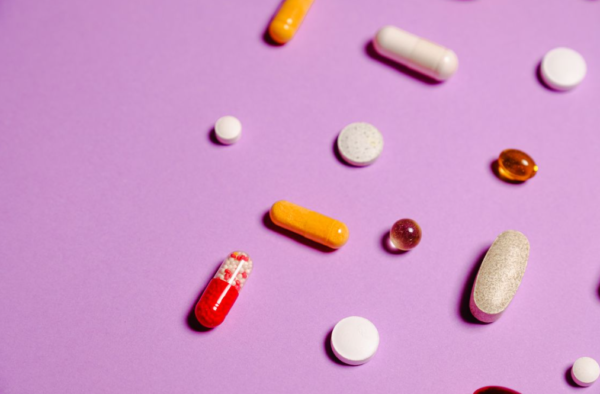
Compliance is not only about what happens before launch. It continues after orders begin shipping.
A supplement customer expects the bottle to arrive clean, sealed, readable, fresh, and undamaged. If a product arrives crushed, overheated, leaking, expired, mislabeled, or missing instructions, the customer may lose trust even if the formula itself is good.
A reliable supplement fulfillment workflow should protect the product and the brand promise. At Frienddropshipping, supplement and sensitive product handling can include product inspection, expiry checks, lot control, protective packing, private label materials, and automated order syncing. For growing brands, this is especially useful because operational mistakes become more expensive as order volume increases.
If you plan to build a branded experience, customization and private pack can help you prepare branded boxes, inserts, stickers, and packaging materials. Just remember: inserts and cards must also follow claim rules. A small card saying “use this to cure joint pain” can be just as risky as a bad product page headline.
How to Export Supplement Products Properly
Getting supplement export right is not only about finding a cheap shipping line. A serious Shopify supplement brand should treat export as a controlled workflow.
First, confirm the product category and destination rules. A supplement that can be sold in one country may be restricted in another. Ingredient limits, labeling language, health claims, import documents, and customs classification may differ by market.
Second, prepare documentation before shipping volume grows. This may include product specifications, COA, ingredient list, label files, invoice details, batch or lot numbers, expiration dates, and supplier information. Good documentation makes customs clearance, customer service, and recall response much easier.
Third, match the logistics method to the product. Gummies, softgels, probiotics, liquids, and powders may need extra attention to heat, leakage, crushing, moisture, and customs inspection. Cheap shipping can become expensive if it causes damaged products, delayed parcels, or compliance questions.
Finally, keep marketing and fulfillment connected. If a brand changes ingredients, label claims, serving size, or packaging, the fulfillment partner should receive the updated SKU information before orders ship. FriendDropshipping can support Shopify sellers with shipping solutions, supplement handling, and private label fulfillment so brands can focus on product positioning while keeping the backend organized.
Common Mistakes Shopify Supplement Brands Should Avoid
-
Mistake 1: Saying “FDA approved”
Most dietary supplements are not FDA approved before sale. Avoid misleading approval language.
-
Mistake 2: Copying competitor claims
Competitors may be wrong, risky, or operating in another jurisdiction. Do your own review.
-
Mistake 3: Using disease keywords for SEO
Ranking for “best supplement for diabetes” may sound attractive, but disease-oriented content can create claim risk.
-
Mistake 4: Letting influencers improvise
Influencer content can create advertising claims. Give creators approved talking points and prohibited words.
-
Mistake 5: Ignoring reviews
Customer reviews can create implied claims. If you feature reviews, moderate disease claims carefully.
-
Mistake 6: Treating fulfillment as generic shipping
Supplements need lot awareness, expiry checks, clean handling, and protective packaging.
-
Mistake 7: Launching trendy ingredients without documentation
If the ingredient status is unclear, slow down and verify before scaling.
Final Thoughts
The best Shopify supplement brands grow by combining strong offers with disciplined operations. FDA rules should not scare founders away from the category, but they should shape how products are selected, labeled, marketed, stored, packed, and shipped.
A simple mindset helps: never treat compliance as a final step. Build it into sourcing, product development, claim writing, page design, fulfillment, and customer support from day one.
If your brand is preparing to launch or scale supplements, Frienddropshipping can support product sourcing, quality checks, private label packing, and reliable supplement fulfillment for Shopify sellers shipping to the U.S. and other markets.
FAQs
Is Shopify Supplement Fulfillment different from normal ecommerce fulfillment?
Yes. Shopify Supplement Fulfillment usually needs more attention to lot numbers, expiration dates, packaging condition, storage environment, product labeling, and customer complaint handling. Supplements are more sensitive than ordinary consumer goods because customers ingest them.
Does FDA approve dietary supplements before they are sold?
In most cases, no. Dietary supplements are generally not FDA-approved before sale. Brands should avoid saying “FDA approved” unless they have a specific lawful reason. The brand, manufacturer, or distributor is responsible for safety, labeling, and compliant marketing.
What is Private Label Supplement Fulfillment?
Private Label Supplement Fulfillment means a fulfillment partner helps store, pack, and ship supplement products under your brand. It may also include branded packaging, inserts, stickers, labels, bundled kits, and Shopify order syncing.
Can a Shopify supplement brand make health claims?
A brand may be able to make certain structure/function claims, such as “supports immune health,” if the claim is truthful, not misleading, and properly substantiated. Disease claims such as “treats arthritis,” “prevents diabetes,” or “cures insomnia” should be avoided unless reviewed by qualified professionals.
What supplement categories have higher compliance risk?
Weight loss, sleep, hormone support, sexual enhancement, pain relief, joint support, bodybuilding, cognitive support, children’s supplements, and immune products usually need extra review because sellers often use aggressive claims in these categories.
How can FriendDropshipping help supplement Shopify brands?
FriendDropshipping can support Shopify supplement sellers with sourcing coordination, quality checks, supplement fulfillment, private label packing, branded packaging, and shipping solutions. This helps brands keep operations cleaner while preparing for long-term growth.
Table of Content

I’m Cassiel. I’ll help you scale your Shopify business with reliable fulfillment.
Join to newsletter.
Follow us and get more knowledge.