Launching a Shopify supplement brand can be one of the most attractive opportunities in ecommerce. Supplements are lightweight, repeat-purchase friendly, easy to brand, and closely connected to customer identity. A good supplement product can become part of a customer’s daily routine, which makes the category powerful for subscriptions, bundles, influencer campaigns, and long-term brand building.
But supplements are not ordinary ecommerce products.
A Shopify store selling phone accessories, pet toys, or fashion items mostly needs to worry about product quality, shipping, returns, and marketing. A Shopify supplement brand must also think about FDA rules, FTC advertising standards, DSHEA, CGMP, product labeling, ingredient review, health claims, adverse event handling, lot tracking, expiration dates, payment review, ad account risk, and cross-border shipping restrictions.
That does not mean you should avoid the supplement category. It means you should launch it properly.
This guide explains how to launch a Shopify supplement brand legally and responsibly. It is written for ecommerce founders, DTC operators, private label sellers, and dropshipping brands that want a practical roadmap before selling vitamins, gummies, capsules, powders, probiotics, collagen, herbal blends, or other dietary supplements.
This article is for general information only and is not legal advice. If you are launching a supplement brand in the United States or shipping to U.S. customers, you should consult qualified regulatory counsel or compliance professionals before selling.
What Makes A Shopify Supplement Brand Different?
Supplements Are Ingested Products
The first difference is simple: customers put supplements into their bodies. That makes the product category more sensitive than ordinary consumer goods.
If a bottle arrives damaged, mislabeled, expired, contaminated, overheated, or missing warnings, the problem is more serious than a broken phone case. Customers expect supplement products to be clean, sealed, accurately labeled, and safe to use according to instructions.
That is why supplement brands need stronger quality control, cleaner fulfillment, better documentation, and more careful customer communication.
Supplements Are Regulated Differently From Drugs
Dietary supplements are regulated by the U.S. Food and Drug Administration, but they are not regulated in the same way as prescription or over-the-counter drugs.
The FDA explains that dietary supplement manufacturers and distributors are generally responsible for evaluating the safety and labeling of their products before marketing. In most cases, dietary supplements are not approved by FDA before they are sold. FDA can take action after a product reaches the market if it is adulterated, misbranded, unsafe, or marketed with illegal claims. You can reference the FDA’s official overview here: FDA Dietary Supplements.
For Shopify sellers, this is important because “not pre-approved” does not mean “unregulated.” Your brand still needs to follow the rules.
Shopify Makes Selling Easy, But Compliance Is Still Your Job
Shopify gives merchants the tools to build an online store, accept orders, and connect apps. It does not automatically make your product legal, your label compliant, or your advertising claims safe.
Your brand is responsible for the products you sell, the claims you publish, the suppliers you choose, the labels you approve, and the customer experience you create.
If you use a manufacturer, sourcing agent, fulfillment provider, designer, copywriter, influencer, or ad agency, your brand still needs a compliance workflow.
Step 1: Confirm Your Product Is A Dietary Supplement
Understand The Supplement Definition
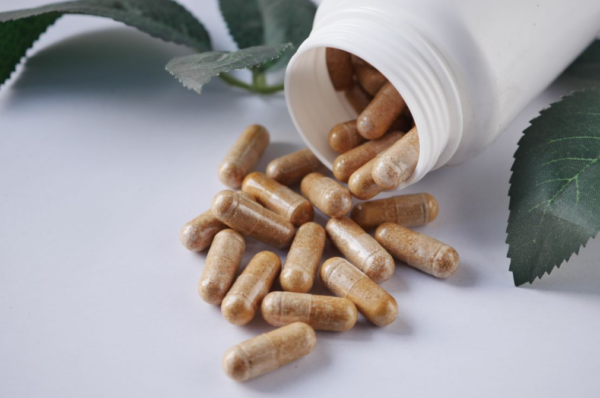
In the U.S., dietary supplements are products intended to supplement the diet. They may contain vitamins, minerals, herbs, botanicals, amino acids, dietary substances, concentrates, metabolites, extracts, or combinations of these ingredients.
Common supplement formats include:
-
Capsules
-
Tablets
-
Softgels
-
Gummies
-
Powders
-
Liquids
-
Drops
-
Stick packs
-
Effervescent tablets
A magnesium capsule, probiotic powder, collagen drink mix, mushroom gummy, herbal sleep formula, and multivitamin can all fall into the supplement category.
But classification is not always obvious. Some products may be considered conventional foods, cosmetics, drugs, medical devices, or something else depending on ingredients, intended use, dosage form, and marketing claims.
Document The Intended Use
Before launch, write down the intended use of the product. This helps you decide what rules apply and what claims are risky.
Ask:
What is the product?
Who is it for?
What ingredients does it contain?
How is it consumed?
What benefit are we promising?
Are we supporting general wellness or implying disease treatment?
What country are we selling into?
What claims will appear on the label, Shopify page, ads, and inserts?
This documentation may feel basic, but it helps prevent a common startup problem: the product team thinks it is a general wellness supplement, while the marketing team writes copy that makes it sound like a treatment for anxiety, insomnia, diabetes, arthritis, or obesity.
Avoid Competitor-Based Compliance
Do not assume a product is legal just because competitors are selling it.
Many supplement listings online use risky claims, incomplete labels, or questionable ingredients. Some may not have been reviewed yet. Others may already be under platform or regulatory pressure. Competitor research is useful for positioning, but it should never replace proper compliance review.
Step 2: Understand FDA, DSHEA, FTC, And CGMP Basics
FDA: Product Safety And Labeling
The FDA regulates dietary supplements under the Federal Food, Drug, and Cosmetic Act as amended by DSHEA, the Dietary Supplement Health and Education Act of 1994.
For a Shopify supplement brand, the main FDA-related areas include:
-
Product safety
-
Ingredient review
-
Labeling
-
Supplement Facts panels
-
Structure/function claims
-
New Dietary Ingredient notifications
-
Adverse event responsibilities
-
Manufacturing and holding practices
-
Misbranding and adulteration risks
A key point: most supplements are not FDA-approved before sale, but FDA still has authority over the category.
DSHEA: The Legal Foundation For Dietary Supplements
DSHEA created much of the modern U.S. framework for dietary supplements. It recognizes dietary supplements as a category of food, sets rules for dietary supplement labeling and claims, and places significant responsibility on manufacturers and distributors.
For ecommerce sellers, DSHEA matters because it shapes what your product can be, what your label should include, and what kind of claims you may or may not make.
If your Shopify brand uses structure/function claims, you should understand the required disclaimer and FDA notification obligations. Structure/function claims are different from disease claims, and confusing the two is one of the fastest ways to create regulatory risk.
FTC: Advertising And Claim Substantiation
The FTC focuses on advertising. That includes more than paid ads.
For a Shopify supplement brand, advertising can include:
-
Product pages
-
Landing pages
-
Meta ads
-
Google ads
-
TikTok ads
-
Influencer scripts
-
Affiliate content
-
Emails
-
SMS campaigns
-
Advertorials
-
Product quizzes
-
Comparison charts
-
Testimonials
-
Before-and-after images
The FTC’s Health Products Compliance Guidance explains that health-related advertising should be truthful, not misleading, and supported by competent and reliable scientific evidence.
This means you should not write claims first and search for evidence later. You should build marketing claims around evidence from the beginning.
CGMP: Manufacturing, Packaging, Labeling, And Holding
Dietary supplements are subject to current Good Manufacturing Practice requirements. The official regulation is found in 21 CFR Part 111.
CGMP requirements cover manufacturing, packaging, labeling, and holding operations. They are designed to help ensure supplements are produced consistently and protected from contamination, mix-ups, and quality failures.
Even if you are not the manufacturer, CGMP still matters to your Shopify brand because your supplier, packer, or fulfillment operation can affect product integrity.
Step 3: Choose The Right Supplement Category
Start With Lower-Risk Products When Possible
New supplement founders often chase the most aggressive categories because they look profitable. Weight loss, testosterone support, sleep, detox, sexual enhancement, pain relief, and “natural alternatives” to prescription drugs can appear attractive because customer demand is high.
But these categories also carry higher claim risk, ad account risk, payment review risk, and ingredient scrutiny.
For a first Shopify supplement brand, lower-risk general wellness products may be easier to launch. Examples include simple vitamins, minerals, hydration support, collagen, protein, basic digestive support, or general wellness blends with conservative claims.
This does not make them risk-free, but it usually gives you a cleaner path than highly sensitive disease-adjacent categories.
High-Risk Categories Need More Review
Be extra careful with:
-
Weight loss supplements
-
Fat burners
-
Sleep aids
-
Hormone support
-
Testosterone support
-
Sexual enhancement
-
Pain relief
-
Joint pain products
-
Cognitive performance
-
Children’s supplements
-
Prenatal supplements
-
Immune defense
-
Detox and cleanse products
-
CBD or hemp-related products
-
Sports performance products
These categories often tempt sellers into illegal or unsupported claims.
For example, “supports restful sleep” may be a structure/function-style claim if properly supported. “Cures insomnia” is a disease claim. “Supports healthy metabolism” is very different from “works like Ozempic.” “Supports joint comfort” is not the same as “treats arthritis.”
Build A Product Risk Score
Before choosing your product, score it across these areas:
-
Ingredient risk
-
Claim risk
-
Labeling complexity
-
Supplier reliability
-
Testing documentation
-
Ad platform sensitivity
-
Payment processor sensitivity
-
Shipping complexity
-
Temperature sensitivity
-
Return and complaint risk
A product that scores high in too many categories may not be the best first launch.
Step 4: Review Ingredients Before You Sell

Check Ingredient Legality And Suitability
Ingredient review should happen before branding, label design, or ad creative.
Ask your supplier for:
-
Full formula
-
Ingredient amounts
-
Supplement Facts panel
-
Other ingredients
-
Allergen information
-
Country of origin
-
COA or test report
-
Specification sheet
-
Manufacturing details
-
Lot and expiration format
-
Safety documentation
Do not accept vague answers such as “all natural,” “FDA compliant,” or “safe formula” without supporting documents.
Understand New Dietary Ingredient Risk
A New Dietary Ingredient, often called an NDI, may require notification to FDA before marketing unless an exception applies. FDA provides official information on the New Dietary Ingredient Notification Process.
NDI review is especially important for new extracts, novel compounds, unusual botanicals, certain probiotics, synthetic ingredients, or trending wellness ingredients that do not have a clear history of use in U.S. dietary supplements.
If your supplier cannot explain whether the formula contains an NDI, you should slow down and get professional review.
Watch For Hidden Drug Ingredient Risk
Some online supplement categories have a history of hidden drug ingredients, especially weight loss, sexual enhancement, pain relief, bodybuilding, and certain performance products.
A Shopify brand should not rely only on supplier promises. If the product category is high risk, consider third-party testing. Hidden ingredients can create customer safety issues, FDA enforcement risk, payment problems, platform bans, and long-term brand damage.
Step 5: Source From Reliable Manufacturers And Suppliers

Do Not Choose Only By Price
In supplement ecommerce, the cheapest supplier can become the most expensive mistake.
A reliable supplement supplier should be able to support:
-
Clear ingredient documentation
-
Stable product specifications
-
Batch or lot tracking
-
Expiration date control
-
Testing documents
-
Packaging consistency
-
Label support
-
Production repeatability
-
Complaint response
-
Recall support if needed
If the supplier avoids basic documentation questions, that is a warning sign.
Use A Sourcing Workflow
A practical sourcing workflow should include:
-
Product idea review
-
Supplier screening
-
Ingredient document collection
-
Sample inspection
-
Label review
-
Packaging review
-
Claim review
-
Cost and MOQ review
-
Shipping route review
-
Fulfillment test
-
Small launch batch
-
Performance review before scaling
FriendDropshipping can support ecommerce sellers with sourcing and fulfillment when building supplement or wellness product lines. For Shopify brands, this can help connect sourcing decisions with fulfillment realities, instead of treating them as separate steps.
Keep Supplier Records Organized
Save supplier documents in a structured folder for each SKU. This should include formula details, label files, COA documents, product images, batch information, purchase records, and communication history.
If a customer complaint, platform review, customs issue, or recall question appears later, organized records are extremely valuable.
Step 6: Create A Compliant Supplement Label
Use The FDA Labeling Guide
Your supplement label is not just branding space. It is regulated information.
The FDA’s Dietary Supplement Labeling Guide is a useful official reference for supplement labels.
A typical dietary supplement label may need:
-
Statement of identity
-
Net quantity of contents
-
Supplement Facts panel
-
Serving size
-
Servings per container
-
Dietary ingredients and amounts
-
Percent Daily Value where applicable
-
Other ingredients
-
Name and place of business
-
Directions for use
-
Warnings
-
Required disclaimers
-
Lot number
-
Expiration or best-by date
Requirements can vary depending on product type and claims, so professional label review is recommended.
Match The Shopify Page To The Label
Your Shopify product page should not contradict your label.
If the label says “take one capsule daily,” the website should not suggest taking three capsules for stronger results. If the label includes a warning for pregnant or nursing customers, the product page should not make the product sound suitable for everyone.
Keep one approved master file for every SKU. The label, product page, ads, influencer briefs, email flows, inserts, and FAQs should all follow it.
Avoid Misleading Badges And Icons
Be careful with trust badges.
Avoid:
-
FDA Approved
-
FDA Certified
-
Doctor Guaranteed
-
Clinically Proven, unless strongly supported
-
No Side Effects
-
Cures Naturally
-
Prescription Alternative
-
Drug-Free Cure
If you use badges such as “third-party tested,” “GMP facility,” “vegan,” “non-GMO,” or “made in USA,” make sure you can support them with evidence.
Step 7: Write Legal And Safer Supplement Claims

Understand Structure/Function Claims
A structure/function claim describes how a product supports the normal structure or function of the body.
Examples may include:
-
Supports immune health
-
Supports digestive balance
-
Helps maintain normal energy metabolism
-
Supports joint comfort
-
Supports restful sleep
-
Supports healthy hair, skin, and nails
These claims still need substantiation. They also need proper context and disclaimers where applicable.
Avoid Disease Claims
A disease claim suggests that the supplement diagnoses, treats, cures, mitigates, or prevents disease. These claims can cause a supplement to be treated like an unapproved drug.
Avoid claims like:
-
Cures insomnia
-
Treats anxiety
-
Prevents diabetes
-
Lowers blood pressure
-
Reduces arthritis pain
-
Reverses fatty liver
-
Kills viruses
-
Stops inflammation
-
Treats depression
-
Works like prescription medication
Disease claims can appear in headlines, FAQs, blog content, product names, testimonials, influencer videos, and image captions. Review the whole customer journey, not just the product label.
Do Not Let Testimonials Create Illegal Claims
Testimonials are a common hidden risk.
If a customer says, “This cured my joint pain,” and you feature that review on your Shopify product page, the brand may be responsible for the claim. The same applies to influencer videos, UGC ads, affiliate pages, and before-and-after images.
Create review moderation rules. Do not showcase disease claims unless qualified counsel has reviewed the context.
Step 8: Build A Claim Substantiation File
Match Every Claim To Evidence
Every meaningful health-related claim should be supported before publication.
Your claim substantiation file can include:
-
Claim wording
-
Claim category
-
Where the claim appears
-
Evidence source
-
Ingredient evidence
-
Finished product evidence
-
Disclaimers
-
Approved variations
-
Rejected wording
-
Review date
This file helps your marketing team move faster without improvising risky claims.
Ingredient Evidence Is Not Always Product Evidence
If one ingredient has research support, that does not automatically prove your finished product produces the same result.
Consider:
-
Ingredient dose
-
Serving size
-
Bioavailability
-
Population studied
-
Study quality
-
Product format
-
Formula interactions
-
Duration of use
-
Claim wording
For stronger claims, you may need stronger evidence.
Create An Approved Claim Bank
A claim bank helps your team stay consistent across ads, product pages, emails, blogs, and influencer content.
Include:
-
Approved claims
-
Allowed supporting phrases
-
Words to avoid
-
Required disclaimers
-
Influencer talking points
-
FAQ answers
-
Category-specific warnings
This is especially useful when scaling paid ads or working with multiple creators.
Step 9: Prepare Shopify Store Compliance
Product Page Essentials
A compliant Shopify supplement product page should include clear product information without overpromising.
Consider adding:
-
Product name
-
Supplement type
-
Serving size
-
Suggested use
-
Ingredient highlights
-
Supplement Facts image
-
Warnings
-
Disclaimer
-
Who it is for
-
Who should consult a professional first
-
Shipping information
-
Return policy
-
Contact information
Do not hide important information behind vague marketing copy.
Store Policy Pages
Your Shopify store should have clear policy pages, including:
-
Contact page
-
Shipping policy
-
Return and refund policy
-
Privacy policy
-
Terms of service
-
Subscription terms if applicable
-
Medical disclaimer
-
Affiliate or influencer disclosure if applicable
These pages help customers and may reduce platform review concerns.
Payment And Ad Platform Readiness
Payment processors and ad platforms may review supplement brands more carefully.
Common risk triggers include:
-
Aggressive weight-loss claims
-
Before-and-after body images
-
Disease-related keywords
-
Sexual performance claims
-
CBD or hemp claims
-
Prescription drug comparisons
-
Unrealistic result promises
-
No clear business contact
-
Misleading testimonials
-
Poor refund policies
Before scaling ads, review your product page through the eyes of a platform reviewer.
Step 10: Set Up Shopify Supplement Fulfillment

Fulfillment Is Part Of Product Trust
Fulfillment is not just shipping. For supplements, it is part of the compliance and customer trust system.
A good Shopify Supplement Fulfillment workflow should support:
-
SKU accuracy
-
Lot tracking
-
Expiration date checks
-
Clean storage
-
Damage inspection
-
Seal inspection
-
Protective packaging
-
Order syncing
-
Batch separation
-
Returns handling
-
Complaint escalation
-
Recall response
This is very different from shipping ordinary fashion or accessory products.
Why Lot And Expiration Tracking Matter
If a customer reports a problem, you need to know which lot was shipped. If a supplier later reports a batch issue, you need to identify affected orders quickly.
Lot tracking and expiration checks also help prevent expired products from reaching customers. This is especially important for capsules, gummies, powders, probiotics, liquids, softgels, and private label supplements.
Work With A Supplement-Aware Fulfillment Partner
FriendDropshipping’s Supplement Fulfillment service can support Shopify supplement sellers with product handling, packing, order processing, and shipping workflows for supplement and wellness products.
For growing brands, this can reduce operational chaos and help protect customer experience as order volume increases.
Step 11: Build Private Label Supplement Fulfillment Properly

Private Label Is More Than A Logo
Private label supplement branding can help you build a real asset instead of selling generic products. Branded bottles, boxes, inserts, stickers, bundles, and subscription packaging can improve customer trust and repeat purchase rates.
But every branded element needs review.
A claim on a bottle matters. A claim on an insert matters. A claim on a bundle card matters. A claim printed on a sticker or outer box also matters.
Keep Packaging And Claims Consistent
Private label brands should avoid disconnects between packaging and marketing.
For example:
The label says “supports relaxation,” but the insert says “cures anxiety.”
The Shopify page says “one capsule daily,” but the box says “take as needed.”
The ad says “doctor recommended,” but there is no support for that claim.
The product title says “detox liver repair,” implying disease or organ repair.
These inconsistencies can create customer confusion and regulatory risk.
Use Branded Packaging Carefully
FriendDropshipping’s Customization & Private Pack service can help Shopify sellers with private label packaging, inserts, branded materials, and product presentation. For supplements, this should be paired with careful review of claims, warnings, directions, and label consistency.
Private Label Supplement Fulfillment works best when branding, compliance, and logistics are planned together.
Step 12: Add Quality Control Before Scaling

Inspect Before Shipping
Quality control helps catch issues before customers do.
For supplements, inspection may include:
-
Correct SKU
-
Correct label
-
Correct language version
-
Seal condition
-
Bottle condition
-
Outer box condition
-
Expiration date
-
Lot number
-
Capsule count where applicable
-
Packaging damage
-
Leakage
-
Moisture risk
-
Wrong variant
-
Missing insert
FriendDropshipping’s Quality Control service can help ecommerce sellers reduce avoidable fulfillment errors before shipping orders to customers.
Watch For Version Control Problems
Supplement brands often update labels, formulas, packaging, or claims over time. Version control becomes important.
If old packaging and new packaging are mixed in the warehouse, customers may receive inconsistent products. If the Shopify product page is updated but the physical label is not, there may be a mismatch. If a formula changes but the Supplement Facts image is not updated, the page may mislead customers.
Create a SKU version log for every major change.
Handle Complaints Professionally
A supplement brand should have a process for customer complaints.
Track:
-
Customer name
-
Order number
-
Product SKU
-
Lot number
-
Expiration date
-
Complaint type
-
Photos
-
Symptoms if reported
-
Resolution
-
Escalation status
-
Supplier communication
Some serious adverse events may trigger reporting obligations. Brands should consult qualified professionals to set up the right process.
Step 13: Plan Shipping And Export Properly

Export Is Not Just Cheap Shipping
Supplement export requires more planning than ordinary parcel shipping.
Destination countries may have different rules for ingredients, labels, customs classification, claims, documents, and import restrictions. A formula that can be sold in one country may be restricted in another.
Before shipping internationally, review:
-
Destination country rules
-
Ingredient restrictions
-
Customs requirements
-
Label language
-
Invoice details
-
HS code or customs classification
-
Carrier acceptance
-
Temperature sensitivity
-
Liquid or powder restrictions
-
Return handling
-
Duties and taxes
Choose Routes Based On Product Type
Different supplement formats need different shipping care.
Gummies may be heat-sensitive.
Glass bottles may need stronger protection.
Powders may trigger customs inspection.
Liquids may have leakage risk.
Probiotics may need temperature awareness.
Softgels may be affected by heat.
A cheap route can become expensive if it causes delays, customs problems, melted products, damaged packaging, or poor customer reviews.
FriendDropshipping’s Shipping Solution can help Shopify supplement brands choose more suitable shipping routes and reduce avoidable delivery problems.
Keep Fulfillment And Compliance Connected
If you change product claims, labels, serving size, ingredients, packaging, or target markets, your fulfillment partner should know before orders ship.
Export works best when product information, shipping documents, customer-facing content, and warehouse handling are aligned.
Step 14: Create A Pre-Launch Checklist
Product And Ingredient Checklist
Before launch, confirm:
-
Product category is clear
-
Ingredients are reviewed
-
NDI risk is considered
-
Supplier documents are collected
-
COA or testing documents are saved
-
Allergens are reviewed
-
Warnings are identified
-
Target market is defined
-
High-risk ingredients are checked
-
Formula is stable for shipping
Label And Claim Checklist
Review:
-
Supplement Facts panel
-
Serving size
-
Suggested use
-
Warnings
-
Disclaimers
-
Structure/function claims
-
Disease claim risk
-
Testimonials
-
Product page copy
-
Ad copy
-
Influencer scripts
-
Email copy
-
Insert cards
-
Packaging claims
Operations Checklist
Prepare:
-
Shopify product page
-
Policy pages
-
Payment setup
-
Order syncing
-
Quality control process
-
Lot tracking
-
Expiration date control
-
Fulfillment workflow
-
Shipping route
-
Customer support scripts
-
Complaint handling
-
Return handling
-
Document storage
This checklist will not replace legal review, but it gives your launch a stronger foundation.
Step 15: Common Mistakes To Avoid

Mistake 1: Saying “FDA Approved”
Most dietary supplements are not FDA-approved before sale. Avoid using “FDA approved” unless you have a specific lawful reason and professional review.
Mistake 2: Copying Competitor Claims
Competitors may be wrong. They may also be taking risks you cannot see. Use competitor research for positioning, not compliance.
Mistake 3: Making Disease Claims For SEO
Some SEO keywords look attractive but create claim risk. Be careful with keywords like “supplement for diabetes,” “cure insomnia naturally,” “arthritis pain relief supplement,” or “natural Ozempic alternative.”
Mistake 4: Letting Influencers Improvise
Influencers can create advertising claims. Give them approved talking points and prohibited words.
Mistake 5: Ignoring Fulfillment Details
Supplements need lot tracking, expiration control, clean handling, and protective packaging. Generic fulfillment may not be enough.
Mistake 6: Launching Without Documentation
If your supplier cannot provide basic documents, you are building on weak ground.
Mistake 7: Treating Compliance As A One-Time Task
Compliance should continue after launch. Review claims, labels, suppliers, shipping routes, and customer feedback regularly.
Final Thoughts
Launching a Shopify supplement brand legally is not about making the business slower. It is about making the business stronger.
A compliant supplement brand is easier to advertise, easier to fulfill, easier to scale, and easier to defend during platform reviews, customer complaints, or regulatory questions. The best brands build compliance into product selection, sourcing, labeling, claims, fulfillment, private label packaging, shipping, and customer support from the beginning.
If you want to launch a Shopify supplement brand, start with a clean product category, reliable suppliers, conservative claims, proper labeling, organized documentation, and a fulfillment workflow that can handle supplements correctly.
FriendDropshipping can support Shopify supplement brands with sourcing and fulfillment, Supplement Fulfillment, Customization & Private Pack, Quality Control, and Shipping Solution services for ecommerce sellers building long-term supplement brands.
FAQs
Can I legally sell supplements on Shopify?
Yes, many brands legally sell supplements on Shopify. However, you are responsible for following applicable laws, FDA rules, FTC advertising standards, platform policies, payment processor rules, and shipping restrictions.
Do dietary supplements need FDA approval before selling?
In most cases, dietary supplements are not approved by FDA before sale. However, manufacturers and distributors are responsible for product safety, labeling, and compliant marketing. FDA can take action against unsafe, adulterated, misbranded, or illegally marketed products.
What is Shopify Supplement Fulfillment?
Shopify Supplement Fulfillment is a fulfillment workflow designed for supplement products sold through Shopify. It may include order syncing, product storage, SKU checks, lot tracking, expiration checks, protective packing, and shipping.
What is Private Label Supplement Fulfillment?
Private Label Supplement Fulfillment means supplement products are packed and shipped under your brand. This can include branded bottles, boxes, labels, stickers, inserts, bundles, and custom packaging.
Can I make health claims on my Shopify supplement page?
You may be able to make certain structure/function claims if they are truthful, not misleading, and properly supported. Avoid disease claims such as “treats,” “cures,” “prevents,” or “reverses” a disease or medical condition.
What supplement claims should I avoid?
Avoid claims related to curing, treating, preventing, or reversing diseases. Also be careful with claims about rapid weight loss, pain relief, prescription drug alternatives, hormone treatment, anxiety, depression, insomnia, diabetes, arthritis, and immune disease prevention.
Do I need a Supplement Facts panel?
Most dietary supplement labels need a Supplement Facts panel. The exact label requirements depend on the product, ingredients, and claims. FDA’s Dietary Supplement Labeling Guide is a useful official reference.
Why is lot tracking important for supplement fulfillment?
Lot tracking helps identify which batch was shipped to which customer. This is important for customer complaints, supplier issues, recalls, expiration control, and quality management.
Can I use customer testimonials for supplement marketing?
Yes, but testimonials must not create misleading or unsupported claims. If a customer says a product cured a disease and your brand promotes that review, it may create regulatory or advertising risk.
How can FriendDropshipping help a Shopify supplement brand?
FriendDropshipping can help with supplement sourcing, product checks, Shopify Supplement Fulfillment, Private Label Supplement Fulfillment, branded packaging, quality control, and shipping solutions for ecommerce supplement brands.
Table of Content

I’m Cassiel. I’ll help you scale your Shopify business with reliable fulfillment.
Join to newsletter.
Follow us and get more knowledge.