

Table of Content
Winter can be a wonderful time of year, filled with festivities, snow, and the rush of holiday shopping. However, it also comes with its own set of challenges, especially for ecommerce and dropshipping businesses. From snowstorms to icy roads and overloaded carriers, winter conditions can significantly impact your order fulfillment process, leading to delays, unhappy customers, and potential sales loss.
The last thing you want is your customers waiting weeks for their orders. That’s why preparing early and creating strong systems is essential for managing shipping delays effectively during harsh winter months.
The good news is that with the right strategies and partnerships in place, you can keep your shipments moving smoothly despite the winter weather. This guide shares ten simple yet effective tips to help reduce shipping delays during the winter, protect customer trust, and keep your business running efficiently even when conditions outside are far from ideal.
1. Monitor Weather Conditions and Plan Ahead
Winter weather can change quickly, and storms can disrupt shipping routes without warning. Keeping an eye on weather forecasts for regions where your suppliers, carriers, and customers are located is critical. By staying updated on the weather conditions, you can adjust your timelines and notify customers early about potential delays. Advanced preparation helps you avoid last-minute surprises and ensures a smoother fulfillment process.
At Frienddropshipping, we understand how vital it is to plan ahead, especially when harsh winter weather is a factor. Notifying your customers about potential delays early on helps manage expectations and reduces frustration.
2. Work With Reliable Carriers That Handle Winter Conditions Well
Not all carriers handle winter conditions with the same level of expertise. Some may have stronger networks, better equipment, or more experience with snowy, icy roads. At Frienddropshipping, we recommend that you take the time to review your carrier performance from past winters. Look into delivery times, customer complaints, and overall reliability during storms.
Choosing reliable carriers may cost a little more, but it’s worth the investment when it helps you avoid delays, refunds, and customer complaints.
3. Build Extra Time Into Your Delivery Estimates
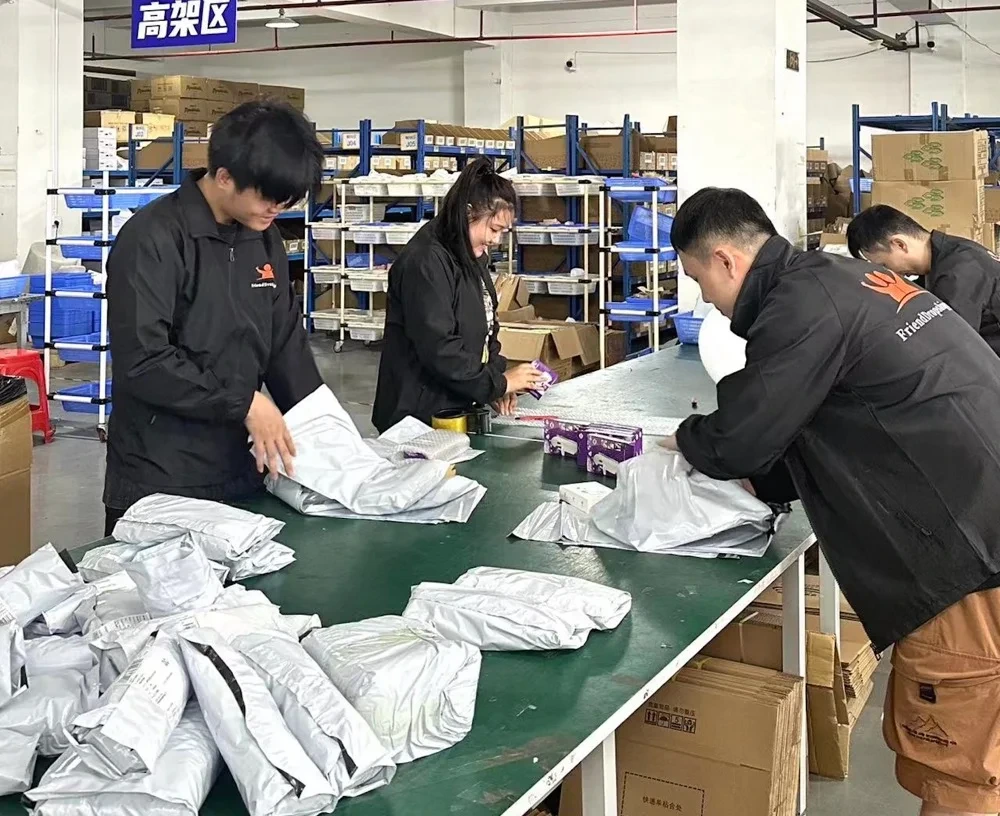
Winter delays are common even with the best carriers. To prevent any issues, add some buffer time to your delivery estimates. By doing so, you give yourself some leeway for potential slowdowns. Additionally, you can post a friendly reminder on your website or checkout page explaining that winter weather may impact delivery times. This proactive approach ensures that your customers are well-informed and more likely to understand if there’s a slight delay.
4. Maintain Strong Communication with Suppliers
The fulfillment process starts with your suppliers. If there’s a delay at the supply level, it can affect the entire process. Keeping in close communication with your suppliers during the winter months is essential. Ask them about their processing times, staffing levels, and any issues related to winter weather that may impact shipping. This allows you to adjust your shipping timelines accordingly and avoid unpleasant surprises.
By maintaining clear and open communication with your suppliers, you can adjust your timelines effectively and avoid delays that could frustrate your customers.
5. Use Multiple Suppliers or Fulfillment Centers for Flexibility
When harsh winter weather impacts one region, your entire business could be affected if you only rely on one supplier or fulfillment center. Frienddropshipping suggests diversifying your sources to ensure flexibility. Working with multiple suppliers or fulfillment centers in different locations allows you to reroute orders to unaffected areas, reducing the risk of delays caused by regional weather disruptions.
Additionally, using fulfillment centers closer to your customers helps reduce shipping distances, which can minimize the risk of weather-related delays.
6. Offer Clear Tracking and Regular Updates
One of the major frustrations for customers during winter shipping delays is the lack of visibility on their orders. To reduce stress, always send tracking numbers to customers as soon as their orders are dispatched. Make sure to inform them in advance that tracking updates may take longer during stormy weather.
At Frienddropshipping, we also recommend sending regular email or SMS updates when you notice any shipping delays. Clear and frequent communication helps build trust with your customers, especially when the weather is less than cooperative.
7. Improve Packaging for Winter Conditions
Cold weather can damage certain products, especially those that are sensitive to temperature changes like electronics, liquids, and fragile items. Using stronger, more secure packaging materials during winter helps protect products from potential damage. Adding extra padding, bubble wrap, or insulation is crucial to safeguard your items during transit.
Proper packaging not only helps prevent damage but also reassures your customers that you care about the quality of their order, even during difficult conditions.
8. Prepare Your Customer Support Team for Increased Demand
Winter shipping delays often lead to an increase in customer inquiries. Customers will have questions about shipping times, tracking, and delivery status. Training your support team to handle these concerns with patience and clarity is essential. Equip them with pre-written responses to common winter-related issues and ensure your FAQ page is updated with relevant information.
A responsive and helpful support team will make customers feel valued, even during the most stressful shipping seasons.
9. Encourage Early Shopping to Reduce Last-Minute Orders
One of the best ways to reduce winter shipping delays is to encourage customers to shop early. By offering small promotions or sending reminders, you can incentivize customers to place their orders well in advance. This allows you to process orders before the weather conditions worsen or carriers become overloaded.
Early shopping also helps you spread out the workload, reducing the strain on your operations during peak periods. Plus, your customers will appreciate the early-bird advantage and the peace of mind that comes with ordering in advance.
10. Review Your Winter Performance and Adjust for Next Year
Each winter season brings new challenges and lessons. After the season ends, take time to review your performance and identify areas for improvement. Look at which carriers were reliable, which suppliers experienced delays, and which products had the most issues. This evaluation will help you fine-tune your strategy for next year’s winter and ensure that you’re better prepared for similar challenges.
Using the lessons learned from past winters will help you develop better systems, make smarter decisions, and build a more resilient business.
Conclusion:
Winter shipping delays are a natural part of the season, but with the right preparation, communication, and partnerships, they don’t have to hurt your business. At Frienddropshipping, we specialize in helping ecommerce and dropshipping businesses navigate these challenges. By following these ten practical tips, you can reduce delays, protect customer trust, and ensure a smoother fulfillment process despite the tough winter conditions.
With careful planning and the right systems in place, you’ll be able to deliver a reliable experience for your customers, even when the weather outside is frightful.
Want to get the best price from the manufacturer? Fulfill your orders fast and stable?

I’m Cassiel, assist you grow your Shopify business rapidly, start with your order fulfillment quickly now.
Join to newsletter.
Follow us and get more knowledge.


