
Table of Content
Choosing a supplement manufacturer in China is a bit like hiring a chef for a restaurant that carries your name. The kitchen may belong to someone else, but customers will blame you if the meal is bad. They will not call the factory when a gummy melts, a capsule smells odd, or a label makes a questionable claim. They will contact your brand.
So, how do you choose the right manufacturer?
The short answer is this: define the product first, verify the legal company and factory, check market-relevant quality systems, review batch-level documents, test real samples, inspect production, and put every important promise into the contract. Price matters, of course. But the lowest unit price should never outrank identity, potency, contamination control, stability, and traceability.
A reliable supplement manufacturer in China should be able to explain what it makes, where it makes it, how each batch is controlled, which tests are performed, and what happens when a batch fails. The answers should be supported by records. A shiny PDF with a gold GMP logo is not enough. Yep, that is where many sourcing projects go sideways.
This guide is written for Shopify sellers, Amazon brands, DTC companies, wellness startups, importers, and established supplement businesses. It covers capsules, tablets, powders, gummies, softgels, liquids, herbal products, vitamins, and private label formulas. It also explains when an end-to-end sourcing partner can make more sense than managing several Chinese factories on your own.
Quick answer: The best supplement manufacturer in China is not automatically the biggest or cheapest factory. It is the factory that can repeatedly make your exact product, document the process, meet the rules of your destination market, communicate clearly, and deliver commercially workable batches on time.
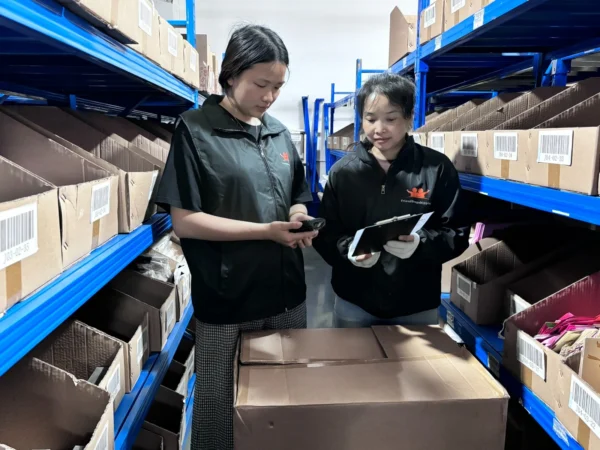
Planning a supplement product? Contact FriendDropshipping with your formula idea, dosage form, target market, expected order volume, packaging requirements, and preferred launch date. A personal agent can help you compare factories and organize the next steps.
What Does a Supplement Manufacturer in China Actually Do?
The phrase “supplement manufacturer” can describe several very different businesses. Before comparing quotations, find out what each company really does.
|
Supplier Type
|
What It Usually Does
|
Best For
|
Main Risk
|
|
Ingredient manufacturer
|
Produces extracts, vitamins, amino acids, probiotics, oils, or other raw materials
|
Brands with technical formulation teams
|
It may not make finished consumer products
|
|
Finished-product factory
|
Blends, fills, tablets, encapsulates, bottles, or packs supplements
|
Established formulas and volume orders
|
Packaging or formulation may need separate partners
|
|
OEM manufacturer
|
Makes a product to the buyer’s formula and specifications
|
Brands that own a clear product concept
|
Higher development work and MOQ
|
|
ODM manufacturer
|
Offers existing formulas that can be adapted and branded
|
Faster private label launches
|
Less formula exclusivity
|
|
White label supplier
|
Sells stock formulas with your label
|
Product testing and small launches
|
Competitors may sell nearly the same formula
|
|
Trading company
|
Connects buyers with one or more factories
|
Broad product sourcing
|
Less direct process visibility
|
|
Sourcing and fulfillment partner
|
Coordinates suppliers, packaging, QC, warehousing, and shipping
|
Ecommerce brands with several SKUs
|
Service fees must be compared with saved time and reduced risk
|
There is nothing automatically wrong with a trading company. A capable trader can solve problems and combine several product types. The problem begins when a trader claims to own a factory that it does not own. You then make decisions based on false production capacity, false certificates, or a blurry chain of responsibility.
Ask one plain question: “Which legal entity will manufacture the finished product shown on my label and COA?”
If the answer keeps wandering around the room, that is useful information.
Why Choose a Private Label Supplement Manufacturer in China?
China can be attractive for supplement production because it has deep supply chains for botanical extracts, vitamins, amino acids, packaging, bottles, labels, cartons, and ecommerce fulfillment. A brand may be able to develop the product and packaging within the same manufacturing region. That can shorten supplier coordination and create more room for custom formats.
Common reasons brands consider a China supplement manufacturer include:
-
Competitive pricing at commercial volumes
-
Access to a wide ingredient and packaging network
-
OEM and ODM formulation options
-
Custom gummies, capsules, powders, tablets, liquids, and sachets
-
Flexible packaging and private label support
-
Easier bundling with other wellness products
-
Direct connection to China-based warehousing and global fulfillment
Still, China is not the right answer for every project. International freight, import procedures, language differences, time zones, target-market regulations, and larger production commitments can erase a good-looking factory price. A domestic manufacturer may be better for tiny batches, extremely fast replenishment, or products with complicated local registration.
Do the full landed-cost calculation. “The bottle costs $2.10” is not a business model. You also need testing, packaging, molds, freight, customs, duties, inspection, storage, payment fees, spoilage allowance, and fulfillment.
How to Define Your Product Before Contacting a China Supplement Factory
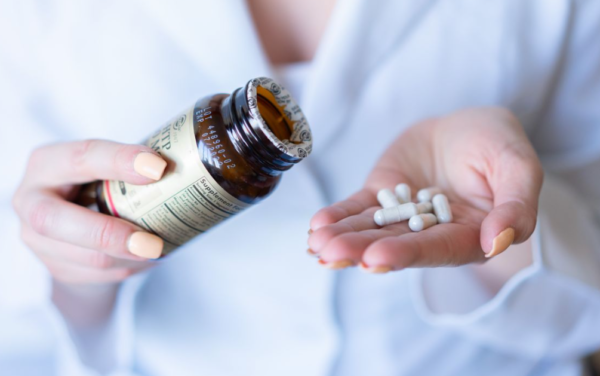
Do not start with “Please send your catalog and best price.” It sounds easy, but it invites ten suppliers to quote ten different products. You end up comparing a bicycle with a toaster.
Create a one-page product brief first.
Private Label Supplement Manufacturing Brief
|
Requirement
|
Example
|
|
Target customer
|
Adults aged 30-50 who want daily sleep support
|
|
Destination market
|
United States
|
|
Dosage form
|
Two vegan capsules per serving
|
|
Formula
|
Magnesium glycinate plus L-theanine
|
|
Ingredient strength
|
Exact amount per serving, not just per capsule
|
|
Serving count
|
30 servings / 60 capsules
|
|
Exclusions
|
No gelatin, artificial colors, or major allergens
|
|
Quality target
|
Batch COA plus independent heavy metal and microbiology testing
|
|
Packaging
|
Amber PET bottle, induction seal, desiccant, printed carton
|
|
Label language
|
English
|
|
Initial order
|
1,000 bottles, with pricing at 3,000 and 10,000
|
|
Sales channel
|
Shopify DTC and Amazon
|
|
Shelf-life target
|
24 months, supported by stability data
|
|
Required documents
|
Formula spec, COA, test methods, allergen statement, facility certificates
|
|
Delivery need
|
Goods ready to enter a China fulfillment warehouse within 45 days
|
This brief gives the factory something solid to answer. It also helps you spot gaps. For example, a gummy factory may happily promise a 24-month shelf life, but can it show stability evidence for a similar formula and package? A probiotic supplier may quote an impressive CFU count at manufacture, while your label promises the same count at expiration. Those are not the same thing.
Stock Formula, Semi-Custom, or Fully Custom Supplement?
Your development route affects cost, MOQ, timing, and risk.
|
Route
|
Typical Change
|
Relative MOQ
|
Relative Speed
|
Differentiation
|
|
White label
|
Label and basic packaging only
|
Low
|
Fast
|
Low
|
|
Semi-custom ODM
|
Flavor, color, serving, packaging, or a small formula adjustment
|
Medium
|
Medium
|
Medium
|
|
Full custom OEM
|
New formula, dosage, format, and specifications
|
High
|
Slow
|
High
|
For a first product, a proven stock or lightly adapted formula can be sensible. You learn what customers actually buy before spending heavily on a formula that looked clever in a spreadsheet. Once sales become predictable, a custom formula can create a stronger moat.
FriendDropshipping explains these development levels in more detail in its guide to conceptual, micro, and custom additions in supplements.
How to Verify a Supplement Manufacturer in China Is a Real Factory
This step is basic, but basic steps save expensive mistakes.
Request the company’s Chinese legal name, Unified Social Credit Code, registered address, business license, factory address, export entity details, and bank beneficiary name. The names should connect logically. A payment request to an unrelated personal account deserves a hard pause.
Check whether the business scope supports manufacturing, food production, health products, or the relevant activity. Search the legal entity in China’s official National Enterprise Credit Information Publicity System. The site is mainly in Chinese, so a Chinese-speaking colleague or sourcing partner can help.
Then use a live video call or factory audit to match the paperwork with the physical site. Ask the contact to show:
-
The factory gate and company sign
-
Production rooms and current lines
-
Raw-material receiving and quarantine areas
-
Weighing and blending rooms
-
Encapsulation, tableting, gummy, powder, or filling equipment
-
Metal detection or other relevant controls
-
Packaging lines
-
Finished-goods quarantine area
-
Laboratory and retained samples
-
Lot coding and traceability records
-
Cleaning status and staff hygiene controls
A prerecorded factory tour is nice marketing. A live walk-through with specific requests is better. Ask them to show today’s production board or a piece of equipment from an unusual angle. It is a simple way to reduce the chance that you are touring somebody else’s factory video.
Manufacturer or Trading Company: Does It Matter?
It matters when you need technical control. If a company cannot bring the production manager or quality manager into a meeting, it may not control the manufacturing process. That does not make it useless. It simply changes how you should evaluate it.
A transparent trading or sourcing partner should tell you which factory makes the product, who owns the specifications, who approves raw materials, who releases finished batches, and who handles a recall. Transparency beats a fake “direct factory” story every time.
Which Certifications Should a GMP Supplement Manufacturer in China Have?

There is no magic certificate bundle that makes every product legal in every country. Certification needs depend on the product, factory role, destination market, customer promises, and sales channel.
Use certificates as evidence, not decoration.
|
Document or System
|
What It Can Indicate
|
What It Does Not Prove
|
|
Chinese business license
|
The legal entity exists and has a stated business scope
|
That the factory makes your product well
|
|
Food production or relevant local license
|
The site has authorization for specified production activities
|
Compliance in every export market
|
|
GMP audit or registration
|
Quality systems were reviewed against a stated standard
|
That your individual batch passed testing
|
|
ISO 22000 / HACCP / food-safety certification
|
A structured food-safety management system
|
Correct potency or label compliance by itself
|
|
FDA food facility registration
|
A facility registered where required for U.S. food activity
|
FDA approval, certification, or endorsement
|
|
NSF certification or GMP registration
|
Independent review within the program’s stated scope
|
That every product from the company is certified
|
|
USP Verified
|
A particular participant or product met the program requirements
|
That an unlisted factory or product may use the mark
|
|
Halal or Kosher certification
|
Compliance with the named religious standard and scope
|
General supplement quality or legal market entry
|
|
Organic certification
|
Certified organic handling or ingredients within scope
|
That all ingredients or finished products are organic
|
|
COA
|
Test results reported for a material or finished batch
|
That the sample was independently collected or every claim is true
|
Why “FDA Approved Factory” Is a Red Flag
The U.S. FDA does not pre-approve dietary supplements for safety and effectiveness before they are sold. FDA also explains that imported foods may enter without prior product approval when applicable requirements are met, including facility registration and prior notice. Read the official FDA overview of dietary supplements and U.S. food import requirements.
So when a supplier says, “Our supplements are FDA approved,” ask exactly what it means. It may mean the facility has an FDA registration number. Registration is not approval. Do not print an FDA logo or imply government endorsement on your product.
How to Verify GMP, NSF, USP, and Laboratory Claims
Check the issuing body’s official database or contact the issuer. Match four things:
-
Legal company name
-
Factory address
-
Certification scope
-
Expiry or current status
For example, NSF provides an official dietary supplement listing search. USP explains that its supplement verification includes facility auditing, documentation review, and product testing; it is a real program with a defined scope, not a logo a factory may casually paste onto a brochure. See the USP Dietary Supplement Verification Program.
For Chinese testing laboratories, check whether accreditation can be found through the China National Accreditation Service search. Also review the exact test method and scope. A lab accredited for textile testing is not suddenly qualified to verify botanical identity because its logo looks official.
What Documents Should a China Supplement Manufacturer Provide?
Ask for documents before you approve mass production, not after the cartons are sitting at a port.
Core Factory and Product Document Checklist
-
Business license and relevant manufacturing licenses
-
Current facility certificates and audit reports
-
Product specification sheet
-
Master formula or agreed quantitative formula, subject to confidentiality terms
-
Raw-material specifications
-
Supplier qualification procedure
-
Batch manufacturing record format
-
Finished-product COA format
-
Test methods and acceptance limits
-
Allergen statement
-
GMO statement where relevant
-
Country-of-origin information
-
Ingredient traceability records
-
Microbiological test results
-
Heavy metal test results
-
Pesticide and residual-solvent testing where relevant
-
Identity and potency testing
-
Stability or shelf-life support
-
Packaging material specifications
-
Label proof and packaging artwork approval
-
Lot coding and expiry format
-
Recall procedure
-
Complaint and adverse-event cooperation process
-
Export documents required for the destination
Not every product needs every test. A mineral capsule, botanical extract, probiotic powder, fish oil, and gummy have different risk profiles. Build the test plan around the formula.
How to Read a Certificate of Analysis Without Fooling Yourself
A COA is useful only when it connects to the product you are buying.
Check the product name, batch number, manufacture date, expiry or retest date, specification limits, actual results, test methods, lab identity, approval signature, and issue date. “Pass” with no numerical result may be acceptable for some visual or qualitative tests, but potency and contaminant results should usually be more specific.
Now the slightly awkward part: a beautiful COA can still be wrong. It may be a template, a result from another batch, or a report based on a sample selected by the supplier. For the first production batch, use an independent laboratory and control the sampling process where practical.
How to Test Samples From a Private Label Supplement Manufacturer in China
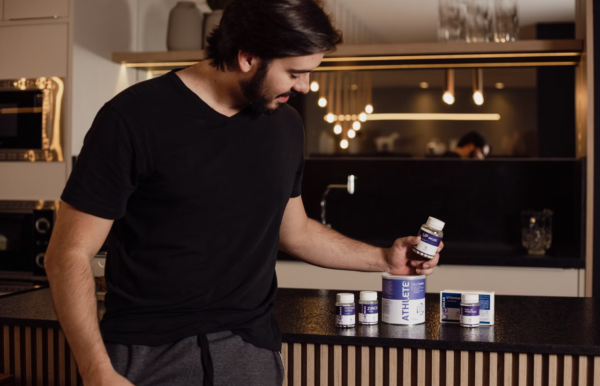
The free sample on a sales manager’s desk may not represent your future production. Treat sampling as a small production exercise.
Stage 1: Bench or Catalog Sample
Use the first sample to assess format and general direction:
-
Capsule size and ease of swallowing
-
Tablet hardness, dust, and disintegration
-
Gummy taste, odor, texture, stickiness, and color
-
Powder flavor, solubility, clumping, and scoop consistency
-
Liquid leakage, sediment, taste, and dropper accuracy
-
Packaging feel, seal, label quality, and usability
This stage answers, “Could this product work?” It does not answer, “Will every commercial batch meet the label?”
Stage 2: Pre-Production Sample
The pre-production sample should use the agreed formula, flavor, color, dosage form, bottle, closure, seal, label, and carton. Approve it in writing. Keep a signed reference sample if possible.
Stage 3: Production Batch Testing
Test the actual manufactured batch. Depending on the formula, the panel may include:
|
Test Area
|
Examples
|
Why It Matters
|
|
Identity
|
Ingredient identity, botanical species or marker
|
Confirms the material is what it claims to be
|
|
Potency
|
Vitamins, minerals, actives, CFU count
|
Checks label strength and formulation consistency
|
|
Microbiology
|
Total count, yeast, mold, pathogens
|
Reduces contamination risk
|
|
Heavy metals
|
Lead, arsenic, cadmium, mercury
|
Important for botanicals, minerals, sea-derived materials, and many other ingredients
|
|
Physical properties
|
Weight, count, hardness, moisture, disintegration
|
Affects dose, stability, and customer experience
|
|
Chemical risks
|
Pesticides, solvents, mycotoxins, oxidation values
|
Depends on ingredient and process
|
|
Stability
|
Real-time or accelerated stability indicators
|
Supports shelf life and storage instructions
|
For U.S. products, the FDA’s dietary supplement cGMP rules are found in 21 CFR Part 111. The practical point is simple: specifications, controls, records, and finished-batch release matter. A brand should work with a qualified regulatory professional and testing laboratory to set the right specification rather than copying a competitor’s COA.
FriendDropshipping’s Quality Control service can check visible product, packaging, label, lot, expiry, and quantity issues before fulfillment. Physical inspection is useful, but it does not replace chemical or microbiological laboratory testing. Both layers do different jobs.
How to Audit a Custom Supplement Manufacturer in China
If the order is meaningful, audit the factory. A document review helps, but a PDF cannot show how people actually work on a busy production day.
Raw-Material Control
Check how materials are approved, received, quarantined, sampled, tested, released, and rejected. Ask how the factory confirms identity and prevents unapproved supplier substitutions.
Weighing, Blending, and Cross-Contamination
Check line clearance, cleaning records, environmental controls, allergen handling, and material reconciliation. Ask how the factory prevents cross-contamination between products.
In-Process Controls
Controls vary by format. Capsule weight, tablet hardness, gummy cooking temperature, blend uniformity, fill volume, seal integrity, and metal detection may matter. Ask what happens when a result falls outside its limit.
Laboratory and Quality Unit Independence
The quality team should be able to reject materials and finished products. Review calibration, test logs, out-of-specification procedures, retained samples, and training records. Sales should not be able to overrule a failed quality result.
Warehousing and Traceability
Choose one finished lot and trace it back to raw materials. Then choose one raw material and trace it forward to affected batches. This quick exercise shows whether traceability works beyond a presentation slide.
How to Compare MOQ, Pricing, and Lead Time From China Supplement Factories
MOQ is not just a number. It may be driven by blender capacity, gummy cooking loss, raw-material purchase minimums, printed packaging, bottle color, label printing, or carton production.
Ask for a cost breakdown and price tiers.
|
Cost Item
|
Questions to Ask
|
|
Formula
|
Is formulation included? Are premium or branded ingredients extra?
|
|
Finished product
|
Is the quote per bottle, serving, kilogram, or piece?
|
|
Packaging
|
Are bottle, cap, seal, desiccant, label, carton, and shipper included?
|
|
Testing
|
Which tests are included? Is the COA internal or third-party?
|
|
Development
|
Are flavor trials, color matching, and pilot runs charged?
|
|
Tooling
|
Are molds, scoops, custom bottles, or printing plates separate?
|
|
Freight
|
Is the term EXW, FOB, CIF, DDP, or something else?
|
|
Inspection
|
Is pre-shipment inspection included?
|
|
Storage
|
How many free storage days are provided?
|
|
Rework
|
Who pays if labels, seals, or cartons fail inspection?
|
A Simple Landed-Cost Example
Imagine Factory A quotes $2.05 per bottle and Factory B quotes $2.32. Factory A looks cheaper by $0.27.
For 5,000 bottles, the apparent saving is $1,350. Nice.
But Factory A excludes independent testing ($850), charges $420 for label application, uses a carton that adds $0.09 per bottle ($450), and has a 3% packaging defect rate. Reworking or replacing 150 units at a conservative $5 landed value adds $750. Its “cheaper” offer is now $1,120 more expensive before you count staff time or delayed launch costs.
The arithmetic is not fancy. That is the point. Put every supplier quote into the same cost model.
Realistic Lead-Time Questions
Ask for separate timelines for:
-
Formula confirmation
-
Ingredient procurement
-
Sample development
-
Lab testing
-
Printed packaging
-
Production scheduling
-
Manufacturing
-
Finished-product testing and release
-
Inspection
-
Export preparation
-
Freight and customs
“20-day lead time” may begin after every raw material and packaging component arrives. That little detail can turn 20 days into 60.
How to Choose a Chinese Manufacturer for Gummies, Capsules, Powders, or Softgels
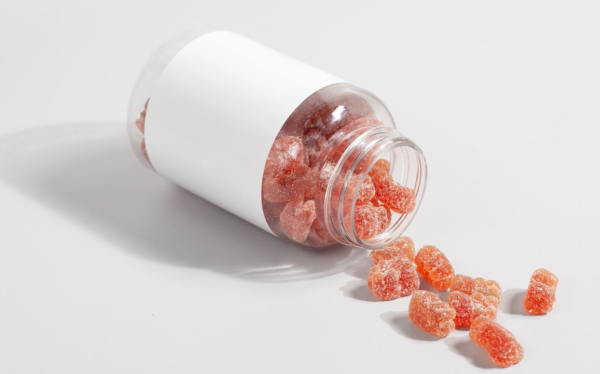
Factories often specialize. A company that makes excellent capsules may outsource gummies. Match the audit to the dosage form.
Gummy Supplement Manufacturer in China
Check pectin versus gelatin capability, cooking control, heat sensitivity, conditioning, moisture, water activity, sticking, flavor stability, and heat-resistant packaging. Ask for transit tests if parcels cross hot climates.
Gummies are cute. Their production problems are not.
Capsule and Tablet Manufacturer in China
Check blend uniformity, shell source, weight variation, tablet hardness, friability, disintegration, dust control, metal detection, and vegetarian claims. Confirm early that the intended dose fits the capsule size customers expect.
Powder Supplement Manufacturer in China
Check blend uniformity, flavor masking, bulk density, flow, clumping, moisture protection, seals, and solubility. A scoop is a rough volume tool. Sachets may provide tighter serving control.
Softgel and Oil Supplement Manufacturer in China
Check oxidation controls, peroxide and anisidine values where relevant, fill-weight variation, leakage, shell compatibility, light protection, and storage temperature. Good production cannot rescue weak packaging and hot transport.
Probiotic Supplement Manufacturer in China
Confirm strain identity, CFU specification, overage, moisture control, packaging barrier, storage conditions, and whether potency is promised at manufacture or through expiration.
How to Check Label and Export Support for Your Target Market
A China supplement factory can manufacture the product, but your brand is still responsible for selling it legally in the destination. Rules differ across the United States, United Kingdom, European Union, Canada, Australia, and other markets. Do not ask, “Is this formula internationally compliant?” There is no single international supplement approval.
Ask the manufacturer for its export history by product type and destination, not just “We export worldwide.” A factory that has shipped ordinary vitamin C tablets to one country may not understand novel botanicals, melatonin rules, sports ingredients, or probiotic labeling in another.
Choosing a China Supplement Manufacturer for the U.S. Market
For U.S. dietary supplements, review at least:
-
Applicable food facility registration obligations
-
Prior notice for imported food shipments
-
Importer and Foreign Supplier Verification Program responsibilities where applicable
-
21 CFR Part 111 manufacturing requirements
-
Ingredient status, including new dietary ingredient questions
-
Supplement Facts formatting
-
Identity statement, net quantity, ingredient list, and business information
-
Structure/function, nutrient-content, and health claims
-
Serious adverse-event contact information
-
Country-of-origin marking and customs requirements
The FDA’s Dietary Supplement Labeling Guide is a useful starting point. FDA states that required label information generally includes the statement of identity, net quantity, nutrition labeling, ingredient list, and the name and place of business of the manufacturer, packer, or distributor.
Advertising is another layer. The U.S. Federal Trade Commission says health-related claims should be truthful, not misleading, and supported by science. Review the FTC’s Health Products Compliance Guidance before turning a cautious formula into a miracle cure on your landing page.
FriendDropshipping also has a practical guide on how to launch a Shopify supplement brand legally. It is educational information, not a replacement for legal advice.
Questions for UK, EU, Canada, and Australia Projects
Ask a regulatory specialist to classify the formula before ordering. An ingredient allowed in one market may be restricted, medicinal, novel, or limited in another. Label language, nutrition format, health claims, responsible business details, allergen rules, registration, notifications, and import procedures can also differ.
The right workflow is:
-
Choose the destination market.
-
Classify the product and ingredients.
-
Build a compliant specification.
-
Confirm the factory can make that specification.
-
Review the label and claims.
-
Confirm import and fulfillment requirements.
-
Approve production only after the open issues are closed.
Doing compliance after production is like measuring the doorway after buying the sofa. Sometimes it fits. Sometimes everyone stands there looking annoyed.
How to Evaluate Communication With a China Supplement Supplier
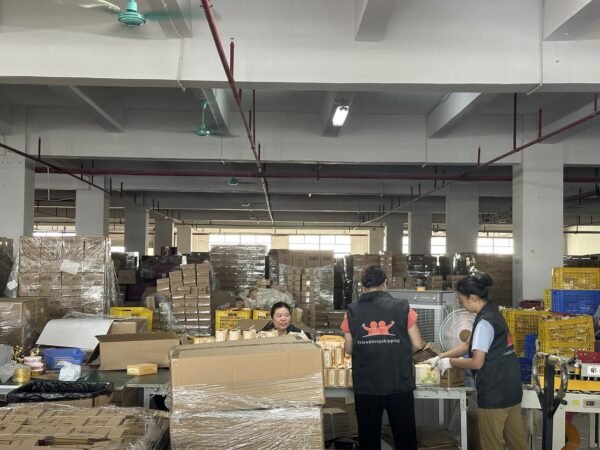
Communication quality is part of product quality. A factory can own excellent equipment and still ruin a project through slow approvals, lost revisions, and vague answers.
During the quotation stage, test the working relationship:
-
Does the supplier answer each numbered question?
-
Does it identify unknowns instead of guessing?
-
Can a technical person join the call?
-
Does it control document versions?
-
Does it confirm formula amounts per serving?
-
Does it explain why an MOQ or lead time exists?
-
Does it provide bad news quickly?
-
Does it summarize agreed changes in writing?
Try a small revision test. Change one packaging detail and one formula requirement. Ask the supplier to return an updated specification with a version number and date. If the old details keep returning, mass production will not magically fix the process.
What Should Be in a Supplement Manufacturing Agreement?
A purchase order is rarely enough for a custom product. Use qualified legal counsel for the destination and manufacturing arrangement. At minimum, the commercial and quality documents should define:
-
Legal parties and manufacturing site
-
Exact formula and product specification
-
Approved raw-material sources or change-control rules
-
Packaging specifications and approved artwork
-
Testing methods, limits, and release process
-
Right to inspect and independently test
-
Rules for subcontracting
-
Confidentiality and intellectual property ownership
-
Formula, mold, artwork, and tooling ownership
-
MOQ, price, payment stages, and Incoterms
-
Production and delivery dates
-
Shelf life remaining at delivery
-
Deviation and change notification
-
Nonconforming goods, rework, refund, and replacement
-
Complaint investigation and corrective action
-
Traceability, recall, and adverse-event cooperation
-
Product liability expectations and insurance where appropriate
-
Governing law and dispute process
-
Conditions for ending the relationship and transferring materials
For custom development, use an NNN-style agreement or other China-appropriate protection based on legal advice. A Western NDA copied from the internet may not give the protection you imagine.
Safer Payment Structure for a First Supplement Order
Avoid paying 100% upfront unless the commercial situation genuinely requires it and you have assessed the risk. A staged arrangement may connect payments to formula approval, packaging approval, production completion, inspection, or test release.
Payment structure alone does not create safety. The beneficiary, contract party, invoice entity, and exporter should make sense together. Keep a written change log. When money is involved, “we discussed it on WeChat” becomes surprisingly fuzzy.
Red Flags When Choosing a Supplement Manufacturer in China
Walk away, or investigate much more deeply, when you see several of these signs:
-
“FDA approved supplements” with no precise explanation
-
Refusal to provide a Chinese legal company name
-
Business license and bank account names do not match
-
Certificates with altered names, missing scope, or expired dates
-
One generic COA used for every batch
-
No numerical potency or contaminant results
-
A quote far below every comparable supplier
-
Instant agreement to every formula, MOQ, claim, and deadline
-
No quality manager available for technical questions
-
Refusal to identify the actual manufacturing site
-
Heavy use of stock factory photos with no live access
-
No written change-control process
-
Claims that one formula is legal “everywhere”
-
Pressure for full payment to a personal account
-
Sample quality that cannot be tied to production specifications
-
No retained samples, complaint process, or recall procedure
-
Last-minute ingredient substitutions described as “basically the same”
The most dangerous supplier is not always rude or obviously shady. Sometimes it is extremely friendly, replies in two minutes, and promises the moon by Friday.
China Supplement Manufacturer Scorecard
Use a weighted score instead of choosing from memory after five sales calls. Score each supplier from 1 to 5, multiply by the weight, and record the evidence behind the score.
|
Selection Criteria
|
Weight
|
What Good Looks Like
|
|
Legal identity and factory transparency
|
10%
|
Verified entity, site, bank details, and manufacturing role
|
|
Quality system and certifications
|
15%
|
Current, relevant, verifiable, and within scope
|
|
Formula and technical capability
|
15%
|
Technical answers, realistic limits, dosage-form experience
|
|
Testing and documentation
|
15%
|
Batch records, credible COAs, methods, traceability, stability support
|
|
Sample and pilot quality
|
10%
|
Matches the brief and remains consistent after revisions
|
|
Target-market export experience
|
10%
|
Relevant products shipped with suitable documentation
|
|
MOQ and landed cost
|
8%
|
Commercially workable and clearly itemized
|
|
Lead time and capacity
|
5%
|
Evidence-based schedule and backup planning
|
|
Communication and change control
|
7%
|
Clear ownership, version control, and prompt escalation
|
|
Packaging and fulfillment fit
|
5%
|
Protects product and supports the sales channel
|
|
Total
|
100%
|
Set mandatory gates as well. A supplier should not win because cheap pricing compensates for failed identity testing or an unverifiable factory. Some issues are not points. They are stop signs.
Three Real-World Manufacturer Selection Scenarios
Scenario 1: A New Shopify Brand With 20 Orders a Day
The brand wants four supplements, custom boxes, and DTC shipping, but has no China team. Managing several factories, packaging suppliers, inspections, storage, and shipping may cost more in founder time than it saves. An end-to-end partner provides one operating contact while the products are being tested.
Scenario 2: A Proven Brand Selling One Hero Product
The brand sells 150 bottles a day of one capsule formula. It owns the specification, tests every lot, and can forecast demand. Direct manufacturing plus a 3PL may save money because its volume supports larger runs and deeper factory management.
Scenario 3: A Custom Gummy Startup With a Trendy Ingredient
The startup has great branding but has not checked whether its trendy ingredient survives gummy cooking or is permitted in the target market. It needs product classification and formula feasibility work before factory selection. Otherwise, it may own 10,000 attractive gummies it cannot sell. Ouch.
How FriendDropshipping Helps Source Supplement Manufacturers in China
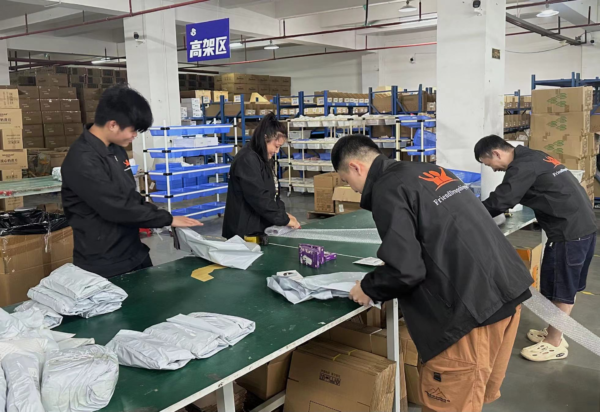
Finding one factory is only part of the job. Ecommerce brands often need ingredient coordination, several manufacturers, printed labels, cartons, inspections, storage, Shopify order syncing, and international shipping. Those pieces tend to bump into each other.
FriendDropshipping can support the operational workflow through Sourcing and Fulfillment, Customization and Private Pack, Quality Control, and Supplement Fulfillment.
That model can be useful when:
-
You are launching several supplement SKUs
-
You do not have a Chinese sourcing or QC team
-
Different factories make different dosage forms
-
Product and custom packaging come from separate suppliers
-
You need inventory inspection before fulfillment
-
You want batch, lot, and expiry information managed in the warehouse
-
You need sensitive-product shipping routes
-
Your Shopify store is moving from testing into stocked fulfillment
FriendDropshipping does not replace the brand’s legal or regulatory responsibilities. No sourcing company can guarantee that a formula is legal in every destination. The practical value is coordination: helping compare factories, request documents, arrange samples, manage packaging, inspect physical goods, store inventory, and fulfill orders in one connected workflow.
For a broader view of supplier models, read the Supplement Dropshipping Supplier Guide and the comparison of 3PL vs end-to-end sourcing partners.
A 30-Day Plan to Shortlist a Supplement Manufacturer in China
This schedule is for supplier qualification, not full custom product development. Complex formulas will take longer.
|
Days
|
Action
|
Output
|
|
1-3
|
Define market, formula, format, quality, packaging, MOQ, and target cost
|
One-page product brief
|
|
4-8
|
Find 8-12 factories through referrals, trade shows, directories, platforms, and sourcing partners
|
Supplier longlist
|
|
9-13
|
Verify legal entities, sites, certificates, COAs, specifications, and export experience
|
3-5 qualified candidates
|
|
14-18
|
Hold calls with sales and quality staff; discuss testing, stability, MOQ, and timing
|
Written technical comparison
|
|
19-23
|
Review samples with the same scorecard
|
Ranked sample results
|
|
24-27
|
Audit leading sites and normalize landed costs
|
Final commercial comparison
|
|
28-30
|
Agree specifications, testing, inspection, payment, and change control
|
Pilot supplier selected
|
Final Checklist for Choosing a China Supplement Manufacturer
Before placing the first commercial order, confirm the following:
-
The target market and product classification are clear
-
The formula and serving amounts are written and version controlled
-
The legal company and factory have been verified
-
The actual manufacturing site is identified
-
Relevant licenses and certificates are current and in scope
-
FDA registration has not been confused with FDA approval
-
Raw-material and finished-product specifications are approved
-
A batch-specific COA format is agreed
-
Independent testing requirements are written down
-
Samples match the intended commercial product
-
Stability and shelf-life support are reasonable
-
Packaging protects the formula during storage and shipping
-
Label and claims have been reviewed for the target market
-
MOQ, price tiers, lead time, and landed cost are understood
-
Subcontracting and supplier changes require approval
-
Inspection and nonconforming-goods remedies are agreed
-
Lot, expiry, complaint, and recall processes are workable
-
Payment goes to a verified and contractually connected entity
-
A pilot batch will be checked before a large scale-up
-
The warehouse and fulfillment process can preserve traceability
Conclusion: The Best China Supplement Factory Is the One You Can Verify
Choosing a supplement manufacturer in China is not about collecting the most certificates or squeezing another five cents from a capsule bottle. It is about building a chain of evidence.
Start with a precise product brief. Verify who owns and operates the factory. Match certificates to the legal entity, address, and scope. Review specifications and batch documents. Test real production. Audit the process. Compare landed cost, not one attractive number in a quotation. Then protect the agreement with clear quality, change-control, and remedy terms.
For a startup, a stock formula and an end-to-end sourcing workflow may be the sensible first move. For a mature brand with one stable hero SKU, direct factory purchasing and 3PL fulfillment can lower costs. Neither route is universally better. The right choice depends on your volume, product range, technical knowledge, and ability to manage factories from a distance.
One last thought: a good manufacturer will not always say yes. Sometimes the best answer you can hear is, “That dosage will not fit,” “This ingredient needs more testing,” or “That deadline is unrealistic.” Honest friction is much cheaper than a smooth disaster.
FAQs About Choosing a Supplement Manufacturer in China
1. How do I find a reliable supplement manufacturer in China?
Start with referrals, trade shows, industry directories, sourcing partners, and established B2B platforms. Then verify the Chinese legal entity, factory address, licenses, certificates, product scope, technical staff, samples, test records, and export history. Finding a name is easy. Qualification is the real work.
2. What is the best supplement manufacturer in China?
There is no single best manufacturer for every brand. The right factory depends on dosage form, formula, target market, MOQ, test requirements, packaging, lead time, and budget. A strong capsule factory may not be the right gummy or probiotic manufacturer.
3. How can I tell if a Chinese supplement supplier is a factory or trading company?
Check its Chinese business license and registered scope, confirm the factory address, request a live tour, audit the site, and ask technical staff to join a call. Also ask which legal entity appears on production records, COAs, invoices, and export documents.
4. What certifications should a Chinese supplement manufacturer have?
The required evidence depends on the target market and product. Common items include relevant Chinese manufacturing licenses, a suitable GMP system, food-safety systems such as HACCP or ISO 22000, and market-specific facility registrations. Halal, Kosher, organic, NSF, or USP programs may matter for certain products or buyers. Always verify scope and current status.
5. Are supplements made in China FDA approved?
Dietary supplements are not generally approved by the FDA before sale in the United States. A foreign facility may need FDA food facility registration, but registration does not mean FDA approval or endorsement. The product and importer still need to meet applicable U.S. requirements.
6. What is the MOQ for private label supplements in China?
MOQ varies widely. Stock formulas with standard packaging may allow relatively small runs, while custom gummies, softgels, packaging, or formulas may require thousands of units. Ask what drives the MOQ and request pricing at several quantities.
7. How much does it cost to manufacture supplements in China?
Cost depends on formula, dosage, serving count, ingredient grade, testing, packaging, order volume, and freight. Compare landed cost per sellable unit. Include development, lab testing, molds, labels, cartons, inspection, shipping, customs, storage, defects, and fulfillment.
8. How long does private label supplement manufacturing take in China?
A stock formula with a simple label can move faster than a custom product. Fully custom development may take several months after formulation, sampling, testing, packaging, and production scheduling. Ask the supplier to separate each stage rather than offering one vague lead time.
9. Should I use an OEM or ODM supplement manufacturer in China?
Choose ODM or white label when speed, lower development cost, and a proven base formula matter most. Choose OEM when you have a clear specification and need stronger differentiation. Many young brands begin with ODM, validate demand, and move to a custom OEM formula later.
10. Do I need independent lab testing if the factory provides a COA?
Independent testing is wise for initial qualification, first production, higher-risk ingredients, and periodic verification. A factory COA is part of the quality record, but independent testing helps confirm identity, potency, and contaminants using a separate laboratory and controlled sample.
11. Can a China manufacturer create my custom supplement formula?
Yes, many OEM manufacturers provide formulation support. Clarify who owns the final formula, whether the factory may sell it to others, which ingredient sources are approved, how changes are controlled, and what testing supports the formula and shelf life.
12. Can I start with low-MOQ supplements from China?
Yes, especially with stock formulas and standard bottles. Low MOQ becomes harder when you require a new gummy mold, custom flavor, rare ingredient, special bottle, or fully printed packaging. A branded label, insert, or shipping box can create differentiation before a fully custom product is economical.
13. What should be included in a supplement manufacturing contract?
Include the formula, specifications, factory site, packaging, testing, release rules, pricing, payment, lead time, intellectual property, change control, inspection rights, nonconforming-goods remedies, traceability, recall cooperation, and dispute terms. Use qualified legal counsel for the cross-border arrangement.
14. Can a Chinese supplement manufacturer ship directly to my customers?
Some can, but manufacturing and individual order fulfillment are different capabilities. Confirm pick-and-pack accuracy, batch and expiry tracking, Shopify integration, shipping routes for sensitive goods, customs data, returns, and customer delivery times. A dedicated fulfillment partner may be better than asking the production line to behave like a DTC warehouse.
15. Can FriendDropshipping help me source a supplement manufacturer in China?
Yes. FriendDropshipping can help coordinate supplier sourcing, samples, private label packaging, physical quality checks, warehousing, Shopify fulfillment, and international shipping. Product legality, formula safety, claims, and market compliance should still be reviewed with qualified laboratories and regulatory professionals.
Want to get the best price from the manufacturer? Fulfill your orders fast and stable?

I’m Cassiel, assist you grow your Shopify business rapidly, start with your order fulfillment quickly now.
Join to newsletter.
Follow us and get more knowledge.