Dropshipping Fulfillment Services From China
Connect store orders to a China-based fulfillment workflow that can receive products, organize SKUs, apply packing rules, dispatch parcels, and return tracking data. FriendDropshipping coordinates the physical work while your brand keeps control of products, presentation, and customer promises.
- One-piece and prestocked workflows
- SKU-specific packing instructions
- Tracking and exception coordination

What Is Dropshipping Fulfillment?
Dropshipping fulfillment is the operational work that starts after a customer places an order: receiving the order data, allocating the correct SKU, picking the item, packing it to an agreed rule, selecting a shipping route, dispatching the parcel, and returning tracking information.
Traditional supplier-direct dropshipping leaves each factory to pack and ship its own item. That can work for a simple catalog, but it becomes harder when an order contains products from several suppliers, branded inserts, bundles, or destination-specific shipping rules. A fulfillment partner creates one controlled handoff between suppliers, inventory, packaging, and delivery.
The right setup is not identical for every store. Some brands purchase only after an order arrives. Others keep fast-moving units in a China warehouse. Many use a hybrid: proven SKUs are prestocked, while slower or experimental items are sourced on demand. Our China 3PL fulfillment service explains the bulk-inventory side in more detail.
What Our China Dropshipping Fulfillment Service Includes
The scope is built around the decisions that affect order accuracy, brand presentation, landed cost, and the customer’s delivery experience—not only the moment a label is printed.
 01 · ORDER INTAKE
Store Order and SKU Coordination
Define how orders reach the operation, which product code maps to each variant, and what information is mandatory before release. A controlled SKU map helps prevent size, color, version, and bundle mistakes as the catalog grows.
 02 · RECEIVING
Supplier Consolidation
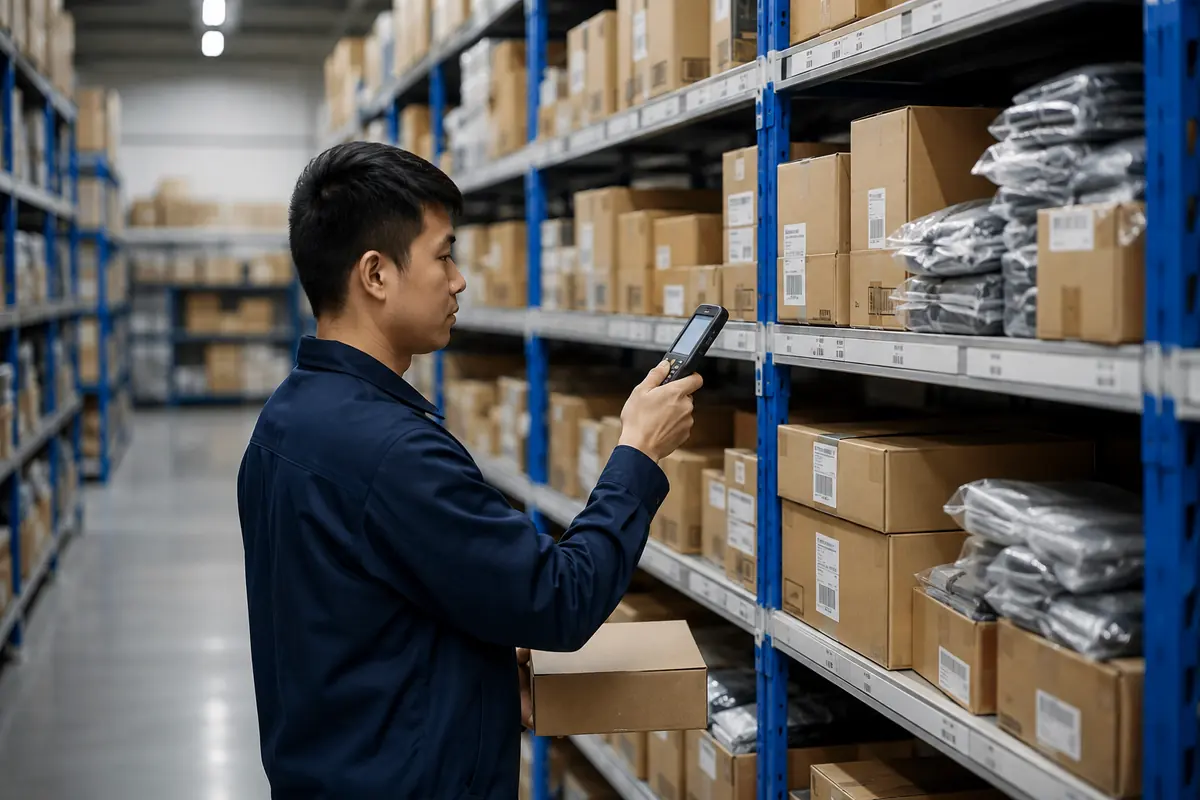
Products from one or several suppliers can be received into one workflow. Counts, visible condition, labels, and purchase references are checked according to the agreed receiving scope before units become available for orders.
 03 · INVENTORY
Storage and Stock Rules
Fast-moving products can be prestocked while long-tail items follow a different replenishment plan. Inventory thresholds, reserved units, and low-stock actions should be documented rather than handled through informal messages.
 04 · PICK & PACK
One-Piece Fulfillment
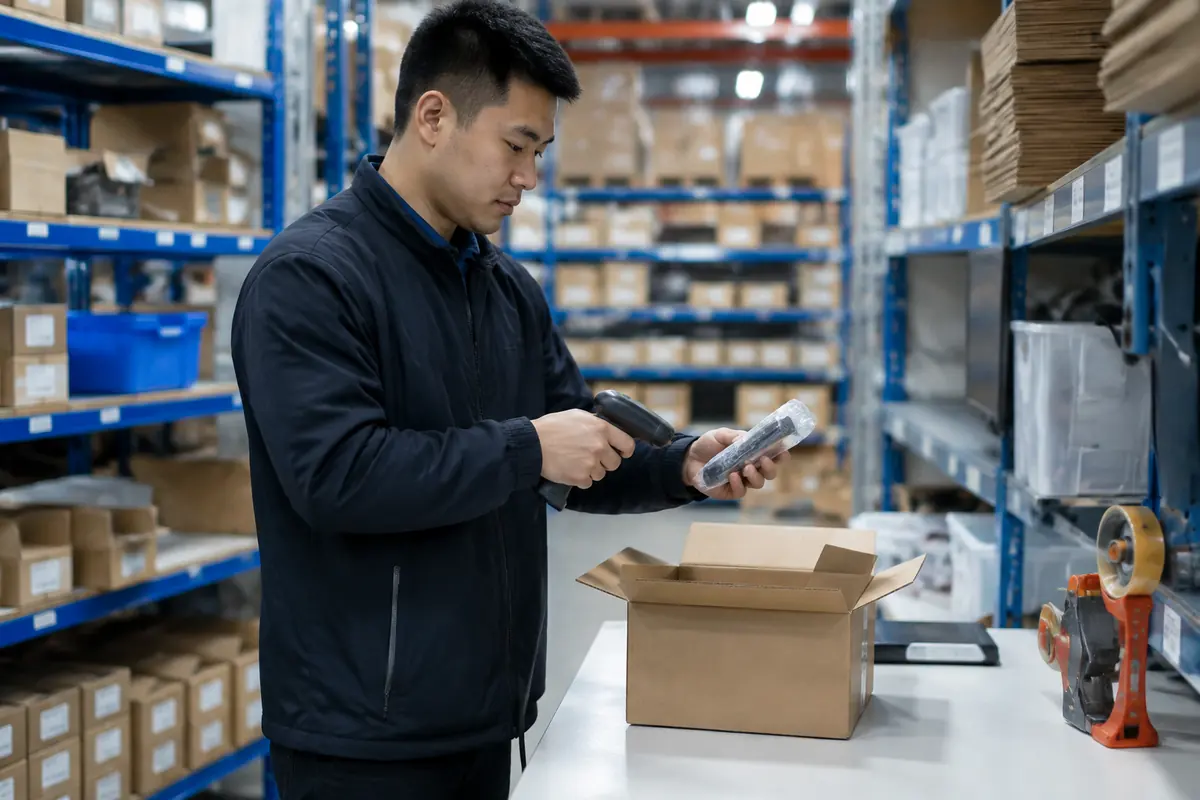
Each customer order becomes a pick list with SKU, quantity, destination, packing rule, and shipping instruction. The operator verifies the items, prepares the parcel, applies the label, and records the release.
 05 · BRANDING
Packaging, Inserts, and Kitting
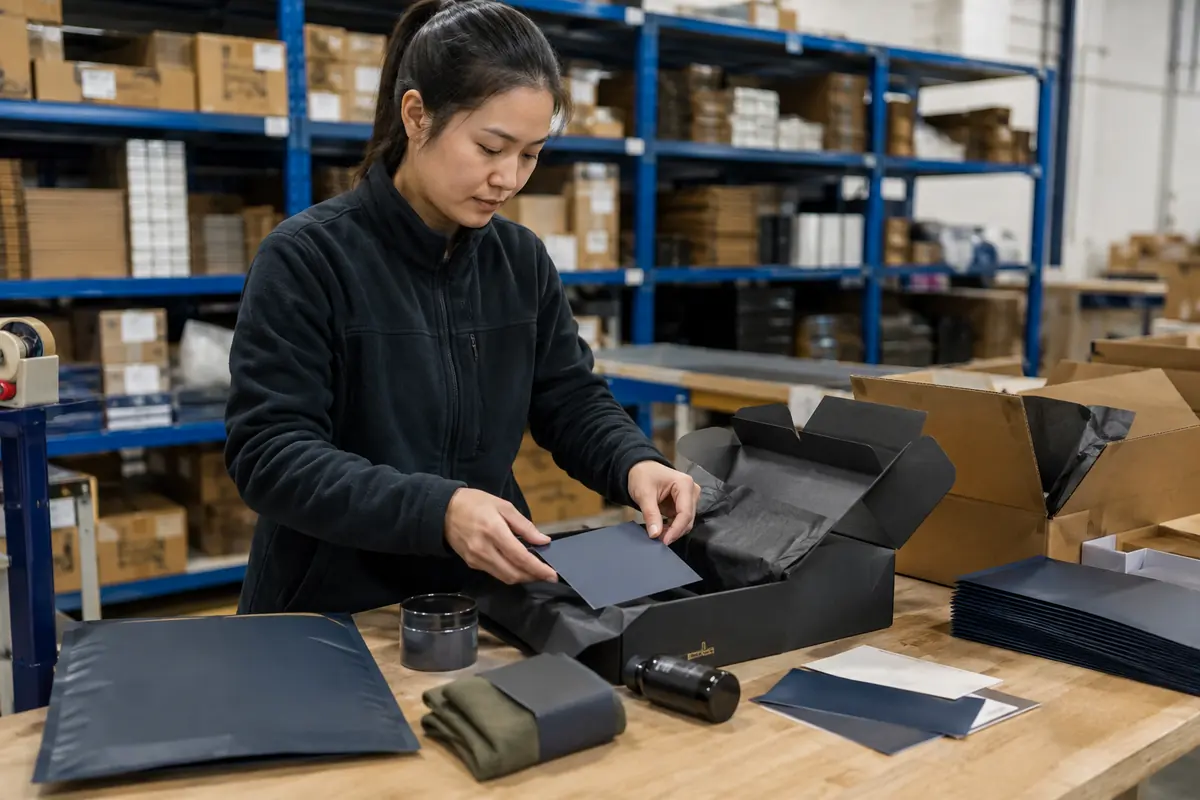
Use mailers, cartons, labels, thank-you cards, instruction sheets, or preassembled kits when the materials and pack-out rule are approved. See our guide to custom packaging for Shopify dropshipping.
 06 · DELIVERY CONTROL
Shipping, Tracking, and Exceptions
Routes are reviewed against destination, parcel profile, product restrictions, required speed, and budget. Tracking data is returned after dispatch, while address problems, failed scans, or carrier exceptions are escalated for a decision.
Dropshipping Fulfillment Models Compared
“Dropshipping” describes how the customer order triggers supply; it does not dictate one inventory model. The best choice depends on demand stability, supplier lead time, customization, and the cost of being out of stock.
Supplier Direct
Best for: a small catalog from one reliable supplier.
The factory ships each order. Setup is simple, but packaging, tracking quality, multi-item orders, and consistency may be difficult to control.
Purchase After Order
Best for: new products with uncertain volume.
The fulfillment team coordinates a purchase when the order is confirmed. This reduces inventory exposure but adds supplier availability and domestic lead time before export.
Prestocked Fulfillment
Best for: validated, repeat-selling SKUs.
Units are available in the warehouse before the order arrives. This improves dispatch readiness, although the merchant carries inventory and replenishment risk.
Hybrid Fulfillment
Best for: stores balancing tests and proven products.
Core SKUs are prestocked; long-tail or new items use an on-demand rule. It supports experimentation without forcing every product into the same inventory policy.

How Our Dropshipping Fulfillment Process Works
Before orders go live, the store, warehouse, packaging, and shipping rules are aligned. After launch, each parcel follows the same checkpoints with exceptions separated from normal flow.
Map products and variants
Share product links, SKUs, variants, bundle logic, supplier information, destinations, and expected order volume. We identify missing identifiers and incompatible rules before setup.
Approve the operating plan
Confirm the inventory model, receiving scope, storage method, packing materials, inspection level, shipping preferences, and the situations that require merchant approval.
Receive and make stock ready
Goods arrive from suppliers, are matched to purchase references, checked to the agreed scope, labeled if needed, and placed into an available or hold status.
Import and validate orders
Order data is reviewed for mapped SKUs, address completeness, product restrictions, requested service, and stock availability. Invalid or unclear orders are held for correction.
Pick, verify, and pack
The operator collects the items, checks variant and quantity, follows the product or channel packing rule, records weight where required, and prepares the shipping label.
Dispatch, track, and resolve
The parcel enters the selected route and tracking is returned. Exceptions such as address failure, restricted goods, damage evidence, or prolonged carrier delay follow an agreed escalation process.
Order Sync and SKU Rules for Dropshipping Fulfillment
Fast warehouse work is not useful if the input is ambiguous. Every sellable variant should have one stable code, and every code should point to a physical item, its location, packaging rule, weight profile, and any shipping restriction.
The exact connection method depends on your store and operating setup. Orders may be imported through an agreed integration or exchanged through a structured workflow. Regardless of method, the important controls are the same:
- map parent products, variants, bundles, and replacement SKUs;
- define paid, cancelled, edited, duplicated, and hold states;
- validate recipient, address, phone, tax, and destination data;
- record packaging, channel, service, and declared-value rules;
- send tracking back only after the parcel is released.
Important: integration does not remove the need for exception rules. A clear hold-and-approve path is what prevents an unusual order from silently entering normal fulfillment.
Inventory Control Without Forcing Every SKU Into Bulk Stock
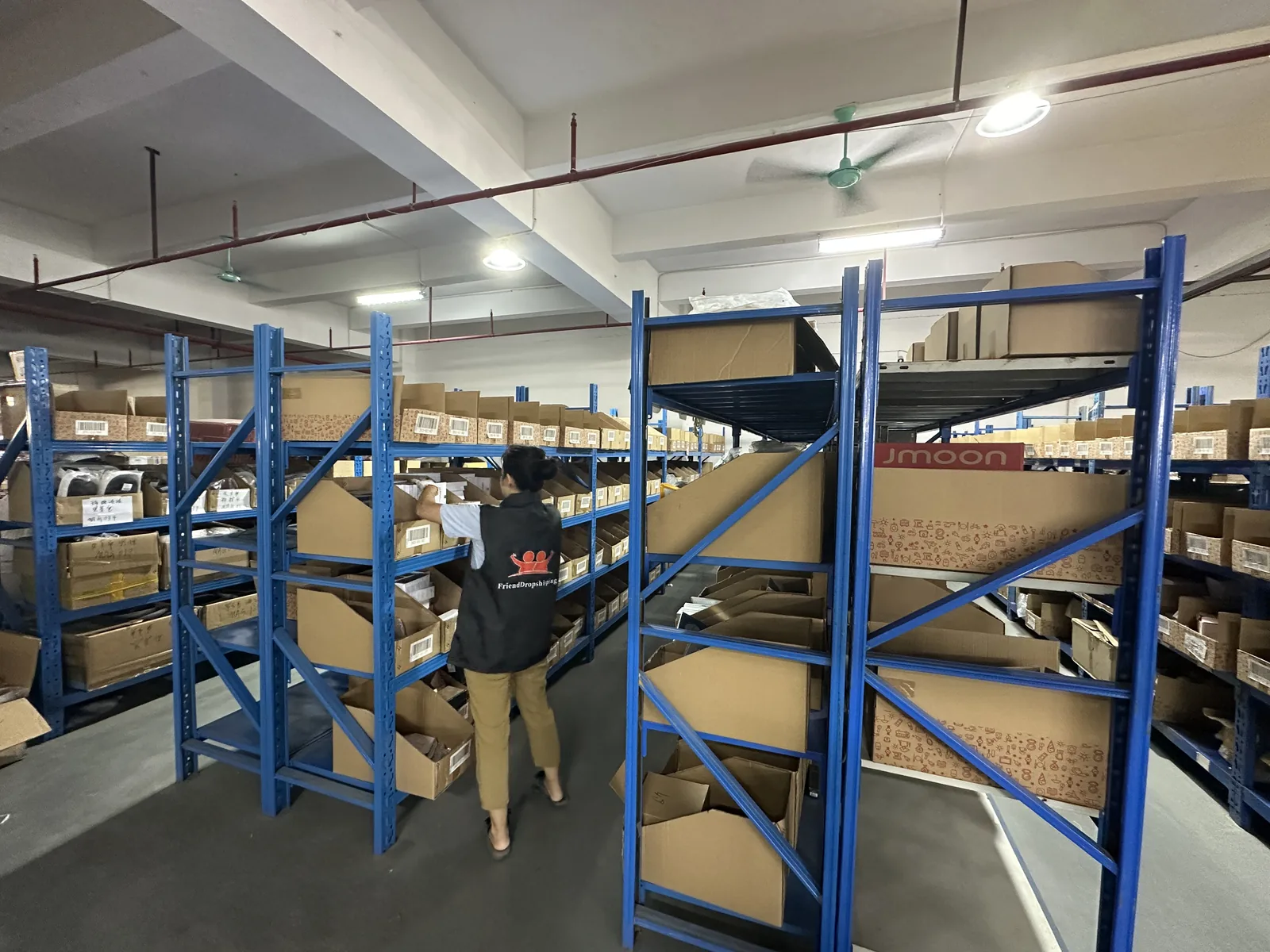
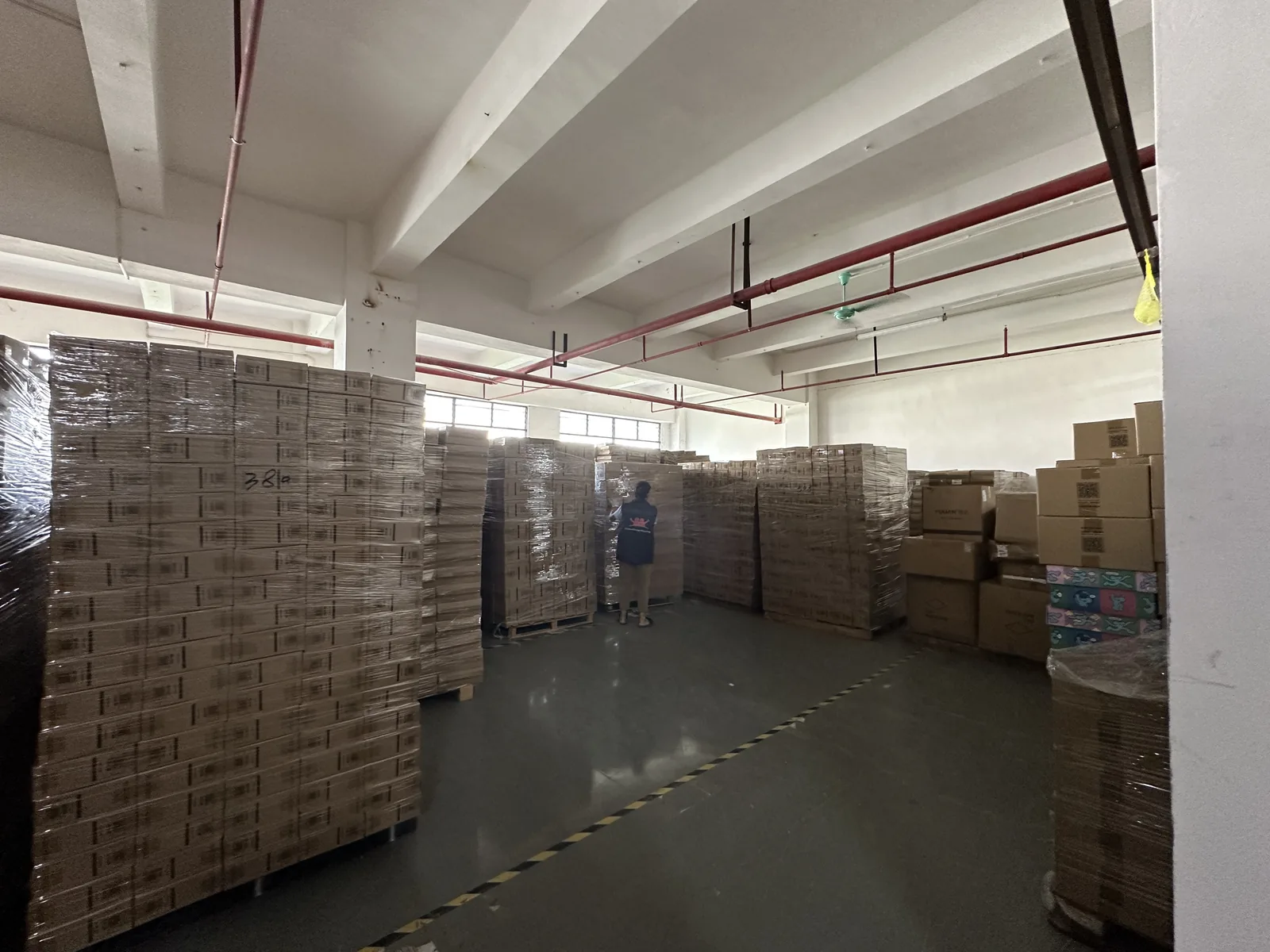
A practical fulfillment plan separates physical quantity from sellable quantity. Units may be received but held for inspection, reserved for open orders, allocated to a bundle, or unavailable because packaging is missing. Treating every carton in the building as available stock creates overselling risk.
For validated products, prestocking can reduce the time between order approval and export dispatch. For uncertain products, smaller test quantities or purchase-after-order may protect cash. Reorder points should consider supplier lead time, domestic delivery, receiving work, demand variation, and any seasonal closure—not only recent daily sales.
For receiving and product checks, review our quality control service before defining what “available” should mean for your products.
Branded Packaging and Kitting for Dropshipping Orders
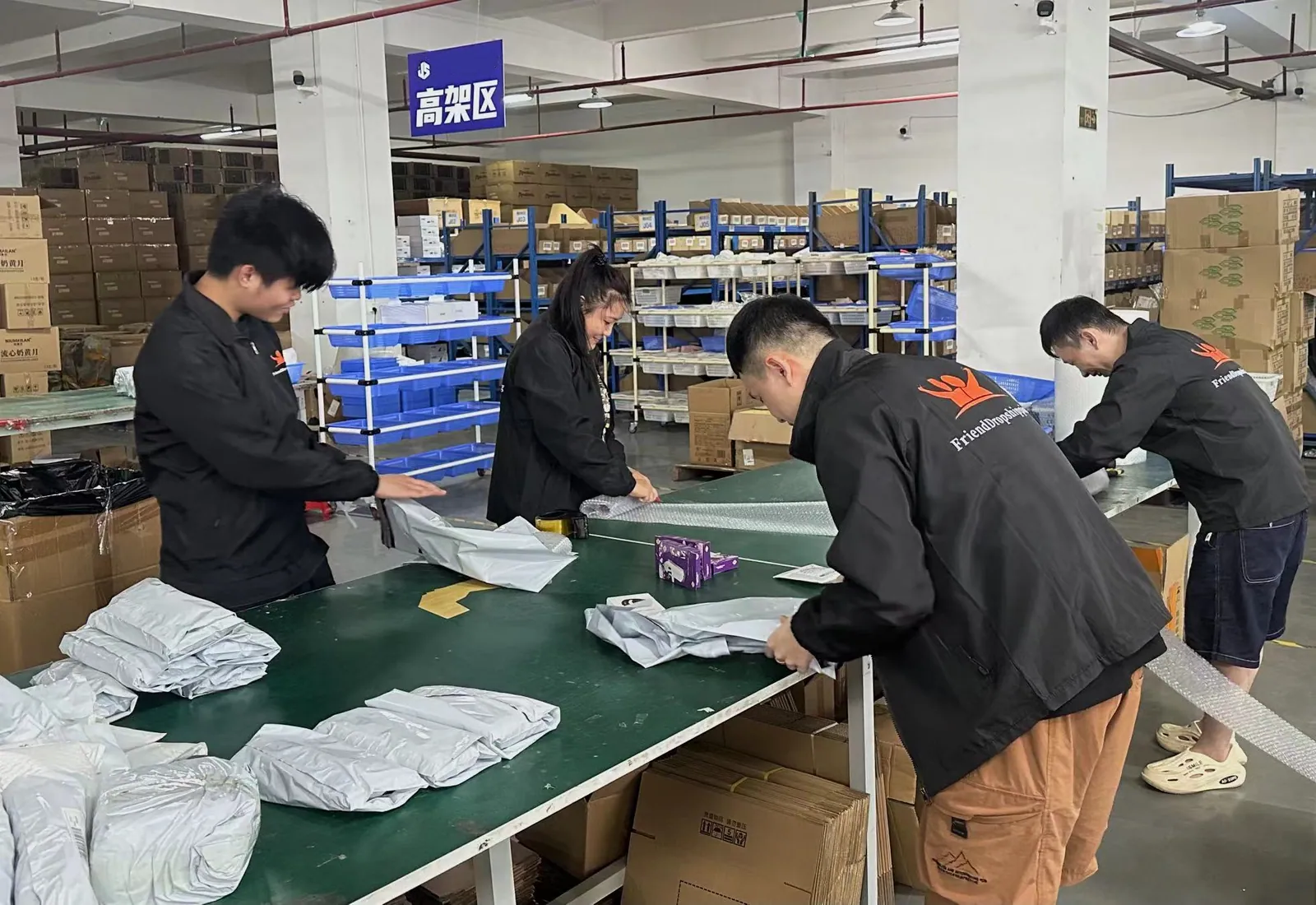
Branding can improve the unboxing experience, but it also adds materials, versions, assembly steps, storage, and replenishment risk. Start with a pack-out specification: which mailer or carton applies, where labels are placed, which insert matches the destination or product, and what happens when a branded component is unavailable.
Multi-SKU kits need a bill of materials and version control. A “starter kit” may contain three sellable products, an instruction card, and one outer box; each component must be present before the finished kit can be released. Pre-kitting can improve repeatability, while on-demand kitting can reduce finished-goods inventory. The better option depends on volume and how often the kit changes.
- approve physical samples, dielines, print color, and finish;
- define item orientation, protective material, and seal method;
- control old and new artwork during a version change;
- set a fallback rule instead of making substitutions informally.
Worldwide Dropshipping Shipping and Tracking
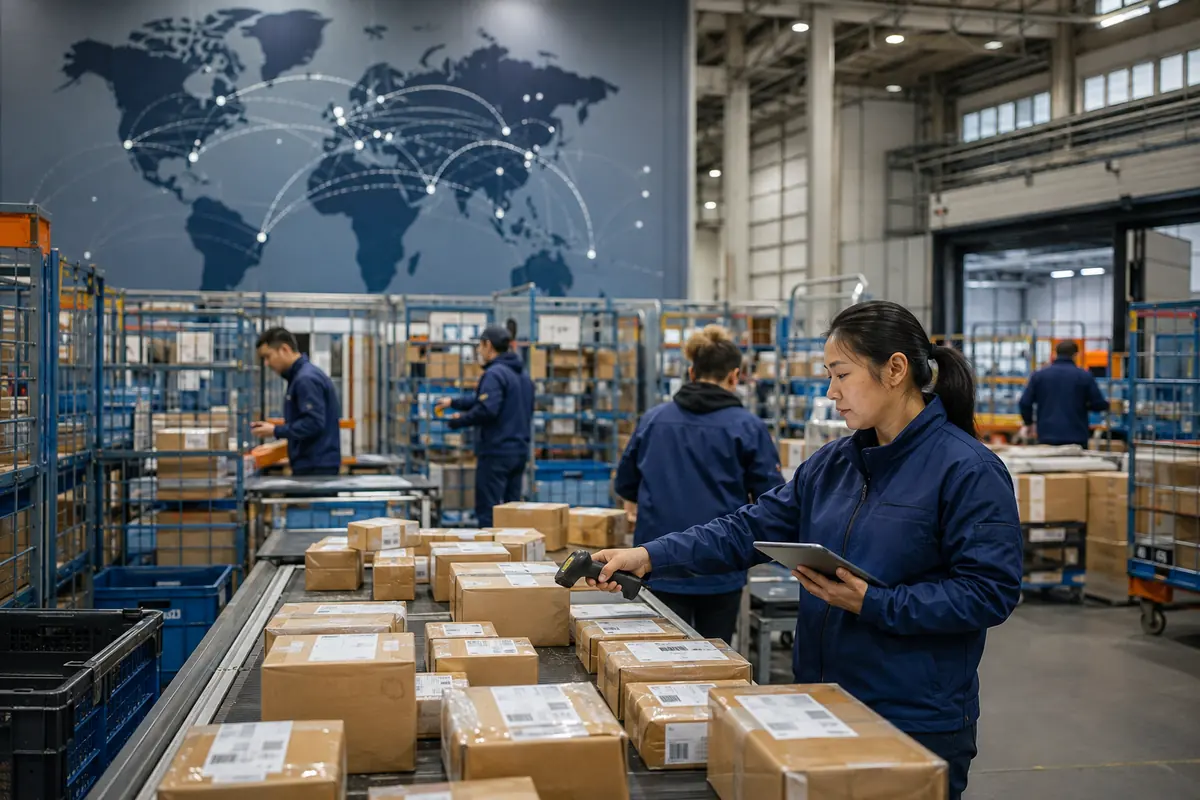
Route selection should start with destination, parcel weight and dimensions, product type, customs requirements, delivery objective, and budget. The cheapest line is not always suitable, and the fastest advertised line may not accept every product.
Postal and economy routes
Useful when price sensitivity is high and the product is eligible. Tracking depth, delivery variation, size limits, and destination coverage should be checked before assigning the route.
Review: scan events, delivery window, limits, and claims process.Dedicated ecommerce lines
Designed around cross-border parcel flow and often balanced for cost and visibility. Availability depends on country, product attributes, weight band, and current carrier rules.
Review: handoff network, address format, taxes, and peak-season capacity.Express and urgent options
Appropriate for higher-value or time-sensitive orders when the economics work. Dimensional weight, remote-area charges, customs paperwork, and restricted items can materially change the quote.
Review: billable weight, surcharge exposure, and consignee requirements.Explore the broader shipping solutions from China, or use this guide to understand how brands can reduce dropshipping shipping time without setting an unrealistic promise.
Dropshipping Fulfillment Responsibility Matrix
The cleanest operation states who supplies the data, who performs the physical work, what evidence is recorded, and who decides when the normal rule cannot be followed.
| Control point | Merchant supplies or approves | Fulfillment team coordinates | Evidence or output |
|---|---|---|---|
| Product setup | SKU names, variants, product claims, restrictions, destination markets | Physical identification, location, weight profile, operational questions | Approved SKU and rule map |
| Receiving | Purchase reference and expected quantity | Count, visible condition, labeling, status, and discrepancy escalation | Received, hold, or discrepancy record |
| Packaging | Artwork, materials, presentation, substitutions, and fallback | Pack-out instruction, component allocation, assembly, and release | Approved sample or documented rule |
| Shipping | Service objective, budget, declared information, and customer promise | Eligibility review, label, dispatch, tracking, and carrier escalation | Shipment and tracking record |
| Exceptions | Refund, reship, replacement, customer communication, and risk decisions | Hold the order, collect evidence, explain options, and execute approval | Decision history and resolution |
The exact evidence available varies by product, supplier, carrier, destination, and the service scope agreed before launch.
Products We Can Evaluate for Dropshipping Fulfillment
Suitability is reviewed by product attributes and destination requirements. A category label alone does not confirm that a product can use a particular shipping line.
Home and lifestyle
Dimensions, breakage, set components, food-contact questions, protective packaging, and carton efficiency.
Beauty tools and accessories
Materials, hygiene, labeling, product claims, liquids or batteries, and market-specific documentation.
Consumer electronics
Voltage, plug, battery type, component version, functions, test evidence, and dangerous-goods routing.
Pet and outdoor products
Materials, durability, load, sizing, warnings, washability, weather exposure, and shipping dimensions.
Fashion and soft goods
Size chart, color, fabric composition, stitching, labeling, folding, polybag rules, and returns exposure.
Bundles and subscription kits
Bill of materials, component substitutions, version control, assembly sequence, inserts, and replenishment.
If the product is still being identified or negotiated, the Yiwu sourcing service may be the more useful starting point.

What Determines Dropshipping Fulfillment Cost?
There is no responsible flat price without the product, order, packaging, and destination data. Compare quotes at the same scope and separate one-time setup from per-order and pass-through costs.
Compare the total cost per delivered order
Unit price alone can hide domestic freight, receiving, storage, packaging, pick-and-pack work, dimensional weight, surcharges, and exception handling.
- Product supplyPurchase price, supplier MOQ, sampling, customization, and domestic freight to the warehouse.
- Receiving and QCNumber of deliveries, cartons, units, SKU complexity, labeling, count method, and inspection scope.
- StorageOccupied space, product handling needs, turnover, packaging materials, and aged inventory.
- Pick and packItems per order, bundle assembly, inserts, protective materials, weighing, and special instructions.
- International shippingDestination, actual and dimensional weight, service, product eligibility, fuel or remote surcharges, and customs model.
- Exceptions and returnsAddress correction, repacking, reshipment, returned parcel handling, evidence, and disposal or restocking decisions.
When Should a Dropshipping Store Prestock Inventory?
Prestocking is useful when the operational benefit is larger than the cash and obsolescence risk. It is usually a SKU-level decision, not a rule for the entire store.
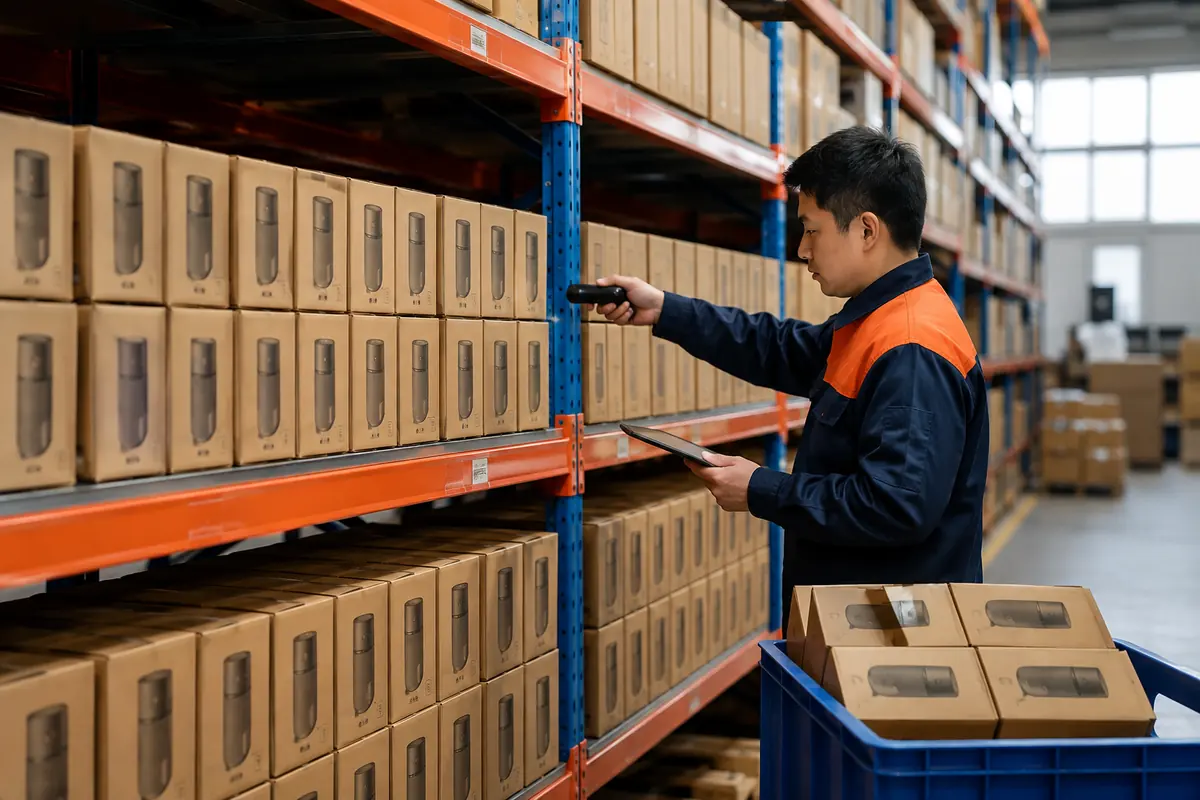 SIGNAL 01
Demand is repeatable
The product has enough consistent sales history to estimate a replenishment cycle. One viral week is not the same as stable demand.
 SIGNAL 02
Supplier delay hurts delivery
Domestic purchase and receiving time materially delay the customer order, or supplier availability changes too often for order-by-order purchasing.
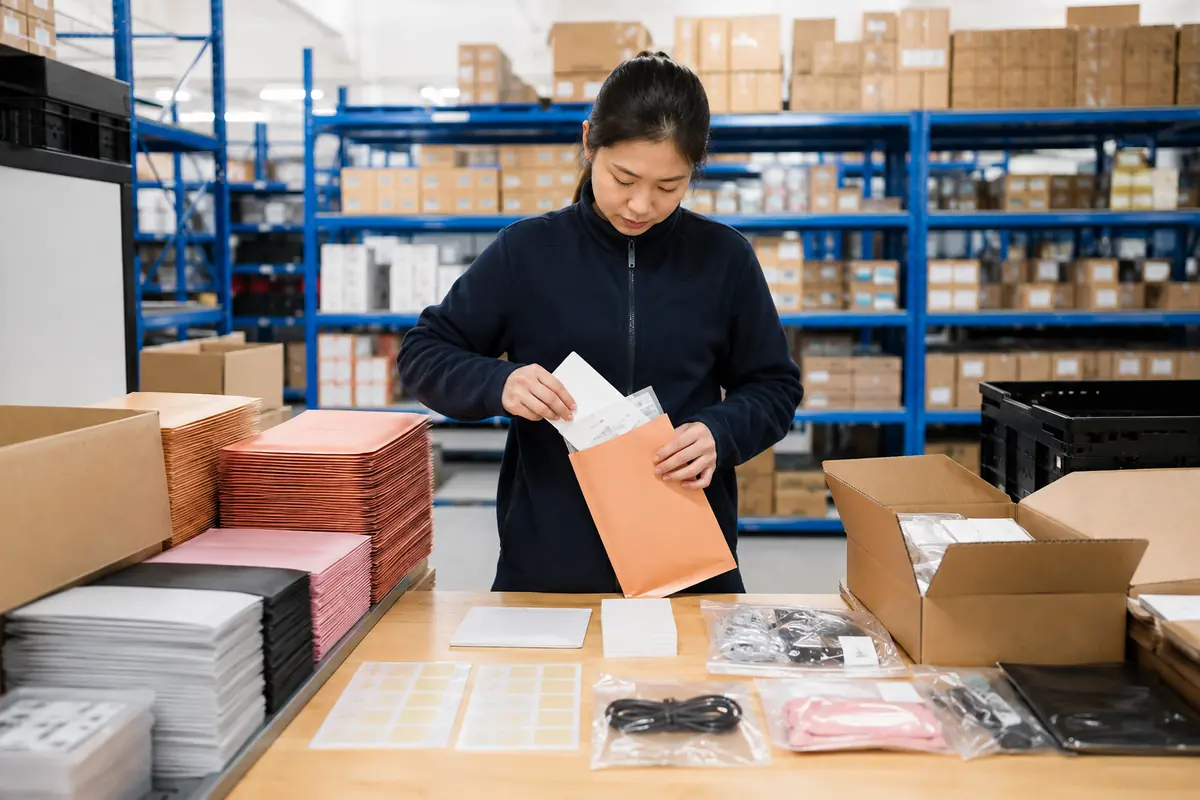 SIGNAL 03
Branding needs preparation
Custom packaging, labels, kits, or inspection work can be prepared in advance and applied more consistently from available stock.
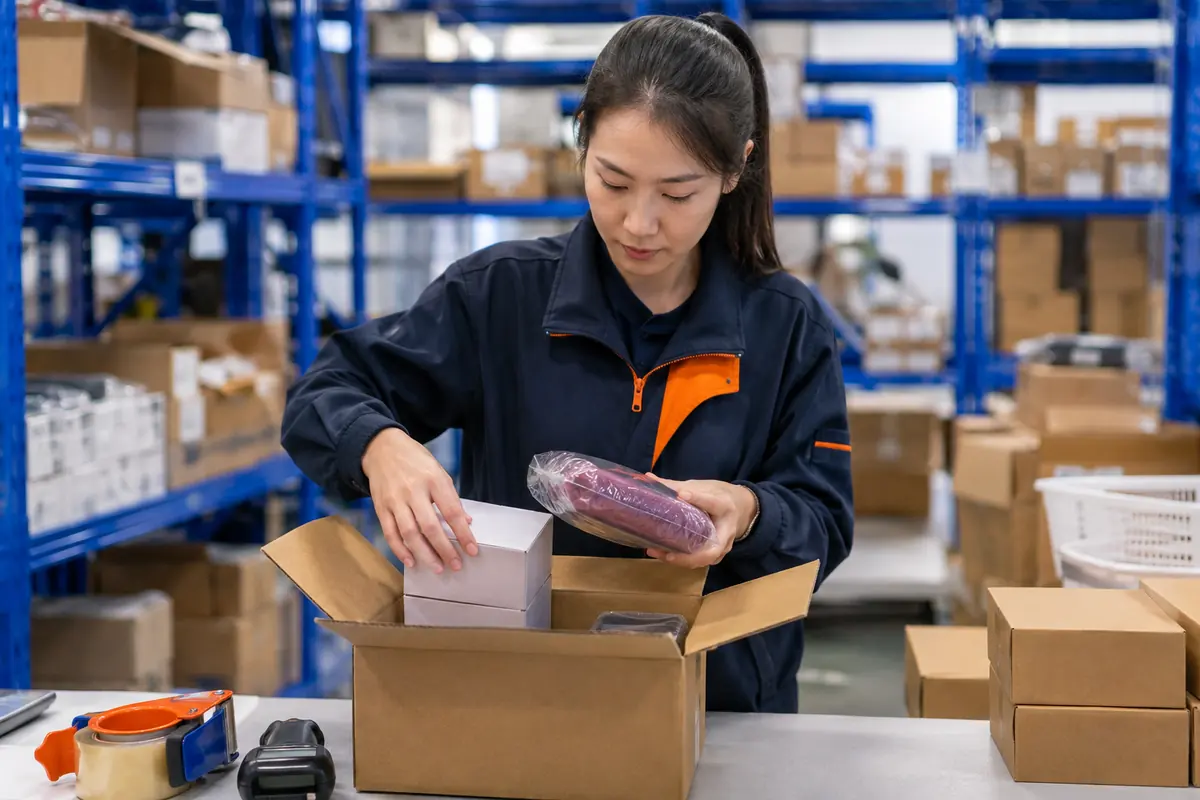 SIGNAL 04
Combined orders matter
Customers frequently buy multiple products, making consolidation into one controlled parcel valuable for presentation and shipping economics.
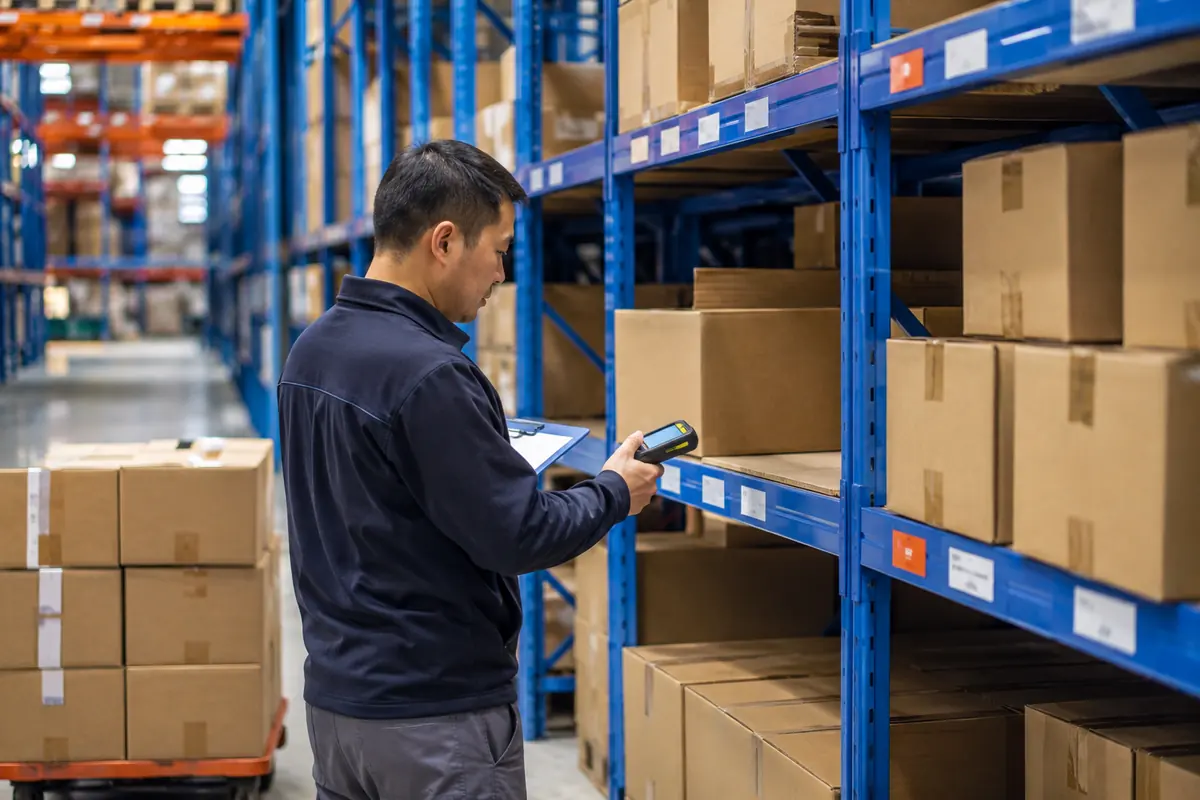 SIGNAL 05
Stockouts can be managed
You have reorder points, demand visibility, and a plan for slow, damaged, obsolete, or version-changed units.
 KEEP TESTING WHEN
The SKU is still uncertain
Continue with smaller or on-demand quantities when conversion, return rate, quality, compliance, or long-term demand is not yet understood.
For a broader model comparison, read the guide to China 3PL companies for ecommerce and dropshipping.
Why Use FriendDropshipping for Dropshipping Fulfillment?
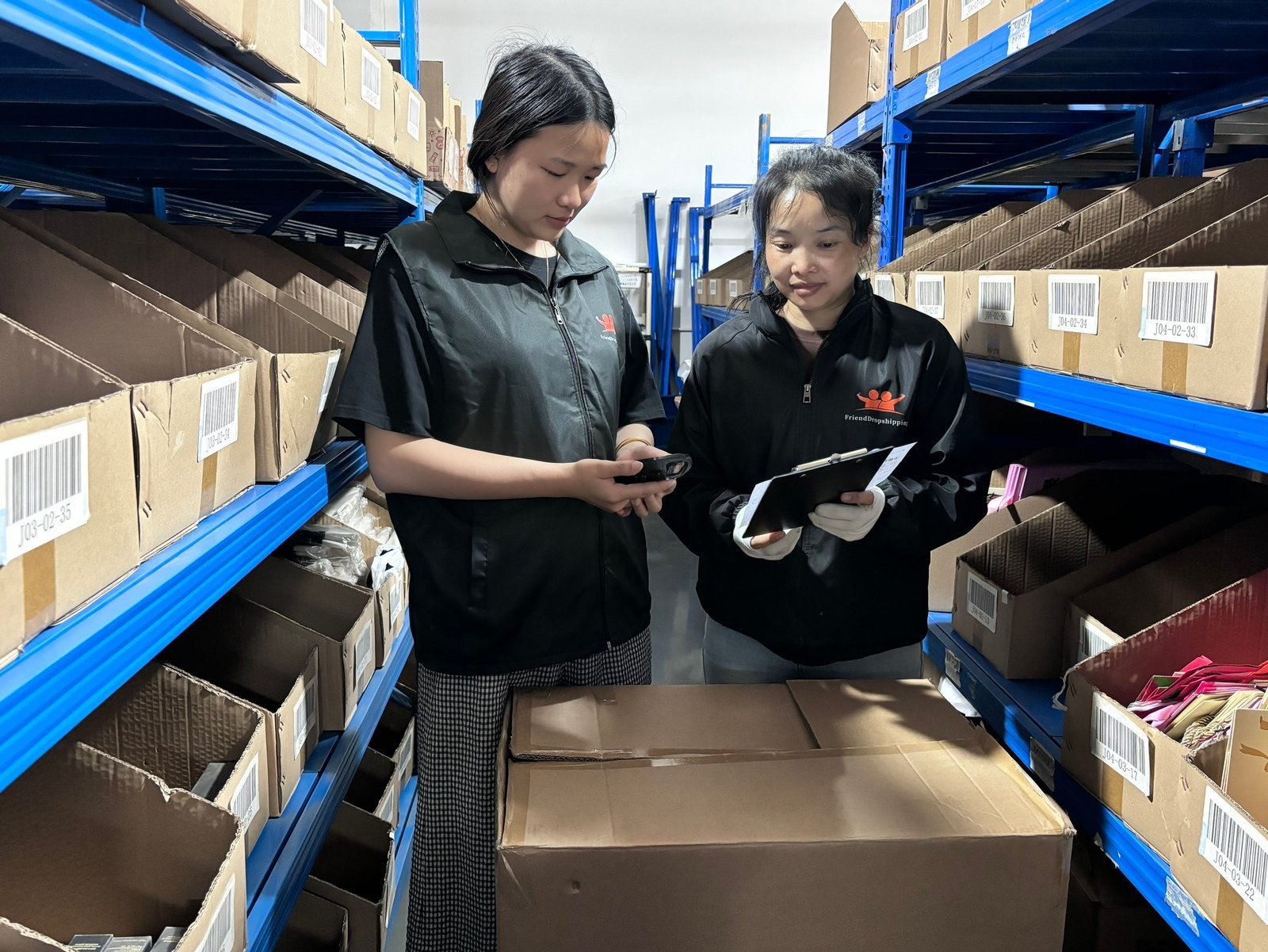
FriendDropshipping connects supplier coordination with warehouse execution. That matters when a product must move from factory communication into receiving, inspection, inventory, packaging, and export without every stage becoming a separate vendor handoff.
We prefer documented requirements and approval checkpoints over vague “best supplier” or “fastest shipping” claims. You decide the product version, commercial terms, brand presentation, destination promise, and how exceptions should be resolved. The operations team coordinates the approved work and returns evidence or questions when the normal flow cannot continue.
Supplier-to-warehouse continuity
Questions found during receiving can be traced back to the purchase and supplier context.
Flexible inventory logic
Use prestocked, on-demand, or hybrid rules according to each SKU’s maturity.
Approval checkpoints
Hold changes, substitutions, and exceptions for a defined merchant decision.
Physical execution
Coordinate SKU identity, packing rules, parcel release, and tracking in one workflow.
Dropshipping Fulfillment FAQ
These answers describe the operating decisions behind a reliable setup. Exact availability, pricing, routes, and lead times depend on the product and destination.
What is a dropshipping fulfillment service?
It is a service that turns customer orders into warehouse and shipping actions. The work can include order intake, product receiving, SKU control, storage, picking, packing, labeling, international dispatch, tracking updates, and exception coordination.
Can you fulfill one order at a time from China?
One-piece fulfillment can be planned when the product, order data, stock method, packaging rule, and shipping route are suitable. The product may be prestocked or purchased under an agreed on-demand workflow; the second option adds supplier availability and domestic lead time.
Do I need to buy inventory in advance?
Not every SKU needs the same policy. New or uncertain products may use small test quantities or purchase-after-order, while validated products can be prestocked for faster release. Many stores use a hybrid model.
Can you connect with Shopify or another ecommerce store?
Order exchange can be planned around the store and operating setup. Before launch, define SKU mapping, order states, cancellations, address validation, stock rules, shipping services, and how tracking is returned. Integration availability should be confirmed for the specific platform and workflow.
Can different suppliers be combined into one parcel?
Products can be received from multiple suppliers and consolidated when they are compatible, correctly identified, available at the same time, and eligible for the chosen route. Consolidation can reduce separate parcels, but it may add waiting time and receiving work.
Can dropshipping orders use custom packaging?
Yes, when the packaging, artwork, dimensions, quantity, storage, replenishment, and pack-out rule are approved. Branded materials should have their own SKU or identifier so the correct version is applied and low stock is visible.
How long does dropshipping fulfillment take?
Fulfillment time depends on whether stock is available, whether the order data is valid, the inspection and packaging scope, cut-off arrangements, and exceptions. International transit is separate and varies by destination, route, customs, product type, and season. Confirm both stages rather than relying on one combined estimate.
How is dropshipping fulfillment priced?
Typical cost components include product supply, domestic freight, receiving, quality checks, labeling, storage, pick and pack, packaging materials, kitting, international shipping, surcharges, and exception handling. A useful quote uses real SKUs, parcels, destinations, and order profiles.
What happens when an item is out of stock?
The agreed rule may hold the order, wait for replenishment, split the shipment, substitute an approved version, or cancel the affected line. Substitution should never be assumed; the merchant should define what can happen and who approves it.
How are returns and failed deliveries handled?
The options depend on the destination, carrier, return address, product value, and condition. Define whether returned parcels are inspected, photographed, restocked, repacked, reshipped, held, or disposed of, and who pays each cost. Customer refunds remain a merchant decision.
What information is needed for a fulfillment quote?
Share product links or specifications, SKU and variant count, dimensions and weight, battery or liquid status, monthly order range, items per order, supplier location, inventory model, packaging needs, top destination countries, required delivery objective, and any store integration requirement.
Build a Dropshipping Fulfillment Plan Around Your Products
Send your main SKUs, monthly order range, supplier locations, packaging requirements, destination countries, and current shipping problem. We can identify the missing decisions and outline a workable receiving, inventory, pick-and-pack, and dispatch flow.
Contact FriendDropshipping