Print on Demand Dropshipping & Fulfillment Services
Turn approved artwork into products made for your customers. FriendDropshipping helps coordinate suitable production partners, samples, quality checks, branded packing and direct-to-customer fulfillment for your print-on-demand project.
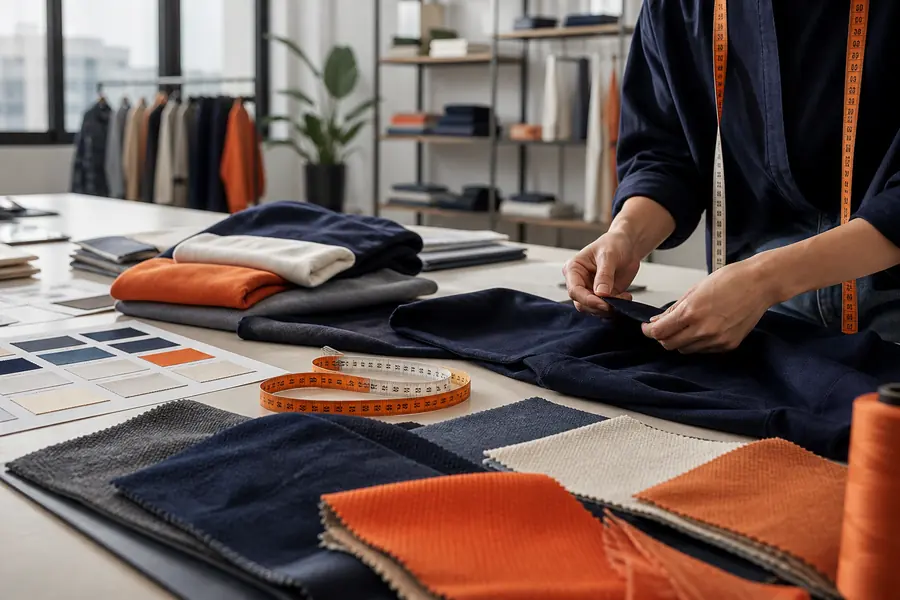
From your design to a finished order, every handoff needs a clear plan.
What Is Print on Demand Dropshipping?
In print-on-demand dropshipping, you list a custom product in your store and the production workflow starts after the customer buys it. You do not need to purchase a finished batch before testing every design. A supplier or print partner prepares the item, and a fulfillment operation arranges packing and shipping to the buyer.
That model works only when the physical product matches the listing. Artwork versions, print placement, fabric or substrate, size, color and customer personalization all need an approved reference. For a broader view of our China-side services, meet FriendDropshipping.
POD does not remove every upfront cost. Samples, design preparation, packaging stock or platform fees may still apply, and production time comes before transit time. We help define those details for the requested product and destination before an order promise is set.
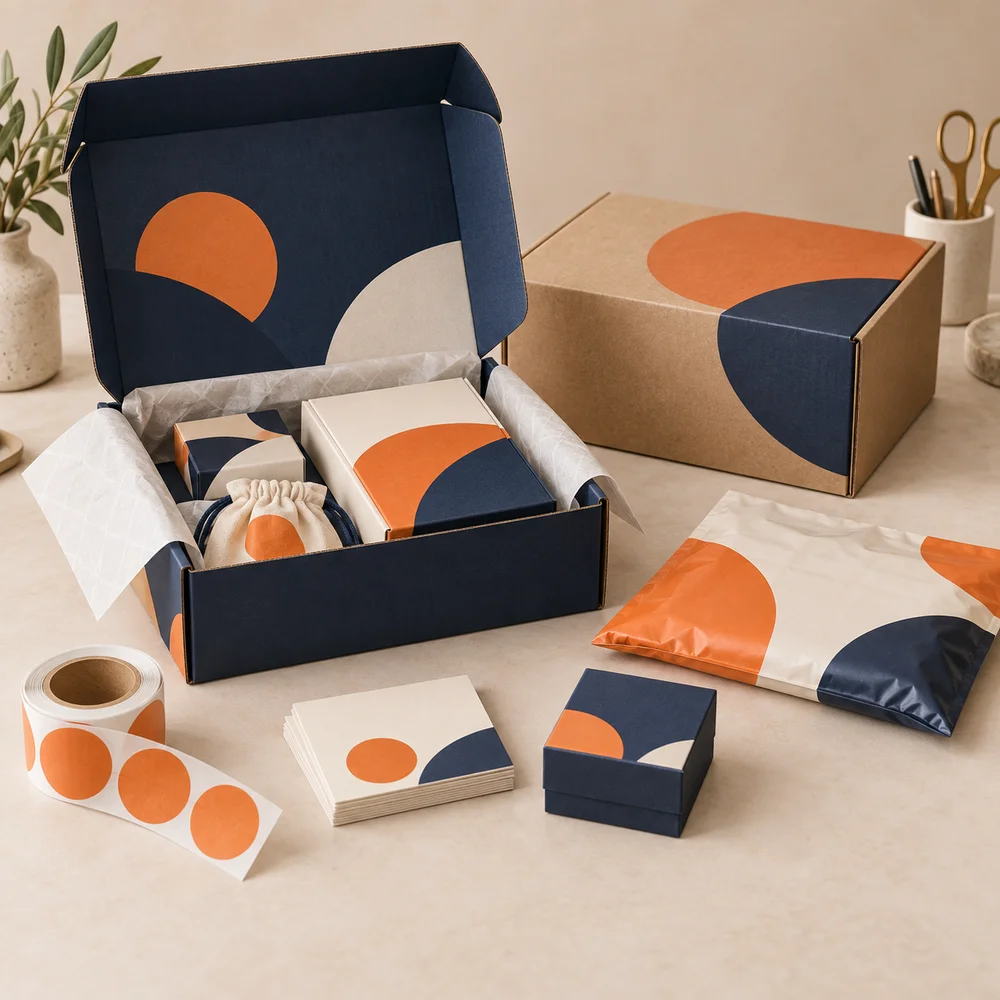
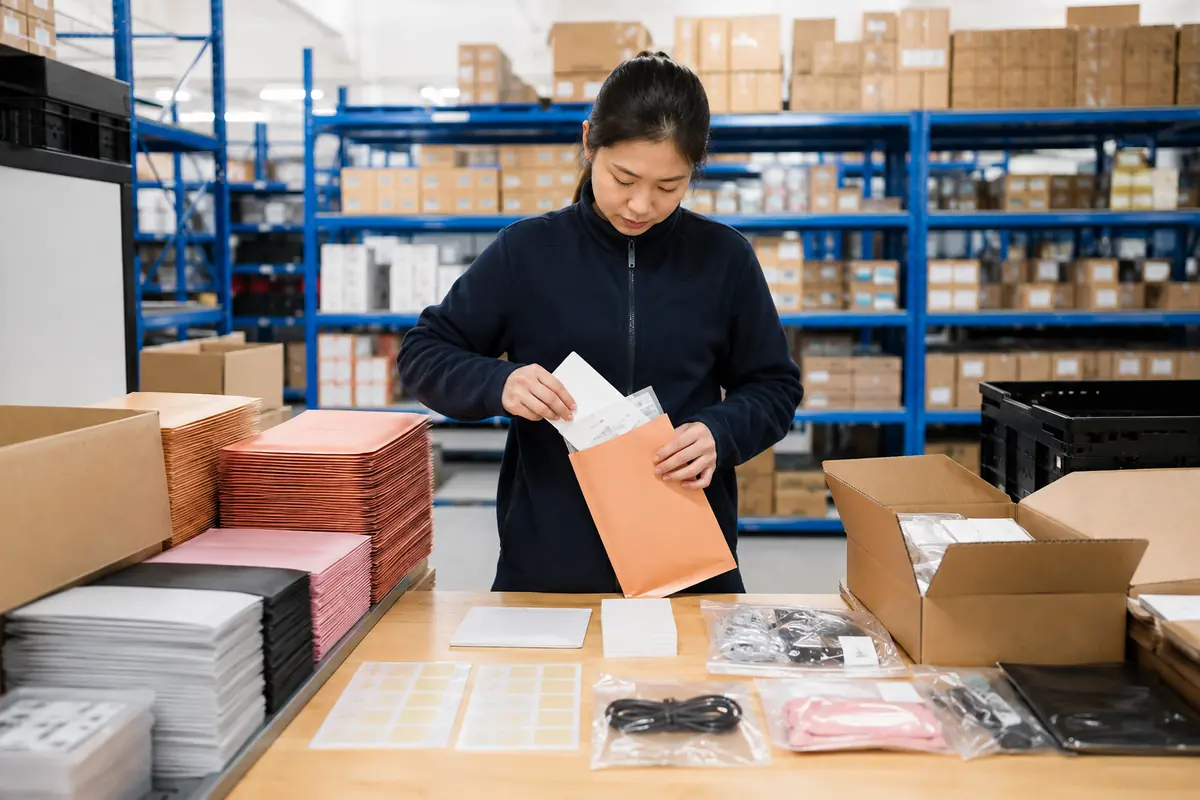
Order instructions and physical pack-out must describe the same product.
Why Choose FriendDropshipping for Print-on-Demand Fulfillment?
A print partner makes the item, but a customer order also needs the right specification, supplier, inventory and delivery plan. We help connect those decisions around the product you want to sell.
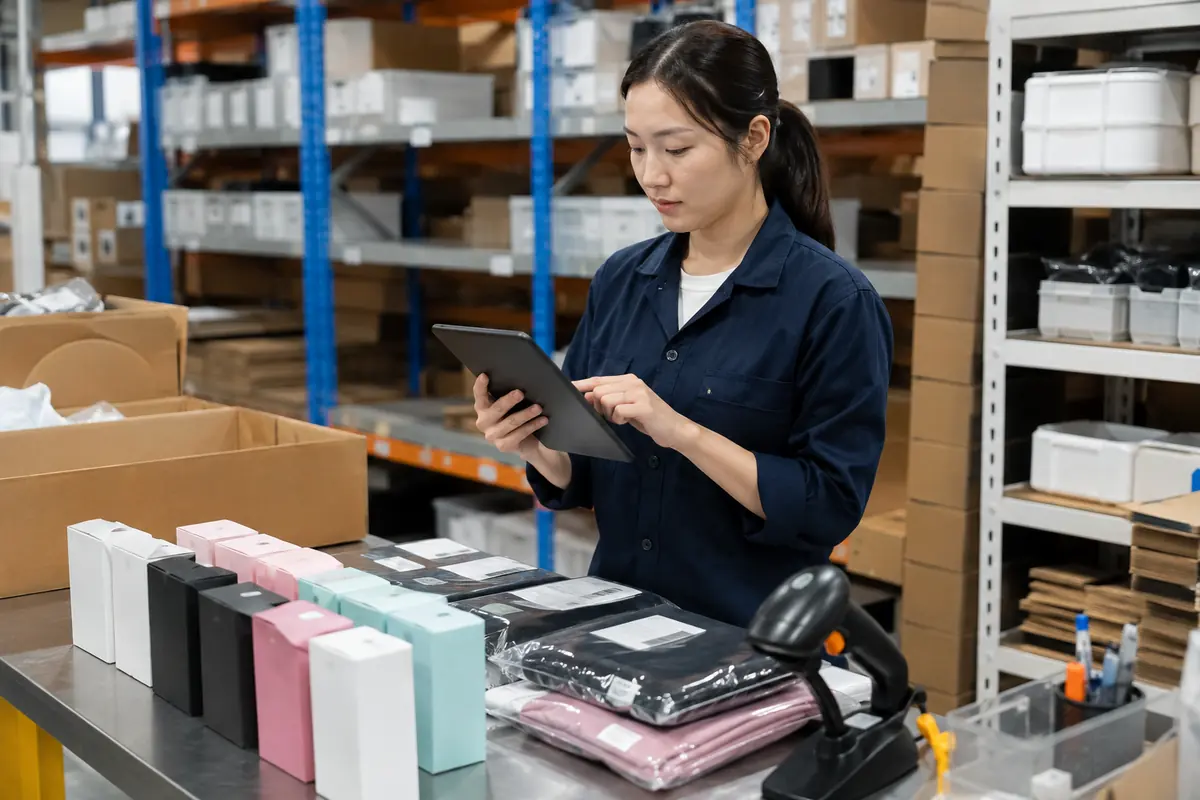
A More Efficient Daily POD Workflow
Clear order fields and handoffs help your store, production partner and fulfillment team work from the same instructions. We can map the required SKU, artwork version, personalization and packing rule before orders go live.
- Reduce manual clarification between teams
- Keep production and order details aligned
- Spot missing information before release

Factory Access and Sourcing Support
We are not limited to a fixed design-upload catalog. Start with the product you need, then compare suitable China-side suppliers, print methods, samples and production terms against your brief.
- Explore custom product sourcing requests
- Coordinate supplier questions and samples
- Confirm feasibility and MOQ by product
More Product Categories to Explore
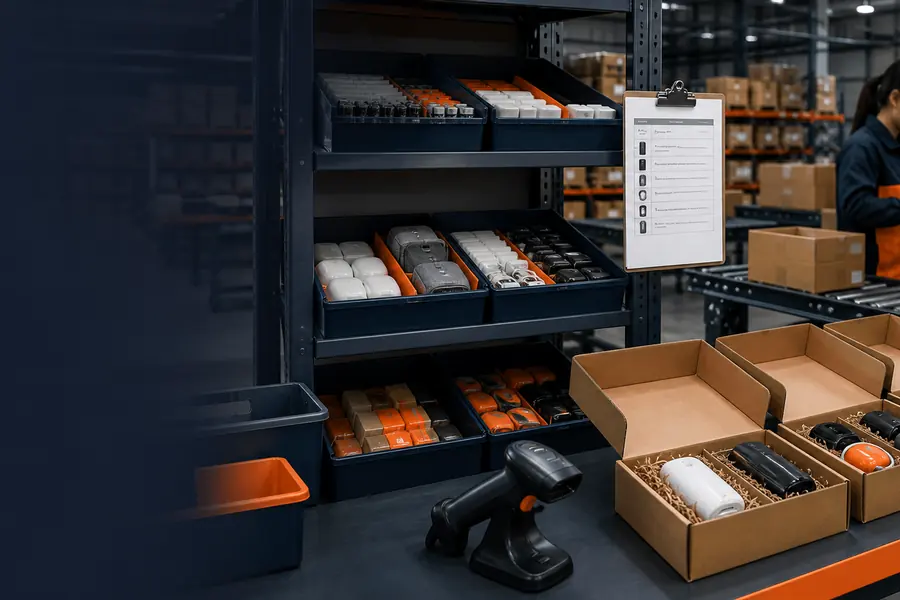
Apparel is only one possible starting point. Depending on the material and decoration method, your collection may include gifts, pet accessories, drinkware or printed brand materials. Each idea still needs a product-specific sample and cost check.
- Test ideas across different niches
- Separate made-to-order items from stocked extras
- Expand a collection after proof of demand
Warehousing and Worldwide Fulfillment
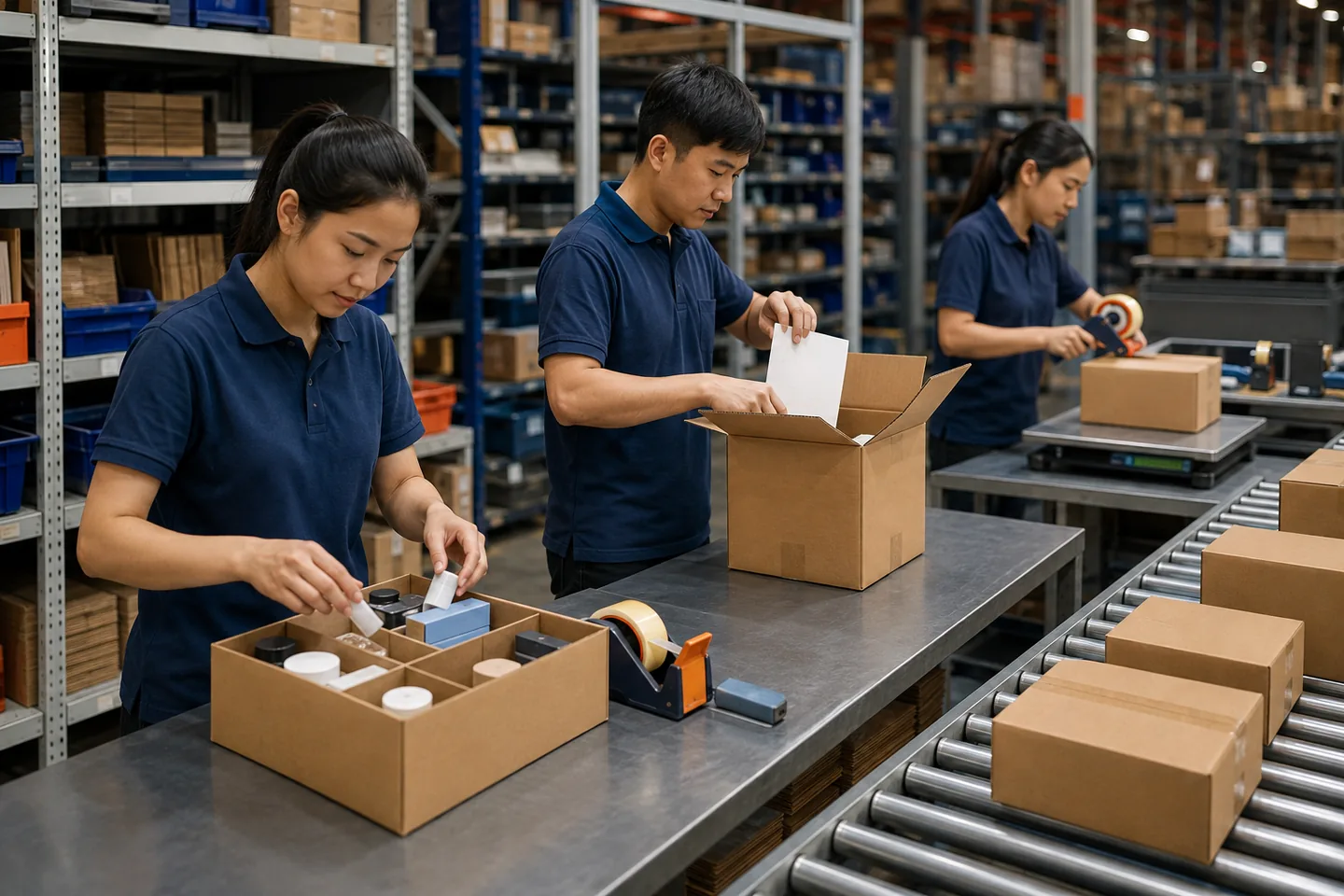
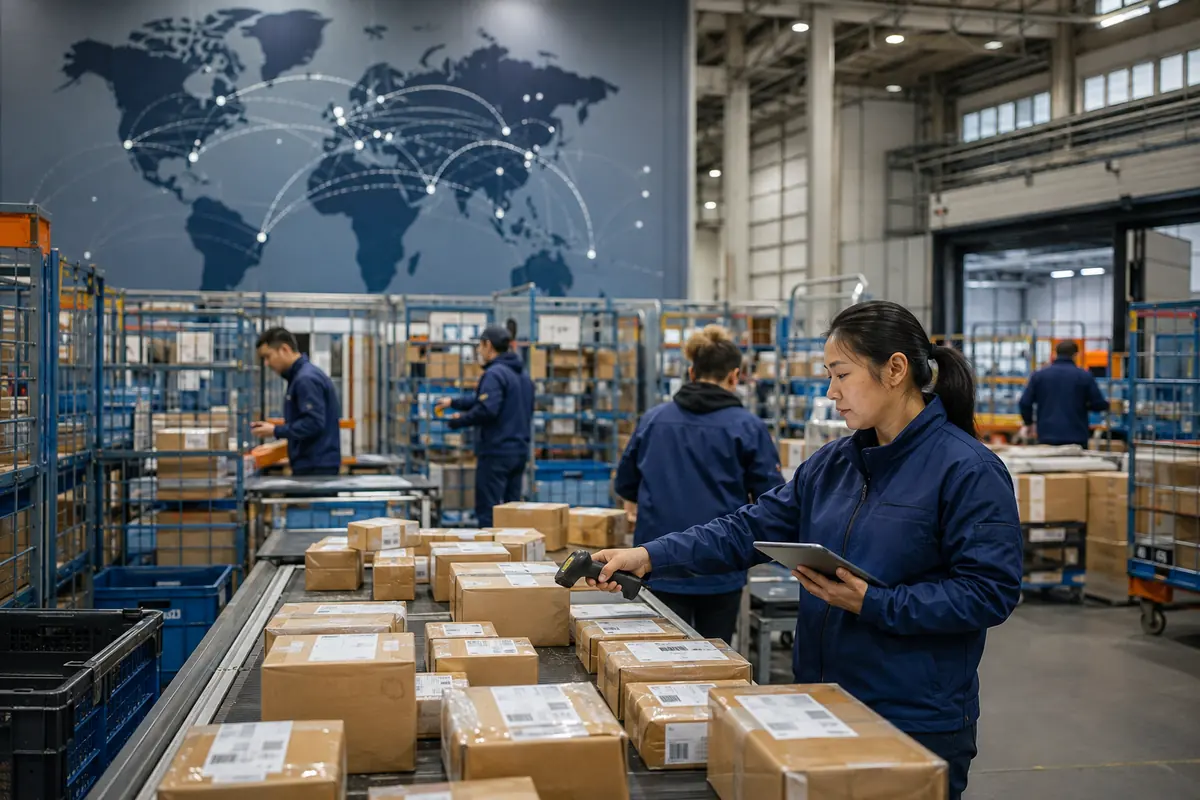
A POD order may combine a newly made item with blanks or branded materials held in stock. We can plan receiving, storage, pack-out and international shipping around the agreed product and destination mix.
- Store approved materials when appropriate
- Match the product and packaging to each order
- Review shipping routes for target markets

One-to-One Project Coordination
A dedicated contact can carry your specification through supplier questions, sample feedback and warehouse instructions. That gives you a clearer place to raise changes or exceptions as the product moves from trial orders to a repeatable workflow.
- Discuss product and customization details directly
- Keep decisions visible across handoffs
- Resolve exceptions against an agreed reference
Print-on-Demand Product Categories to Explore
Start with your audience and the item they would actually buy. The examples below are discussion points, not a fixed live catalog; product availability, print method and minimum quantity depend on the specification and supplier.
Apparel & accessories
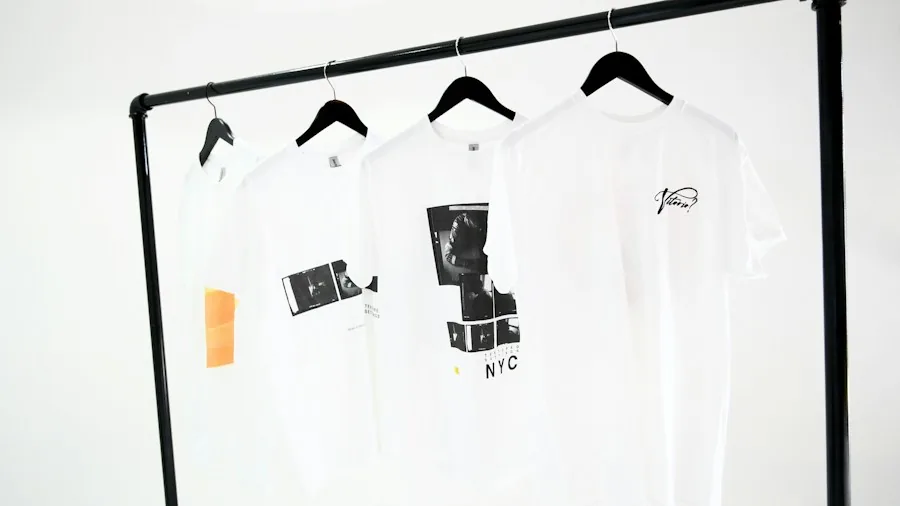
T-shirts, hoodies, totes, caps and textile accessories are common starting points. Confirm the blank garment or fabric, size range, decoration area, print durability and care label before listing.

Home, gifts & lifestyle
Mugs, soft goods, decor and gift items each need their own substrate, image resolution, breakage protection and destination-market check. Request a sample for the exact material and finish.
Printed brand materials
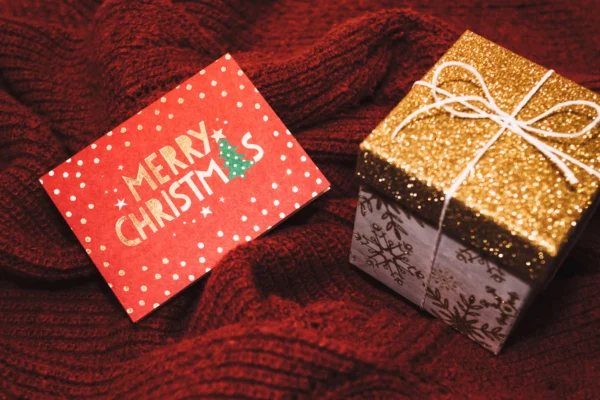
Cards, inserts, stickers, labels and mailers can complete the customer experience. These may be printed in a batch and stored for future orders, even when the main product is made on demand.
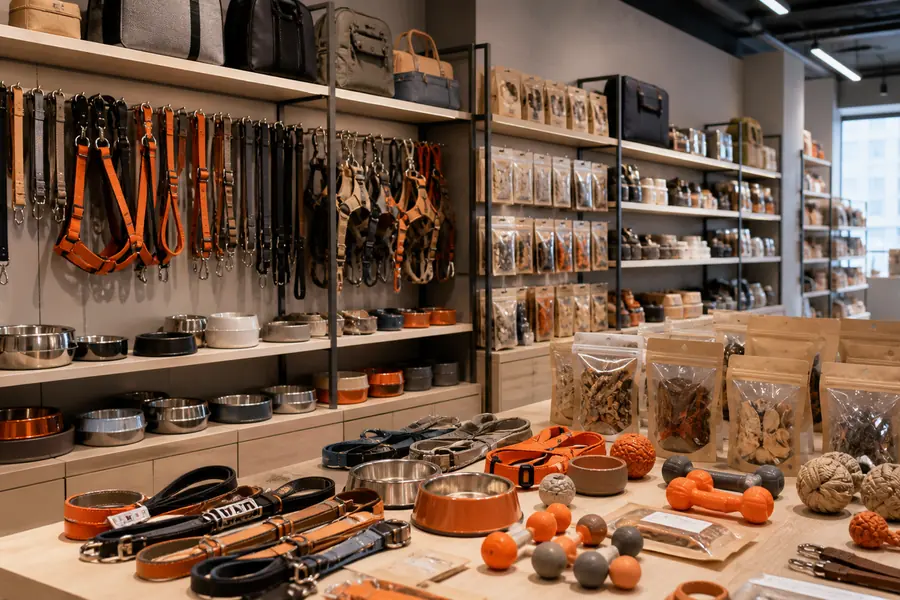
Pet accessories
Bandanas, feeding mats and selected pet accessories can carry a custom design or name. Confirm material, size, print durability and pet-safe construction for the exact item before offering personalization.
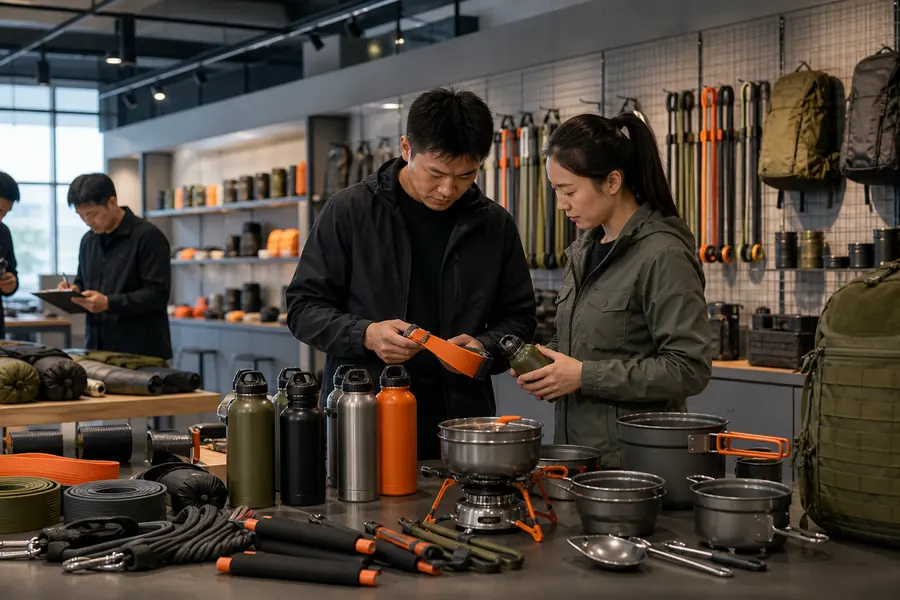
Sports & outdoor accessories
Gym towels, drawstring bags and drinkware are options for teams and activity-focused brands. Match the decoration method to the surface, then test washing, abrasion or outdoor use as appropriate.

Baby & family keepsakes
Bibs, blankets and nursery textiles may suit names or custom artwork. Check fabric, wash performance, labels and age-related safety requirements before approving a sample or publishing a listing.
Need an unusual product or a particular printing technique? Begin with a specification and sample request through our product sourcing service.
Why You Need Print-on-Demand Products
Print-on-demand products let you sell design-led items without committing to finished inventory for every artwork or personalized variant. They are especially useful when you want to learn what customers buy before choosing which products deserve a larger production run.
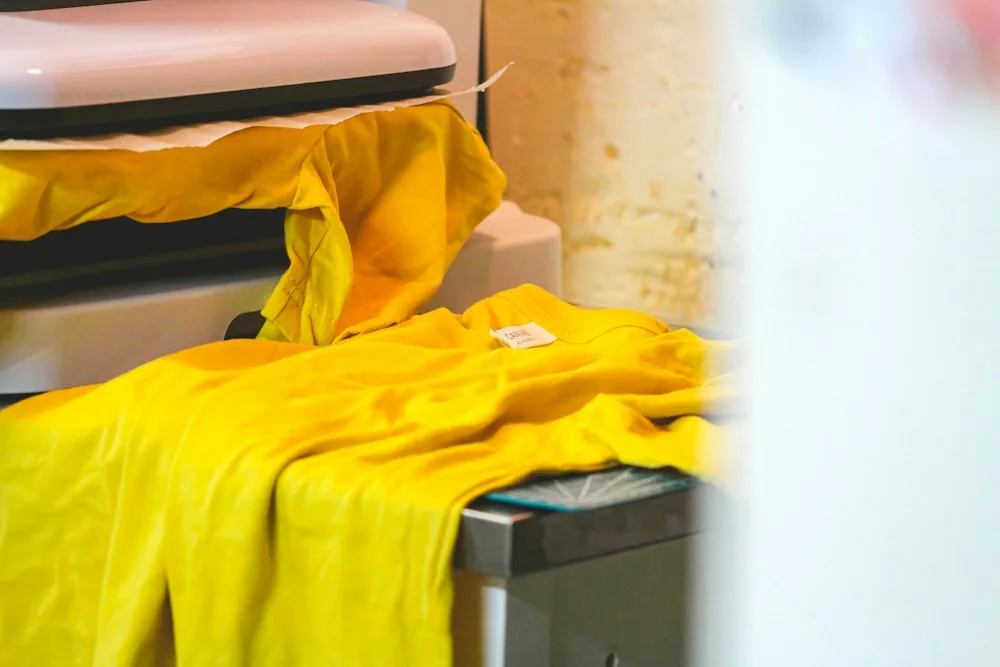
Launch Without a Large Finished-Goods Run
Put an approved design on a suitable blank and produce against customer orders where the supplier supports that route. You can avoid buying finished units for every color and artwork combination while still planning for samples, blank availability and any setup or minimum charges.

Offer Products Made Personal
Names, dates, photos and customer-selected artwork can turn a standard item into something specific to its buyer. The value comes with a control requirement: capture each choice clearly, approve the file version and make sure production receives the correct instructions for that order.

Test Niches and Seasonal Ideas
Try a focused set of designs for a community, campaign or season before ordering finished stock at scale. A physical sample helps you check the blank, placement, color and durability; real orders then show which designs justify more promotion or a repeat run.
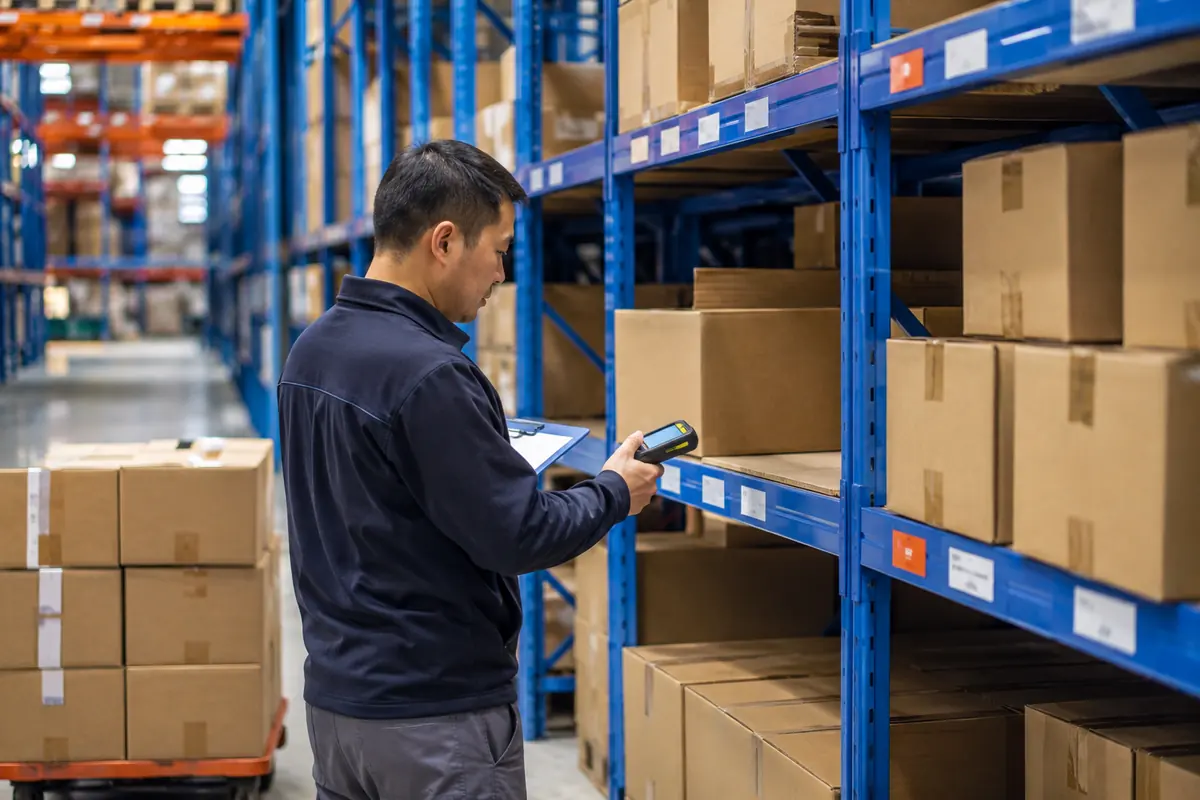
Move Proven Sellers Into the Right Model
POD can remain useful for long-tail variants while consistent bestsellers may become more economical as a planned batch. Compare unit cost, production time, storage, shipping and remake rates before deciding which items stay on demand and which should be stocked.
Make the decision product by product. Print-on-demand changes when a finished item is made; it does not remove the need for sample approval, clear artwork files, realistic delivery estimates or a margin that covers the full order.
How Our Print-on-Demand Fulfillment Process Works
The exact route is agreed for each product. These checkpoints make the handoffs visible before customer orders begin.
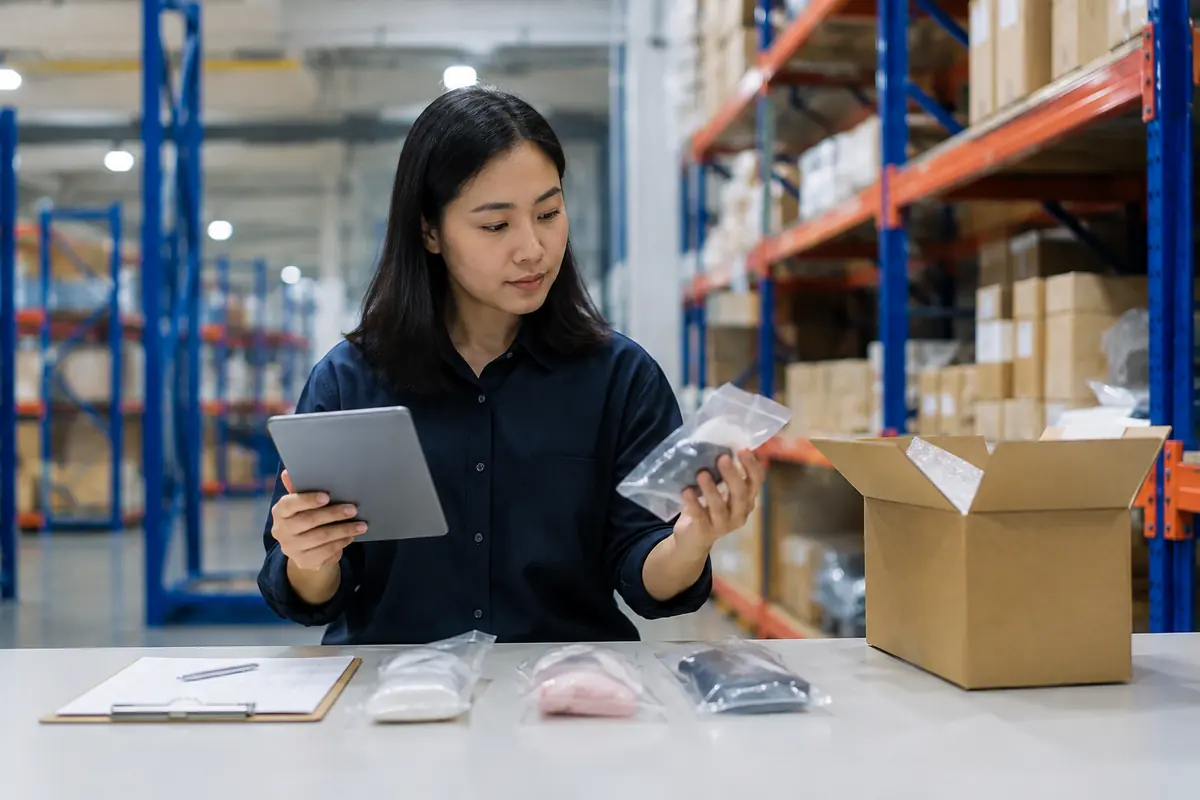
Describe the product
Share a photo or product link, blank material, variants, print area, target markets, expected order volume and design format. Flag personalization fields that change per customer.
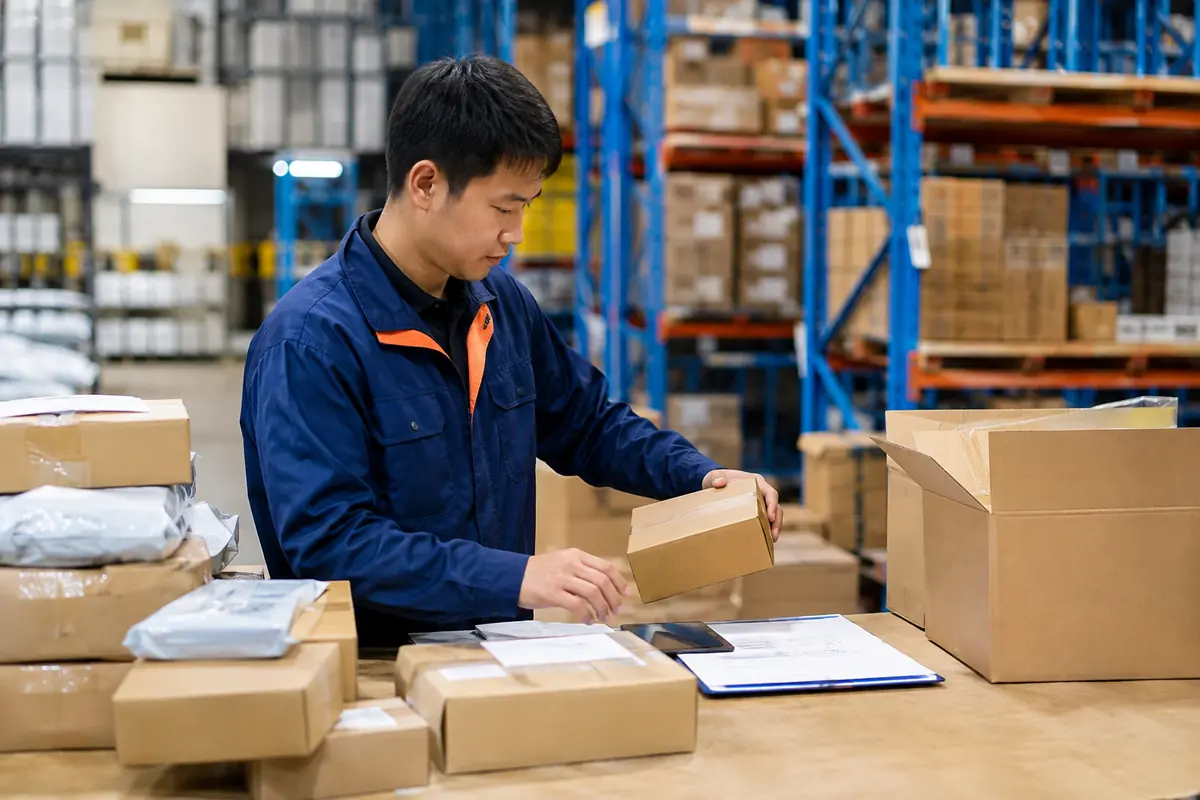
Compare production options
We coordinate suitable suppliers and clarify the print method, sample terms, MOQ if any, unit cost, production time and packaging requirements for the same specification.
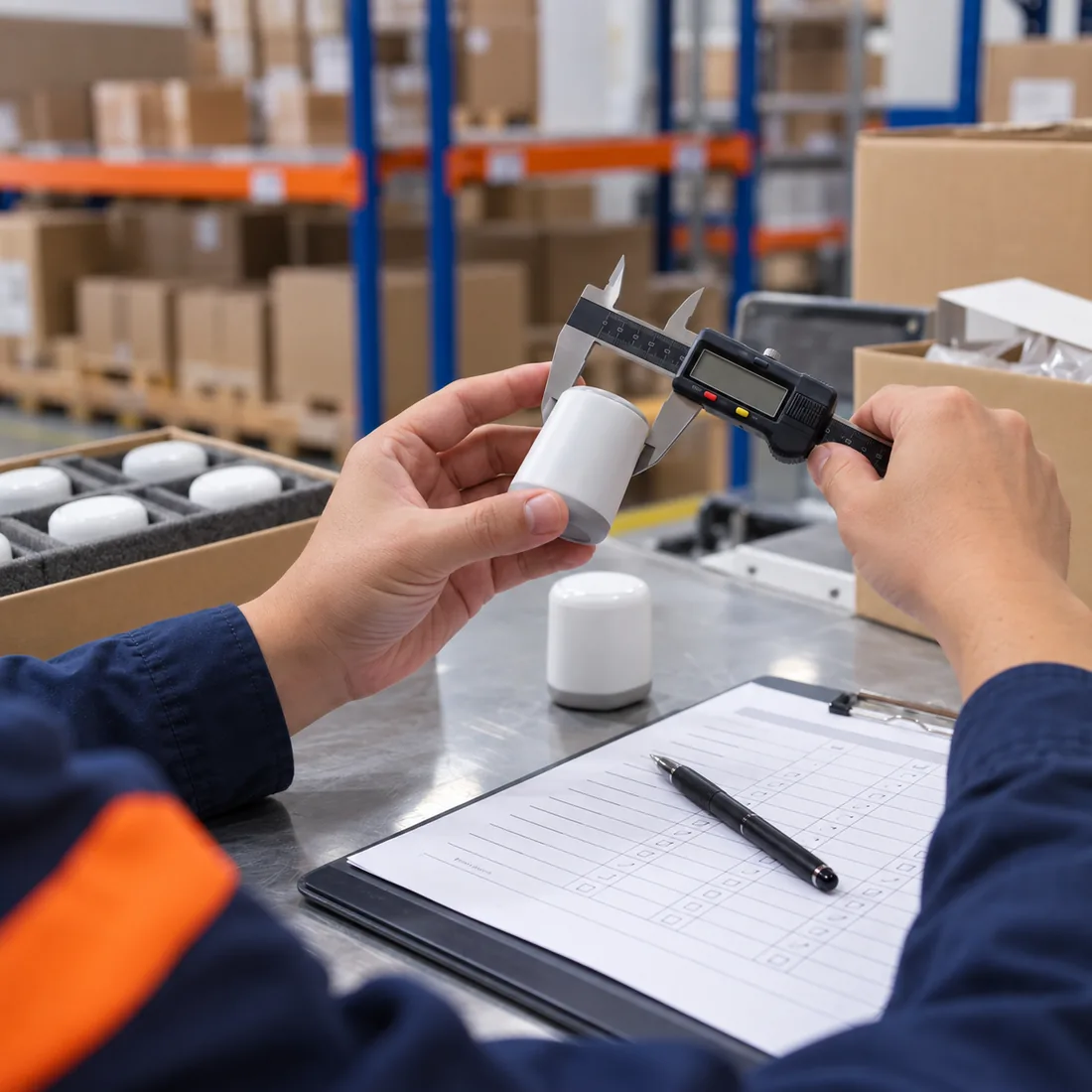
Approve a physical sample
Review color, placement, material feel, dimensions, print finish and packaging. Record the approved artwork version and tolerances before live orders use it.
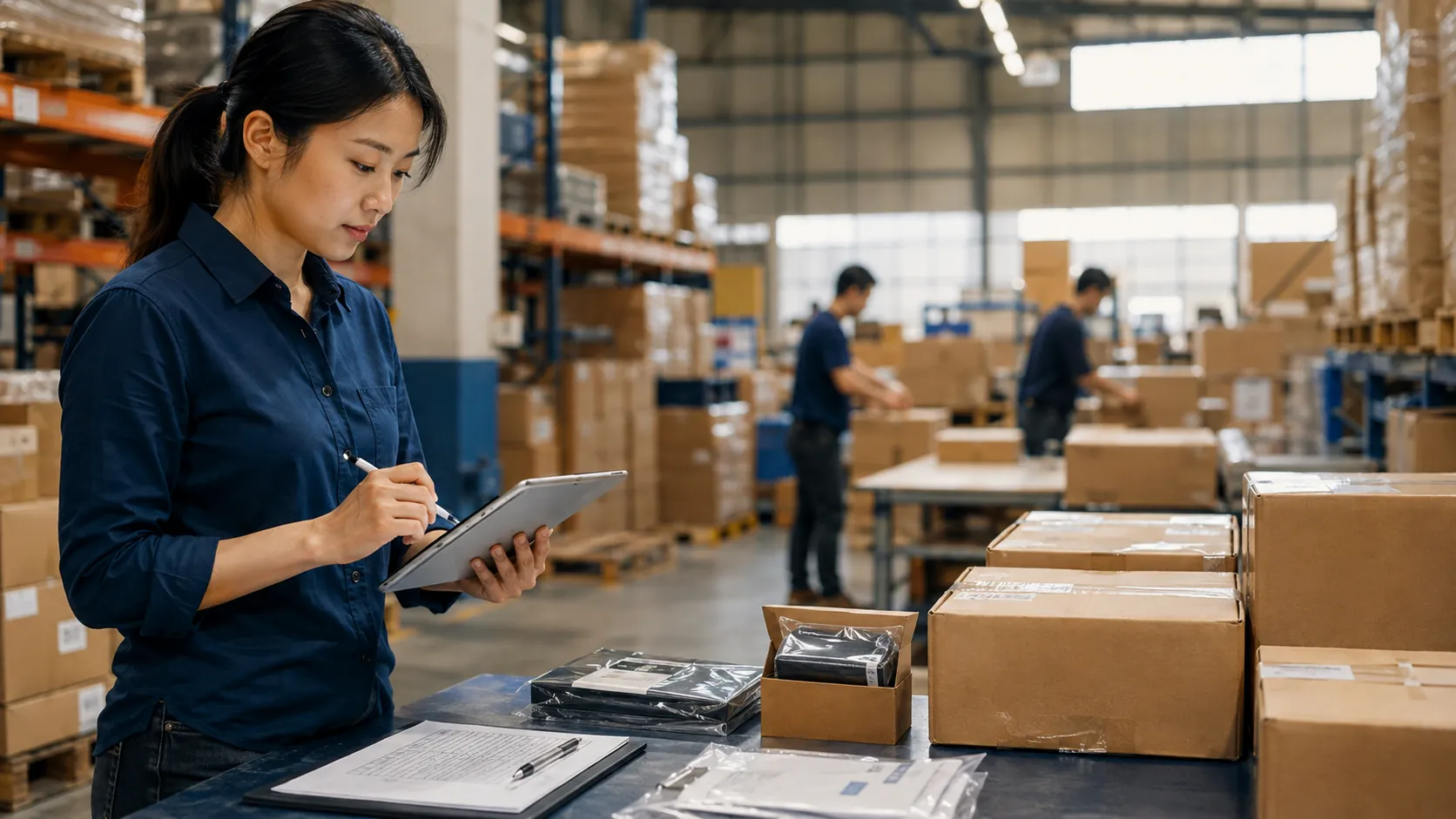
Map orders and files
Each store variant or personalization choice needs the correct SKU, artwork and production instruction. Set a hold rule for missing files, unclear addresses or changes after purchase.
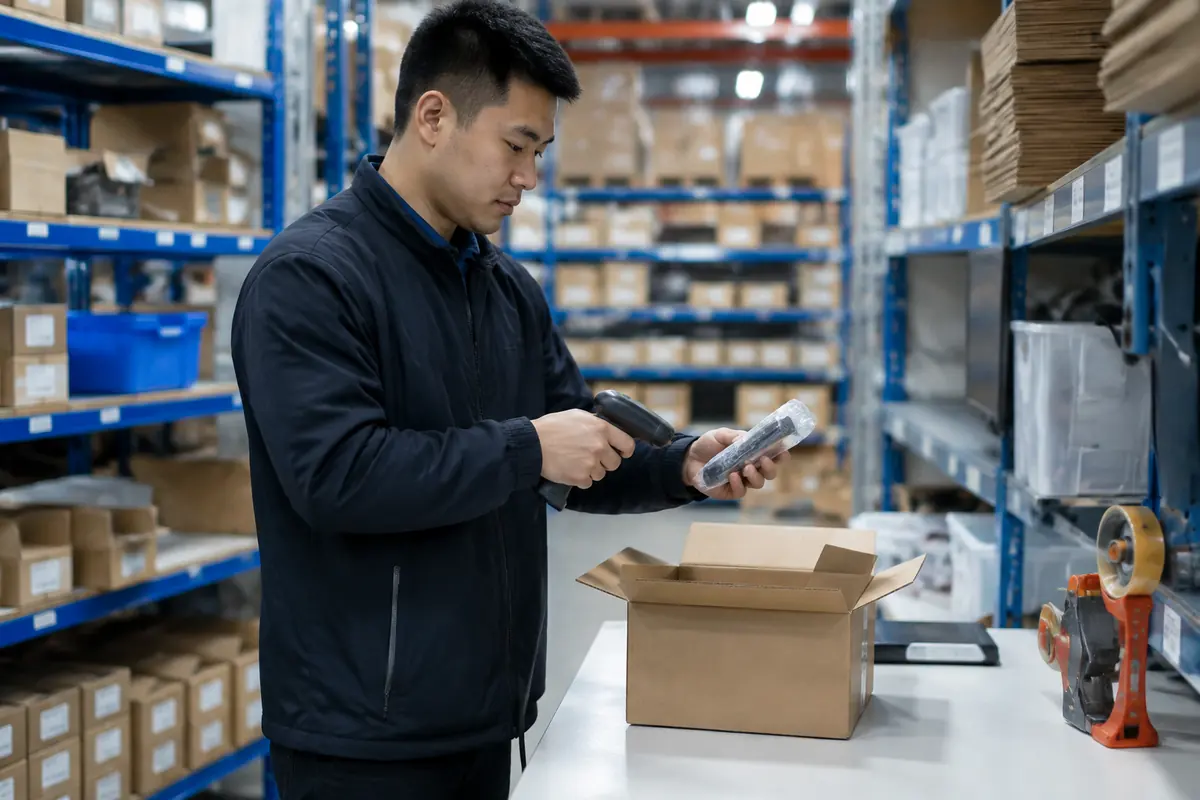
Check, pack and release
Define what the production partner and fulfillment team check, which branded materials to apply, and who decides what happens when a defect or mismatch is found.
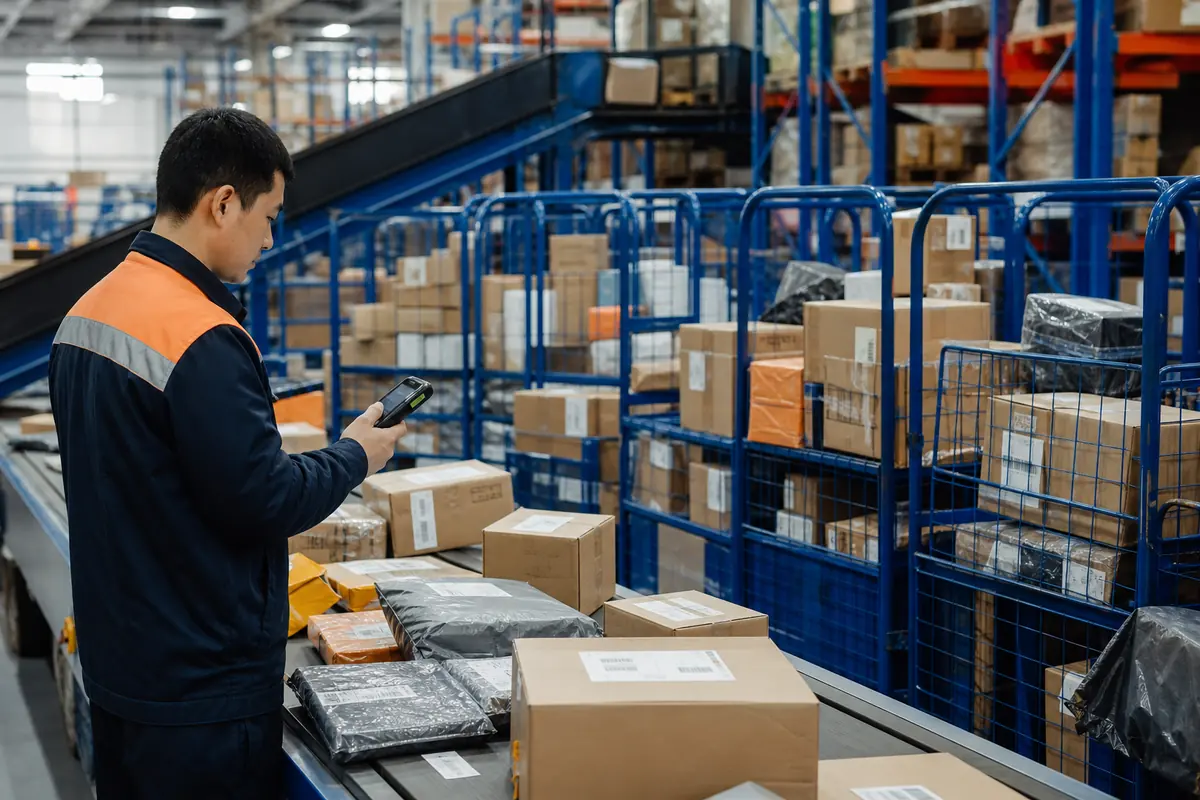
Ship and resolve exceptions
Choose eligible routes for the product and destination, return tracking after dispatch, and agree how delays, damage claims or replacement decisions are handled.
When a POD item is part of a mixed-product order, the important question is whether production, packaging and shipping can follow one agreed instruction. Our dropshipping fulfillment workflow explains the order and tracking controls used after a product is ready.
Print-on-Demand Printing & Quality Decisions
“Good print quality” is not a complete instruction. Different fabrics and surfaces need different methods, and the result can change with artwork resolution, color profile, placement or curing. Confirm the method with the chosen producer and test it on the intended item.
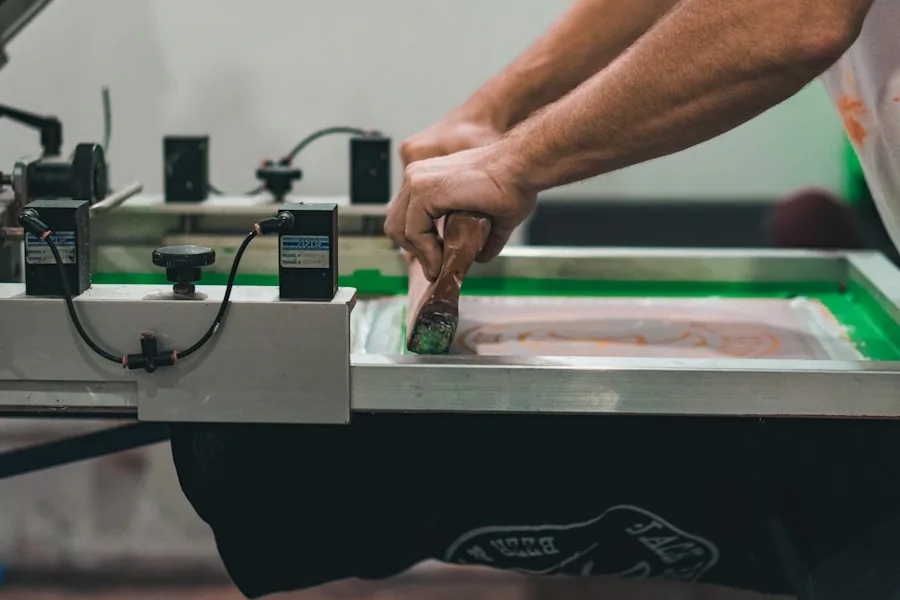
- Blank and material: composition, size, color, surface and supplier version.
- Artwork: print-ready format, resolution, fonts, color reference and version owner.
- Placement: artwork dimensions, position, safe area and acceptable tolerance.
- Use test: wash, rub, adhesion or breakage checks appropriate to the product.
- Release rule: what evidence is reviewed and who approves a remake or substitution.
Agree the actual inspection scope before production. Our quality control service can support checks against an approved reference; specialist tests or legal compliance may require separate providers.
Branded Packaging for Print-on-Demand Orders
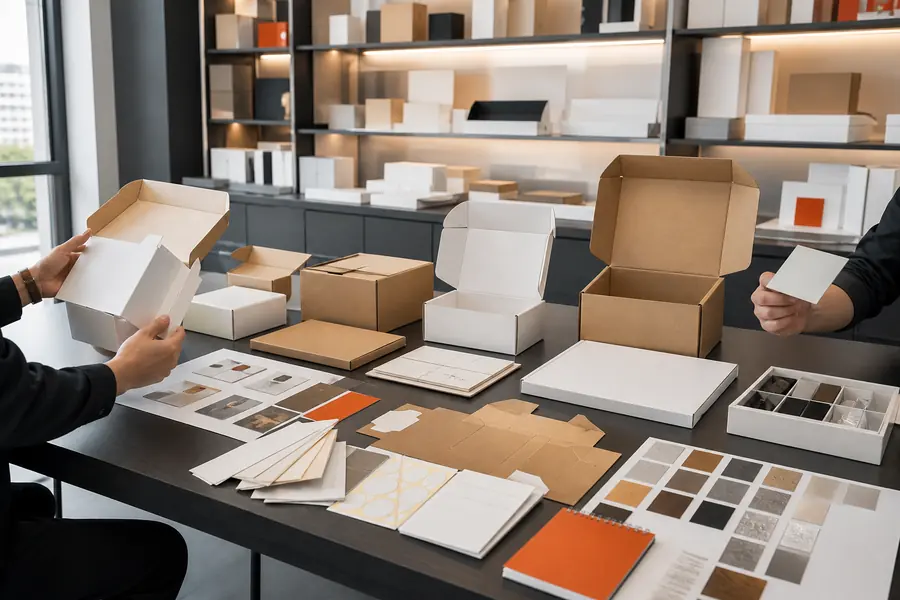
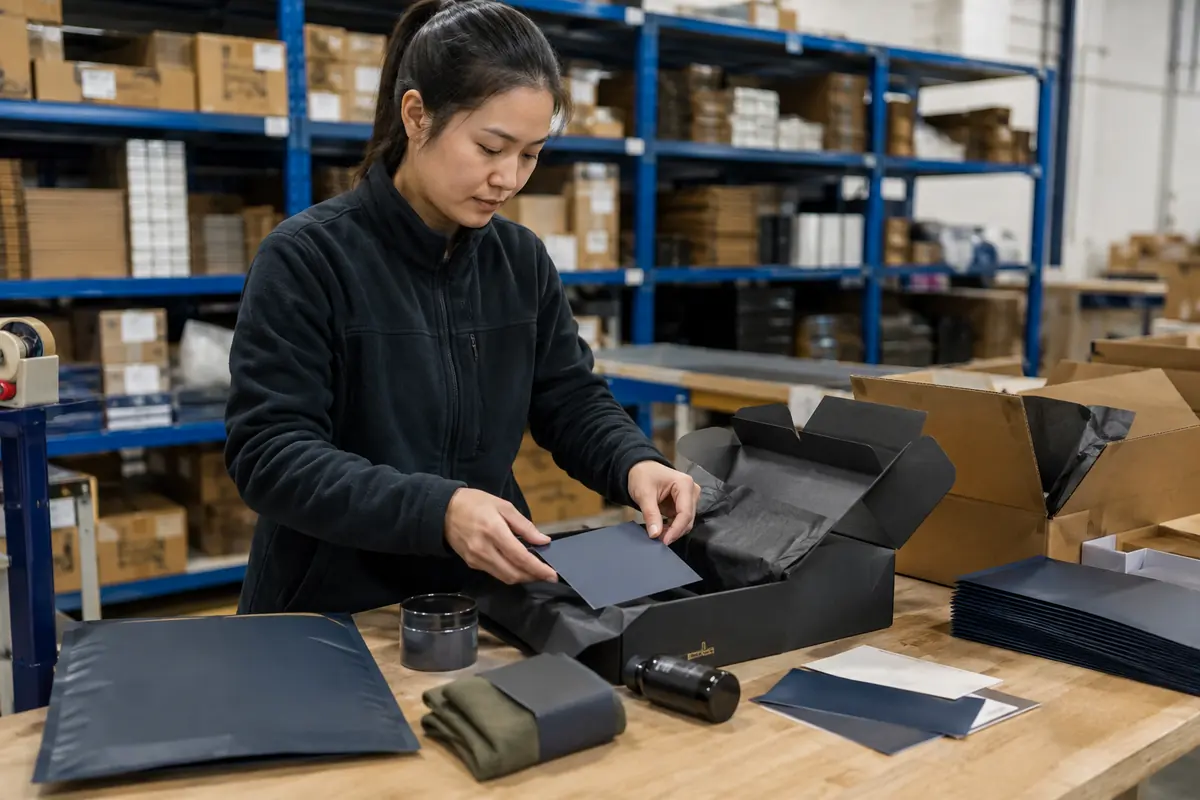
The custom product is only one part of the parcel. A printed card, label, tissue wrap or branded mailer can make the order feel like it came from your store. Those materials need their own artwork approval, stock record and packing instruction.
For example, a product may be made per order while its thank-you card is printed in advance. The team must know which card version belongs to which product and what to do when the card is unavailable. See the available formats and published production terms on our custom packaging service page.
If you are deciding whether to add a logo to an existing product or develop a more distinct item, the private label vs white label guide explains the trade-offs.
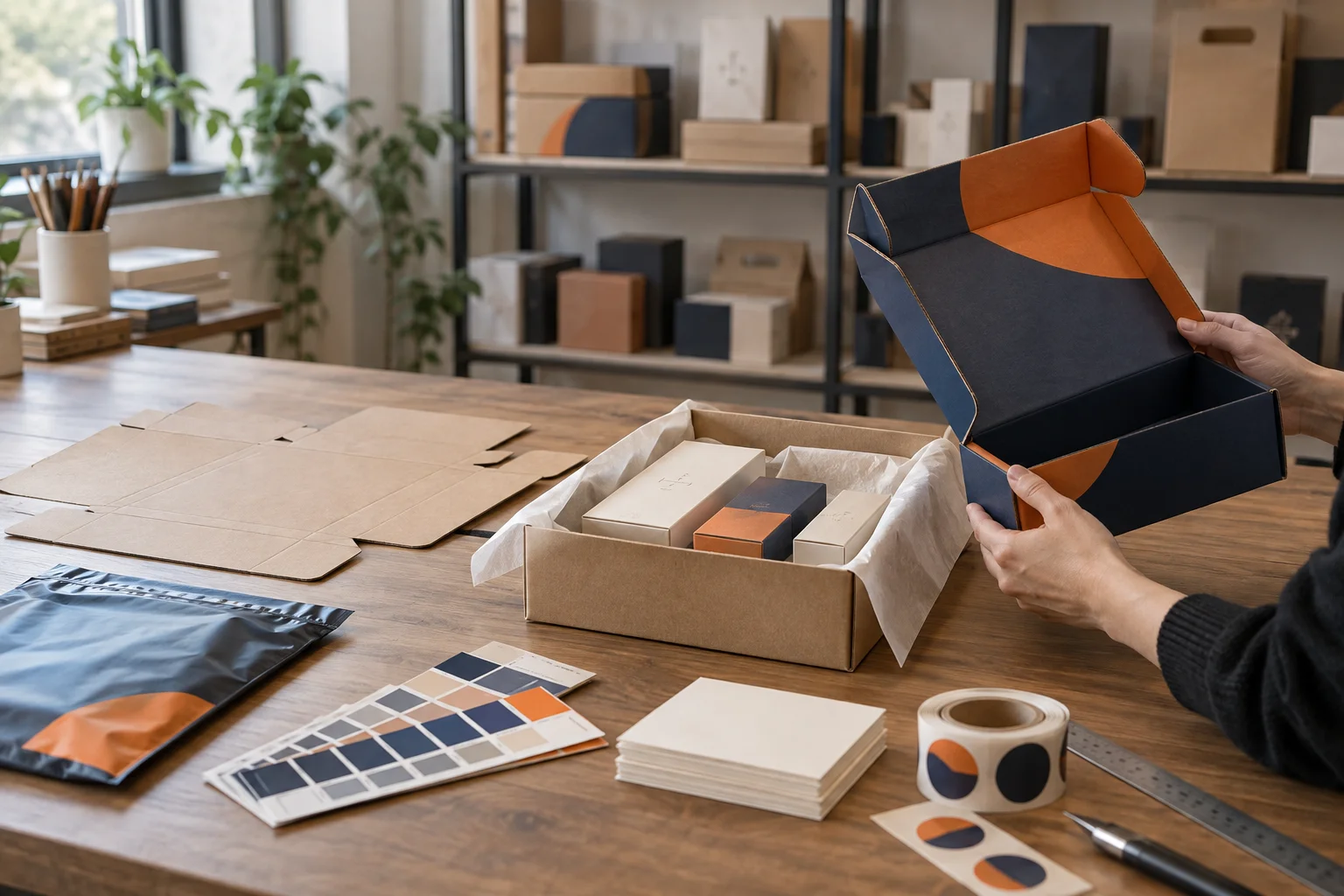
Printed packaging is a separate component with its own approval and replenishment cycle.
Print on Demand vs Bulk Production: When Should You Switch?
POD is useful for testing designs and serving long-tail demand. A proven design may justify a planned production run, but only after the complete delivered cost and inventory risk are compared.
| Decision | Print on demand | Batch production + stock |
|---|---|---|
| Best fit | New artwork, uncertain demand, many variants or personalization. | Repeat-selling designs with predictable variants and volumes. |
| Cash commitment | Usually lower finished-goods inventory, though setup and samples may still cost money. | Upfront production and storage commitment; unit economics may improve at scale. |
| Order timing | Production happens before dispatch, then shipping begins. | Approved stock can move into pick and pack after the order is released. |
| Main control | Correct file-to-order matching and repeatable print output. | Forecasting, stock accuracy, replenishment and version changes. |
| Question to ask | Can the item be made to the required standard at the required volume? | Does the saving per unit justify unsold stock and storage exposure? |
Compare production, sampling, packaging, inspection, storage, shipping, returns and expected remake costs on the same product specification.
For repeat sellers, warehousing services can hold approved products or packaging near the fulfillment workflow. Packaging minimums and their effect on a POD launch are explained in our custom packaging MOQ guide.
What Affects Print-on-Demand Cost & Delivery Time?
A low base item price can change after printing, packaging and international delivery are included. Request a quote for one clearly defined product and destination mix.
Product & print
Blank cost, material, method, print area, colors, placement and variant count.
Setup & samples
Artwork preparation, proofs, physical samples and possible tooling or minimum runs.
Order handling
Personalization data, inspection depth, branded packing, mixed orders and remakes.
Shipping route
Weight, parcel size, destination, product restrictions, service level and returns.
Separate production time from shipping transit time in your store promise. The first depends on the chosen product and print partner; the second depends on route and destination. A reliable quote should state which costs and stages are included.
Before You Launch a Print-on-Demand Product
A mockup can sell the idea, but it cannot verify the finished item. Use a short pilot to check the promise your customer will actually experience.

1. Freeze the sellable specification
Record the blank product, measurements, available colors, artwork file, print placement and packaging version. Give each sellable variant a stable SKU. When a design changes, decide which open orders still use the earlier file.
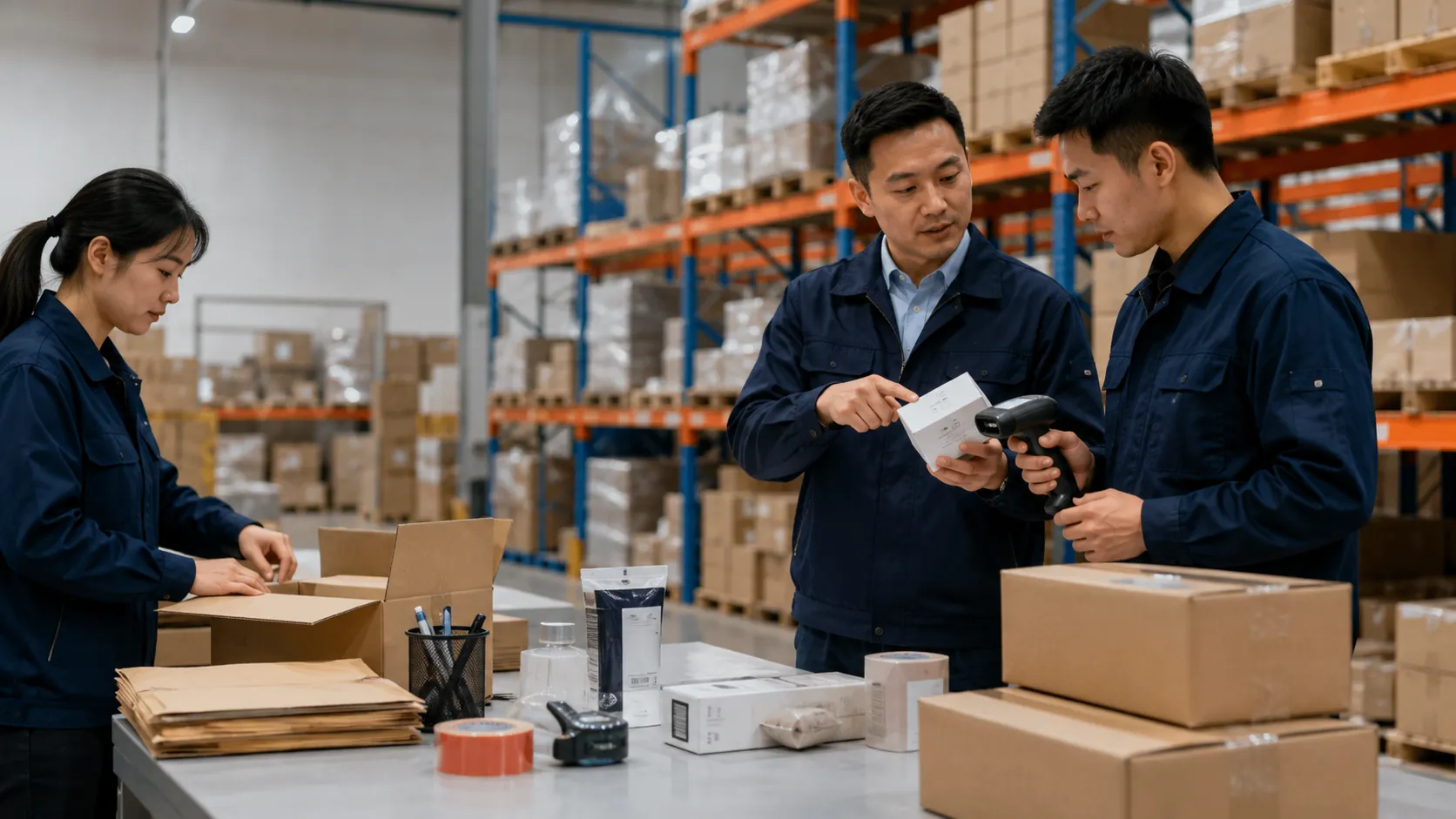
2. Test the full order path
Place a real order for a common variant and one with personalization or another exception. Verify the file received by production, the physical result, packaging, tracking and customer-facing notifications. Correct the workflow before scaling ads.
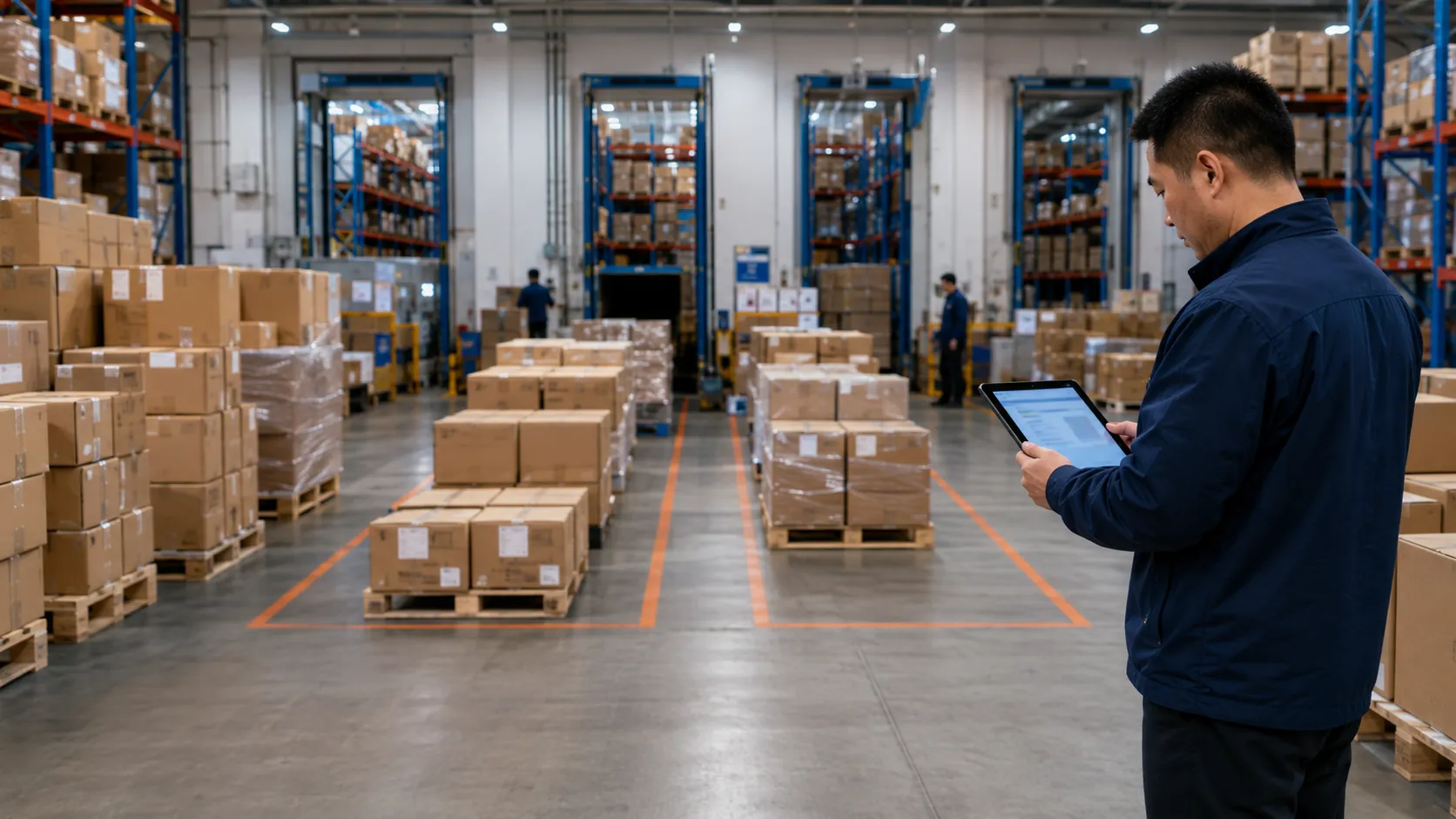
3. Calculate the delivered margin
Include sample expense, product and print price, pack-out, shipping, taxes or duties where relevant, marketplace charges and an allowance for remakes or returns. A low displayed blank price is not the cost of a delivered order.

4. Set customer and IP rules
Publish realistic production and delivery estimates, a clear policy for personalized-item mistakes, and the evidence needed for a claim. Use only artwork, names and trademarks you have the right to reproduce; check destination-market product and labeling requirements.
If you are comparing providers, our China dropshipping supplier guide includes POD services among the sourcing models and shows what to verify before committing orders.
Plan Your Print-on-Demand Product With a Real Specification
Tell us what you want to sell and where it needs to go. We can discuss supplier fit, sample requirements, print and packing decisions, and the fulfillment route before your store makes a promise to customers.
Send Your POD RequirementsPrint-on-Demand Dropshipping FAQs
Can you help source a POD product that is not in a fixed catalog?
Share the item, material, design and target quantity. We can discuss suitable suppliers and production options. Feasibility, MOQ, pricing and timelines are confirmed for the specific product rather than assumed from a general catalog.
Is there a minimum order quantity?
There is no universal answer. Some products may be produced one at a time, while a special blank, print setup or branded package may require a minimum run. Ask for the MOQ of each component separately.
Which design files should I send?
Send the highest-resolution source file available plus a mockup showing size and placement. The producer will confirm the required format, print dimensions, color method and any personalization data after the product and print process are selected.
Can I order a sample before listing a product?
A physical sample is the safest way to approve material, fit, color, finish and packaging. Confirm the sample cost and production time in the quote, then save the approved version as the production reference.
Can POD products use my own packaging?
Often, if the format is suitable and the approved material is available where the order is packed. Packaging may need to be printed and stocked in advance even if the product itself is made after purchase.
Do you print in your own factory?
FriendDropshipping coordinates suitable production partners and the downstream order process. Factory location, method and responsibility should be confirmed for your quoted product; this page does not claim that every item is printed in a FriendDropshipping-owned facility.
How long will a POD order take?
Total time combines file confirmation, production, checks, pack-out and shipping. Each part depends on the product, supplier and destination. Request a product-specific range before advertising a delivery promise.
What happens if a print is incorrect or damaged?
Set the evidence and decision rule before launch: what counts as a defect, what photos or measurements are required, who approves a remake, and how the replacement is shipped. The exact remedy should be agreed in the operating terms.
