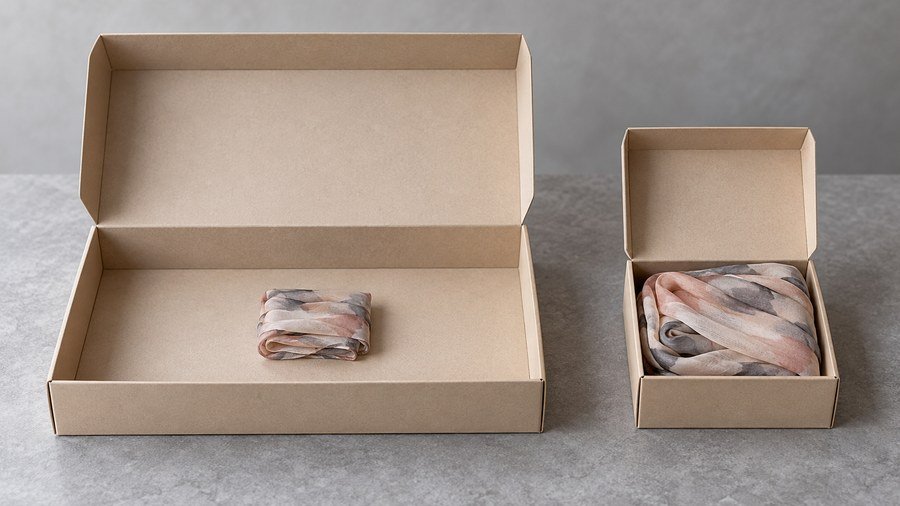
A makeup brush and a face serum can fit in the same little parcel. On your store, they might even sit in the same “daily routine” bundle. But they are not the same business decision. A brush might arrive with bent bristles. A serum can leak, separate in the heat, run out of shelf life, or carry a label that does not work in the country where you sell it.
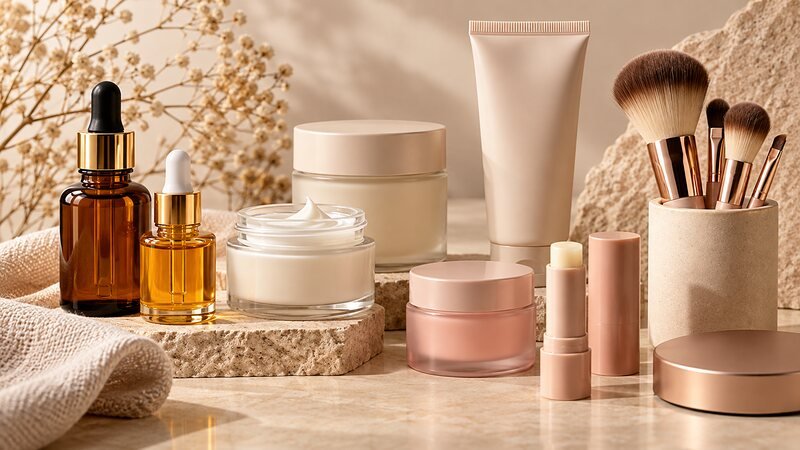
That is the trick with beauty product dropshipping in 2026. Demand is real, but the work sits in the details. NielsenIQ’s 2026 beauty research reported 10% year-on-year growth in global beauty sales, with ecommerce growing six times faster than in-store sales. That describes the market. It does not mean your next lip oil will make money.
The useful question is simpler: can you find a product people want, prove you can sell that exact version, get it to their door in good condition, and still have money left after every order? Let’s work through that in the order a real store would face it.
First, pick the kind of beauty business you are actually running
In basic dropshipping, you list a product, collect the customer’s order, and ask a supplier to ship it. You do not keep stock yourself. That describes who holds the box; it says almost nothing about product ownership, regulatory duties, or how much control you have over the unboxing.
There are a few common paths. They can overlap, but they should not be treated as synonyms.
| Model | What happens | Best fit | Question to settle first |
| Catalog dropshipping | Supplier offers existing SKUs and ships orders as they arrive. | Testing a small range quickly. | Will the exact SKU, label, stock and shipping route stay consistent? |
| Authorized brand resale | You sell another brand’s genuine products through an approved supply chain. | Stores built around known brands or K-beauty lines. | Can you document permission, authenticity and the right market of sale? |
| Agent or 3PL fulfillment | A partner receives approved products, stores them and ships customer orders. | More control over batches, bundles, packing and repeat orders. | Who buys and owns inventory, and how are lots allocated? |
| Branded packaging | A verified product ships with your approved box, insert or outer mailer. | A tested collection that needs a consistent presentation. | Does a packaging change also change the product label or legal role? |
| Private label | A product is sold under your brand, sometimes with a custom formula. | A proven niche with budget for development and compliance. | Who is responsible for the formula, safety evidence, label and complaints? |
The jump from a plain outer mailer to your name on a serum bottle is bigger than it looks. A sticker on the shipping box is a presentation choice. Your brand on the retail cosmetic label may put you in a defined role under the rules of the market where it is sold. Decide that role before printing 2,000 labels.
A sourcing or fulfillment partner can help gather product details, inspect shipments and pack orders to a written rule. They cannot turn an unverified formula into a compliant one just by touching the parcel. If you are choosing between an off-the-shelf accessory, a skincare formula and a beauty device, start with the beauty product dropshipping options that match your intended collection and destination.

Which beauty products make a sensible first test?
“Best beauty product” is a slippery phrase. The best first SKU for one seller is a bad choice for another. A salon owner can explain a specialist brush in a ten-second video. A first-time founder with no documentation should probably not begin with a treatment claim and a glass bottle.
Try scoring product formats, then look at the exact item. Here is a practical starting map. “Lower” means fewer obvious complications than the other rows; it never means no checks.
| Format | Why buyers might care | What can go wrong | First check |
| Makeup brush or sponge set | Easy routine demo; natural bundles. | Shedding, odor, inconsistent texture or unhygienic packing. | Compare samples after use and washing. |
| Organizer, pouch or mirror | Clear before-and-after use case. | Crushed corners, scratches, weak seams or bulky shipping. | Test the packed parcel, not just the loose item. |
| Heatless curling accessories | Visual demonstration; few formula questions. | Size mismatch, weak stitching, misleading material claims. | Confirm dimensions, fabric and set contents. |
| Sealed sheet masks | Giftable and consumable. | Formula, labeling, expiration, torn sachets and leakage. | Ask for ingredient, lot and destination records. |
| Cleanser or moisturizer | Fits a repeat routine. | Skin complaints, formula changes, heat and shelf life. | Verify the exact formula and a shipped sample. |
| Lip color or complexion makeup | Strong visual content and shade interest. | Wrong shade, batch variation, hygiene and returns. | Lock shade references and photos. |
| Serum or active formula | Small package; clear use case. | Unsupported claims, stability and packaging compatibility. | Review substantiation, label and product evidence. |
| Fragrance or nail products | Gift value and distinctive positioning. | Alcohol or solvent transport restrictions, breakage. | Get carrier approval for the exact item and route. |
| Powered beauty device | Higher basket value; visible demo. | Battery, electrical and product-claim requirements. | Confirm electrical evidence and shipping eligibility. |
Accessories and non-powered tools: easier logistics, still quality-sensitive
Brushes, sponges, scrunchies and organizers make a sensible first shelf because people can see what they do. You can build a short video around a messy drawer or a rushed morning. Nice and concrete. There is no need to promise a changed skin condition.
Still, buy samples. Wash the brush. Pull at the seams. Put the mirror in the shipping carton and give that carton a real trip. If the brush set arrives smelling strongly of glue, a lovely product photo will not rescue the review. Material and sustainability claims also need proof. “Bamboo” and “recycled” are not decoration for a listing.
Makeup and skincare formulas: recurring demand, more evidence to collect
A good moisturizer can be reordered. That is appealing. It also means you need the same formula and sensible shelf life on the next order, not just a convincing first sample. Check the full ingredient list, retail label, seal, manufacturing identity, lot code and any relevant safety or stability records. If you sell shades, record each shade as a distinct variant. A “rose nude” photograph is not a specification.
Think in routines instead of copying a giant trend list. A travel makeup setup could pair a brush pouch with a sponge and one verified cosmetic. A simple hair routine could pair heatless styling accessories with a non-powered comb. The bundle should solve a recognizable problem, not look like three unrelated items thrown into a bag.
Fragrance, SPF and devices: review the route and rules before listing
Some products need a separate lane. Alcohol-based fragrance, aerosols and nail products may face dangerous-goods restrictions. Battery-powered tools have electrical and transport questions. SPF and products pitched to treat acne can cross into drug rules in the U.S.; a treatment promise in an ad matters as much as the words on the carton. A listing that says “cures acne overnight” is not made safer by placing it under a “beauty” menu.
These formats are not automatically off limits. They are simply poor candidates for a casual “copy listing, launch ads” test. Get the product, market and route checked first.
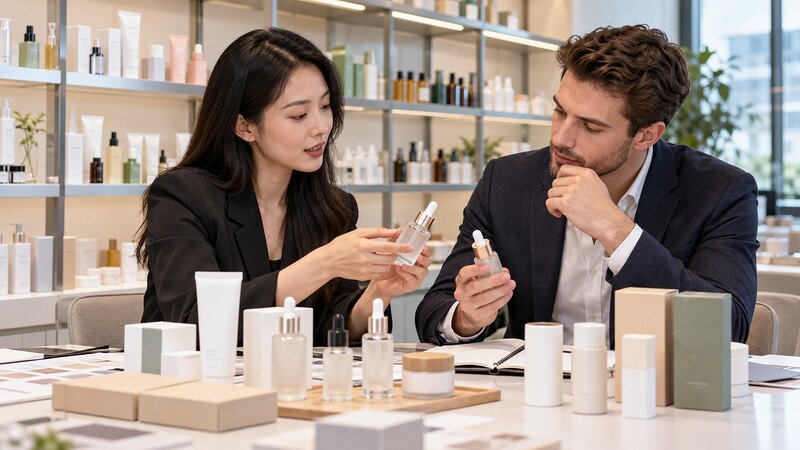
A supplier’s pretty catalog is the start, not the proof
Imagine ordering a white jar from three different listings. They all look the same. One has a different ingredient list, one has no lot marking, and one arrives with an old retail label. If your product page shows only the jar, you might miss the difference until a customer asks.
Send a brief that identifies the exact item you intend to sell. A useful product sourcing process starts with the product, target country, desired order volume and expected customer experience. Ask a candidate supplier to confirm the details in writing.
Ask for the exact formula, label art and manufacturing identity
For a cosmetic, request the SKU and variant; manufacturer or brand owner; full ingredient declaration using applicable INCI naming; net contents; finished retail label; country of origin; and who controls formula changes. Ask what safety, microbiological, stability, packaging-compatibility or claim evidence exists for that product, as appropriate. For a branded item, request proof that the supply chain is authorized. For a device, the relevant evidence is different. A generic “certificate pack” is not a universal substitute.
Do not assume a supplier’s “FDA certificate” proves U.S. cosmetic approval. The FDA has clarified that cosmetic facility registration and product listing are not an approval program. A polished PDF with a stamp is not the same as evidence that your product and label meet the applicable requirements.
Ask who updates the records if the factory changes a preservative, pump, colorant or bottle. A small switch can affect the ingredient declaration, stability or customer experience. Your store needs a stop-and-review rule before the replacement batch ships.
You may see ISO 22716 in a factory profile. It is a cosmetics good manufacturing practice guideline covering production, control, storage and shipment. That is useful context for a factory conversation. It is not a magic certificate that approves every product the factory makes, and it does not replace the destination-market file for your particular formula. Ask which site and operations the evidence covers. Then connect that answer to your actual purchase order: agreed product version, acceptable packaging, sampling method, change notice and who investigates a failed batch. If a supplier offers a test report, check the sample identity and date. A report for a similar jar made three years ago is not proof for today’s formula. Boring paperwork? A bit. Much less boring than recalling a batch with no way to find the affected orders.
Order samples from the production path, then test the real parcel
The showroom sample is only step one. Order the version a normal customer would receive. Check its seal, fill level, smell, texture, shade, cap torque, carton fit and label readability. For an accessory, check dimensions and finish against the approved reference. Photograph the item beside its SKU and lot mark.
Then ship it. One sample to yourself can expose a crushed compact, stained mailer or loosened cap. If you plan to sell to two countries, test the actual routes where possible. A parcel that survives a nearby courier run has not proven it will survive a longer international journey or a hot sorting facility.
Agree which defects are checked at receiving, which can be caught at pick and pack, and what evidence the warehouse saves. A clear quality control workflow is more useful than a vague promise that “every item is inspected.” Some defects are visible; others require product testing, lab work or records from the manufacturer.
Record batch, expiry and change control
For a formula, write down the lot code format, manufacture or expiry information where applicable, remaining shelf life you will accept, and how stock will be rotated. If two lots look identical from the outside, the warehouse still needs a way to know which one went into which order. That record matters when a customer reports irritation or a supplier flags a batch problem.
For shade makeup, the variant and lot both matter. For an established branded product, so do authenticity and resale rights. Ask what happens to damaged or expired units, whether opened goods can return to saleable stock, and how quickly the supplier will answer a complaint. If the response is “don’t worry, nobody asks,” that is an answer too. Just not a good one.
Compliance depends on where you sell and what you promise
Your checkout can accept customers from many places. That does not make one universal label or one universal shipping route suitable for them all. Choose a primary destination first, then check the product against that market. Expand country by country when you have the records and a workable delivery plan.
| Market question | United States | European Union |
| Who takes the named product role? | Under MoCRA, the “responsible person” is generally the manufacturer, packer or distributor named on the cosmetic label. | A cosmetic needs an EU-established responsible person before it is placed on the EU market. |
| What needs review before sale? | Safety substantiation, appropriate labeling, ingredients and claims; facility registration and product listing where required. | Product safety assessment, product information file, labeling and notification through CPNP, with the responsible person managing the applicable obligations. |
| What is a common mistake? | Treating a registration or listing number as FDA product approval, or making drug claims for a cosmetic. | Assuming a supplier’s general test report or a freight forwarder’s address covers the product-specific EU requirements. |
U.S.: MoCRA duties and the cosmetic/drug boundary
The FDA’s MoCRA overview sets out requirements that include safety substantiation, facility registration and product listing where applicable, and serious adverse event reporting by the responsible person. Some small businesses have exemptions from certain provisions, subject to conditions and product exceptions. “Small store” does not mean “no rules.” Work through the exact business and product before claiming an exemption.
What you say about a product can change its classification. “Helps skin feel soft” and “treats eczema” are very different claims. Sunscreen and acne treatment claims need their own U.S. analysis. You may also face platform advertising rules that are separate from product law. Write the product page from approved evidence rather than copying a supplier’s boldest headline.
EU: responsible person, safety file and CPNP notification
For EU cosmetics, plan for an EU-established responsible person, a safety assessment and product information file for the exact product, compliant label details, and notification via the European Commission’s CPNP system before the item is placed on the market. The notification portal is part of the process; it is not a safety certificate.
A supplier can provide formula and test information. An agent can coordinate samples, packing and records. A shipping label does not appoint either one as the legally responsible person. Get the actual responsible party and the documentation path agreed in writing.
Other destinations: make a market-by-market checklist
The UK, Canada, Australia and other markets have their own rules and definitions. Even within your first market, the same warehouse may handle a brush, a cream and a battery device under different procedures. Record the destination, product classification, ingredient and label review, claim review, responsible business, customs data, carrier acceptance and customer service contact for each SKU. Recheck when the formula or sales market changes.
This sounds fussy. It is. But it is a smaller job when you start with three products than when you wake up to 80 copied listings and no product files.
Work out profit on the parcel that arrives, not the product photo
Supplier price is not profit. If a brush set costs $6 and sells for $29, the missing $23 is not yours to pocket. You still have fulfillment, shipping, payment fees, customer acquisition and the occasional replacement or refund.
Here is a hypothetical per-order example in U.S. dollars. The figures are an illustration, not a quote from a supplier or an expected industry margin.
| Per-order item | Brush bundle | Bottled formula |
| Selling price | $29.00 | $34.00 |
| Product cost | −$6.00 | −$8.00 |
| Pick, pack and packaging | −$1.80 | −$2.40 |
| Shipping and delivery costs | −$5.20 | −$7.50 |
| Payment processing | −$1.20 | −$1.40 |
| Customer acquisition | −$8.00 | −$9.00 |
| Expected damage/refund allowance | −$1.00 | −$2.50 |
| Illustrative contribution per order | $5.80 | $5.20 |
The formula sells for more, yet contributes less in this example. Raise acquisition cost by $3 and the brush bundle contributes $2.80; the formula contributes $2.20. Add another $2 of leakage or replacement cost to the formula and there is almost nothing left. That is why a broad “beauty has high margins” claim can be misleading.
Calculate your own numbers from a sample quote and a real shipping destination. Include taxes or duties where your selling arrangement makes them your cost, app charges, packaging setup spread across expected orders, and customer service time where material. Bundles can lift average order value, but only if customers want the combination. Repeat purchase helps only after the first order arrives as promised. A second sale is earned, not booked in advance.
What happens between checkout and the bathroom shelf?
This is the unglamorous part, and it is where many beauty stores become either dependable or tiring to run. A customer does not see your supplier dashboard. They see a tracking number, a parcel and the item in their hand.
Receive, identify and store the right SKU and lot
At receiving, match the purchase order to the product, variant, quantity and approved sample. Log damaged cartons, wrong labels and lot information. Store items according to the manufacturer’s conditions, not beside a hot window because a shelf happened to be free. Rotate dated inventory according to an appropriate first-expiring, first-out rule, and set a minimum remaining shelf-life threshold for dispatch.
If you use a China 3PL fulfillment arrangement, ask how the warehouse keeps similar shades and lots separate, what it records per order, and what it does when an item fails the pick check. A warehouse system that can identify which version reached a customer is more valuable than a pretty photo of tidy shelves.
Seal, cushion and test before choosing a shipping line
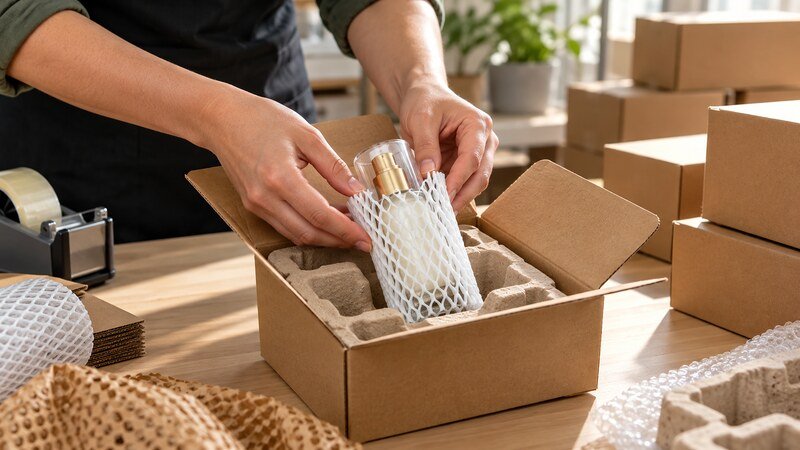
Beauty packaging has two jobs. It should look right when opened and hold up on the way there. A loose cap can soak a printed insert. A heavy glass jar can crush a powder compact. A soft pouch that works for a brush may be a poor home for a bottle.
Write a packing specification: seal type, inner protection, divider, approved outer carton, weight, dimensions and what the packer should do if a component is missing. You can explore a custom packaging service after the base product and parcel have passed testing. Branded tissue paper does not fix a leaking pump.
Ask a carrier or fulfillment partner to confirm acceptance for the exact product and destination. Liquids, aerosols, fragrances, nail products and batteries may need different services or documents. Check advertised transit times against the route you can actually book. Do not promise a seven-day delivery window because another item once took seven days.
Sync orders, send tracking and resolve exceptions
Map each storefront variant to one approved fulfillment SKU. Test an order, a canceled order, an address correction and an out-of-stock event before launching ads. Record when an order should ship, when tracking is sent and who notices a parcel that stops moving.
Then decide your exception rules. Who pays when a bottle leaks? What evidence do you need for a wrong shade? Do opened cosmetics get refunded, replaced or reviewed case by case? A hygiene-sensitive item should not quietly go back into sellable inventory. Publish a clear customer-facing policy and give your support team a way to escalate a product reaction or suspected lot issue immediately. Serious adverse event reporting, where applicable, belongs in a documented process, not a forgotten email folder.
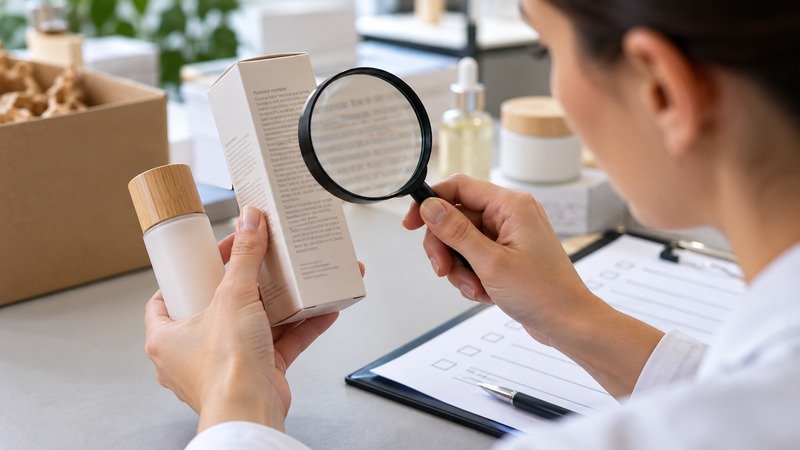
Launch a small beauty collection, then earn the right to expand it
You do not need a warehouse full of every trending thing. Start with one customer situation. Maybe it is “a five-minute makeup bag for commuters.” Maybe it is “heatless styling for people who travel.” That tells you what belongs together and what an honest demonstration should show.
-
Choose the routine and destination. Name the customer problem and one initial market. Avoid a vague worldwide launch.
-
Select two or three compatible formats. A tool plus an accessory is often simpler to test than three new formulas. Add a cosmetic only when its product record and destination plan are ready.
-
Request evidence for each exact SKU. Save the version, supplier identity, sample reference, label and applicable product records in one place.
-
Order and ship samples. Look at the item after a real journey. Use it. Take notes that someone else on your team can follow.
-
Build truthful product pages. Show actual dimensions, shade, ingredients where required, what is in the set, delivery expectations and a sensible return policy. No miracle claim borrowed from a social post.
-
Run a modest traffic test. Watch add-to-cart, conversion, questions, delivery problems and refunds. Content and small creator demonstrations may teach you more than pouring the entire budget into one ad set.
-
Review the reorder signal. Before expanding, ask whether customers used the product, liked it, and would buy it again. Inspect complaints by SKU and lot, not only total revenue.
Suppose the commuter collection sells a washable brush, compact pouch and sealed lip color. The brush and pouch can be tested for construction and parcel damage. The lip color needs its own formula, shade, label, lot and destination review. All three need a reliable SKU map. That is a more believable launch than 40 unrelated “viral” products on day one.
Once orders repeat, you can improve the carton, negotiate a better shipping profile, hold approved stock, or develop a private-label item. Expand because the evidence says yes. That’s slower than clicking “import product,” sure. It is also how you avoid building a store around returns.
Conclusion
Beauty dropshipping can work in 2026, but the product photo is the easy part. Pick a customer problem, test a tight assortment, verify the exact SKU and its destination requirements, and put a real parcel through the route. Then calculate what each delivered order contributes after acquisition and exceptions. If the product, records and numbers all hold up, scale that routine. If one piece is missing, fix it before you buy more traffic.
FAQs
Can you legally dropship beauty products in 2026?
Yes, many beauty products can be sold through a dropshipping model. The product still has to meet the rules in the market where you sell it. Classification, ingredients, safety evidence, labeling, claims, import arrangements and shipping restrictions vary by item and destination. The fulfillment model does not waive those duties.
What beauty products are easiest for a beginner to test?
Non-powered accessories such as brush pouches, organizers, scrunchies and some brush sets are often simpler than formulas, aerosols or electrical devices. You still need to check quality, materials, listing accuracy and packing. Start with a product you can inspect and demonstrate clearly.
Is skincare dropshipping profitable after ads and returns?
It can be, but a supplier-to-retail markup tells you very little. Subtract product, fulfillment, shipping, payment fees, acquisition and expected refunds from the selling price. Use your own quote and traffic numbers. A formula with more repeat potential can still lose money on its first order.
Can I dropship private label skincare without holding inventory?
Yes, a manufacturer or fulfillment partner may hold approved stock and ship individual orders. Someone still funds the formula, packaging, labels and production quantities. Agree who owns inventory and who handles safety, destination compliance, changes and complaints before launch.
How do I find a trustworthy cosmetics supplier in China?
Ask for the legal business identity, exact product and manufacturer details, sample availability, relevant formula and label records, lot and shelf-life controls, and a written shipping plan. Compare the shipped sample with the approved specification. A marketplace badge is a starting clue, not a complete verification.
What documents should I request before selling a serum?
Start with the full ingredient declaration, finished label, formula/version identification, manufacturing identity, relevant safety and stability information, shelf-life basis, lot format and claim support. The exact records depend on the product and destination. Have a qualified reviewer check the file where required.
Are cosmetics FDA approved before sale?
U.S. cosmetics generally are not preapproved by the FDA in the way many people imagine; certain color additives are an important exception. Facility registration or product listing does not equal approval. Products still must be safe and properly labeled, and a drug-classified product follows different rules.
Does MoCRA apply to small beauty brands?
Some MoCRA provisions have conditional small-business exemptions, including certain facility registration and product listing requirements. Those exemptions are not a blanket release from cosmetic safety and labeling responsibilities, and some product categories are excluded. Check the actual business and SKU.
Do I need an EU responsible person to sell cosmetics in Europe?
An EU cosmetic placed on that market requires an EU-established responsible person. The product also needs the applicable safety assessment, product information file, label and CPNP notification. A China-based shipping agent does not become the EU responsible person merely by dispatching the parcel.
Can I sell SPF or acne products like ordinary cosmetics?
Do not assume so. In the U.S., sunscreen and acne treatment claims can make a product a drug, with additional requirements. Classification can vary by jurisdiction and exact claims. Review the item and its marketing language before listing it.
Can I dropship branded K-beauty products from any reseller?
Check whether the supply chain is authorized and the products are genuine and intended for your sales market. Ask for invoices and traceability. Even a genuine product may have labeling or distribution limits that matter where you sell it.
How should a supplier track cosmetic batch numbers and expiry dates?
Record the lot when stock arrives, keep lots distinguishable in storage, allocate an acceptable lot to each order and retain that connection for complaints or recalls. Agree the minimum remaining shelf life at dispatch. The rule should work even when two batches use identical outer boxes.
What if a liquid leaks or a customer reports a reaction?
For a leak, save the order, product lot, parcel photos and packing details; resolve the customer case and investigate repeat failures. For a reaction, record the report and escalate it promptly to the responsible business. Serious adverse event duties can apply. Customer support should know who to contact that same day.
Can perfume, nail polish or LED beauty devices use a normal shipping line?
Maybe, but never assume it. Alcohol, solvents, aerosols and batteries can change carrier acceptance and documentation. An electrical or light-based device can also raise product compliance questions. Confirm the exact item, packaging, route and destination with the service provider before checkout goes live.
When should I move from a catalog supplier to a private agent?
Consider it when repeat orders justify better SKU control, lot tracking, bundled packing, custom packaging, more predictable stock or closer supplier coordination. Get a quote for the whole delivered order, not just the product price, and test the new workflow before shifting all traffic.
Table of Content

I’m Cassiel. I’ll help you scale your Shopify business with reliable fulfillment.
Join to newsletter.
Follow us and get more knowledge.