A customer orders a blue organizer and a set of travel brushes from your store. Easy sale, you think. Then the organizer supplier sends the wrong shade of blue, the brush set arrives at a different warehouse, and somebody asks which branded card belongs in the parcel. By the time you have answered three chats, the customer is already asking where the order is.
FriendDropshipping coordinates the China-side steps so the approved item, available stock, packing instruction, and shipping choice meet at the same order. The merchant decides what to sell, what to promise, and how to handle the customer relationship. Those decisions need to become instructions a warehouse can follow.
What FriendDropshipping can coordinate, and what your store still owns
FriendDropshipping describes itself as a Yiwu-based sourcing and fulfillment team. Its current service pages cover supplier comparison, sample coordination, receiving and visible product checks, inventory organization, packing, order dispatch, and tracking. The exact mix depends on the product and the agreed service. A seller who already has a factory needs a different setup from one who has only a product photo.
| Decision or task | Merchant usually owns | FriendDropshipping can coordinate when agreed |
|---|---|---|
| Product choice | Audience, price, market, and final approval | Supplier options and comparable quotes |
| Product specification | Required features and acceptable sample | Supplier communication and reference records |
| Selling-market rules | Claims, import role, and legal review | Collection of relevant product information |
| Inventory | Purchase and stock-risk decision | Receiving, SKU organization, and stock visibility |
| Packing | Brand look and customer promise | Approved materials, inserts, kitting, and pack-out |
| Customer service | Storefront messages, refunds, and policy | Parcel and warehouse evidence for an investigation |
The table is a starting point for a service brief, not a substitute for one. Ask who buys inventory, who owns it, when a unit becomes sellable, what happens to a defect, and who approves a replacement product. Put the answers in writing. A shared inbox feels convenient until a problem needs an owner.
Shopify’s overview of dropshipping tradeoffs notes that sellers can avoid holding inventory themselves but have less control over quality and branding. An agent-led setup can add checks and packaging options. It cannot remove the need to define what should be checked or what the finished parcel should look like.

One product brief can replace several vague supplier conversations
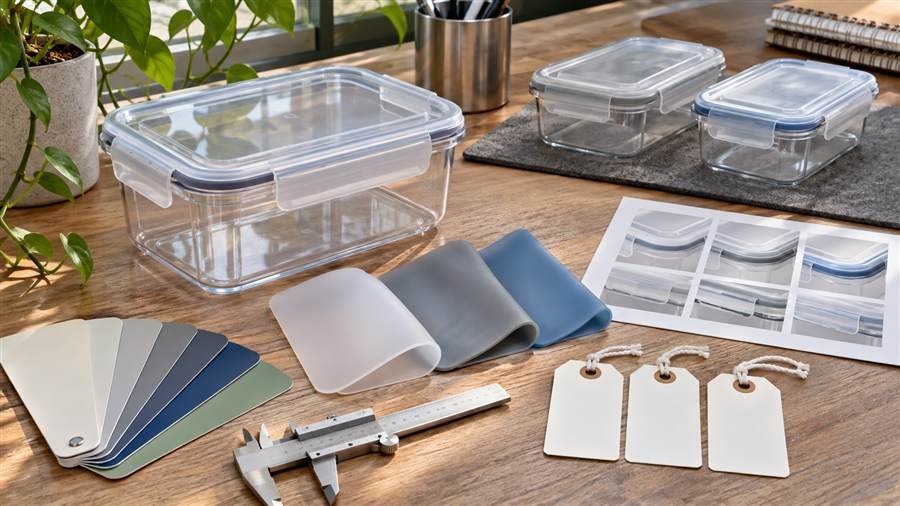
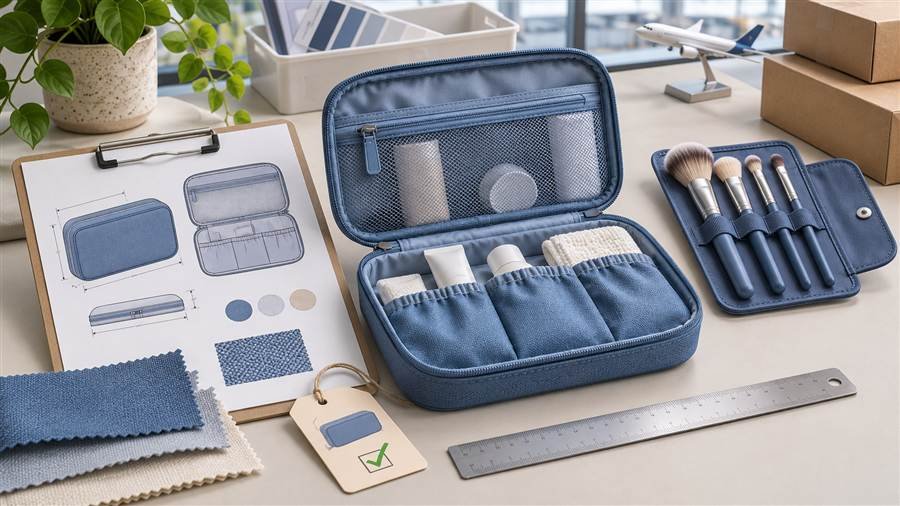
Imagine the blue organizer again. A supplier listing says “navy,” a sample looks more like teal, and a later batch uses a thinner zipper. These are small differences until a customer orders from a photo showing the first version. A usable brief fixes the reference before purchasing starts.
Send the product link or photo, intended use, dimensions, material, colors, accessories, target market, order volume, and the packing you expect. If the item has several variants, give each one a clear name and SKU. For electrical, cosmetic, food-contact, or children’s items, include the product and market requirements that need specialist review. A generic supplier certificate for another product is not enough.
FriendDropshipping’s product sourcing service says it can turn a link, image, or written requirement into supplier options, quotations, samples, and a handoff to fulfillment. Ask for a few comparable offers for the same item, with inclusions and open questions marked. A long list of unrelated listings makes the buying decision harder.
Approve the item customers will receive
Buy or request a sample. Check it beside the specification, then photograph the version you approve. Record the supplier, material, size, color, accessory set, and any revision detail. If a supplier later offers a “similar” organizer at a lower price, treat it as a new candidate. A photo that looks close does not tell you whether the zipper or fabric will hold up.
Agree how a change is raised. The supplier may run out of a component, switch a carton, or alter a finish. Your team should decide whether to accept the new version before it reaches sellable stock. The purchasing conversation and warehouse instruction can then refer to the same approved item.

Product checks before stock is marked sellable
When a shipment reaches the warehouse, someone needs to match it to the purchase and the approved reference. Count the units. Check visible condition, obvious product details, variant labels, and the packaging that matters to your store. Hold unidentified or damaged units for a decision. A stock number is only useful if it represents units you would actually send to a customer.
FriendDropshipping’s quality-control page describes inspection against an agreed sample or specification, with the scope set by product, batch, and order. A check might be a sample inspection, a full visual inspection, or an order packing check. Ask which applies to your SKU. “QC included” is too loose a phrase to guide a warehouse worker.
Visible inspection has limits. It can catch a scratched mirror or the wrong brush color. It cannot, on its own, prove that a cosmetic formula is stable, an electrical device meets a destination standard, or a supplement has the required composition. Those questions need product records, qualified testing, or a specialist review. The store should identify such requirements before the product goes live.
For a high-return item, make the defect list concrete. A pouch may fail for a torn seam, a wrong size, or a missing strap. A ceramic accessory may need a chip check and a protective insert. Photograph a few accepted and rejected examples. The warehouse then has a usable reference rather than a vague instruction to “check carefully.”

Stock and store orders need to stay connected
There are two common ways to feed a China-side fulfillment operation. For a new product, the team may buy against demand if the supplier and lead time allow it. For a proven seller, you may place stock in the warehouse so orders can be picked from available units. Both can end with one parcel per customer, but the time and inventory risk are different.
If you pre-stock, ask for a record of received quantity, sellable quantity, held stock, and orders already allocated. If you buy after each order, ask how long the supplier normally takes to deliver to the warehouse and what happens when the item is unavailable. Neither workflow should promise dispatch before the goods are physically ready.
Every storefront variant must map to a warehouse SKU. “Blue, medium” and “navy, M” may be the same item to a person, but an order system needs one approved mapping. Check bundles too. If a travel kit contains the organizer and brushes, the kit is only available when both components and its packaging are available. The warehousing service can be part of that setup; the important question is how your stock status is updated and who can see an exception.
For a Shopify store, define the connection before volume rises. Which order status releases the pick? How are address changes, cancellations, duplicate orders, and refunds sent to the warehouse? When is tracking returned to the store? The current fulfillment page describes store-order routing and tracking coordination, but the precise integration and data flow should be confirmed for your account. A test order is the fastest way to see where a manual step still sits.
Packaging works better when instructions are tied to the SKU
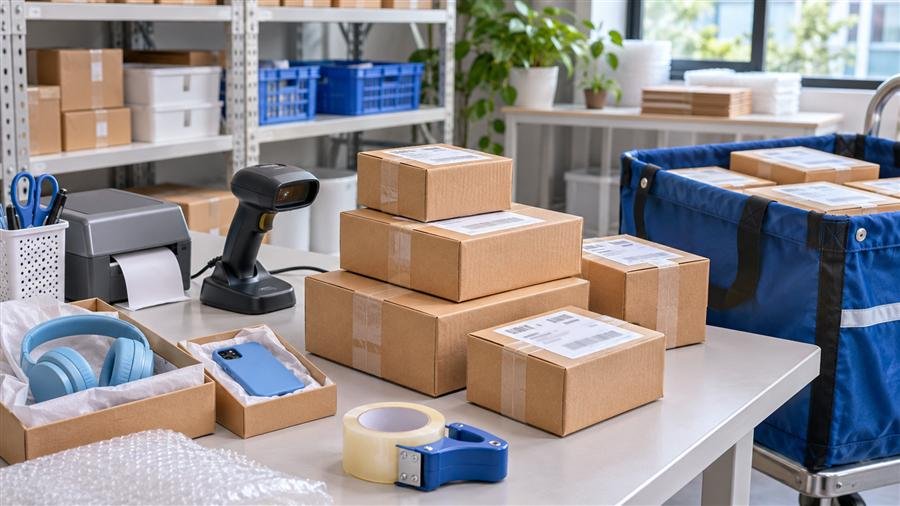
Packing can look simple until a store has three box sizes, two insert designs, and a bundle that needs every part in a particular order. Write down the approved pack for each SKU or kit. Include the retail package, protective material, outer parcel, insert, label, and any item that should be removed before shipping. Put a version or date on the instruction so the next shift uses the same one.
FriendDropshipping offers custom packaging and private-pack options, including brand inserts and product presentation. Those materials need their own stock record. A beautiful thank-you card is no help if the warehouse ran out last Tuesday and the store still promises it. Confirm artwork, print quantity, minimum order, unit cost, and what happens to unused packaging if the product changes.
The protective layer matters just as much as the brand layer. A mirror may need a rigid insert. A lotion bottle needs a closure and leak plan. An electronics module may require ESD protection. The right materials depend on the actual item and route. Build the final package around the product’s weak point, then test a packed sample. An empty branded box tells you little about how the full parcel will survive sorting.
Shipping decisions depend on the product and destination
“Worldwide shipping” is a headline, not a route plan. A small fabric pouch, a glass bottle, a device with a lithium battery, and an alcohol-based fragrance may have different carrier options. The destination changes the customs and delivery questions too. Before listing an item, confirm the packed size and weight, product attributes, target country, carrier acceptance, duty arrangement, and expected tracking events.
FriendDropshipping’s shipping-solution page describes route choices and parcel handling. Use it as a starting point for a SKU-specific quote. Ask for the shipping line, chargeable weight basis, estimated delivery range, customs responsibility, and the point at which a carrier first accepts the parcel. A label created in the warehouse is not a carrier scan.
In DHL’s delivery and returns research, 76% of surveyed shoppers said they would not buy from an online retailer if they did not trust the delivery or returns provider. The survey says nothing about the performance of a particular route. It does show why the store needs a delivery offer it can explain and support.
When a parcel goes missing or arrives damaged, define the route for evidence and decisions. Who checks the last scan? Who requests a carrier trace? Who supplies the packing photo or product reference? Who authorizes a resend? The customer sees your store, so the store needs a response even when the cause sits in the warehouse or carrier network.
A worked order: two items, one branded parcel
Suppose a store sells a travel set with a blue organizer and a brush pair. The organizer comes from one approved supplier, the brushes from another. The merchant has approved both samples and a kraft box with a fitted paper insert. The pack instruction says which item goes where and which card goes on top.
At receiving, the team counts each product and separates any wrong shade or damaged brush. Sellable units are recorded under distinct SKUs. When the Shopify order is released, the warehouse checks that both items and the correct insert are available. The picker scans the components. A packer follows the kit instruction, checks the finished parcel, chooses the quoted route for the destination, and sends the tracking event back to the store after dispatch.
Suppose the blue organizer is out of stock. The operation should hold the kit and tell the merchant what is missing. It should not quietly substitute teal, ship the brushes alone, or mark the whole order fulfilled. The merchant can choose a wait, approved substitute, split shipment, or refund according to its customer promise. That decision can be made before a parcel leaves.
Costs and evidence: what a useful quote should show
Ask for a quote on your exact product, pack, destination, and expected order pattern. The number you need is the cost of a delivered, saleable order, with the service scope clear. A factory price by itself leaves out domestic China shipping, receiving, inspections, storage, packaging, picking, international freight, and likely exceptions.
| Cost line | What to ask | Evidence to keep |
|---|---|---|
| Product | Which approved version and quantity does the price cover? | Supplier quote and sample reference |
| China-side movement | Is factory-to-warehouse freight included? | Purchase and receiving record |
| Inspection and storage | Which checks and stock terms are included? | Agreed scope and inventory report |
| Packing | What materials, inserts, and labor are charged? | Pack specification and packaging balance |
| International shipping | Which route, weight band, and duty model apply? | Route quote and test-order scans |
| Exceptions | What happens after a defect, loss, or return? | Remedy terms and case record |
If two providers quote different totals, put them on the same basis. A cheap quote that excludes branded materials or uses an unrealistic parcel weight is not comparable. Start with a small order pilot. Measure paid-order release to warehouse acceptance, warehouse acceptance to physical carrier handoff, first-scan delay, accuracy, damage, and how long an exception takes to resolve. These are measures for your products and route, not universal performance guarantees.
Ask for the records you will actually use. A stock export, a few pack photos, a route matrix, and a simple issue log can answer more questions than a polished dashboard screenshot. Agree who updates each record and how often. If the seller has to chase the same missing detail every day, the workflow is still carrying hidden work.
When this model fits, and when it may not
An agent-led sourcing and fulfillment setup is often useful when a store has several suppliers, a growing set of variants, repeat orders, or branded packaging that a catalog app cannot easily control. It can also help when the merchant already has a supplier but needs China-side receiving, inspection, and single-order dispatch.
For a one-week ad test with an unproven product, a simple catalog or direct supplier workflow may be enough. A regulated product still needs its market-specific evidence and responsible parties; coordination does not grant approval. If a destination lacks an acceptable route for your item, choose another product or fulfillment location before making a delivery promise. The best setup is the one whose handoffs you can see and manage at your current volume.
Conclusion
FriendDropshipping connects supplier work to the physical customer order: approved product, checked stock, known pack, eligible route, and traceable handoff. The merchant can see what happens to a SKU when a supplier changes it, a picker cannot find it, or a parcel misses its first scan. Start with one product and a small pilot, then expand the process that holds up.
FAQs
1. What does FriendDropshipping do for a Shopify store?
It can coordinate China-side sourcing, product receiving, stock, packing, dispatch, and tracking for agreed products. Confirm the exact store integration, order states, and responsibilities for your account.
2. Can I bring my own supplier or product link?
Yes, you can start with a link, photo, specification, or supplier you already use. Share the exact item and the part of the process you want help with.
3. Does FriendDropshipping find factories or only ship products?
Its current sourcing page describes supplier and factory search as well as sample and quote coordination. Fulfillment can be scoped separately for an approved product.
4. Do I have to buy inventory before taking orders?
That depends on the supplier, lead time, and service model. Per-order buying may suit a test; stored stock may suit repeat demand. Confirm minimums and who owns unsold units.
5. How are samples approved before customers receive products?
Agree the specification, inspect a sample, and record the approved version with photos and variant details. Later stock should be compared with that reference.
6. What does a warehouse quality check cover?
The scope may include visible condition, variant, quantity, accessories, and packing. Sampling or full inspection should be agreed by SKU. Visual checks do not replace specialist testing or regulatory evidence.
7. Can products from several suppliers go into one parcel?
They can be combined when the products are received, identified, and available in the same fulfillment workflow. Confirm kit rules, timing, packaging, and what happens when one item is missing.
8. Can I use custom packaging or branded inserts?
Packaging and inserts can be planned for approved products. Check artwork, minimum print quantity, unit cost, stock, and the pack instruction before promising a branded unboxing.
9. Is there a minimum order quantity for packaging?
It depends on the material and print process. Ask for the minimum and the cost of unused stock for the exact box, card, or label you want.
10. How are Shopify orders and SKU variants matched?
Each store variant needs a matching warehouse SKU and a release rule. Test addresses, cancellations, bundles, stockouts, and tracking with sample orders before scaling.
11. What happens when an item goes out of stock?
The order should be held and the merchant told what is unavailable. Agree in advance whether the customer can wait, accept an approved substitute, receive a split shipment, or get a refund.
12. How are shipping routes and delivery estimates chosen?
The product, packed size and weight, destination, carrier acceptance, and duty arrangement shape the choice. Ask for a route-specific estimate rather than a universal delivery promise.
13. When does a tracking number become a real carrier scan?
After the parcel is handed to and scanned by the carrier. A warehouse-created label may show a number earlier, so track both events separately.
14. Who handles a damaged parcel or customer return?
Your store handles the customer relationship. Agree how the warehouse provides pack evidence, how carrier claims are raised, and who decides on a replacement or stock disposition.
15. What details should I send for a useful quote?
Send the product link or specification, variants, expected volume, target countries, current supplier if any, packaging needs, and desired order flow. Include a packed sample or dimensions if you have them.
Table of Content

I’m Cassiel. I’ll help you scale your Shopify business with reliable fulfillment.
Join to newsletter.
Follow us and get more knowledge.