You find a $14 desk lamp, list it for $29, and get your first sale. Nice. Then the supplier quotes $8 for shipping. Your store charges a payment fee. The customer lives somewhere the cheap shipping line does not serve. Suddenly, “free supplier” sounds a little funny.
Free can still be useful. You can often use the supplier platform without a monthly subscription, then pay for the product and delivery when you place an order. For a small store testing a few products, that can be a sensible start.
This guide covers 12 options that offer a usable no-monthly-fee route to selling, based on their published plans checked in November 2026. They work in different ways. Some supply or make the item. Others connect you to the seller who does. We will keep that distinction visible, because it changes who handles a missing parcel or a bad batch.
What “free” means when you have an order to fill
For this list, the supplier platform must let a seller place or route a real customer order without a recurring supplier-platform fee. A free trial does not qualify. Neither does a plan that lets you browse a catalog but stops when you try to list or fulfill a product.
There are still bills. Expect a product price, shipping, and sometimes a transaction fee. Samples, custom packaging, taxes, payment processing, your storefront subscription, and ads sit outside the supplier’s free plan. A $0 monthly tier is a pricing arrangement, not a promise that starting a store costs nothing.
The word supplier also stretches across several models. AliExpress is a marketplace of individual sellers. DSers is an order-routing app for that marketplace. Printful makes custom goods to order. Shopify Collective connects independent Shopify brands. Each can help you dropship, but you need to know which company owns the product and which one ships it.
Some popular names miss our test. Zendrop’s plan explanation says its $0 tier is for browsing; it cannot import products or process orders. Syncee’s free marketplace tier is also for browsing, while DropCommerce requires a paid plan for order processing. Their paid products may suit another budget, but they do not belong in this particular list.
Compare the 12 no-monthly-fee options
Each option below has a published free route for handling a real order, subject to account eligibility and product charges. Features and destinations still vary.
| Option | What it is | Best fit | Main cost or limit to check |
|---|---|---|---|
| AliExpress | Marketplace of sellers | Testing general products | Seller-by-seller price, shipping and returns |
| CJdropshipping | Sourcing and fulfillment platform | General goods with order tools | Product and freight quote; service options |
| EPROLO | Sourcing and fulfillment platform | Broad catalog and store sync | Item-level price, route and branding |
| DSers Basic | AliExpress order app | Managing AliExpress orders | AliExpress seller charges; Basic limits |
| HyperSKU | Agent-led sourcing platform | Quoted products and managed fulfillment | Full landed quote for each SKU |
| SupDropshipping Basic | Sourcing and fulfillment app | Testing catalog items | Daily sourcing and listing limits; paid packaging |
| Shopify Collective | Brand-to-brand network | Complementary Shopify products | Eligible Shopify store and supplier terms |
| Modalyst Hobby | Supplier marketplace app | Small curated catalog | 25-product limit and 5% retail-value transaction fee |
| Trendsi Free | Fashion supplier platform | Apparel and accessories | 500 listings; product and delivery cost |
| Shewin | Fashion supplier app | Women’s clothing | Shipping and payment charges |
| Printful Free | Print-on-demand producer | Custom apparel and gifts | Product, print, delivery and optional extras |
| Printify Free | Print-on-demand network | Comparing print providers | Provider-specific base price and shipping |
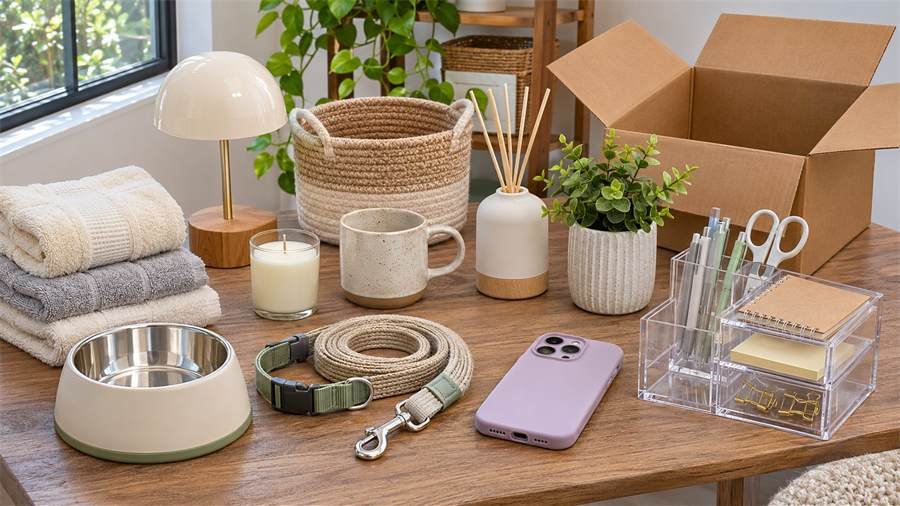
A phone case from a China marketplace, a printed tote, and a US brand’s candle have different lead times and return paths. Start with the product and the buyer’s location, then look at the platform.
General products: six routes that avoid a supplier subscription
1. AliExpress: broad choice, with seller-by-seller work
AliExpress is often a first stop because you can order one unit without negotiating a wholesale contract. That makes it handy for testing a product idea. It also means the marketplace name tells you little about a specific seller’s packing or response time.
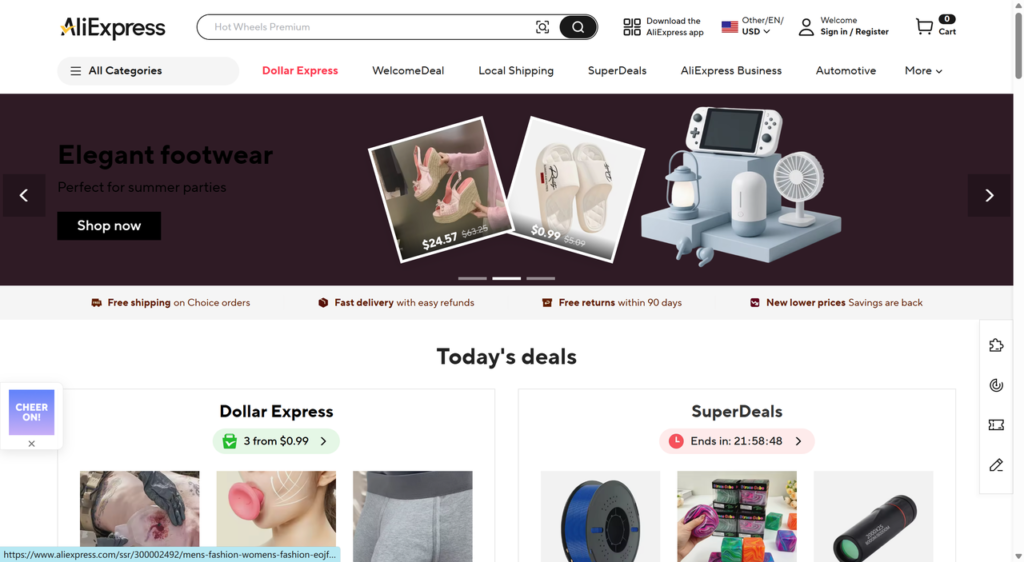
Check the exact variation you plan to sell. A listing may show an attractive starting price for the smallest size, then a very different price for the color customers actually choose. Add the shipping method and destination before you calculate margin. Ask about neutral packaging if your store promises it. Buy a sample, including the variant you expect to sell most.
AliExpress fits a low-volume test when you can review sellers carefully. Keep a backup source in mind if an item must look identical in every batch, and check delivery estimates for your actual market.
2. CJdropshipping: catalog sourcing with fulfillment tools
CJdropshipping publishes a $0 monthly basic tier and offers sourcing, product listings, order handling, and quality inspection features. You still pay for the item and its shipping. Its catalog and warehouse options can make day-to-day work simpler than placing every marketplace order by hand.
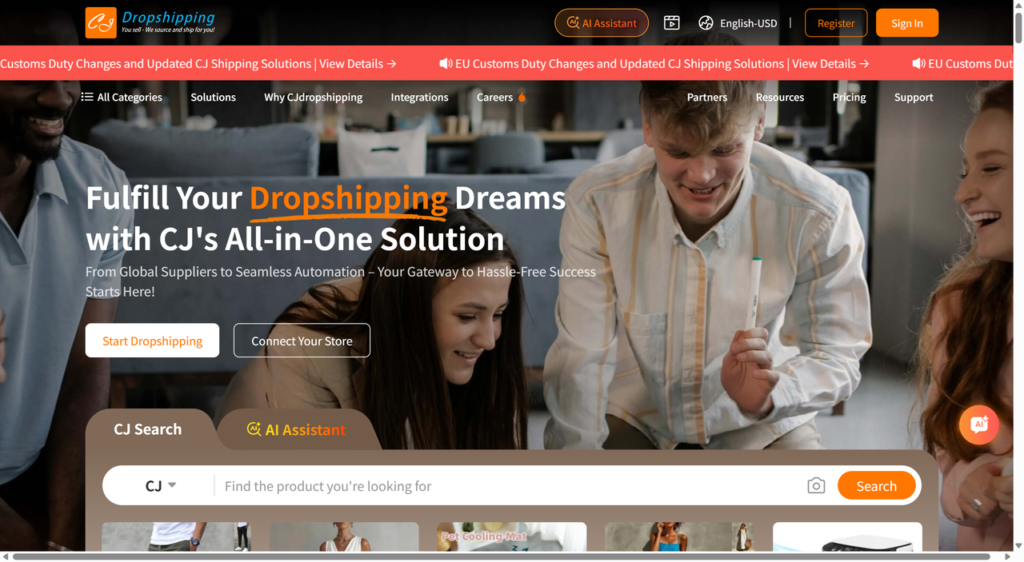
Do the work at SKU level. Ask which warehouse holds the specific item, whether stock is actually there, what the packed weight is, and which shipping route serves your customer’s country. A product showing a US warehouse option does not mean every color and size is stocked in the US. Test the tracking and the delivered condition with a sample order.
Its free tier is useful when you want a broader catalog with one order dashboard. If you need a particular insert, bundle, or inspection rule, price that service separately. Our Chinese supplier comparison goes deeper on the sourcing models behind these platforms.
3. EPROLO: a free platform with optional brand work
EPROLO describes its platform as free to use for sourcing and order fulfillment. You can connect a store, choose products, and pay when orders arrive. It suits a store testing several categories from one dashboard.
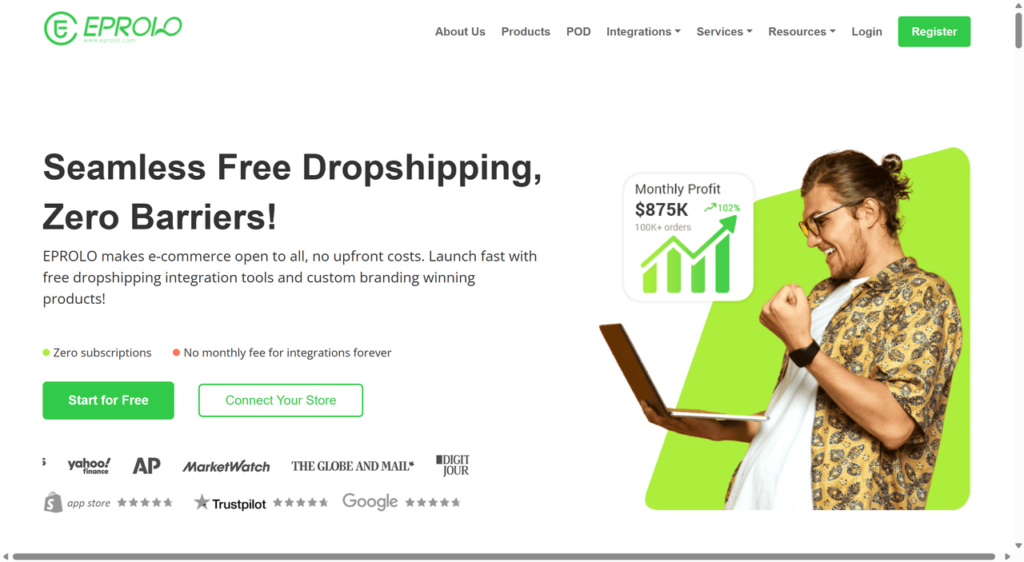
A catalog page is only the start of the quote. Confirm the product version, packing method, shipping line, and any charge for branding. If a photo shows a box but your customer expects a gift-ready box, ask what ships by default. The box might be there for the photo.
Try an order to your main market and compare the promised handoff with what happens. If the packing differs from the listing, fix the product page before scaling it.
4. DSers Basic: the AliExpress tool, not the supplier
DSers Basic is free and lets a seller manage AliExpress products and orders without paying DSers a monthly fee. Its published Basic plan has limits, including three connected stores and 3,000 imported products. Those numbers are generous for some beginners; they still matter if you run several storefronts.
DSers moves order information. The AliExpress seller supplies and ships the item. If a package contains the wrong color, you need the seller’s resolution process, even though the order flowed through DSers. Check the seller’s stock and price before assuming automation will protect your margin.
This setup suits someone comfortable comparing individual marketplace sellers. If you want one party to source, check, pack, and ship across several vendors, compare an agent with a supplier before moving more orders.
5. HyperSKU: request a complete quote
HyperSKU says it has no monthly subscription. It focuses on sourcing and fulfillment with account support, so it can be worth a look when your product is specific and a generic catalog result is a poor match.
Ask for an all-in order quote for the exact SKU and destination: product, packing, shipping method, and any optional work. Get the promised processing time in writing. A fast international-delivery claim on a landing page is not a delivery promise for every product or postcode.
This route suits a product that is already selling and needs closer sourcing attention. For a speculative item, getting a quote may take more effort than a marketplace test. Compare the sample and shipping lane before judging the price.
6. SupDropshipping Basic: useful limits to read closely
SupDropshipping lists a free Basic plan with order fulfillment. Its pricing page currently shows five sourcing requests per day, 500 listings, three store integrations, and 30 days of free storage. Custom packaging and labeling are charged on the Basic tier.
Those limits tell you more than a broad “free forever” banner. If you only test a dozen products, five sourcing requests a day may be fine. If you rebuild a catalog every week, the limit can slow you down. Storage terms matter if you pre-buy inventory, which changes the cash flow from ordinary order-by-order dropshipping.
Ask who pays for a mispick and whether multiple supplier items can travel in one parcel.
Fashion, brand products and custom goods: six other free routes
7. Shopify Collective: sell another brand’s products
Shopify Collective lets eligible Shopify stores connect with other Shopify stores. A retailer can import a supplier brand’s products, and the supplier fulfills orders placed through the retailer. Collective itself is free to use on eligible Shopify plans. Your Shopify store subscription and the supplier’s product terms remain separate costs.
It makes sense when a product genuinely complements your catalog. A homewares store might add a nearby brand’s candles, for instance. You still need to agree on pricing, shipping, returns, and how the customer sees the combined order. If two brands ship separately, the customer may receive two parcels on different days.
Check supported countries, currencies and store requirements before building a plan around it. Available supplier brands also vary.
8. Modalyst Hobby: small catalog, visible transaction fee
Modalyst’s Hobby plan is $0 per month and allows 25 products. Its help center also states a 5% transaction fee on the retail value of orders. That fee is easy to miss if you look only at the monthly price.
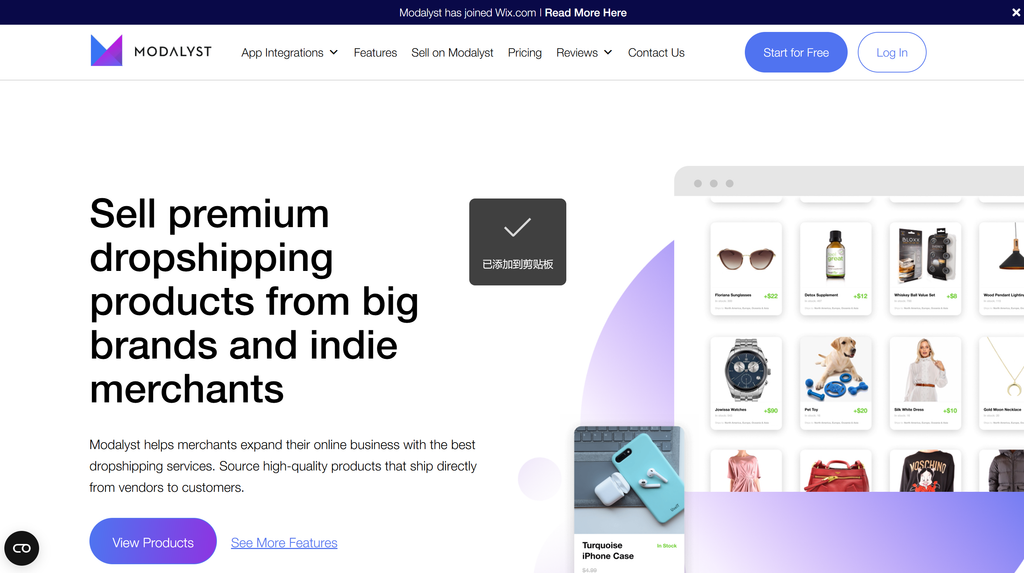
Say an item sells for $40. Five percent of the retail value is $2 before you account for product cost, shipping, payment processing, or refunds. That example is arithmetic, not a quote for a particular product. A small curated catalog may still work well if the items have enough margin and fit your audience.
Use the 25 slots deliberately. Start with a handful of related products, order samples, and check each supplier’s stock and return terms. A store with 25 clear choices can be easier to run than one with 2,500 random items.
9. Trendsi Free: fashion with order processing
Trendsi’s current free plan lists up to 500 product listings and unlimited order processing. Its catalog centers on fashion and accessories. The platform also supports samples and lists branding options, but you should confirm the charge and availability for the exact service you need.
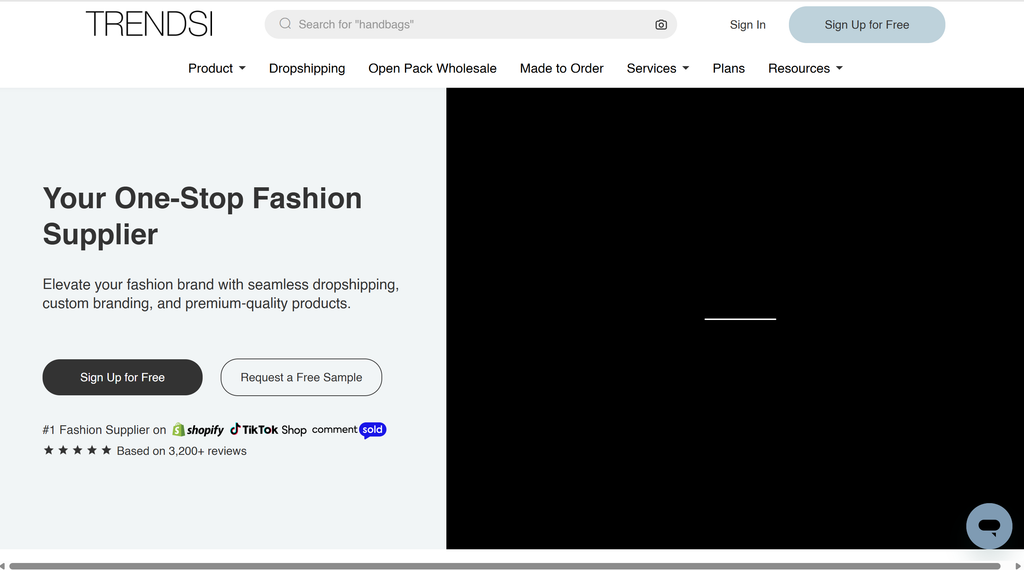
Apparel needs more checking than a product photo suggests. Size charts, fabric feel, seam quality, and return handling all affect whether a customer keeps the item. Order the sizes you expect to sell. One medium sample will not show whether the extra-large version fits as described.
Look at destination coverage and shipping charges before you promise delivery. Trendsi says it serves the US and selected other markets; selected is the word to pay attention to. If most of your buyers live outside a supported route, a strong catalog does not fix the shipping problem.
10. Shewin: another fashion option with order charges
Shewin’s Shopify app is free to install and describes order syncing, inventory updates, and direct fulfillment for women’s clothing and accessories. Its app listing says shipping costs and payment fees apply. The app gives a way to sell without buying inventory upfront, while the per-order bill still needs checking.
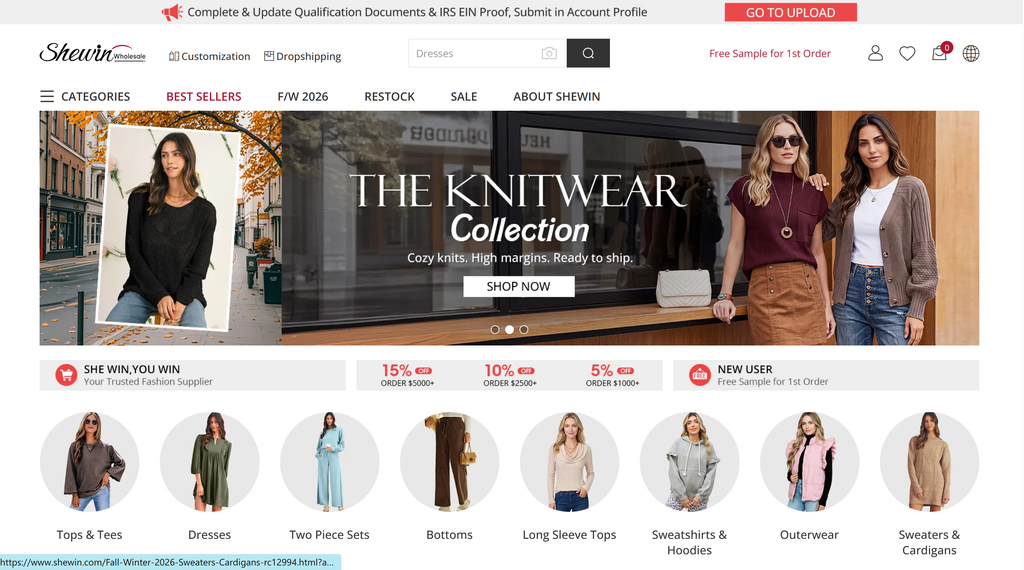
Compare the landed cost of a sample with Trendsi or another fashion source. Pay attention to the fabric composition and care label, especially if you sell across borders. A dress that looks similar in two supplier photos may arrive with a different lining or stretch. That difference lands in your returns inbox.
Shewin lists sourcing locations in China and the US. Confirm the actual stock location for each SKU; only some items may ship locally.
11. Printful Free: custom goods made after the sale
Printful’s Free plan is $0 per month and supports order fulfillment. Product pricing includes the blank item, one print or embroidery placement, and fulfillment. Shipping, tax, extra print areas, and some other features are separate.
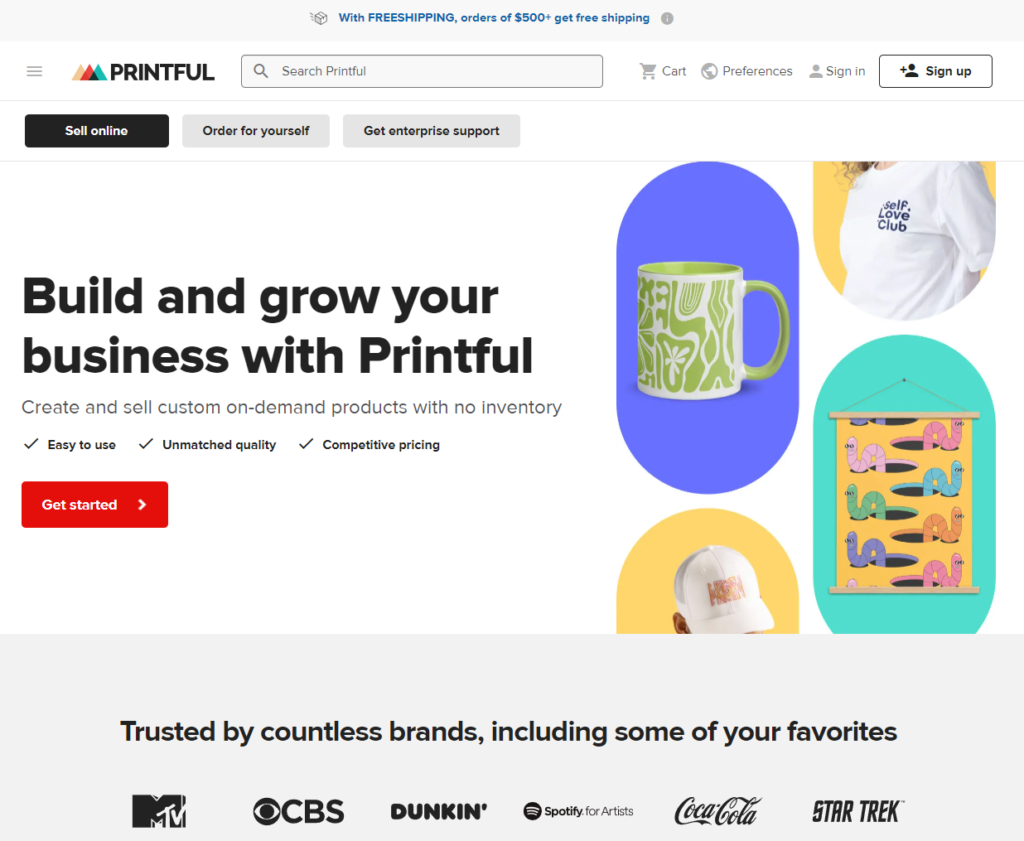
Print-on-demand fits original designs and products that would be risky to stock in every size. You still need a physical sample. Screen color and printed color do not always agree. Wash a sample shirt and see how the package reaches a buyer.
The base price may be higher than ordering a batch from a factory, because production starts after each sale. That trade can be fine while you learn which design people want. If you later sell a design every day, compare batch production, storage, and fulfillment as a separate calculation.
12. Printify Free: compare print providers before choosing
Printify’s Free plan is $0 per month and supports connected sales channels and orders. The company says it earns a margin on fulfillment prices. Product and shipping costs vary with the print provider you choose. Its pricing page shows the current plan limits.
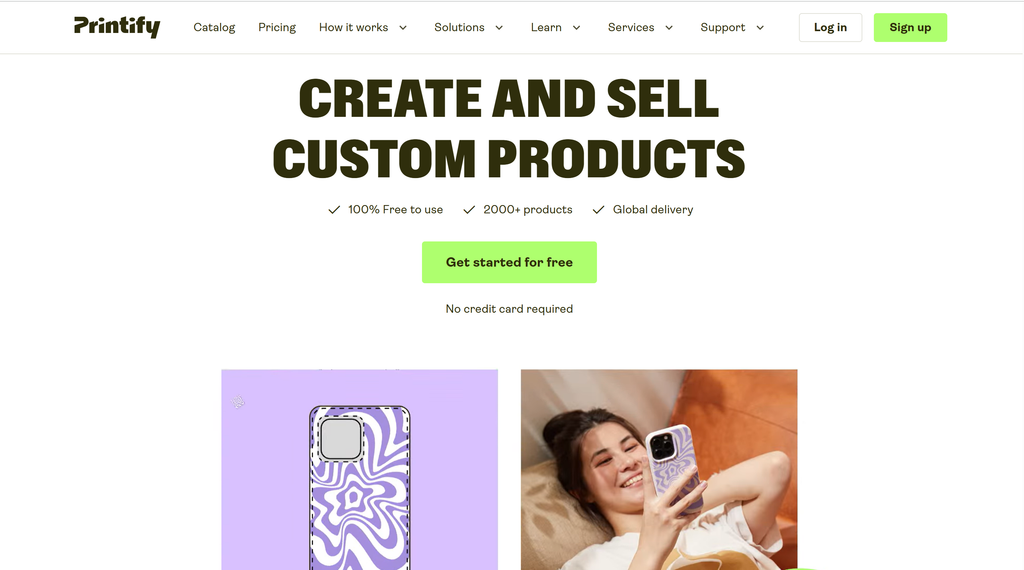
That provider choice is useful, but it adds a step. Two printers offering the same blank shirt may differ in print method, available sizes, production location, packaging, and shipping price. Order samples from the actual provider you plan to use. Do not use one printer’s sample to approve another printer’s listing.
For a design store, compare delivered price and print consistency. A cheaper base item can still lead to more reprints or refunds.
Work out the real cost of one order
Use the same simple sheet for all twelve options. Take the price your customer pays, then subtract every cost tied to that order. Keep tax treatment separate because it depends on where you and the buyer are.
| Illustrative mug order | USD | What to verify |
|---|---|---|
| Customer price | $28.00 | The actual checkout total before tax |
| Product and print | $11.00 | Exact blank, print placement and variation |
| Supplier shipping | $6.50 | Destination, parcel weight and method |
| Payment processing | $1.10 | Your store’s real rate |
| Refund allowance | $1.40 | Your observed rate, once you have orders |
| Amount left before ads and overhead | $8.00 | $28.00 minus the four costs above |
These numbers illustrate the method; they are not a supplier quote or industry average. The $8 still has to cover ads, store software, support, and your time. If the payment processor releases funds later, you may need cash to pay the supplier first.
Watch the shipping detail. A $4.50 product can require a larger box or a more expensive route than a $9 product. Materials matter too: a glass bottle needs protective fill; a lithium battery can face carrier restrictions; a cosmetics item may need ingredient and labeling checks. A cheap catalog price by itself says little about the final order.
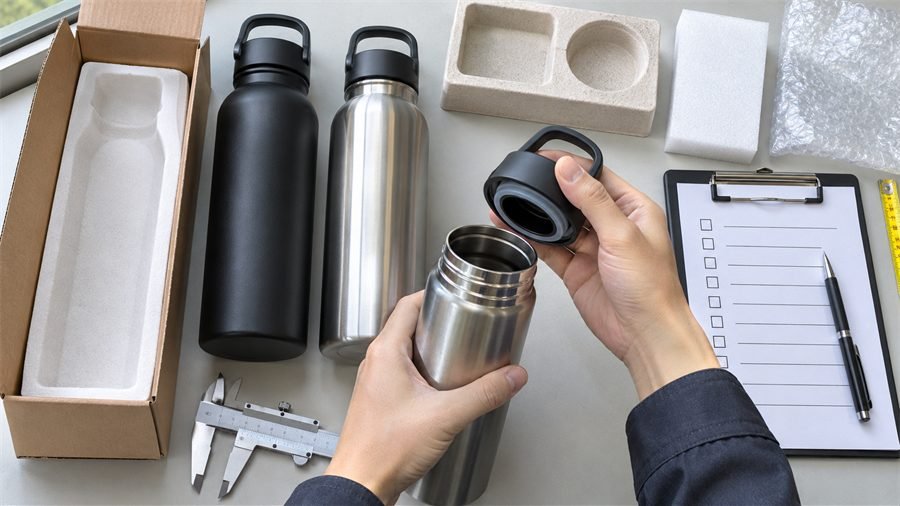
Samples belong in the test budget. You pay for the sample and its shipping even if you never list it. That is usually cheaper than discovering a sizing or quality problem through ten customer complaints.
Choose by the job your store needs done
If you are testing a general product with a few orders a week, AliExpress plus DSers or a free sourcing platform can keep monthly supplier costs low. Order a sample and check the exact destination route. Do not publish a delivery promise until you have evidence for it.
If you sell your own design, start with Printful or Printify. Compare the physical sample, available variants, and delivered cost. For fashion, Trendsi and Shewin make more sense as starting points, provided the sizes, fabrics, and return path fit your customers. If you already run an eligible Shopify store and want products from another brand, Collective may be a better match than a general marketplace.
Your category can change the paperwork. A children’s toy sold in the US, for example, may need evidence against the applicable ASTM F963 requirements and a Children’s Product Certificate. EU sellers should check the General Product Safety Regulation where it applies. Cosmetics, electrical items, and batteries have their own product or carrier rules. Ask for documents tied to the exact item and manufacturer. Branded goods need a clear right to resell them.
When you compare suppliers, use a short test: Can I get the exact sample? Who owns the stock? Who checks the item before packing? What does the customer receive? What happens when tracking stalls or a return comes back? Shopify’s ecosystem and the major marketplaces offer plenty of choices, but the answers belong to the actual seller and SKU.
When a free platform starts costing too much in work
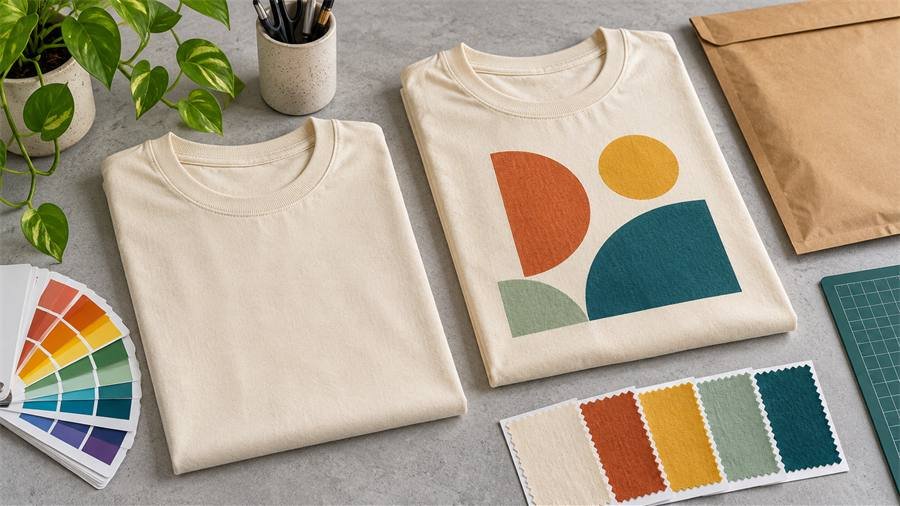
The first warning is usually messy operations, not the subscription price. Maybe three suppliers send separate parcels for one customer order. Maybe a product photo stays live after the color sells out. Maybe you need the same branded insert in every box, and no one can tell you who added it.
At that point, compare a managed sourcing and fulfillment setup. It may give you one route for product sourcing, sample checks, packaging instructions, and shipping exceptions. It will have its own quoted costs. FriendDropshipping’s product sourcing service and fulfillment service describe that kind of work. Ask for a written quote with the item, inspection, packing, freight, storage, and exception charges separated. Our guide to China dropshipping agent fees can help you read the quote.
Do the comparison at your actual order volume. An agent is not automatically the right move after one sale. It becomes worth considering when scattered supplier work, mistakes, or packaging limits have a cost you can see.
Conclusion
A free supplier plan is most useful when it lets you fulfill a real order and leaves enough margin after product, shipping, and returns. Pick two or three options that fit your category, order samples, and price the same destination on each. You will learn more from those parcels than from another afternoon comparing signup banners.
FAQs
Are there really free dropshipping suppliers in 2026?
Yes, if “free” means no recurring supplier-platform fee. You still pay for the product, shipping, and any paid service you choose. Some platforms also charge per-order fees.
What does “free to install” mean for a dropshipping app?
It means you can add the app without an installation charge. Check whether publishing products and processing orders are included, then read the separate shipping and transaction charges.
Can I process orders on Zendrop’s free plan?
Its published $0 browsing tier cannot import products or process orders. Review the current paid or usage-based plans if you want to sell through Zendrop.
Is DSers a supplier?
No. DSers is software for importing and routing AliExpress orders. The AliExpress seller provides and ships the product.
Which free option works best for a new Shopify store?
It depends on the product. DSers with AliExpress suits marketplace tests; Printful or Printify suits original designs; Trendsi suits fashion. Compare a real sample and landed cost before choosing.
Can I dropship without paying for inventory upfront?
Many options let you buy an item after a customer orders, so you avoid holding stock. You may still need cash before the customer’s payment clears, and samples cost money.
Do free suppliers charge for shipping or returns?
Usually, yes. Shipping is commonly a per-order charge. Return freight, refunds, and replacement costs depend on the supplier’s terms and the reason for the return.
Which free option offers US-based products?
Shopify Collective can connect you with eligible Shopify brands, while some platforms and print providers offer US stock or production. Confirm the exact SKU’s origin; a platform’s US presence does not mean every item ships from the US.
Which free platform is best for print-on-demand?
Printful and Printify both have usable free plans. Printful handles production within its network; Printify lets you compare print providers. Test the specific blank, print, and destination you plan to sell.
Can I use Shopify Collective without a Shopify subscription?
No. Collective is free to use for eligible Shopify stores, but the Shopify store plan is a separate expense.
Is AliExpress free to use for dropshipping?
You can browse and place product orders without a supplier-platform subscription. Each AliExpress seller sets product and shipping charges. Your store and any order app may have their own costs.
How do CJdropshipping and EPROLO compare?
Both offer no-monthly-fee sourcing and fulfillment routes. Compare the exact SKU, sample quality, warehouse location, shipping line, packaging and returns. Those details change more than the headline plan price.
Does a free plan include custom packaging?
Sometimes there is a basic packing slip or standard package. Custom boxes, inserts and labels often cost extra or have minimum quantities. Ask what will ship on your first order.
What should I test before listing a supplier’s product?
Order the exact variation, check its materials and packaging, confirm shipping to your main market, and review the return process. For regulated categories, check the required documents for that product and destination.
When should I move from a free platform to a private agent?
When repeated sourcing, quality checks, bundles, branding, or shipping exceptions take more time and money than a quoted managed service. Compare the full cost at your actual order volume.
Table of Content

I’m Cassiel. I’ll help you scale your Shopify business with reliable fulfillment.
Join to newsletter.
Follow us and get more knowledge.