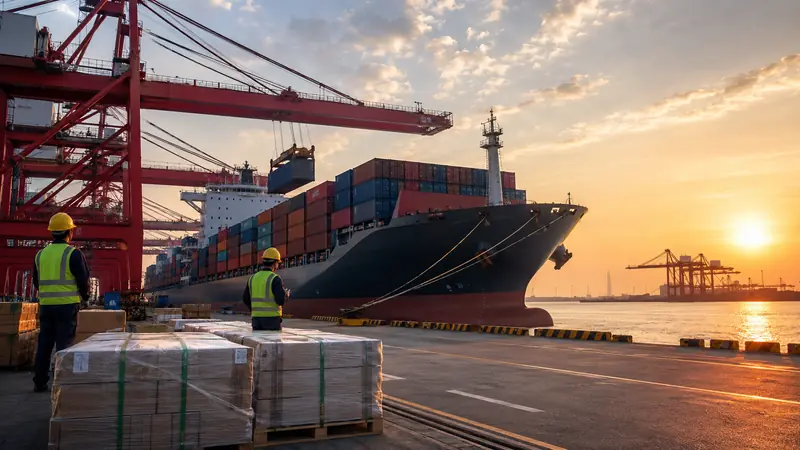
The European Union is introducing a temporary customs duty of €3 per item on low-value imported e-commerce goods. According to the European Commission, the rule applies from 1 July 2026 to 1 July 2028 to consignments with an intrinsic value up to €150.
For dropshipping sellers shipping products from China or other non-EU countries to European customers, this change may affect pricing, customs declarations, product selection, and customer communication.
At Frienddropshipping, we are preparing practical solutions to help online sellers reduce disruption, improve compliance, and keep European orders moving smoothly.
What Is the EU Temporary Tax Reform?
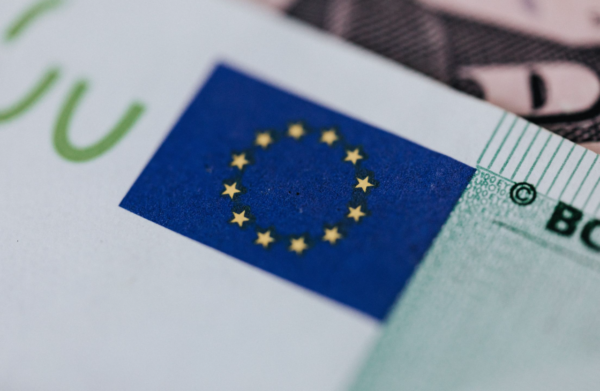
The EU temporary tax reform is part of a wider customs modernization plan designed to respond to the rapid growth of cross-border e-commerce parcels.
The key change is simple:
From 1 July 2026, many low-value imported items entering the EU may be subject to a temporary €3 customs duty per item.
This temporary duty is expected to run until 1 July 2028, when broader EU customs reform and the EU Customs Data Hub are expected to reshape how e-commerce imports are processed.
Previously, goods valued under €150 could often benefit from customs duty relief. The EU is now removing that relief because low-value imports have grown massively, creating pressure on customs authorities and concerns around tax collection, product safety, and unfair competition.
Who Will Be Affected?
This reform mainly affects businesses selling goods to EU consumers from outside the EU, including:
-
Shopify dropshipping stores
-
TikTok Shop sellers
-
Amazon and marketplace sellers
-
Private-label e-commerce brands
-
China-to-Europe fulfillment businesses
-
Sellers using IOSS or postal/courier customs clearance
If your store sells products to customers in Germany, France, Italy, Spain, the Netherlands, Poland, or other EU countries, this reform deserves attention now.
What Products Are Included?

The temporary €3 duty targets low-value consignments with an intrinsic value up to €150.
In practice, this may include many popular dropshipping categories such as:
-
Fashion accessories
-
Beauty tools
-
Home and kitchen items
-
Pet products
-
Small electronics accessories
-
Jewelry and watches
-
Toys and lifestyle products
Because the duty is charged per item, sellers need to pay attention not only to parcel value, but also to the number of items inside each shipment.
For example, a parcel containing three low-value items may be treated differently from a parcel containing one item, depending on customs rules and declaration details.
Which EU Countries Will Be Affected by the ViDA Tax Reform?
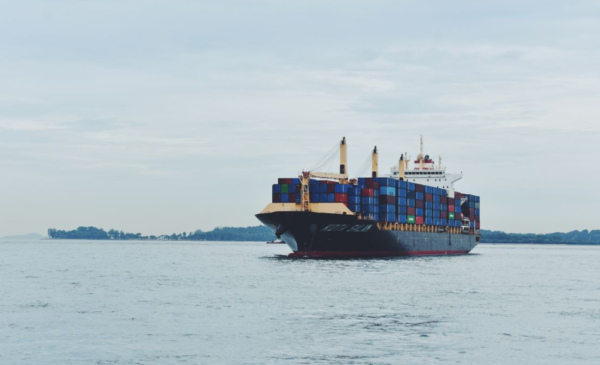
The ViDA (VAT in the Digital Age) reform applies to all 27 European Union Member States. While implementation details may vary by country, the core principles—including digital reporting requirements (DRR), mandatory e-invoicing, OSS expansion, and platform economy VAT rules—will apply across the entire EU.
For ecommerce businesses selling into Europe, understanding the major markets affected by ViDA is essential for future VAT compliance planning.
Western Europe: The Largest Ecommerce Markets
Germany
Germany is the largest ecommerce market in continental Europe and one of the most important destinations for cross-border sellers.
Key considerations:
-
Largest Amazon marketplace in Europe
-
Strong VAT enforcement
-
High volume of cross-border transactions
-
Significant impact from Digital Reporting Requirements
Businesses selling into Germany should expect increased scrutiny of invoice accuracy and VAT reporting once ViDA is fully implemented.
France
France has already been investing heavily in electronic invoicing initiatives.
Under ViDA:
-
Existing French e-invoicing projects will align with EU standards
-
Cross-border VAT reporting will become more automated
-
Ecommerce businesses will face greater digital compliance requirements
Italy
Italy is often viewed as the EU’s e-invoicing pioneer.
The country has operated its SDI electronic invoicing platform for years, making it one of the most prepared Member States for ViDA implementation.
Lessons learned from Italy’s experience are expected to influence broader EU adoption.
Spain
Spain’s digital tax reporting systems already provide a foundation for ViDA compliance.
Businesses operating in Spain should anticipate smoother integration compared with countries that have not yet implemented extensive digital reporting frameworks.
Netherlands
The Netherlands serves as a major logistics gateway for Europe.
Because many ecommerce businesses import goods through Dutch ports and warehouses, ViDA’s changes to VAT registration and OSS reporting will be particularly relevant.
Southern Europe: Growing Ecommerce Opportunities
Portugal
Portugal continues to experience strong ecommerce growth and will adopt the same ViDA framework as other EU countries.
Greece
Greek tax authorities are actively modernizing digital tax administration, making ViDA implementation an important step in broader tax digitization efforts.
Malta
Despite its small population, Malta is a strategic location for many international businesses due to its favorable business environment.
Cyprus
Cyprus is frequently used as a business hub for companies serving European customers and will also be subject to ViDA requirements.
Northern Europe: Highly Digital Economies
Denmark
Denmark’s advanced digital infrastructure positions it well for electronic invoicing and real-time VAT reporting.
Sweden
Sweden is expected to be among the smoother adopters of ViDA due to its mature digital economy.
Finland
Finnish businesses are already accustomed to digital financial processes, reducing the transition burden.
Ireland
As the European headquarters for many global technology companies, Ireland will play a significant role in the implementation of digital VAT reporting.
Central and Eastern Europe: Rapidly Expanding Ecommerce Markets
Poland
Poland has become one of Europe’s fastest-growing ecommerce markets.
ViDA will affect:
-
Cross-border ecommerce imports
-
Marketplace sellers
-
Shopify stores
-
Fulfillment providers
Czech Republic
The Czech Republic has a highly developed manufacturing and ecommerce sector that will need to adapt to digital VAT reporting requirements.
Slovakia
Slovak businesses engaged in intra-EU trade will be directly impacted by ViDA’s new reporting obligations.
Hungary
Hungary already operates one of the most advanced real-time invoice reporting systems in Europe, making it well-positioned for future integration.
Romania
Romania has been investing heavily in tax digitization and anti-fraud initiatives, which align closely with ViDA objectives.
Bulgaria
Bulgarian ecommerce businesses will face the same reporting modernization requirements as the rest of the EU.
Croatia
As the EU’s newest member state, Croatia will continue integrating its VAT systems with broader EU initiatives.
Slovenia
Slovenian businesses involved in regional trade should prepare for expanded digital reporting requirements.
Baltic States
Estonia
Estonia’s digital government infrastructure makes it one of the most technologically prepared countries for ViDA.
Latvia
Latvian businesses engaged in cross-border trade will need to transition toward standardized digital reporting.
Lithuania
Lithuania’s growing ecommerce ecosystem will be affected by both e-invoicing and OSS reforms.
Smaller EU Markets Also Covered
The following countries are equally subject to ViDA requirements despite their smaller market size:
-
Austria
-
Belgium
-
Luxembourg
-
Malta
-
Cyprus
Many international businesses use these jurisdictions for warehousing, tax registration, or European operations, making ViDA compliance equally important.
Why Is the EU Making This Change?
The EU says the reform is designed to make customs more modern, fair, and data-driven.
There are three major reasons behind the change:
-
Huge growth in e-commerce parcels European customs authorities are handling a much larger volume of small imported packages than before.
-
Better tax and duty collection The EU wants to reduce gaps in VAT and customs duty collection.
-
Stronger product safety control More customs data allows authorities to identify unsafe, counterfeit, or non-compliant products earlier.
For sellers, this means European fulfillment is becoming less about “cheap shipping only” and more about accurate product data, stable logistics, and reliable compliance support.
How Will This Affect Dropshipping Sellers?
The biggest impact will be on cost structure and operational planning.
Product Prices May Need Adjustment
A €3 duty may look small, but for low-ticket products it can be significant.
For example:
| Product Price | Temporary Duty | Cost Impact |
| €9.99 | €3 | High |
| €19.99 | €3 | Moderate |
| €49.99 | €3 | Lower percentage impact |
Sellers relying on very low-price impulse products may need to review margins carefully.
Product Bundling Needs More Attention
Because the duty is calculated per item, sellers should review whether bundles, multi-packs, and accessories are still profitable after the new rule.
Frienddropshipping can help sellers review packaging and fulfillment structure through our Sourcing & Fulfillment service.
Customs Data Must Be More Accurate
Incorrect product names, vague descriptions, wrong declared values, or missing product identifiers may increase customs delay risk.
This makes product documentation more important than ever.
Shipping Channels May Change
Some routes may become more suitable than others depending on the destination country, product category, parcel value, and customs process.
Frienddropshipping’s Shipping Solution team can help sellers compare shipping channels for small parcels and bulk goods.
How Frienddropshipping Helps Sellers Prepare
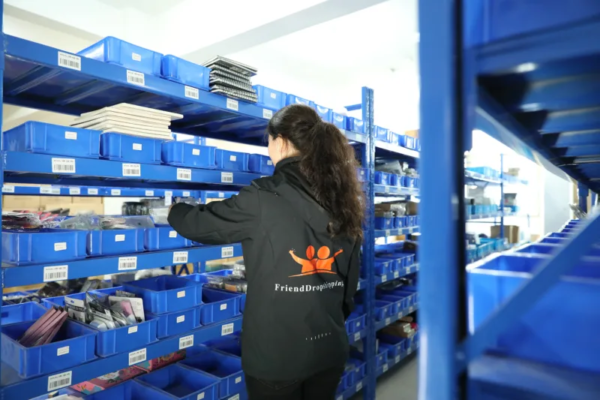
The EU temporary tax reform does not mean dropshipping to Europe is over. It means sellers need a more organized fulfillment partner.
Here is how Frienddropshipping is responding.
Product Cost Review Before Scaling
Before sellers scale ads to Europe, Frienddropshipping can help review product cost, shipping cost, packaging needs, and possible customs-related cost impact.
This helps sellers avoid promoting products with weak margins after the new duty is applied.
More Accurate Product Sourcing Information
Our China sourcing agent team works with factories to collect clearer product details, including product category, material, size, weight, and packaging information.
Better product data supports smoother customs declaration and reduces the chance of unnecessary delays.
Quality Control Before Shipment
EU customs reform is not only about tax. Product safety and compliance are also becoming more important.
Frienddropshipping provides quality control before goods leave China, helping sellers reduce defective products, wrong items, and avoidable returns.
Packaging and Private Label Optimization
For branded stores, packaging strategy matters. Sellers may need to reduce unnecessary accessories, avoid unclear bundles, or improve product presentation while keeping parcel structure efficient.
Frienddropshipping offers customization and private pack services for thank-you cards, stickers, custom boxes, manuals, and branded packaging.
Flexible Shipping Channel Suggestions
Different EU countries and logistics providers may handle low-value parcels differently. Frienddropshipping helps sellers compare options based on delivery speed, stability, tracking, and cost.
Our goal is not only to ship parcels, but to help sellers choose a practical route for their business model.
Better Customer Communication
Unexpected customs fees can cause customer complaints, refund requests, and refused parcels.
Frienddropshipping recommends that sellers update product pages, checkout notes, and shipping policy pages to explain that taxes, duties, or import charges may apply depending on local regulations.
Clear communication protects your brand and improves customer trust.
What Should EU Dropshipping Sellers Do Now?
If you sell to Europe, do not wait until July 2026 to prepare. Start with these steps:
-
Review your best-selling products and profit margins.
-
Identify products under €20 that may be sensitive to a €3 duty.
-
Check whether bundles or multi-item packages still make sense.
-
Improve product descriptions and customs declaration data.
-
Compare shipping channels for your top EU destinations.
-
Work with a fulfillment partner that understands cross-border e-commerce operations.
If you need help reviewing your current product list, you can contact Frienddropshipping and speak with a personal agent.
Is Europe Still a Good Market for Dropshipping?
Yes. Europe remains one of the strongest markets for e-commerce, especially for sellers with reliable products, clear branding, and stable fulfillment.
However, the market is becoming more professional. Sellers who depend only on cheap products and vague shipping promises may face more pressure.
The opportunity is shifting toward:
-
Better product selection
-
Better supplier control
-
Better packaging
-
Better tax awareness
-
Better customer experience
That is exactly where Frienddropshipping can support sellers: sourcing, quality checking, packing, shipping, and fulfillment coordination from China to global customers.
Final Thoughts
The EU temporary €3 customs duty is an important update for dropshipping and cross-border e-commerce sellers. It may increase costs for low-value items, but it also creates an opportunity for serious sellers to build stronger, more transparent operations.
With the right product strategy and fulfillment partner, selling to Europe can still be profitable.
Frienddropshipping will continue monitoring the EU customs reform and helping sellers adjust sourcing, fulfillment, shipping, and packaging strategies for the European market.
To prepare your store for the new EU tax environment, explore our dropshipping fulfillment service or get in touch with our team.
FAQs
What is the EU temporary €3 customs duty?
It is a temporary customs duty of €3 per item for certain low-value imported consignments entering the EU. It applies from 1 July 2026 to 1 July 2028.
Does the new EU duty apply to dropshipping orders?
Yes, it may apply to dropshipping orders shipped from outside the EU to EU customers, especially goods with an intrinsic value up to €150.
Will IOSS still be used after the reform?
Yes. The European Commission guidance states that there are no changes to IOSS, Special Arrangements, or standard VAT procedures under the temporary duty guidance. However, sellers should still monitor future EU customs updates.
Will customers need to pay more?
Possibly. The duty may increase the total landed cost of imported products. Sellers should review pricing and communicate clearly with customers about possible import charges.
How can Frienddropshipping help with the EU tax reform?
Frienddropshipping helps sellers review product costs, improve sourcing data, optimize packaging, provide quality control, and select suitable shipping solutions for European orders.
Should I stop selling low-value products to Europe?
Not necessarily. But you should review margins carefully. Some very low-ticket products may become less profitable, while higher-value or branded products may remain attractive.
Where can I find official EU information?
You can check the European Commission’s official pages on EU Customs Reform and VAT e-Commerce One Stop Shop.
Table of Content

I’m Cassiel. I’ll help you scale your Shopify business with reliable fulfillment.
Join to newsletter.
Follow us and get more knowledge.