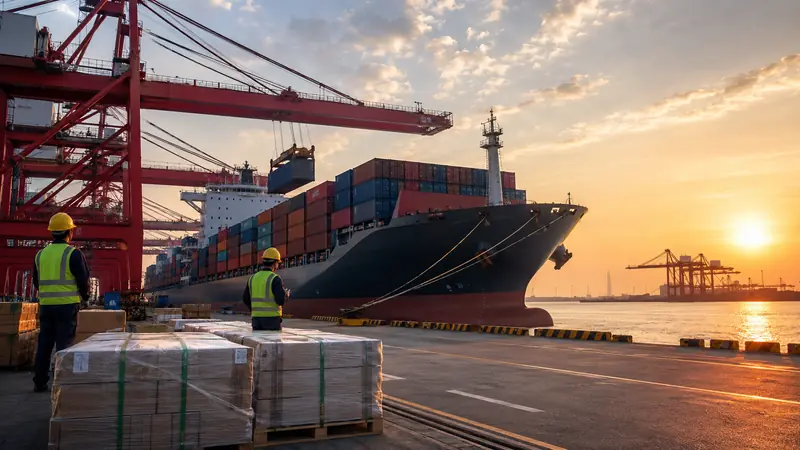
Here is the short answer: AliExpress shipping can feel slow because the delivery estimate covers only part of a much longer chain.
Before a parcel reaches an aircraft, it may wait for the seller to confirm stock, collect the product, print a label, hand it to a domestic courier, and move it into a consolidation warehouse. After the international trip, it still needs customs clearance and a local carrier. Each step is reasonable on its own. Put six or seven steps together, though, and the calendar starts getting chunky.
For many standard AliExpress orders shipped from China, a practical planning range is around 10 to 30 days. Economy methods can take 20 to 60 days or longer. Premium or commercial express services may arrive in 3 to 15 days, depending on the destination, seller processing time, customs, and whether the product is actually ready to dispatch.
Those ranges are not promises. AliExpress is a marketplace with many independent sellers, warehouses, and shipping methods. Two listings that look almost identical can have very different fulfillment paths.
This guide explains the whole path without blaming AliExpress for every delayed parcel. It also shows how an ecommerce seller can move from uncertain marketplace fulfillment to a more controlled shipping setup.
How Long Does AliExpress Take to Ship in Real Life?
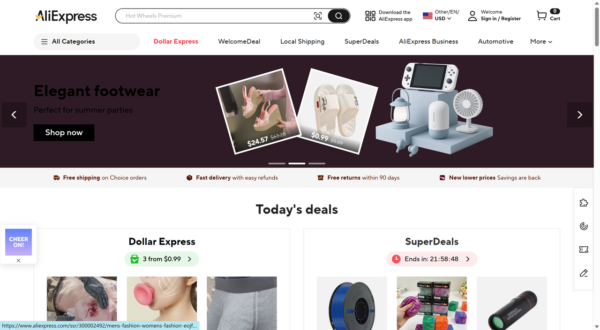
The phrase “shipping time” causes a lot of confusion. A customer often starts the clock at payment. A carrier may start the transit clock only after it physically receives the parcel.
That difference matters.
Use this simple formula:
Total customer wait = seller processing + China first mile + consolidation + international transit + customs + last-mile delivery
A page may show a 12-day shipping method, but the seller could spend 4 days preparing the order. Customs may add another 3 days. The customer’s real wait is now closer to 19 days.
Typical AliExpress Shipping Times by Service Level
The ranges below are useful for planning, not customer-facing guarantees.
|
Shipping level
|
Typical planning range
|
Tracking visibility
|
Common use
|
Main risk
|
|
Cainiao or other economy service
|
20-60+ days
|
Limited or milestone tracking
|
Very low-cost, low-urgency items
|
Long waits and weak last-mile visibility
|
|
Saver shipping
|
15-35 days
|
Basic to moderate
|
Small, light parcels
|
Consolidation and postal delays
|
|
AliExpress Standard Shipping
|
10-30 days
|
Usually end-to-end milestones
|
General consumer orders
|
Seller processing still varies
|
|
AliExpress Premium Shipping
|
7-15 days
|
Better tracking
|
Higher-value or time-sensitive orders
|
Cost and availability
|
|
DHL, UPS, or FedEx offered by a seller
|
3-10 days after dispatch
|
Detailed tracking
|
Urgent, high-value parcels
|
High cost, duties, remote-area fees
|
|
Choice or local-warehouse item
|
About 5-15 days where eligible
|
Usually good
|
Selected products and markets
|
Not available for every SKU or country
|
AliExpress itself publishes shipping guidance, and its logistics ecosystem now includes faster Choice and warehouse-supported options. Cainiao says it uses charter flights, overseas warehouses, consolidation, and other network improvements to support cross-border delivery. You can read the current description on Cainiao’s cross-border express page.
So, no, every AliExpress order does not take a month. Some arrive surprisingly fast. The problem for a store owner is often consistency, not the best-case result.
AliExpress Processing Time vs Transit Time
Processing is the period between payment and physical carrier acceptance. It can include:
-
payment confirmation;
-
stock confirmation;
-
purchasing from an upstream source;
-
picking and packing;
-
label creation;
-
domestic collection;
-
delivery to a consolidation point.
A seller with ready inventory may finish this in one or two working days. Another seller may need three to seven days. During a major sales event or Chinese holiday, the queue can get longer.
There is another small trap here. A tracking number can be created before the parcel is collected. “Shipment information received” usually means data exists in the carrier system. It does not always mean the package is moving.
Transit time starts later. It covers the logistics journey after handover. When people compare a seller’s five-day processing period with a carrier’s ten-day line, they sometimes count only the second number. Customers, naturally, count both.
A 22-Day AliExpress Delivery Example
Imagine a lightweight home accessory going from China to a US customer:
|
Stage
|
Example time
|
Running total
|
|
Seller confirms and prepares stock
|
3 days
|
3 days
|
|
Domestic pickup and export warehouse
|
2 days
|
5 days
|
|
Consolidation and export departure
|
2 days
|
7 days
|
|
International air line-haul
|
8 days
|
15 days
|
|
Customs and destination handoff
|
3 days
|
18 days
|
|
USPS or another local carrier
|
4 days
|
22 days
|
Nothing in that example is wildly broken. It is simply a low-cost cross-border parcel moving through several organizations.
Now change one variable. If the seller does not have the item ready and needs seven days before pickup, the order becomes a 26-day delivery. That is why checking only the advertised line-haul estimate can be misleading.
What Shipping Methods Does AliExpress Use?
AliExpress does not operate every delivery vehicle itself. The platform connects sellers with logistics services, while Cainiao coordinates many cross-border routes. Depending on the listing and country, the parcel may also move through China Post, Yanwen, 4PX, SunYou, commercial express carriers, or a seller-selected method.
The name shown at checkout does not always identify every company touching the parcel. “AliExpress Standard Shipping,” for example, is a managed service level rather than one delivery truck traveling from Shenzhen to Chicago. A Chinese first-mile courier may collect the package. A line-haul provider moves it abroad. USPS, Royal Mail, Australia Post, Canada Post, Correos, La Poste, or another local company may complete delivery.
Cainiao Super Economy
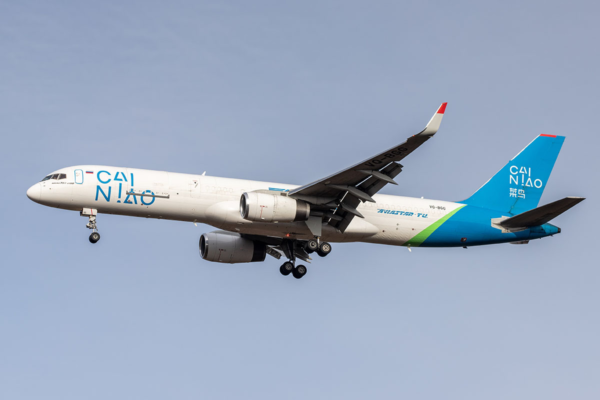
Cainiao Super Economy is designed for low-cost items where postage must stay tiny. It often uses slower capacity and postal last-mile delivery. Tracking may stop or become less detailed after export.
It can be sensible for a $2 cable ordered by a patient consumer. It is a tougher fit for a Shopify store advertising quick delivery and sending daily “Where is my order?” replies.
AliExpress Standard Shipping
Standard Shipping usually offers a better balance of price, tracking, and delivery speed. It is commonly used for ordinary cross-border orders and is more predictable than untracked economy mail.
Still, “standard” does not mean one fixed time worldwide. A parcel to London does not use the same final route as a parcel to rural Canada. Product type, origin city, flight capacity, customs data, and the local postal network all matter.
AliExpress Premium Shipping and Commercial Express
Premium methods may use faster dedicated services or carriers such as DHL, UPS, and FedEx. These options can cut transit time sharply. The postage can also exceed the product cost.
Commercial express works well for samples, replacement parts, or high-value products with enough margin. It is rarely the most economical default for a low-ticket dropshipping catalog.
Seller’s Shipping Method
“Seller’s Shipping Method” gives the seller flexibility to choose a route. Sometimes that produces a good result. Sometimes the buyer cannot compare the actual carrier, tracking quality, or delivery history before ordering.
For a personal purchase, that uncertainty may be acceptable. For an ecommerce store, it makes service-level planning harder. You cannot set a confident delivery promise when the route changes from order to order.
Why AliExpress Shipping Takes So Long

There is rarely one dramatic reason. Most slow deliveries are the result of several ordinary delays stacking on top of each other.
1. AliExpress Is a Marketplace, Not One Central Warehouse
AliExpress serves consumers through many independent sellers. It is not one warehouse with one inventory system and one dispatch policy.
That marketplace structure gives buyers a huge product range. It also means order handling varies. One seller may own stock. Another may use a nearby wholesale market. A third may buy from a factory or domestic supplier only after receiving an order.
For store owners, listing availability should not automatically be treated as verified, ready-to-dispatch inventory. The quantity shown online may reflect a seller’s sales setting, supplier access, or expected replenishment rather than a live count of units sitting beside a packing table.
Calling every listing “fake stock” would be unfair and inaccurate. A better description is this: marketplace availability is not the same as warehouse-confirmed inventory allocated to your store.
That gap explains why some orders leave in a day while others wait three days, seven days, or occasionally longer.
2. The Seller May Need to Source the Product After You Order
Some sellers carry deep inventory. Others operate with lean stock and fast local purchasing. China has efficient manufacturing and wholesale networks, so this model can work well. But purchasing after the order adds time.
The seller may need to:
-
place an order with an upstream factory or wholesaler;
-
wait for domestic delivery;
-
inspect or repack the item;
-
send it to the international logistics warehouse.
If the upstream supplier is out of stock, the wait grows. The seller may search for a substitute, ask the buyer to extend processing, or cancel the order. A consumer marketplace can absorb this one conversation at a time. A merchant shipping 300 customer orders a month needs a tighter process.
3. Cheap Cross-Border Shipping Depends on Consolidation
Low-cost parcel lines do not dispatch a separate aircraft for each phone case. Parcels are collected, sorted by destination, consolidated, and assigned to available transport capacity.
Consolidation is one reason international postage can stay surprisingly low. It is also a source of waiting. A parcel may sit until a bag, pallet, truck, or flight batch is ready.
Cainiao describes warehouse consolidation and wave processing as part of its global network. These systems improve scale, but they also show why parcel movement is not always continuous. Logistics often moves in batches, not like water through a pipe.
4. The Parcel Has a China First-Mile Journey
Before international transit begins, the package must move from the seller to a domestic collection point or export warehouse.
China is large. A seller in one manufacturing cluster may hand the parcel to a local courier, which sends it to a regional hub, then to a cross-border warehouse in another city. Miss a daily cutoff and the parcel may wait until tomorrow. Miss a flight connection and another day appears.
This first-mile period is easy to overlook because shoppers focus on the international tracking stage.
5. Customs Data and Clearance Can Add Time
Cross-border parcels need usable shipment data. The description, value, HS classification, recipient details, and product restrictions affect customs processing.
Most ordinary low-value parcels clear without drama. Delays happen when information is incomplete, values look unusual, the item is restricted, taxes require processing, or customs selects the parcel for inspection.
Rules also change by market. Batteries, liquids, powders, cosmetics, supplements, magnets, branded goods, and wireless products may need special handling or may be rejected by certain lines. A shipping method that works for a T-shirt may not accept a power bank.
No agent or carrier can honestly guarantee that customs will never inspect a parcel. What a better fulfillment workflow can do is prepare accurate data, choose a compatible route, and avoid preventable declarations.
6. Low-Cost Lines Use Several Carrier Handoffs
A typical parcel may involve:
-
the seller;
-
a Chinese domestic courier;
-
a consolidation warehouse;
-
an international line-haul operator;
-
a customs broker;
-
a destination sorting partner;
-
the local postal or courier network.
Each handoff creates a potential pause. Tracking systems may also update at different times. The parcel could be moving while the public page still shows the previous event.
This is why tracking sometimes appears stuck at “departed from sorting center,” “line-haul office,” or “arrived at destination country.” The physical parcel and the public scan feed do not always move in perfect sync.
7. Economy Services Trade Speed for Price
There is no secret trick here. Very cheap shipping usually buys lower-priority capacity, slower consolidation, fewer scans, or postal last-mile service.
Customers often want three things:
-
very low shipping cost;
-
fast delivery;
-
detailed tracking.
Getting all three on every country lane is difficult. Usually, the seller chooses two.
An ecommerce brand can sometimes negotiate a better dedicated line once it has volume. A one-off marketplace order has less leverage.
8. Peak Seasons and Chinese Holidays Create Backlogs
Major sales campaigns, Christmas demand, Lunar New Year, National Day, weather events, and airport congestion can affect both processing and transit.
Lunar New Year is especially important because factories, upstream suppliers, warehouses, and courier networks may operate with reduced staff or pause altogether. The visible holiday may last a week, but production and logistics recovery can take longer.
A store owner should not wait until the last working day to ask whether inventory is available. That is like checking the fuel gauge after joining the highway.
9. Last-Mile Performance Depends on the Destination
The international flight may land on time, but the parcel is not finished.
Delivery in a major city is often faster than delivery to an island, remote postcode, military address, or rural region. Postal backlogs, unsuccessful delivery attempts, address errors, and pickup-point rules can add days.
This is why country-level averages are only the first layer. A good shipping quote also checks postcode coverage and remote-area fees.
10. The Estimated Delivery Date Is a Range, Not a Production Schedule
AliExpress estimates are useful for consumers. They do not give a merchant full control over upstream inventory, dispatch cutoffs, packaging standards, or route selection.
A dropshipper needs operational data:
-
confirmed physical stock;
-
average seller processing time;
-
dispatch cutoff;
-
route used by destination;
-
recent delivery performance;
-
product restrictions;
-
exception and reship policy.
Without those details, a delivery estimate is more weather forecast than train timetable.
Why Slow AliExpress Shipping Becomes a Bigger Problem at Scale
One delayed personal order is annoying. Ten customer orders a day turns the same uncertainty into a business process.
At ten daily orders, a store may ship about 300 parcels in a 30-day month. Suppose only 5% require manual follow-up. That is 15 support cases. If each case takes 12 minutes across email, tracking checks, and seller messages, the store spends three hours every month on exceptions. Add refunds, reships, chargebacks, and review management, and the cheap sourcing workflow starts charging an invisible fee.
The bigger issue is not always average speed. It is variance.
Delivery times of 10, 11, 12, and 13 days are manageable. Delivery times of 8, 14, 27, and 41 days are much harder to explain, even if the mathematical average looks acceptable.
Stable stores need repeatable dispatch, not only a few impressive tracking screenshots.
How Dropshippers Can Ship Faster Without Making Wild Promises
Faster shipping starts before the parcel enters an aircraft. The practical goal is to control inventory, processing, route selection, and exception handling as one workflow.
-
Work With a Private Dropshipping Agent
A private agent can coordinate product sourcing, supplier communication, physical stock, quality checks, packaging, order fulfillment, and shipping routes.
This matters because AliExpress sellers are set up to serve many individual marketplace buyers. They answer product questions, manage listing rules, handle platform orders, and choose fulfillment arrangements for their own store. They are not automatically an operations department dedicated to your Shopify brand.
FriendDropshipping provides a private dropshipping agent in China for sellers who want one-to-one sourcing and fulfillment support. Instead of relying only on a listing quantity, the agent can follow up with the supplier, confirm real availability, compare factories, inspect incoming products, and match shipping lines to destination countries.
An agent is not magic. Product lead time, customs, and carrier disruptions still exist. The benefit is visibility and coordination. When something goes wrong, there is one team responsible for finding out where it went wrong.
Before choosing any agent, ask:
-
Do you physically receive and check products?
-
Can you show current warehouse photos or inventory records?
-
Which countries and product categories do you ship most often?
-
Do you provide recent lane-level delivery data?
-
How do you handle lost parcels and reships?
-
Can you synchronize Shopify orders and tracking?
-
Will the quoted line stay the same after you scale?
-
Use a China Fulfillment Warehouse
A China warehouse removes much of the uncertain seller-processing period. Inventory is purchased, received, counted, and stored before customer orders arrive. When an order syncs, the warehouse can pick, pack, and dispatch it under an agreed cutoff.
This model is useful when:
-
the product has repeat sales;
-
the supplier’s production time is predictable;
-
buying a small batch reduces unit cost;
-
custom packaging is required;
-
same-day or next-day dispatch matters;
-
several products need to be bundled.
A China 3PL fulfillment service can receive stock from your existing supplier, manage SKUs, prepare orders, and select international parcel routes. The economics depend on product cost, storage, pick-and-pack fees, packaging, shipping weight, and sales velocity.
Do not overbuy just to save two days. Slow-moving inventory can eat the savings through cash lockup and storage. Start with a short coverage period, review sell-through, then replenish.
-
Confirm Physical Stock Before a Promotion
Ask for more than “in stock.”
A useful stock confirmation includes:
-
available quantity now;
-
quantity already reserved;
-
replenishment date;
-
daily production capacity;
-
product version or batch;
-
packaging availability;
-
time required to reach the fulfillment warehouse.
If you plan to sell 40 units during a weekend campaign, a screenshot showing 10,000 listing units is less useful than a supplier confirming 80 finished units ready for collection.
-
Set a Dispatch Service Level
Define processing separately from delivery.
For stocked products, a practical warehouse agreement might state:
-
orders received before the cutoff ship the same working day;
-
later orders ship the next working day;
-
tracking is uploaded within 24 hours;
-
address exceptions are flagged before dispatch;
-
out-of-stock SKUs are reported immediately.
Now the first part of the timeline is measurable. You still cannot control a snowstorm in Toronto, but you can control whether the parcel sits unpicked for four days.
-
Choose the Right Shipping Line by Country and Product
Yanwen, YunExpress, CNE, 4PX, and UBI are not interchangeable stickers. They operate different networks, country lanes, product rules, tracking services, and local-carrier partnerships.
The table below gives indicative ecommerce planning ranges after carrier acceptance. It is not a rate card or delivery guarantee. Exact performance changes by origin, postcode, season, weight, declared product, service level, and customs.
|
Line
|
Typical strengths
|
Indicative major-market range
|
Useful country examples
|
Watch for
|
|
Yanwen
|
Cost-sensitive lightweight parcels and broad postal coverage
|
Roughly 7-20 working days on priority routes; economy may take longer
|
US, UK, Germany, France, Australia
|
Service names vary; confirm last-mile carrier and tracking
|
|
YunExpress
|
Dedicated ecommerce parcel lines with strong US and European coverage
|
About 3-10 working days on selected standard routes
|
US 5-8, UK 3-5, Germany 5-8, France 3-5, Australia 4-7
|
Remote postcodes and restricted products
|
|
CNE
|
Cross-border ecommerce lines and several Europe/US services
|
Often around 7-15 working days for air parcel services
|
US, UK, France, Germany, Italy, Spain
|
Product-specific line choice; trucking is slower
|
|
4PX
|
Broad fulfillment and cross-border parcel network
|
Often around 7-20 working days depending on product and service
|
US, UK, EU, Canada, Australia
|
Exact service can differ even when carrier brand looks the same
|
|
UBI Smart Parcel
|
Strong postal injection and selected destination-country services
|
About 5-12 working days on selected global lines
|
UK 5-8, Australia 5-8, Belgium 5-9
|
City vs remote-area ranges and destination handoff
|
YunExpress publishes route-level estimates on its Standard Express service page. CNE describes its international services on the CNE official website, including a slower China-Europe trucking option for suitable shipments. UBI publishes destination services through its official service network. Yanwen and 4PX also operate multiple products, so ask for the exact service code, not only the company name.
Yanwen
Yanwen is widely used for small cross-border parcels. Its lower-cost services can be attractive for light accessories and general goods. Priority or special-line products are usually more suitable for customer-facing ecommerce than basic economy mail. Its official English website describes a network that combines China collection with international and last-mile partners.
Ask whether tracking continues through last-mile delivery. A route that stops updating after arrival in the destination country may create extra customer service work.
YunExpress
YunExpress is commonly used by ecommerce fulfillment providers because it offers dedicated routes to major markets. Its published standard estimates are competitive for the UK, US, Western Europe, and Australia.
The carrier name alone is not enough. Confirm the exact route, chargeable-weight rule, fuel surcharge, restricted-item policy, and remote-area coverage.
CNE
CNE offers several parcel and dedicated-line services. It can be a good option when the product and destination match a strong lane. Its China-Europe trucking service can also help with certain shipments where air cost is less attractive, although it is not the answer for a customer expecting delivery next week.
4PX
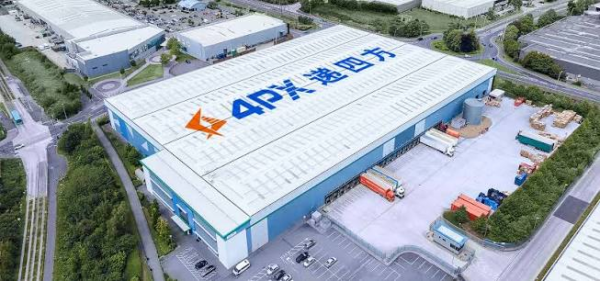
4PX has a broad network covering fulfillment, parcel shipping, and destination delivery partnerships. It is often considered for worldwide ecommerce coverage. The 4PX international parcel page separates standard, postal, and economy products, which is another reason to compare the service rather than the logo.
Because 4PX offers several services, compare the service-level code and recent destination data. “We use 4PX” is a bit like saying “we take a train.” Useful, but which train?
UBI Smart Parcel
UBI has strong experience in postal injection and destination-specific parcel services, especially for Australia, New Zealand, the UK, and parts of Europe. Its official route descriptions separate global, priority, postal, and other services.
This makes it useful for lane-by-lane planning. It also means a store should not assume one UBI estimate applies to every UBI product.
Use Country-Specific Routing Rules
The cheapest line to the US may not be the best line to Germany. Build a routing table:
|
Destination
|
Primary line
|
Backup line
|
Target transit
|
Maximum acceptable cost
|
Restricted SKU notes
|
|
United States
|
Selected tracked dedicated line
|
Alternative tracked line
|
5-10 working days
|
Store-defined
|
Check batteries and remote ZIP codes
|
|
United Kingdom
|
UK dedicated line
|
Postal injection
|
4-9 working days
|
Store-defined
|
VAT and product data
|
|
Germany
|
EU dedicated line
|
Tracked postal
|
6-12 working days
|
Store-defined
|
Accurate customs and packaging data
|
|
Australia
|
AU dedicated line
|
Australia Post injection
|
5-10 working days
|
Store-defined
|
Remote postcodes
|
Review this table monthly. Carriers change prices and capacity. A line that performed beautifully in March can wobble during November.
Improve Packaging and Shipment Data
Faster fulfillment is not only a carrier problem.
Use packaging that:
-
protects the product without unnecessary dimensional weight;
-
fits the carrier’s size limits;
-
keeps labels flat and scannable;
-
separates fragile or leaking products;
-
follows battery and liquid requirements;
-
includes the correct SKU and quantity.
Accurate address formatting, telephone numbers, declarations, HS codes, and product descriptions also reduce avoidable holds. “Accessory” is usually less useful to customs than a clear description such as “polyester pet collar.”
Display an Honest Delivery Window
Do not turn a carrier’s best-case transit time into your store promise.
If the route usually takes 6-9 working days after dispatch, and your warehouse needs up to two working days, a customer-facing estimate might be 8-13 working days with a clear note for remote areas and customs exceptions.
That buffer is not laziness. It is basic expectation management.
Show:
-
processing time;
-
estimated transit time;
-
tracking availability;
-
countries or postcodes with longer delivery;
-
customs or tax information where relevant;
-
the support process for a stalled shipment.
When Should You Stop Using AliExpress?
AliExpress can be useful during the earliest stage of product research. It lets a seller:
-
discover product variations;
-
compare visible retail prices;
-
order samples;
-
observe customer reviews;
-
test whether shoppers respond to an offer;
-
explore new or seasonal items without buying deep inventory.
There is no need to treat the platform as an enemy. It solves a real problem: access to a very large assortment with low purchasing commitment.
The question is whether the same workflow still fits after the product proves itself.
The Practical 10-Orders-a-Day Rule
For many stores, a stable 10 orders per day is a useful trigger to review the fulfillment model.
It is not a law. A $300 product with complex certification may need a controlled supplier much earlier. A $5 novelty item with patient customers may stay on a marketplace longer.
Still, ten daily orders is a sensible checkpoint because it equals roughly 300 monthly shipments. At that level:
-
stockouts affect multiple customers at once;
-
inconsistent processing creates a support queue;
-
small shipping savings add up;
-
buying a short inventory batch becomes more practical;
-
custom packaging may become affordable;
-
route-level delivery data becomes meaningful;
-
a dedicated contact can save real time.
Do not switch everything in one afternoon. Use a controlled transition:
-
identify the winning SKU and destination markets;
-
order samples from the proposed supplier;
-
confirm specifications and packaging;
-
ship a small inventory batch to a warehouse;
-
test 20-50 real customer parcels;
-
compare delivery time, damage, tracking, and support;
-
increase inventory only after the route performs.
Signs You Have Outgrown Marketplace Fulfillment
Review your setup when several of these appear:
-
the seller needs three to seven days to dispatch;
-
listing stock does not match actual availability;
-
the route changes without warning;
-
tracking is frequently limited;
-
customers ask for branded packaging;
-
product quality varies between orders;
-
multiple sellers supply the same SKU;
-
support spends too much time chasing parcels;
-
refunds or chargebacks are rising;
-
your store can forecast weekly demand.
The right moment to move is usually before a fulfillment failure damages a successful campaign, not after.
A Simple Faster-Shipping Plan for a Growing Store
Consider a store selling a rechargeable neck fan to customers in the UK. It has grown from two random daily orders to 12 consistent orders.
The AliExpress seller usually dispatches in two days, but sometimes takes six. Transit ranges from 8 to 20 days. The store’s advertised window is 7-12 days, so support complaints are increasing.
A better plan looks like this:
-
Confirm demand. Review the last four weeks by SKU and destination.
-
Buy a short batch. Purchase perhaps 14-21 days of forecast stock rather than three months.
-
Inspect the product. Check battery capacity, charging cable, fan speeds, color, and packaging.
-
Store it in China. Put verified inventory in a fulfillment warehouse.
-
Select a UK line. Compare two tracked services using current quotes and recent delivery scans.
-
Set a cutoff. Dispatch stocked orders within one working day.
-
Test the promise. Ship an initial group and use the 80th or 90th percentile delivery time, not only the average.
-
Update the store. Publish a realistic window with tracking.
If the new workflow reduces processing variance from one-to-six days to zero-to-one day, the store has already improved delivery consistency before changing the aircraft route.
That is the quiet lesson here. Faster shipping is often less about finding a heroic courier and more about removing waiting between ordinary steps.
How to Measure Whether the New Shipping Setup Is Better
Track more than average delivery time.
|
Metric
|
What it measures
|
Why it matters
|
|
Order-to-dispatch time
|
Payment to carrier acceptance
|
Reveals warehouse or supplier delay
|
|
First tracking scan rate
|
Orders with a valid carrier scan within target time
|
Detects label-only fulfillment
|
|
Median transit time
|
Typical carrier performance
|
Easy baseline
|
|
90th-percentile delivery time
|
Time within which 90% of parcels arrive
|
Better for customer promises
|
|
On-time delivery rate
|
Parcels delivered inside the stated window
|
Measures expectation accuracy
|
|
Exception rate
|
Parcels needing manual action
|
Predicts support workload
|
|
Lost or reship rate
|
Failed shipments
|
Shows true route cost
|
|
Delivered cost per order
|
Fulfillment plus losses and reships
|
Prevents false “cheap line” comparisons
|
A line that costs $0.60 more but cuts the reship rate and support time may be cheaper in practice.
Review results by country, product type, weight band, and carrier service. Blending everything into one global average hides the useful bits.
Conclusion
AliExpress shipping takes time because the parcel does more than cross an ocean. It may wait for stock confirmation, seller processing, domestic pickup, consolidation, export handling, customs, and last-mile delivery. Economy services reduce cost by accepting more batching, lower-priority capacity, and sometimes weaker tracking.
AliExpress can still be practical for samples, product discovery, price research, and early testing. It becomes less comfortable when a store needs confirmed inventory, consistent dispatch, controlled packaging, and repeatable delivery performance.
For a product reaching around ten stable orders a day, review the numbers. Confirm physical stock, compare a private agent or fulfillment warehouse, test dedicated shipping lines, and measure real delivery results. Do it gradually. A good fulfillment system should feel boring in the nicest possible way: the right product leaves on time, tracking works, and fewer customers need to ask where it is.
FAQs About AliExpress Shipping Times
Why does AliExpress shipping take so long?
Many orders pass through seller processing, China first-mile delivery, warehouse consolidation, international transport, customs, and a local carrier. Economy methods also prioritize low cost over speed.
How long does AliExpress usually take to ship to the United States?
A practical range for many standard orders is about 10-30 days, including normal processing. Economy services may take 20-60 days or more, while premium or commercial express can be faster.
How long does AliExpress take to ship to the UK?
Standard or faster services often arrive in roughly 7-25 days, but seller processing, customs, postcode, and the selected service can change the result. Choice or warehouse-supported items may be quicker.
Does the AliExpress delivery estimate include processing time?
The buyer sees an overall estimated delivery window, but carrier transit estimates often begin after dispatch. For planning, calculate seller processing and carrier transit separately.
Why is my AliExpress order stuck on “awaiting seller dispatch”?
The seller may still be confirming stock, purchasing from an upstream supplier, packing the item, or waiting for carrier collection. A label or tracking number may exist before physical pickup.
Why does AliExpress tracking stop updating?
The parcel may be between scan points, waiting for consolidation, moving internationally, passing customs, or transferring to a last-mile carrier. Economy lines may also provide fewer tracking events.
Is Cainiao Super Economy slower than AliExpress Standard Shipping?
Usually, yes. Super Economy is designed for very low-cost delivery and may use slower capacity with limited tracking. Standard Shipping generally offers better visibility and a shorter planning range.
Is AliExpress Premium Shipping worth it?
It can be worthwhile for samples, urgent orders, or products with enough margin. Compare the total price with a dedicated ecommerce line or commercial express quote before choosing.
Can I ask an AliExpress seller to ship faster?
You can ask whether stock is physically available and which faster methods are offered. The seller may be able to upgrade the route, but a faster carrier will not eliminate production or stock delays.
Can a private agent make shipping faster?
A private agent can confirm suppliers, hold inventory, shorten order processing, compare routes, and manage exceptions. International transit and customs still vary, so no responsible agent can guarantee every delivery date.
Is a China warehouse faster than ordering each item from AliExpress?
It is often more consistent for proven products because stock is already received and ready to pick. The warehouse can dispatch under an agreed cutoff instead of waiting for a marketplace seller to source each unit.
Which is faster: Yanwen, YunExpress, CNE, 4PX, or UBI?
There is no universal winner. Performance depends on the exact service, destination, postcode, product, weight, season, and last-mile partner. Compare service codes and recent lane data, not only carrier names.
When should a dropshipper stop using AliExpress?
Review the model when a product reaches stable sales, especially around ten orders a day, or earlier if stock, quality, dispatch, or branding problems appear. Treat ten orders as a practical checkpoint, not a mandatory rule.
Can I keep using AliExpress for product testing?
Yes. It can be useful for samples, product discovery, visible price comparison, and low-volume tests. Move proven products into a more controlled supply and fulfillment workflow when consistency becomes important.
How can I set an honest shipping estimate on Shopify?
Add warehouse processing time to a conservative carrier range. Use recent real delivery data and account for weekends, remote postcodes, peak seasons, and customs. The 90th-percentile delivery time is often more useful than the best-case average.
Table of Content

I’m Cassiel. I’ll help you scale your Shopify business with reliable fulfillment.
Join to newsletter.
Follow us and get more knowledge.