Importing supplements from China to the United States is legal when the product and shipment meet the applicable U.S. requirements. But there is no single permit that makes the whole project compliant. You need to check the formula, manufacturer, label, claims, FDA records, customs entry, testing plan, and shipping documents before the goods leave China.
That last part matters. Many first-time importers start with freight. They ask, “How much is DDP shipping for 500 bottles?” A better first question is, “Can these 500 bottles legally be sold in the United States, and what evidence proves that this batch matches my label?”
The U.S. Food and Drug Administration generally does not approve dietary supplements before they are marketed. This does not mean supplements are unregulated. It means the manufacturer, importer, distributor, and brand must do their work before FDA finds a problem. The agency can examine imported products, inspect facilities, detain shipments, review labels, investigate complaints, and act against adulterated or misbranded products.
Here is the practical sequence:
-
Confirm that the product qualifies as a dietary supplement in the United States.
-
Check every ingredient, amount, intended use, and marketing claim.
-
Verify the Chinese legal company and the actual manufacturing facility.
-
Turn the formula into a written manufacturing and testing specification.
-
Review the label for U.S. sale.
-
Assign the importer, FSVP, customs, and regulatory roles.
-
Prepare the batch, FDA, customs, and freight documents.
-
Inspect and test the production batch before release.
-
Choose a shipping method that accepts the product.
-
Keep lot, complaint, and traceability records after the goods arrive.
It sounds like a lot. Well, it is a regulated consumable product. Still, the job becomes manageable when each gate is handled in order.
Important: This article is general business information. It is not legal, medical, tax, customs, or regulatory advice. Requirements depend on the formula, claims, parties, shipment, and current rules. Use qualified regulatory counsel, a laboratory, and a customs broker experienced with FDA-regulated food when needed.
Can You Legally Import Supplements from China to the USA?
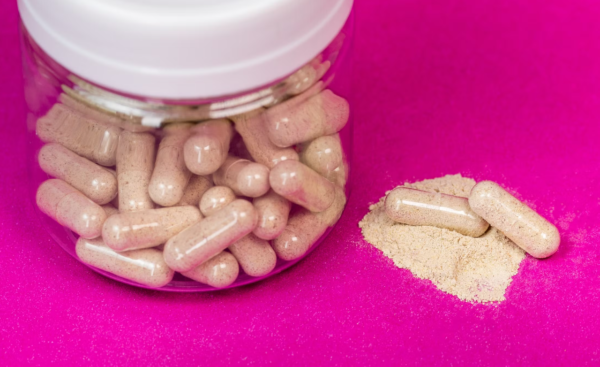
Yes. A U.S. business can import supplements manufactured in China. The country of manufacture does not create a general ban. The finished product must, however, satisfy the U.S. rules that apply to its category, ingredients, manufacturing, label, claims, and entry.
The first trap is classification. A product called a “health product” by a Chinese supplier may be treated as a dietary supplement, conventional food, beverage, drug, cosmetic, or another regulated product in the United States. U.S. intended use matters more than the category printed in a supplier catalog.
Confirm That the Product Is Really a Dietary Supplement
Under the U.S. dietary supplement framework, a supplement may contain vitamins, minerals, herbs or botanicals, amino acids, dietary substances, or certain concentrates, metabolites, constituents, extracts, and combinations. It is normally intended for ingestion and labeled as a dietary supplement.
That description does not cover every capsule, powder, gummy, tea, or liquid. Format alone proves little. A gummy can be a conventional food. A liquid can be a beverage. A capsule marketed to cure a disease may be treated as a drug.
Product names, label copy, website text, ad creatives, testimonials, and influencer scripts can all shape intended use. Compare these two statements:
-
“Supports normal sleep quality” is framed as support for a body function.
-
“Treats insomnia in seven days” presents a disease-treatment claim.
The second statement can push the product toward drug regulation. Calling it a supplement in small print does not fix that.
Before requesting samples, create a one-page product brief with the dosage form, ingredients, amounts, target customer, suggested use, proposed claims, and sales channels. Have the U.S. category and ingredient status reviewed. This is cheaper than redesigning 5,000 printed labels after production.
Screen Every Ingredient Before Approving the Formula
A formula sold in China is not automatically suitable for the United States. Ask for the exact chemical or botanical identity of each dietary ingredient. “Magnesium” is not specific enough. Neither is “ginseng extract.” You may need the salt or chelate form, botanical Latin name, plant part, extraction ratio, carrier, source, and amount per serving.
Also check whether the product contains a new dietary ingredient. FDA explains that a manufacturer or distributor may need to submit a notification for a qualifying new dietary ingredient at least 75 days before introducing the product into interstate commerce. Review the FDA New Dietary Ingredient notification process before treating a fashionable new extract as a quick private-label opportunity.
Animal-derived ingredients, agricultural materials, hemp-related inputs, endangered species, and certain botanicals may bring other agency or permit questions. Ingredient screening belongs near the beginning, not in the customs warehouse after arrival.
FDA Requirements for Imported Supplements

FDA’s Questions and Answers on Dietary Supplements states that the agency generally does not approve dietary supplements before marketing. It also explains that businesses are responsible for ensuring supplements are not adulterated, misbranded, or otherwise unlawful.
For an importer, five areas deserve early attention: manufacturing controls, facility registration, FSVP, Prior Notice, and labeling.
Dietary Supplement cGMP Under 21 CFR Part 111
Dietary supplement current good manufacturing practice requirements appear in 21 CFR Part 111. They cover much more than keeping the production room clean.
The framework includes personnel, facilities, sanitation, equipment, component controls, specifications, production, packaging, labels, laboratory operations, records, returned products, complaints, and quality-control operations. The goal is to help ensure identity, purity, quality, strength, and composition.
For a buyer, this changes the supplier conversation. Do not ask only, “Do you have GMP?” Ask how the factory establishes specifications, qualifies raw-material suppliers, performs identity testing, controls labels, records each batch, investigates deviations, and releases finished product.
A factory may send a colorful GMP certificate. Check it, but do not stop there. Confirm:
-
the legal name and address match the manufacturing site;
-
the certificate covers the relevant dosage form and activity;
-
the issuer is credible and the record can be verified;
-
the issue and expiry dates are current;
-
major audit findings were closed;
-
the actual operating procedures support the promise on paper.
Registration, certification, and compliance are three different ideas. A logo is not a quality system.
FDA Food Facility Registration and the U.S. Agent
Foreign facilities that manufacture, process, pack, or hold food for U.S. consumption may be required to register with FDA. Dietary supplements sit under the broader food framework, with supplement-specific requirements layered on top.
Request the facility’s registration information and make sure it relates to the real production address. If your supplier is a trading company in Shenzhen but the gummies are made in a factory in Guangdong, the trading-company office is not the manufacturing facility.
A foreign registered food facility must identify a U.S. agent. That agent acts as a communication contact for FDA. The role is often misunderstood. The U.S. agent is not automatically:
-
the product’s U.S. distributor;
-
the importer of record;
-
the FSVP importer;
-
the customs broker;
-
the party responsible for your label;
-
proof that FDA approved the product.
FDA has specifically warned businesses about treating food-facility registration information carelessly. Registration details should be shared through legitimate compliance workflows, not used as a loose marketing certificate.
Foreign Supplier Verification Program
The Foreign Supplier Verification Programs rule introduced importer accountability for imported food. FDA’s Importing Human Foods guidance explains that importers have responsibilities to verify that foreign suppliers use adequate controls to produce food that meets U.S. safety standards.
Dietary supplements and dietary supplement components can fall under specific or modified FSVP provisions depending on who manufactures, processes, or performs certain verification activities. This is a place to get qualified advice. Do not copy a generic FSVP template and change the supplier name.
Before shipping, identify the FSVP importer and confirm that the party understands and accepts the role. The customs broker can transmit FSVP data during entry, but data transmission does not automatically make the broker responsible for the underlying verification program.
A sensible verification file may include hazard analysis, supplier-performance review, verification activities, corrective actions, reassessment, and supporting records. The exact file depends on the product and business arrangement.
Prior Notice of Imported Food
FDA must receive Prior Notice before food is offered for import into the United States. The notice helps FDA decide whether to inspect or examine a shipment.
The filing includes information about the product and shipment. Names, addresses, product descriptions, quantities, and facility details must be accurate. FDA and CBP systems communicate during entry, so a mismatch that looks small in an email can become a real delay at the port.
Review the official Prior Notice guidance for imported food shipments with the broker or filing party. Confirm who submits it, when it is submitted, and who checks the confirmation before departure.
Review the U.S. Supplement Label and Advertising
A U.S. dietary supplement label generally needs an appropriate statement of identity, net quantity, Supplement Facts, other ingredients, and the name and place of business of the manufacturer, packer, or distributor. Other requirements can apply to warnings, allergens, domestic contact information, and country-of-origin marking.
The factory may know how to print the label. That does not mean it should make the final U.S. regulatory decision. Review the FDA Dietary Supplement Labeling Guide before approving artwork.
Advertising creates another layer. The Federal Trade Commission expects objective health claims to be truthful, not misleading, and supported by appropriate evidence. The FTC Health Products Compliance Guidance applies beyond a product label. It can reach product pages, social posts, influencer content, images, testimonials, and implied messages.
So, yes, the formula and label need to match. But the ad creative also needs to match the evidence. A compliant-looking bottle can still be marketed unlawfully.
|
Area
|
What to confirm
|
Evidence to retain
|
Common misunderstanding
|
|
Product category
|
Supplement status and intended use
|
Product brief and review notes
|
Every capsule is a supplement
|
|
Ingredients
|
Identity, amount, status, and restrictions
|
Formula, specifications, source records
|
The factory catalog proves U.S. legality
|
|
cGMP
|
Manufacturing and quality controls
|
Audit records, procedures, batch records
|
A GMP logo proves every batch is good
|
|
Facility registration
|
Correct facility and current details
|
Verified facility information
|
FDA registration means FDA approval
|
|
FSVP
|
Applicable importer and verification program
|
FSVP records and reassessments
|
The customs broker automatically owns FSVP
|
|
Prior Notice
|
Accurate, timely shipment notice
|
Filing confirmation
|
DDP means no Prior Notice is needed
|
|
Label and claims
|
Mandatory information and supported claims
|
Approved artwork and substantiation file
|
A competitor’s label is safe to copy
|
How to Verify a Chinese Supplement Manufacturer: 12 Checks Before You Place an Order

Factory verification is not a hunt for one magic certificate. It is a chain of evidence. One weak link can undermine the rest.
1. Verify the Chinese Legal Entity
Ask for the Chinese business license. Check the Chinese legal name, unified social credit code, registered address, legal representative, establishment date, registered capital, and business scope through reliable Chinese corporate records.
The contract party and payment recipient should make sense. If the quotation comes from Company A, the factory belongs to Company B, and payment goes to an unrelated personal account, pause. There may be a legitimate explanation, but it needs to be documented.
2. Identify the Actual Manufacturing Facility
An Alibaba profile, sales office, trading company, and factory can all be different. Ask who owns the manufacturing line and where the batch will physically be produced.
Request a live video walkthrough, recent production evidence, and permission for an audit or independent inspection. Look for the relevant rooms, equipment, material controls, packaging line, laboratory, quarantine areas, and warehouse practices.
3. Confirm Dosage-Form Capability
Capsules, tablets, gummies, powders, softgels, liquids, and probiotics do not use one universal process. A strong capsule factory may not be a strong gummy factory.
Ask about experience with the exact dosage form, daily capacity, minimum batch size, environmental controls, cleaning validation, allergen changeover, stability concerns, and packaging compatibility. Heat-sensitive probiotics and sticky gummies need different handling from mineral tablets.
4. Verify Relevant Food Facility Information
Check that the FDA food-facility details, when required, correspond to the actual factory. Do not accept an edited image titled “FDA Certificate” without verification.
Also check whether renewal and U.S.-agent details are current. Again, registration is administrative. It is not FDA endorsement of the factory or your formula.
5. Review cGMP Evidence and Audit History
Ask for the latest relevant audit report, certificate scope, quality manual summary, and corrective-action status. If the supplier refuses to share confidential material, a third-party auditor can review records on your behalf and issue a focused report.
The important question is not whether the factory has ever passed an audit. It is whether the systems that affect your product are operating now.
6. Search Public Regulatory History
Review FDA warning letters, import alerts, recalls, and other public records for the facility, legal company, related names, and products. A past issue does not always mean permanent rejection. The response and corrective action matter.
Hidden history is a bigger concern. Ask the factory whether it has experienced U.S. detentions, refusals, major complaints, or recalls, and how those events were handled.
7. Audit Raw-Material Controls
Ask how the factory approves ingredient suppliers. Review representative raw-material specifications and identity-testing records. For botanicals, define the Latin name, plant part, extraction method, ratio, solvents, carrier, and marker compounds where relevant.
Substitution risk often begins before blending. If purchasing can switch to a cheaper ingredient form without buyer approval, the finished label may stay the same while the product changes underneath it.
8. Write a Detailed Finished-Product Specification
Your purchase order should not say only “60-count sleep capsules with private label.” It should point to a controlled specification that includes:
-
exact ingredient names and forms;
-
amount per serving;
-
serving size;
-
justified overages, if any;
-
allowable tolerances;
-
capsule, tablet, gummy, or scoop weight;
-
appearance, flavor, odor, and physical properties;
-
identity and potency requirements;
-
microbiological and contaminant limits;
-
bottle, cap, liner, seal, desiccant, label, carton, and insert;
-
lot coding and shelf-life requirements;
-
storage and transport conditions;
-
approved test methods or method references.
This document is the ruler used to measure the batch. Without it, “good quality” is just a friendly phrase.
9. Confirm Batch-Record Capability
The factory should be able to trace raw-material lots through weighing, blending, encapsulation or filling, packaging, reconciliation, testing, and release. Ask what the batch production record captures and how deviations are approved.
You may not receive every confidential manufacturing detail. Still, the quality agreement should define which records are available during an audit, investigation, complaint, or recall.
10. Examine a Batch-Specific COA
A useful Certificate of Analysis identifies the product, batch, dates, specifications, results, units, methods, laboratory, and authorized release. A generic PDF used for every sales inquiry is not the same thing.
Check whether the tested items answer the actual product risks. A COA showing only color, odor, and total plate count does not prove that the label’s active ingredients are present at the stated amounts.
11. Arrange Independent Third-Party Testing
Use a qualified independent laboratory for a risk-based panel. Depending on the product, testing may cover identity, potency, heavy metals, microbes, pesticides, residual solvents, allergens, undeclared pharmaceutical ingredients, or other adulterants.
Control sample selection. A laboratory report on a handpicked preproduction sample does not prove that the commercial batch is the same. Use sealed, traceable samples from the production lot and document chain of custody.
FriendDropshipping’s physical product and packaging quality-control workflow can help check visible condition, quantity, labels, seals, packaging, and SKU details. Physical inspection and laboratory analysis solve different problems. Use both when the risk calls for both.
12. Test Change Control and Recall Readiness
Ask what happens if a raw-material source, dosage, color, flavor, bottle, label material, factory, or test method changes. The contract should require written notice and approval before significant changes.
Also test communication. Send a mock complaint with a lot number and ask the supplier to trace it. A factory that cannot find the batch record during a calm sales discussion will not become faster during a real incident.
|
Check
|
Evidence to request
|
Pass signal
|
Red flag
|
|
Legal entity
|
Business license and corporate record
|
Contract and payment path are explainable
|
Personal or unrelated payment account
|
|
Actual factory
|
Address, video, audit access
|
Production site is visible and documented
|
Supplier hides the site
|
|
Dosage-form capability
|
Equipment and product history
|
Relevant line and controls exist
|
Outsourcing is vague or undisclosed
|
|
Facility information
|
Verified facility details
|
Name and address match
|
Edited “FDA approval” graphic
|
|
cGMP evidence
|
Audit scope and corrective actions
|
Current and product-relevant
|
Logo with no underlying report
|
|
Regulatory history
|
Public search and supplier disclosure
|
Issues are disclosed and corrected
|
Names or history are concealed
|
|
Raw materials
|
Approved-supplier and identity records
|
Sources and changes are controlled
|
Cheapest available source can be substituted
|
|
Specification
|
Signed formula and limits
|
Quantities, tolerances, and methods are clear
|
“Add some ingredient” language
|
|
Batch records
|
Traceability and deviation process
|
Lot can be traced through production
|
No batch-level reconciliation
|
|
COA
|
Batch-specific report
|
Results match the agreed specification
|
Generic undated sales PDF
|
|
Independent testing
|
Traceable third-party report
|
Production batch meets release criteria
|
Supplier will not allow sampling
|
|
Change/recall control
|
Quality agreement and mock trace
|
Written approval and quick traceability
|
Changes can happen without notice
|
Are Supplements from China Safe? A Better Answer to the Reddit Debate

A Reddit discussion about Chinese supplement manufacturers captures a common founder dilemma. The poster wants low-MOQ products but has heard that Alibaba supplements may be poor quality or harmful. A commenter warns that actual ingredient amounts may differ from the label and recommends checking the supplier beyond its COA.
That concern deserves a better answer than “China is risky” or “my supplier is verified.”
Country of origin is not a quality-control system. China has sophisticated manufacturers and weak manufacturers, just as other markets do. The practical risks are an unverified facility, vague specifications, low-cost substitution, poor process control, misleading paperwork, label-to-formula mismatch, and a buyer who never tests the commercial batch.
Watch for Conceptual or Nominal Ingredient Addition
A seller may request collagen, probiotics, turmeric, or another fashionable ingredient. The supplier replies, “Yes, we can add it.” But how much? Which form? What purity? What tolerance? Which method will confirm it?
Sometimes an ingredient is added mainly so its name can appear in marketing. The amount may be too small to support the buyer’s expected product positioning. This is why the difference between conceptual, small-dose, and custom supplement addition matters.
Do not negotiate only by ingredient name. Put the quantitative amount per serving, ingredient form, material standard, tolerance, test, and label declaration into the signed specification.
Use the Supplier’s COA, Then Verify Independently
The supplier COA is useful. It helps show what the factory says it tested and released. It should not be your only evidence.
For a first production order, arrange independent testing of sealed samples from the commercial batch. Compare results with the signed specification and Supplement Facts panel. If a material result falls outside the agreed range, stop release and investigate. Do not solve it by quietly changing the label after the bottles are made.
The honest answer, then, is straightforward: supplements from China can be made to a strong standard, but the importer must buy a controlled formula from a verified facility and confirm the resulting batch. Cheap and vague is the dangerous combination, not a passport printed on the carton.
Documents You’ll Need Before Shipping
Documents are easier to manage when grouped by purpose. Make a shared release folder for the order and do not authorize pickup until the required records are complete.
Supplier and Facility Records
-
Chinese business license and verified corporate information;
-
manufacturing-site name and address;
-
relevant FDA food-facility information where required;
-
U.S.-agent details for the foreign facility;
-
relevant cGMP audit or certification evidence;
-
quality agreement and manufacturing contract;
-
product liability and insurance records where required by your business.
Product, Formula, and Label Records
-
signed final formula;
-
raw-material specifications;
-
finished-product specification;
-
master manufacturing record or agreed controlled summary;
-
approved Supplement Facts and label artwork;
-
packaging specifications;
-
claim-substantiation file;
-
ingredient status and NDI review;
-
shelf-life or stability support;
-
allergen and ingredient-origin declarations where relevant.
Batch and Release Records
-
batch production record or release summary;
-
batch-specific COA;
-
independent laboratory report;
-
inspection report and photos;
-
lot code, production date, expiry or best-by date;
-
quantity reconciliation;
-
deviation and corrective-action records, if any;
-
retain-sample information.
Customs, FDA, and Freight Records
-
commercial invoice;
-
packing list;
-
bill of lading or air waybill;
-
accurate product description;
-
HTS classification rationale;
-
country-of-origin information;
-
importer number and importer-of-record information;
-
customs bond where required;
-
broker power of attorney where applicable;
-
FSVP importer data and supporting program as applicable;
-
Prior Notice confirmation;
-
FDA entry data requested through ACE;
-
insurance certificate if cargo insurance is purchased;
-
DDP scope and entry arrangement when DDP is used.
CBP explains the basics of obtaining and using an importer number. Classification must be based on the real product, composition, use, and packaging. Use the current Harmonized Tariff Schedule and a qualified broker rather than copying the code from a visually similar product.
|
Role
|
Typical job
|
Does not automatically mean
|
|
Chinese manufacturer
|
Makes and documents the product
|
It decides U.S. legality for the brand
|
|
Exporter or seller
|
Sells and exports the goods
|
It is the actual manufacturer
|
|
Foreign facility U.S. agent
|
FDA communication contact
|
It is the IOR or FSVP importer
|
|
U.S. brand/distributor
|
Markets and sells the product
|
A third party assumes all brand liability
|
|
Importer of record
|
Handles customs-entry responsibility
|
It owns every FDA verification task
|
|
FSVP importer
|
Performs applicable foreign-supplier verification
|
The customs broker becomes responsible by filing data
|
|
Customs broker
|
Files customs and agency entry data
|
It approves the product or label
|
|
Forwarder/DDP provider
|
Coordinates transport and agreed clearance work
|
DDP makes the formula compliant
|
|
Fulfillment warehouse
|
Receives, stores, and ships inventory
|
Customs release proves the product is safe
|
|
Independent laboratory
|
Tests the submitted sample
|
One report covers every future batch
|
Supplement Shipping Methods from China to the USA
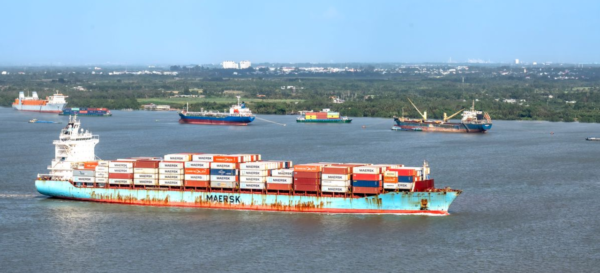
Shipping time starts after production release, not after you send the deposit. A full project timeline may include formula confirmation, sampling, label review, packaging manufacture, production, batch testing, export pickup, international transit, customs review, and domestic delivery.
That is why “seven-day air shipping” can still sit inside a six-week project.
Express Courier
Express services can work for samples and small urgent shipments accepted by the carrier. A rough transit estimate may be 3-7 business days after pickup, but FDA/customs review can extend it.
Courier shipping offers strong tracking and simple small-parcel handling. It is expensive per kilogram and often uses dimensional weight. Product and ingredient acceptance must be confirmed before pickup.
Air Freight
Air freight suits medium-sized launch or replenishment stock. Airport-to-airport movement may be relatively fast, while door-to-door timing also includes consolidation, export handling, customs, terminal release, and final delivery. A planning range of roughly 5-12 days after departure may be reasonable for some routes, but the complete door-to-door period can be longer.
Ask whether the quote includes pickup, origin fees, export declaration, air line-haul, destination terminal charges, brokerage, duties, inspection fees, and final delivery.
Ocean Freight
Ocean freight often lowers freight cost per unit for larger batches. Less-than-container load works for smaller volumes; full-container load can make sense at scale.
The tradeoff is time and complexity. Depending on route and service, port-to-port transit may be around 20-40 days, with additional time for consolidation, customs, and delivery. LCL destination charges can surprise first-time importers. A customs hold can also create storage or demurrage costs.
Protect bottles and cartons from moisture, crushing, heat, and movement. A low freight rate is not cheap if half the retail boxes arrive soft and warped.
DDP Supplement Shipping for Shopify Sellers
Delivered Duty Paid, or DDP, is an Incoterms arrangement under which the seller takes on extensive delivery obligations, including import clearance and tariff payment under the agreed term. The ICC guidance on using Incoterms to manage tariff risk shows DDP allocating import clearance and tariffs to the seller.
For a Shopify seller, a door-to-door DDP quote can be convenient. It may combine China pickup, export handling, international transport, customs coordination, applicable import charges included in the quotation, and delivery to a U.S. address or warehouse.
FriendDropshipping can coordinate DDP logistics for suitable supplement projects and connect them with supplement fulfillment from China. This can reduce the number of logistics vendors a smaller Shopify brand must manage.
Still, ask these questions before accepting “DDP all included”:
-
Which Incoterms version and named destination apply?
-
Who will be the importer of record?
-
Who is the FSVP importer, if required?
-
Which broker files the entry?
-
Who submits and checks Prior Notice?
-
What product description, HTS code, origin, quantity, and value will be declared?
-
Are duties, tariffs, brokerage, exams, storage, and final delivery included?
-
Can the buyer receive entry and delivery evidence?
-
What happens if FDA samples or detains the shipment?
-
Is cargo insurance included?
DDP is a delivery and cost arrangement. It does not repair an unlawful ingredient, unsupported claim, wrong label, weak FSVP program, or fake COA. If a forwarder suggests declaring the supplements as something else to make clearance easier, walk away.
|
Method
|
Best for
|
Typical planning transit
|
Relative cost
|
Main watch-outs
|
|
Express
|
Samples and small urgent lots
|
About 3-7 business days after pickup
|
Highest per kg
|
Acceptance, dimensional weight, customs review
|
|
Air freight
|
Medium launch or replenishment lots
|
About 5-12 days line-haul/handling, often longer door to door
|
Medium-high
|
Terminal fees, brokerage, final delivery
|
|
Ocean LCL
|
Larger sub-container batches
|
Often 25-45+ days door to door
|
Lower per unit
|
Consolidation, destination fees, storage risk
|
|
Ocean FCL
|
Stable high-volume inventory
|
Often 25-45+ days door to door
|
Lowest at suitable scale
|
Cash tied in stock and long planning cycle
|
|
DDP door to door
|
Sellers wanting one bundled logistics quote
|
Depends on air, sea, or parcel route
|
Bundled
|
Verify entry parties, FSVP, declarations, and exclusions
|
These are planning ranges, not promises. Carrier capacity, origin, destination, season, product acceptance, current tariff policy, and customs/FDA review can change both time and price.
How Much Does It Cost to Import Supplements?
Do not compare factories using bottle price alone. Calculate landed cost:
Landed cost per sellable unit = product + packaging + testing + inspection + China handling + freight + insurance + duties/tariffs + brokerage + examination contingency + U.S. receiving + fulfillment allocation
Here is a purely illustrative first-order calculation for 500 bottles. It is not a FriendDropshipping quote and not a current freight offer.
|
Illustrative cost item
|
Example amount
|
|
500 finished bottles at $3.20
|
$1,600
|
|
Custom labels and packaging at $0.45
|
$225
|
|
Independent batch testing
|
$450
|
|
Inspection and sample handling
|
$120
|
|
China handling and export preparation
|
$100
|
|
Air/DDP logistics estimate
|
$950
|
|
U.S. receiving allowance
|
$150
|
|
Document/exam contingency
|
$200
|
|
Illustrative total
|
$3,795
|
|
Illustrative landed cost per bottle
|
$7.59
|
Real testing may cost less or much more depending on analytes and methods. Freight depends on packed dimensions, gross weight, destination ZIP code, service, and season. Duties and tariffs depend on the actual HTS classification and current entry date.
For a useful quote, provide the forwarder with:
-
formula and dosage form;
-
unit count;
-
number, size, weight, and value of cartons;
-
origin pickup address;
-
U.S. destination;
-
desired delivery date;
-
commercial or individual-parcel flow;
-
storage and fulfillment plan.
MOQ also changes the economics. A stock formula with a custom label may support a lower MOQ. A fully custom formula can require development, samples, separate testing, and a larger production batch. The product, bottle, label, carton, insert, and shipping carton may each have a different MOQ. Charming, isn’t it? One “MOQ” can quietly become six.
How to Reduce Customs Risks
You cannot remove all customs risk. You can remove many preventable reasons for delay.
Build a Pre-Shipment Release Gate
Do not let the factory or forwarder collect the cargo until these items are approved:
-
product category and ingredient review;
-
manufacturer and facility verification;
-
final formula and specification;
-
U.S. label and claims;
-
batch-specific COA;
-
independent test results under the agreed plan;
-
lot, production, and expiry information;
-
invoice, packing list, quantity, weight, value, and origin;
-
HTS classification rationale;
-
IOR, FSVP importer, U.S. agent, broker, and forwarder assignments;
-
Prior Notice process;
-
carrier acceptance and shipping scope.
Keep the Data Consistent
The formula, label, COA, invoice, packing list, Prior Notice, and customs entry should describe the same product. Common mismatches include:
-
trading-company name used where the manufacturing facility is required;
-
different ingredient names across documents;
-
wrong capsule count or net quantity;
-
carton quantities that do not match the packing list;
-
vague descriptions such as “health goods” or “sample”;
-
an unsupported declared value;
-
incorrect country of origin;
-
label artwork from one formula applied to another batch.
Use the Right Specialists
Choose a customs broker that has handled FDA-regulated food and dietary supplements. A broker focused on apparel may be excellent at apparel and still miss supplement-specific data.
The broker is not a substitute for a regulatory consultant. The laboratory is not a substitute for the broker. The sourcing agent is not a law firm. A clean project gives each specialist the right job.
Plan for Inspection and Delay
FDA or CBP may review, examine, or sample a shipment. Build time and cash contingency into the launch. Do not schedule an influencer campaign for the earliest possible arrival date.
Also ask who pays examination, storage, re-delivery, or correction costs under the quote. “All included” often becomes less poetic when a shipment is selected for inspection.
How to Fulfill Supplement Orders for Shopify Stores
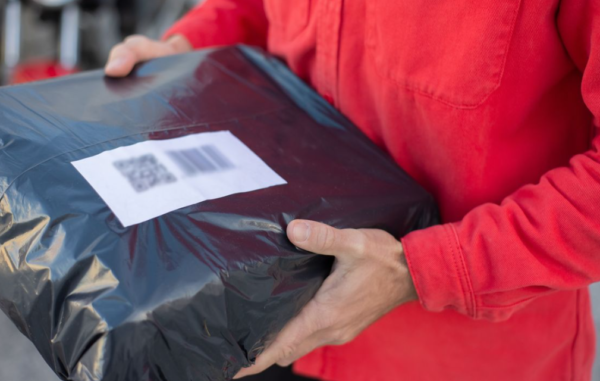
Once the batch clears, you still need lot control, expiration management, picking accuracy, and suitable packaging.
Bulk Import to a U.S. Fulfillment Center
This model gives U.S. customers faster domestic delivery and easier returns. It works well for proven products with predictable volume. The tradeoff is a larger inventory commitment and more cash tied up after bulk import.
Ask the warehouse whether it can track lots and expiration dates, use first-expiring-first-out rules where appropriate, quarantine inventory, handle recalls, store gummies or probiotics correctly, and report which customers received each lot.
Fulfill Approved Inventory from China
A China warehouse can suit smaller tests, long-tail SKUs, and international demand. Orders can be synchronized from Shopify and shipped individually on supported routes.
The same caution applies: small parcels are not a magic exemption from product legality, labels, accurate customs data, or current entry rules. Confirm the route and current U.S. policy before promising delivery times.
Use a Hybrid China and U.S. Model
Keep proven bestsellers in a U.S. warehouse and test products or global SKUs in China. Move inventory in bulk after demand becomes stable.
A China 3PL fulfillment service can consolidate approved inventory near suppliers before direct fulfillment or bulk transfer. For a deeper operating checklist, see this health supplement fulfillment workflow.
Common Mistakes First-Time Importers Make
1. Designing the Brand Before Checking the Product
A beautiful label cannot rescue a prohibited ingredient or drug claim. Review the product first.
2. Treating FDA Registration as Approval
Facility registration does not mean FDA approved the company, formula, label, or batch.
3. Buying from a Storefront Without Finding the Factory
Verify who manufactures, who exports, who contracts, and who receives payment.
4. Accepting a Vague Formula
“Contains collagen” is not a manufacturing specification. Define the material and quantitative amount.
5. Choosing the Cheapest Quote Without Normalizing It
Compare ingredient forms, amounts, serving counts, packaging, testing, and Incoterms. Two $3 bottles may not contain the same thing.
6. Relying Only on the Supplier COA
Review it, verify it, and use independent testing based on risk.
7. Testing Only a Sales Sample
Test the actual production lot under a traceable sampling process.
8. Copying a Competitor’s Label
The competitor may be wrong, or its formula may differ. Build your label from your product.
9. Letting Documents Drift Apart
Formula, label, COA, invoice, and entry data should agree.
10. Assuming the Forwarder Owns Every Compliance Task
Assign the IOR, FSVP importer, Prior Notice, broker, and U.S.-agent roles in writing.
11. Treating DDP as a Compliance Guarantee
DDP can simplify delivery. It does not approve the product.
12. Using an HTS Code from Another Listing
Classification depends on the actual goods. Confirm it before quoting landed cost.
13. Ignoring Changing Tariff and Entry Rules
Check current rules at order, shipment, and entry stages. Old de minimis assumptions are especially risky for China-origin parcels.
14. Ordering Too Much Too Early
Start with enough inventory to test the product and process. A low unit price is not helpful when 4,000 bottles expire on a shelf.
15. Forgetting Post-Market Records
Keep lot traceability, complaints, adverse-event records, returns, testing, and supplier communications. Compliance does not end when the truck leaves the port.
First-Order Go/No-Go Checklist
|
Gate
|
Go when
|
Stop when
|
|
Product category
|
U.S. classification and use are supportable
|
Disease claims or ingredient status remain unresolved
|
|
Manufacturer
|
Entity, site, scope, and quality evidence match
|
Supplier hides the factory or documents conflict
|
|
Formula
|
Forms, amounts, tolerances, and tests are written
|
Ingredients are described only as marketing concepts
|
|
Label
|
U.S. review is complete and matches the formula
|
Label is copied or contains unsupported claims
|
|
Batch
|
COA, records, inspection, and testing meet release criteria
|
Generic COA is the only evidence
|
|
Import roles
|
IOR, FSVP importer, broker, U.S. agent, and forwarder are assigned
|
Every party assumes another party handles it
|
|
Shipping
|
Entry data, Prior Notice, acceptance, costs, and delivery scope are clear
|
DDP is promised without a written entry plan
|
Conclusion: Import the Evidence, Not Just the Bottles
China can be a practical source for private-label and custom supplements. It offers ingredient supply chains, dosage-form manufacturing, packaging options, and flexible commercial relationships. None of that removes the importer’s job.
Start by confirming the U.S. product category and ingredient status. Verify the actual factory. Define the formula in measurable terms. Review the label and claims. Assign the FSVP and customs roles. Test the commercial batch. Then ship.
The safest first order is not always the one with the lowest factory price. It is the order with the clearest evidence and the fewest unanswered questions.
DDP can make transport and delivery easier, especially for a Shopify founder who does not want to coordinate five logistics companies. Use it for convenience, not as a substitute for due diligence. Ask who files what, which values are declared, and which costs are included.
In short: do the hard thinking while the product is still in China. Fixing a specification before production costs a conversation. Fixing a detained, mislabeled, or under-strength batch can cost the business.
FAQs About Importing Supplements from China to the USA
Can I import supplements from China legally?
Yes, commercial importation can be legal when the product and shipment comply with applicable U.S. requirements. Confirm product category, ingredients, cGMP, facility information, labeling, FSVP applicability, Prior Notice, customs entry, and testing for the actual formula and business structure.
Do supplements need FDA approval before import?
FDA generally does not approve dietary supplements before they are marketed. That does not remove the manufacturer’s, importer’s, and distributor’s responsibility for lawful ingredients, safety, manufacturing, composition, labels, and claims. New dietary ingredients and certain claim types can involve premarket notification or review.
How much does it cost to import supplements?
Cost depends on the formula, dosage form, MOQ, packaging, testing, inspection, shipment weight and dimensions, transport mode, HTS classification, duties, brokerage, destination, and warehousing. Calculate total landed cost rather than comparing factory price alone.
Can Shopify sellers import supplements from China?
Yes. Shopify is a sales platform, not a regulatory exemption. The merchant remains responsible for applicable laws, product and advertising claims, platform and payment-provider rules, customer records, and fulfillment quality.
How long does shipping from China to the USA take?
Express transit may take roughly 3-7 business days after pickup, air routes may take around 5-12 days for core movement and handling, and ocean door-to-door service often takes 25-45 days or more. Production, testing, customs review, and final delivery add time.
Are supplements from China safe?
Country of origin alone cannot establish safety. Use a verified factory, clear specifications, raw-material controls, batch records, a batch-specific COA, risk-based independent testing, and lot traceability. Poorly controlled products can come from any country.
What is the minimum order quantity for private label supplements in China?
MOQ varies by formula, dosage form, factory, and packaging. A stock formula with a custom label may start at a lower quantity than a custom formula. Product, bottle, label, box, and insert MOQs may differ, so ask for each one separately.
Can I use my own label?
Yes. Chinese manufacturers can often apply custom labels and packaging. The U.S. brand should independently confirm that the label matches the actual formula and U.S. requirements. The printer is not the final regulatory reviewer.
How do I verify a Chinese supplement manufacturer?
Verify the Chinese legal entity, actual production site, dosage-form capability, facility information, cGMP evidence, regulatory history, raw-material controls, specifications, batch records, COA, independent testing, and change/recall procedures.
What documents are required?
Typical records include supplier and facility files, formula and product specifications, approved labels, batch records, COAs, test reports, commercial invoice, packing list, transport document, HTS classification, importer and bond information, FSVP records where applicable, Prior Notice, and FDA entry data. Exact requirements depend on the shipment.
Is a Certificate of Analysis enough to prove quality?
No. A COA is one part of the evidence. Confirm that it is batch-specific, uses suitable methods, and covers the agreed specifications. Pair it with supplier qualification, manufacturing records, and independent testing appropriate to the product risk.
Who should be the FSVP importer?
The answer depends on the U.S. owner or consignee and the transaction structure, subject to the applicable FSVP provisions. Identify the responsible U.S.-based party before entry and obtain specialist advice where the structure is unclear.
Does DDP mean the supplier handles all FDA compliance?
No. DDP allocates extensive delivery, import-clearance, and tariff duties to the seller under the agreed term. It does not make the formula, label, claims, facility, FSVP program, or batch compliant. Confirm the entry roles and data in writing.
Can supplements be shipped directly from China to U.S. customers?
Sometimes, if the product, carrier, entry method, and current rules support the route. Individual parcels still need lawful products, accurate labels and declarations, and suitable customs/FDA data. Check current low-value and China-origin parcel rules before launch.
Should I independently test every production batch?
Your testing and release plan should be risk-based and consistent with applicable cGMP responsibilities, specifications, supplier performance, formula risk, and professional advice. A first-time importer should not assume one old supplier report covers future batches.
Table of Content

I’m Cassiel. I’ll help you scale your Shopify business with reliable fulfillment.
Join to newsletter.
Follow us and get more knowledge.