Sourcing high-quality ingredients is one of the most important decisions in building a private label pet supplement brand. Packaging, branding, and marketing can help attract customers, but ingredient quality determines whether the product can earn long-term trust.
Pet owners are careful buyers. They want products that feel safe, transparent, and appropriate for dogs, cats, or other companion animals. If a supplement contains unclear ingredients, weak documentation, inconsistent batches, or exaggerated claims, the brand can quickly lose credibility.
The best way to source high-quality ingredients for private label pet supplements is to start with a clear formula goal, verify supplier qualifications, request product-specific documentation, review Certificates of Analysis, check ingredient traceability, test samples, and confirm that the manufacturing, packaging, and fulfillment process can protect the product until it reaches the customer.
For brands that need sourcing, private label packaging, inspection, and supplement fulfillment support, FriendDropshipping provides Sourcing & Fulfillment, Customization & Private Pack, Quality Control, and Supplement Fulfillment services for supplement and sensitive product categories.
Why Ingredient Quality Matters for Private Label Pet Supplements
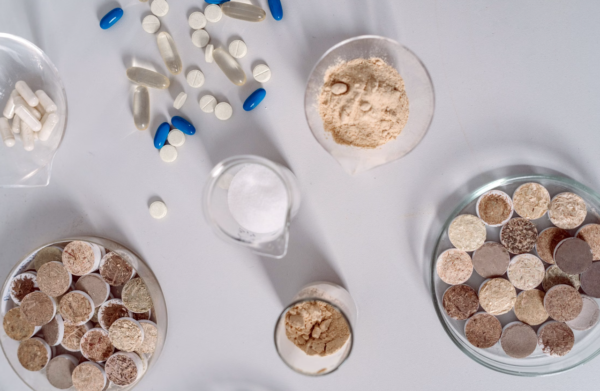
Ingredient quality affects safety, customer trust, product reviews, repeat purchase, refund rate, and compliance risk. A pet supplement brand is not only selling capsules, chews, powders, or oils. It is selling confidence.
A weak ingredient sourcing process can lead to:
| Risk | Business Impact |
| Inconsistent potency | Poor customer experience and weak repeat purchase |
| Unknown origin | Lower trust and harder quality investigation |
| Missing COA | Difficult to verify batch quality |
| Contamination risk | Refunds, complaints, recalls, or platform issues |
| Poor palatability | Pets refuse the product |
| Unstable ingredients | Short shelf life or failed texture |
| Unsupported claims | Compliance and advertising risk |
| Supplier switching | Formula inconsistency between batches |
The U.S. FDA explains that pet food must be safe, produced under sanitary conditions, contain no harmful substances, and be truthfully labeled. FDA also notes that ingredients used in pet food should be safe and have an appropriate function. You can reference the FDA’s pet food page here: FDA Pet Food.
Even when a product is marketed as a supplement, brands still need to think carefully about animal suitability, ingredient purpose, labeling, claims, and quality controls.
How to Define Ingredient Standards Before Contacting Suppliers
Before asking a supplier for “good ingredients,” create a sourcing brief. Suppliers can only quote accurately when they know the formula target, product format, market, and quality expectations.
Private Label Pet Supplement Ingredient Sourcing Brief
Your brief should include:
| Requirement | Example |
| Pet type | Dog, cat, horse, multi-pet |
| Product goal | Joint support, calming, digestion, skin and coat |
| Dosage form | Chew, capsule, tablet, powder, liquid, oil |
| Key ingredients | Glucosamine, probiotics, omega-3, collagen, taurine |
| Ingredient strength | mg per serving, CFU per serving, concentration |
| Flavor | Chicken, salmon, beef, peanut butter, unflavored |
| Exclusions | No artificial colors, no wheat, no soy, no sugar alcohols |
| Target market | USA, UK, EU, Canada, Australia |
| Packaging | Bottle, jar, pouch, sachet, carton |
| MOQ target | Trial batch, small MOQ, scaling batch |
| Documents needed | COA, spec sheet, allergen statement, heavy metal test |
| Claim direction | Supports mobility, digestion, calm behavior, coat health |
This brief prevents vague sourcing. It also helps compare suppliers fairly.
How to Choose High-Quality Ingredients for Private Label Dog Supplements
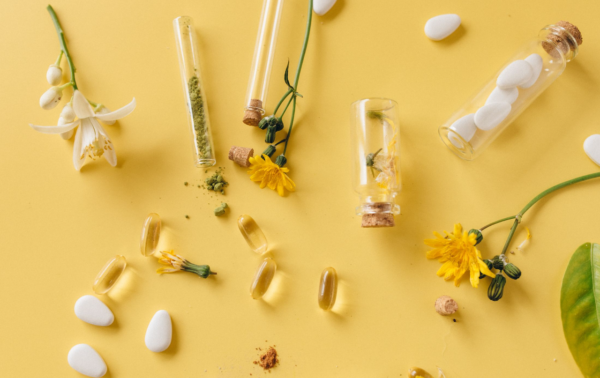
Dog supplements are often sold in higher serving counts and larger formats than cat supplements. Dogs vary widely in size, so ingredient dosing must be considered carefully.
Best Ingredients for Private Label Dog Joint Supplements
Common dog joint supplement ingredients include:
| Ingredient | Common Purpose | Sourcing Notes |
| Glucosamine | Joint structure support | Confirm source, potency, and purity |
| Chondroitin | Cartilage support | Ask for animal or marine origin |
| MSM | Mobility and comfort support | Review purity and odor |
| Collagen | Connective tissue support | Check source and hydrolysis level |
| Boswellia | Botanical mobility support | Standardization matters |
| Green-lipped mussel | Omega and joint support | Allergen and origin checks needed |
For joint formulas, consistency matters. If one batch uses a different glucosamine source or botanical extract ratio, the product may not feel the same to customers.
Best Ingredients for Private Label Dog Calming Supplements
Popular calming ingredients may include L-theanine, chamomile, valerian root, passionflower, tryptophan, magnesium, and certain functional blends.
Important sourcing questions:
-
Is the botanical extract standardized?
-
What part of the plant is used?
-
Is the ingredient suitable for dogs?
-
Is the flavor acceptable in chews or powders?
-
Are there heavy metal or pesticide test results?
-
Does the supplier support cautious structure-function language?
Avoid aggressive claims such as “cures anxiety” or “stops panic.” Packaging and marketing should use support-oriented language such as “supports calm behavior” or “helps maintain relaxation during stressful moments,” subject to market review.
How to Choose High-Quality Ingredients for Private Label Cat Supplements
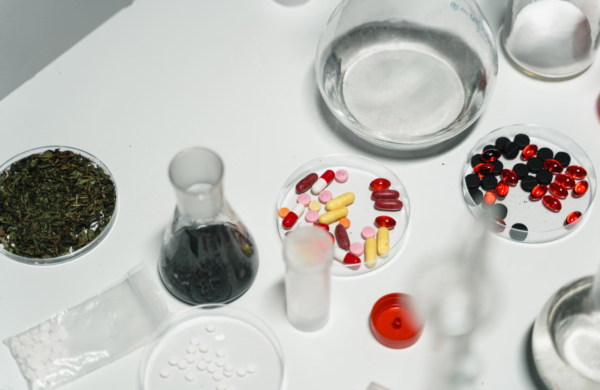
Cat supplements require extra care. Cats can be sensitive to smell, flavor, texture, and certain ingredients. A formula that works well for dogs may not be appropriate for cats.
Cat Supplement Ingredient Sourcing for Palatability
Cat owners often struggle with product acceptance. If a cat refuses the supplement, the product fails even if the formula looks strong on paper.
Common cat-friendly formats include:
| Format | Ingredient Sourcing Concern |
| Powder | Must mix easily into wet food |
| Liquid drops | Flavor and odor must be controlled |
| Soft chews | Texture and aroma are critical |
| Capsules | Smaller size may be needed |
| Paste | Stability and packaging compatibility matter |
For cat supplements, source ingredients with low odor, consistent texture, and clear suitability for feline use.
Ingredients Often Used in Private Label Cat Supplements
Common categories include:
| Category | Example Ingredients |
| Skin and coat | Omega oils, biotin, zinc, fish oil |
| Digestion | Probiotics, prebiotics, pumpkin fiber |
| Hairball support | Fiber blends, oils |
| Urinary support | Cranberry, DL-methionine, selected minerals |
| Calming | L-theanine, chamomile, tryptophan |
| General wellness | Taurine, vitamins, minerals |
Always confirm suitability for cats with qualified formulation and regulatory professionals. Do not assume a human supplement ingredient or dog supplement ingredient is automatically suitable for cats.
How to Verify Pet Supplement Ingredient Suppliers

A strong supplier should be able to explain where ingredients come from, how they are tested, how batches are controlled, and which documentation matches the product.
Supplier Verification Checklist for Pet Supplement Ingredients
Ask every potential supplier for:
| Supplier Check | What to Request |
| Legal identity | Registered company name and address |
| Facility role | Manufacturer, trader, distributor, packer, 3PL |
| Ingredient origin | Country, source material, extraction method |
| Quality system | GMP, HACCP, ISO, or relevant audit records |
| Product documents | Specification, COA, test reports |
| Batch control | Lot number, production date, expiry date |
| Allergen control | Allergen statement and cross-contact policy |
| Contaminant testing | Heavy metals, microbiology, pesticides if relevant |
| Label support | Ingredient name, dosage, claim limitations |
| Fulfillment support | Storage, FEFO, batch traceability |
A supplier who refuses to provide basic documents should not be used for a private label pet supplement brand.
FriendDropshipping’s Supplement Dropshipping Supplier Guide also explains why supplier verification, product-specific documentation, batch tracking, and fulfillment testing matter in supplement sourcing.
How to Review a COA for Private Label Pet Supplement Ingredients

A Certificate of Analysis, or COA, is one of the most important documents in supplement sourcing. But a COA is only useful if it matches the exact ingredient, product, or batch being purchased.
COA Review Checklist for Pet Supplement Ingredients
| COA Item | What to Check |
| Product name | Does it match the ingredient or finished product? |
| Lot number | Does it match the batch you are buying? |
| Manufacture date | Is it recent and logical? |
| Test date | Was testing done after production? |
| Expiry or retest date | Is shelf life acceptable? |
| Assay result | Does potency meet specification? |
| Microbiology | Are results within acceptable limits? |
| Heavy metals | Are lead, arsenic, cadmium, mercury checked where relevant? |
| Pesticides | Important for botanicals |
| Test method | Is the method named and appropriate? |
| Lab identity | Internal or third-party lab? |
| Approval | Signature or quality approval present? |
A generic COA with no batch number is a weak document. It may show that the supplier once tested a similar product, but it does not prove the quality of the batch you will sell.
How to Source Traceable Ingredients for Pet Supplement Brands
Traceability means you can follow an ingredient from source to finished product. It matters because complaints, recalls, customs questions, and platform reviews often require batch-level answers.
Ingredient Traceability Questions to Ask
Ask suppliers:
-
What is the original ingredient source?
-
Which facility processed the ingredient?
-
Which batch number is assigned?
-
Is the ingredient blended with carriers or excipients?
-
Are there country-of-origin records?
-
Can the finished product batch link back to raw material batches?
-
How long are production and testing records retained?
-
Can affected orders be identified if a batch issue occurs?
For fulfillment, FEFO is also important. FEFO means first expired, first out. It helps dated products move in the correct order.
FriendDropshipping’s Supplement Fulfillment service is designed for sensitive goods such as capsules, tablets, gummies, powders, liquids, and nutraceutical products, with attention to batch, expiration, storage, and fulfillment handling.
How to Source Ingredients for Common Private Label Pet Supplement Categories
Different pet supplement categories require different sourcing priorities.
| Category | Common Ingredients | Main Sourcing Priority |
| Joint support | Glucosamine, MSM, chondroitin, collagen | Potency, origin, consistency |
| Calming | L-theanine, chamomile, valerian, tryptophan | Pet suitability, extract standardization |
| Digestion | Probiotics, prebiotics, enzymes, pumpkin | CFU stability, storage, moisture control |
| Skin and coat | Fish oil, flaxseed oil, biotin, zinc | Oxidation, freshness, heavy metals |
| Dental | Enzymes, kelp, mint, parsley | Claims, palatability, iodine if kelp |
| Urinary support | Cranberry, DL-methionine, minerals | Suitability, dosing, claim control |
| Senior wellness | Antioxidants, vitamins, joint blends | Balanced formula, no over-fortification |
| Puppy or kitten support | Vitamins, minerals, DHA | Life-stage suitability and cautious dosing |
The highest-risk ingredients are usually those with stability concerns, strong biological activity, narrow dosage ranges, allergen concerns, animal-origin materials, or botanical variability.
How to Evaluate Probiotics for Private Label Pet Supplements
Probiotics are popular in pet supplements, but they are also technically demanding.
Probiotic Ingredient Sourcing Checklist
| Factor | Why It Matters |
| Strain identification | Different strains may have different properties |
| CFU level | Potency must match serving claim |
| Overages | Needed because CFU may decline over time |
| Stability data | Supports shelf life |
| Moisture control | Probiotics are sensitive to humidity |
| Packaging | Bottles or pouches must protect viability |
| Storage | Temperature and humidity matter |
| COA | Should include batch-specific microbial count |
A “probiotic blend” without strain identification or stability support is difficult to evaluate. For private label pet probiotics, ask whether the CFU count is guaranteed at manufacture or through expiry.
How to Evaluate Omega Oils for Private Label Pet Supplements
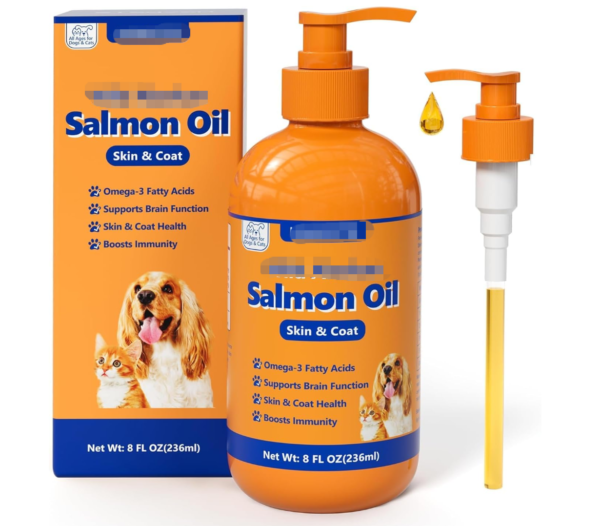
Omega oils are common in skin and coat formulas, joint support, and general wellness products. However, oils can oxidize if sourced or stored poorly.
Omega Oil Ingredient Quality Checks
Ask for:
-
Source species or plant source
-
EPA and DHA content if fish oil
-
Peroxide value
-
Anisidine value
-
Heavy metal testing
-
Microbiology where relevant
-
Antioxidant system
-
Storage temperature
-
Packaging compatibility
-
Shelf-life support
For fish oil, odor control is important. If the product smells strongly rancid, customers will complain and pets may reject it.
How to Evaluate Botanical Ingredients for Private Label Pet Supplements
Botanicals can be useful, but they are also variable. The quality depends on plant species, plant part, growing region, harvest timing, extraction solvent, standardization, and testing.
Botanical Ingredient Sourcing Checklist
| Question | Why It Matters |
| What is the Latin name? | Avoids plant confusion |
| Which plant part is used? | Root, leaf, flower, seed, bark can differ |
| Is it extract or powder? | Strength and function differ |
| What is the extract ratio? | Helps compare suppliers |
| Is it standardized? | Supports consistency |
| Are pesticides tested? | Important for plant materials |
| Are heavy metals tested? | Botanicals may accumulate contaminants |
| Is it suitable for pets? | Human use does not prove pet suitability |
Avoid sourcing botanicals only by price. A cheaper botanical may have lower active content, weak identity testing, or poor traceability.
How to Compare Stock Formulas vs Custom Pet Supplement Formulas
Private label brands usually choose between stock formulas and custom formulas.
| Option | Advantages | Limitations |
| Stock formula | Faster launch, lower MOQ, existing production | Less differentiation |
| Modified stock formula | Some customization, moderate speed | MOQ may increase |
| Custom formula | Strong brand differentiation | Higher MOQ, longer development |
| Premium ingredient formula | Better positioning | Higher cost and testing needs |
| Vet-developed formula | Stronger trust signal | Requires professional involvement |
A stock formula can be useful for testing market demand. A custom formula is better when the brand has a clear positioning strategy, unique ingredient story, or premium price point.
FriendDropshipping’s Customization & Private Pack service can support private label packaging, labels, inserts, and customized product presentation depending on project requirements.
How to Avoid Low-Quality Pet Supplement Ingredients

Low-quality ingredients are not always obvious. Some suppliers provide attractive prices, nice packaging photos, and broad promises, but weak documentation.
Red Flags in Pet Supplement Ingredient Sourcing
| Red Flag | Why It Matters |
| No batch-specific COA | Cannot verify product quality |
| Only marketing brochure | Not enough technical support |
| Unrealistically low price | May indicate weak grade or dilution |
| No ingredient origin | Traceability risk |
| No expiry or retest date | Shelf-life risk |
| No sample available | Cannot inspect before launch |
| Vague “GMP certified” claim | Scope may not match product |
| No allergen statement | Labeling and safety risk |
| No heavy metal testing | Risk for minerals, botanicals, oils |
| Pushes disease claims | Compliance risk |
A serious supplier should welcome technical questions.
How to Source Ingredients for Clean Label Pet Supplements
Clean label usually means simple, recognizable ingredients, transparent sourcing, and fewer unnecessary additives. However, clean label does not mean “chemical-free.” Everything is chemistry. The better goal is clear, honest, functional formulation.
Clean Label Ingredient Ideas for Pet Supplements
| Brand Direction | Ingredient Sourcing Approach |
| Minimalist | Fewer active ingredients, clear dosage |
| Natural-positioned | Botanical and food-based ingredients with documentation |
| Allergen-aware | Avoid common allergens and disclose clearly |
| No artificial color | Use natural color or no color |
| Sensitive digestion | Gentle carriers and simple excipients |
| Premium | Branded ingredients or stronger testing |
Be careful with terms such as “natural,” “organic,” “human-grade,” and “hypoallergenic.” These words may have specific regulatory or proof expectations depending on the market.
How to Source Ingredients for Sustainable Pet Supplement Brands
Sustainability can strengthen brand positioning, but it must be specific. Ingredient sourcing can support sustainability through responsible fisheries, recycled packaging, plant-based ingredients, reduced waste, or refill models.
Sustainable Ingredient Sourcing Questions
Ask suppliers:
-
Is the ingredient from a renewable source?
-
Is there documentation for sustainable harvesting?
-
Are animal-origin materials responsibly sourced?
-
Is packaging recyclable or refillable?
-
Can the supplier reduce unnecessary secondary packaging?
-
Are environmental claims supported?
Avoid broad claims such as “eco-friendly” unless you can explain exactly what makes the product or packaging better.
How to Check Pet Supplement Manufacturing Quality

Ingredient sourcing does not stop at raw materials. Manufacturing can affect quality through blending, heat exposure, compression, moisture, flavoring, drying, and packaging.
Manufacturing Questions for Private Label Pet Supplements
| Area | Questions |
| Blending | How is ingredient uniformity controlled? |
| Heat exposure | Are probiotics, oils, or botanicals protected? |
| Moisture | Is water activity controlled for chews or powders? |
| Cross-contact | Are allergens or animal proteins separated? |
| Cleaning | Are cleaning records maintained? |
| Coding | Are lot and expiry codes applied correctly? |
| Retained samples | Are samples kept from each batch? |
| Rework | Is rework allowed and documented? |
| Stability | Is shelf life supported? |
Quality cannot be inspected into a bad process. It should be built into sourcing and production from the start.
How to Test Samples Before Ordering Private Label Pet Supplements
Never approve a pet supplement only from a quotation sheet. Order samples and inspect them.
Sample Testing Checklist
| Sample Area | What to Check |
| Appearance | Color, shape, size, consistency |
| Odor | Fresh, acceptable, not rancid |
| Texture | Chew softness, powder flow, capsule quality |
| Palatability | Will pets accept it? |
| Packaging | Seal, closure, leakage, label quality |
| Count or weight | Matches specification |
| Documentation | COA and spec match sample |
| Shipping | Product survives transit |
| Storage | Does it change after opening? |
| Customer experience | Easy to dose and use |
For higher-risk products, consider third-party lab testing before scaling.
FriendDropshipping’s Quality Control service can help inspect product appearance, packaging, labeling, quantities, and shipment readiness before fulfillment.
How to Build a Pet Supplement Ingredient Scorecard
A scorecard makes supplier comparison easier.
| Criteria | Weight | Supplier A | Supplier B | Supplier C |
| Ingredient quality | 20% | |||
| Documentation | 15% | |||
| Traceability | 15% | |||
| Pet suitability | 15% | |||
| Price | 10% | |||
| MOQ | 5% | |||
| Lead time | 5% | |||
| Packaging support | 5% | |||
| Fulfillment support | 5% | |||
| Communication | 5% |
Do not let price dominate the decision. A cheaper ingredient can become expensive if it causes complaints, returns, unstable batches, or poor reorder rates.
Final Ingredient Sourcing Checklist
Before approving a private label pet supplement ingredient or finished formula, confirm:
| Checklist Item | Completed? |
| Formula goal is clear | |
| Pet species is defined | |
| Ingredient dosage is specified | |
| Supplier identity is verified | |
| COA is batch-specific | |
| Specification sheet is reviewed | |
| Ingredient origin is known | |
| Heavy metal testing is available where relevant | |
| Microbiology testing is available where relevant | |
| Allergen statement is available | |
| Stability or shelf-life support is reviewed | |
| Sample has been inspected | |
| Packaging protects the formula | |
| Label claims are reviewed | |
| Fulfillment partner can track batches and expiry dates |
Conclusion
Sourcing high-quality ingredients for private label pet supplements requires more than finding a low-cost manufacturer. A strong sourcing process starts with a clear product brief, then moves through supplier verification, ingredient documentation, batch-specific COAs, traceability, sample testing, manufacturing review, packaging checks, and fulfillment controls.
For private label pet supplement brands, the best ingredients are not only premium on paper. They are suitable for the target animal, stable in the chosen dosage form, supported by documents, traceable by batch, and protected through storage and shipping.
If you are building a pet supplement brand and need support with sourcing, private labeling, packaging, quality control, warehousing, and global shipping, FriendDropshipping can help you coordinate the operational side through Sourcing & Fulfillment, Customization & Private Pack, Supplement Fulfillment, and Shipping Solutions.
FAQs About Sourcing Ingredients for Private Label Pet Supplements
How do I source high-quality ingredients for private label pet supplements?
Start with a clear formula brief, verify suppliers, request batch-specific COAs, review ingredient origin, test samples, check pet suitability, and confirm manufacturing and fulfillment controls.
What documents should a pet supplement ingredient supplier provide?
Common documents include a specification sheet, Certificate of Analysis, allergen statement, heavy metal test, microbiology test, stability support, ingredient origin details, and facility quality certificates.
What is a COA for pet supplement ingredients?
A COA, or Certificate of Analysis, is a document showing test results for a specific ingredient or product batch. It may include potency, microbiology, heavy metals, moisture, and other quality data.
What are the best ingredients for private label dog supplements?
Popular dog supplement ingredients include glucosamine, chondroitin, MSM, collagen, probiotics, omega oils, L-theanine, chamomile, pumpkin fiber, and selected vitamins and minerals.
What are the best ingredients for private label cat supplements?
Common cat supplement ingredients include taurine, omega oils, probiotics, prebiotics, cranberry, DL-methionine, hairball-support fibers, and skin and coat nutrients. Cat suitability should always be reviewed carefully.
Should I choose stock formulas or custom formulas?
Stock formulas are faster and usually lower MOQ. Custom formulas offer stronger differentiation but require more development time, higher MOQ, and deeper testing.
How can I avoid low-quality pet supplement ingredients?
Avoid suppliers that cannot provide batch-specific documents, ingredient origin, testing data, samples, or clear manufacturing information. Be cautious with prices that look too low.
Why is traceability important in pet supplement sourcing?
Traceability helps connect raw materials, finished batches, warehouse inventory, and customer orders. It is important for quality investigations, complaints, recalls, and customer trust.
Can FriendDropshipping help source private label pet supplements?
Yes. FriendDropshipping can support product sourcing, private label packaging, quality control, supplement fulfillment, warehousing, and shipping for supplement and sensitive product brands.
Table of Content

I’m Cassiel. I’ll help you scale your Shopify business with reliable fulfillment.
Join to newsletter.
Follow us and get more knowledge.