A seller leaves Alibaba because a supplier wants 1,000 units. On another site, she finds the same-looking product with an MOQ of 100. Nice.

Then the real quote arrives. The seller is a wholesaler, not the factory. The color she wants starts at 800 units. Export packing costs extra. International shipping is “buyer arrange.” Different website, same headache—just wearing another shirt.
Alibaba alternatives can still give you lower starting quantities, domestic Chinese prices, regional manufacturers, ready-to-sell brands, or a better pool of technical suppliers. The trick is choosing one for the job you actually have.
This guide compares 15 sites like Alibaba by supplier type, region, order model, and practical friction. It also covers the less exciting bits that protect your money: specifications, samples, verification, payment, inspection, and landed cost.
First, What Kind of Alibaba Alternative Do You Need?
“A website like Alibaba” can mean five very different things. Mixing them up is how a search for a factory ends with a retail reseller—or how a buyer wanting ten test units spends a week emailing container-scale manufacturers.
A B2B Marketplace
A B2B marketplace lets buyers search suppliers, request quotations, send messages, and sometimes pay through the platform. The choice is useful, but manufacturers, trading companies, wholesalers, and exporters may appear side by side.
A Manufacturer Directory
A directory is more company-led than product-led. You search for capabilities such as injection molding, fabrication, contract cosmetics, or industrial valves. It suits specification-led buying, although you usually manage qualification, contracting, and purchasing yourself.
A Wholesale Marketplace or Distributor Network
Faire and Amazon Business are closer to ready-stock purchasing. You can often buy less and replenish faster, though unit prices are higher and deep customization is limited.
A Domestic China Marketplace
1688, Yiwugo, and Chinagoods were built around Chinese trade. They can reveal suppliers and price levels that are less visible on export platforms. But Chinese communication, RMB payment, domestic delivery, export paperwork, and consolidation may become your problem. Buyers often use China product sourcing support when the listing is only the first step.
A Sourcing Partner or Trade Show
Sometimes you need a person to normalize quotes, collect samples, inspect goods, or combine orders. Or you need a trade show where you can touch ten products in one afternoon. Neither is a direct website substitute, but both can solve the original problem.

15 Sites Like Alibaba Compared
MOQ varies by supplier, product, material, artwork, and customization. “Low,” “medium,” and “high” below describe the usual fit, not a guaranteed platform rule.
| Platform | Region | Best for | Typical order model | Main advantage | Main friction |
|---|---|---|---|---|---|
| 1688 | China | Domestic price discovery and broad sourcing | Small wholesale to factory orders | Deep China supplier pool | Chinese-first buying and domestic delivery workflow |
| Global Sources | Asia | Electronics and established importers | Samples to larger wholesale/OEM orders | Online sourcing plus trade shows | Often less friendly to tiny test orders |
| Made-in-China | China | Machinery, components, and industrial goods | Specification-led B2B orders | Searchable audit information | Supplier capability still needs confirmation |
| DHgate | China/global | Small wholesale tests | Low to medium quantities | Retail-like checkout and tiered pricing | Many resellers; consistency varies by seller |
| AliExpress | China/global | One-unit samples and dropshipping tests | Single units and small batches | Easy checkout and low commitment | Higher unit cost and limited production control |
| Yiwugo | Yiwu, China | Small commodities and mixed categories | Market-style wholesale | Access to Yiwu merchant ecosystem | Export, QC, and consolidation may be separate |
| Chinagoods | Yiwu, China | Yiwu catalog and merchant discovery | Ready stock and wholesale | Another digital route into Yiwu markets | A listing is not proof of factory ownership |
| HKTDC Sourcing | Hong Kong/Asia | Asian suppliers and trade-show discovery | B2B inquiries and wholesale | Trade-promotion and event ecosystem | Buyer still manages qualification and orders |
| Thomasnet | US/Canada | Industrial and custom manufacturing | RFQ and contract manufacturing | Strong North American supplier discovery | Higher costs in some categories; directory, not checkout |
| Faire | US/Europe and other markets | Boutique retail inventory | Small wholesale orders | Ready-to-sell branded products | Not designed for factory-level customization |
| Amazon Business | Major domestic markets | Fast business procurement | Ready-stock purchases | Familiar ordering and delivery | Weak fit for OEM and transparent factory sourcing |
| Europages | Europe | European company discovery | Direct B2B inquiry | Wide regional and industry coverage | Must filter manufacturers from distributors and services |
| IndiaMART | India | Broad Indian supplier discovery | Wholesale, industrial, and custom inquiries | Very wide product and company coverage | Lead quality and export readiness vary |
| TradeIndia | India | Cross-checking Indian suppliers | B2B inquiries and wholesale | Additional regional supplier pool | Verification remains buyer-led |
| tradeKorea | South Korea | Korean products and manufacturers | Wholesale and export inquiries | Useful country-specific discovery | MOQ and export support depend on each company |
China-Based Sites Like Alibaba for Wholesale and Manufacturing
1. 1688: Best for China Domestic Price Discovery
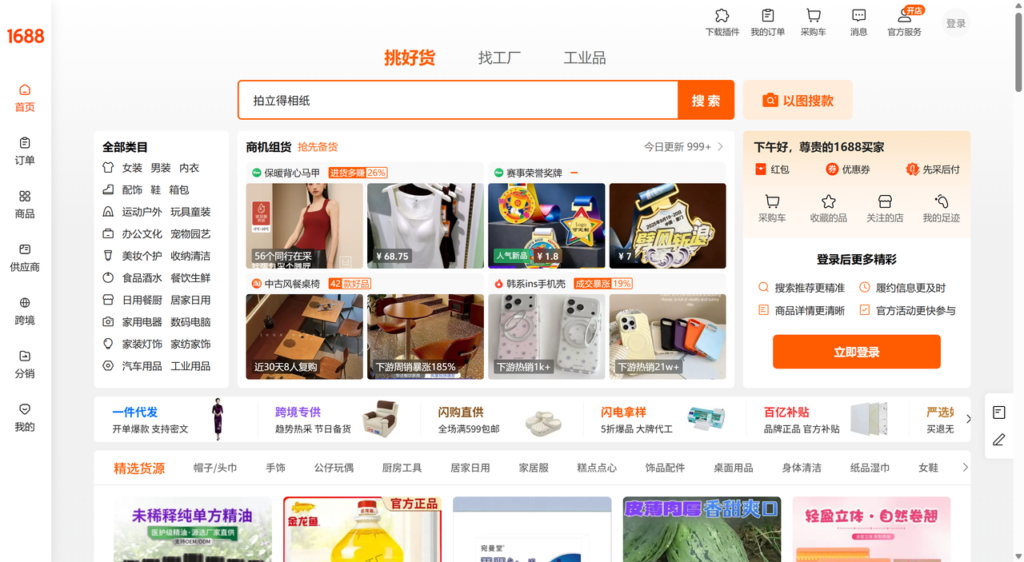
Alibaba Group describes 1688 as China’s leading integrated domestic wholesale marketplace. That word “domestic” matters. The platform serves Chinese buyers, so suppliers commonly quote in RMB and deliver within China.
1688 is useful for ready-made consumer goods, components, packaging, textiles, accessories, and many factory-made items. You may find a manufacturer’s domestic storefront, a regional wholesaler, or a tiny merchant selling stock from several sources. A low displayed price does not tell you which one.
Ask whether the listing price applies to your variation, quantity, material, and packaging. Also check whether tax is included, how domestic freight is calculated, and who will receive the order in China.
Some international users can access cross-border payment routes; others use an agent or local partner. The guide on buying from 1688 without a Chinese company covers those routes.
Choose 1688 when you have China-side communication, payment, receiving, inspection, and export support. If you need one supplier to quote DDP delivery to your front door in polished English, it may feel like buying vegetables from a great local market and then discovering you also need to rent the truck.
2. Global Sources: Best for Established Buyers and Electronics
Global Sources combines an online B2B sourcing platform with physical exhibitions. Its supplier profiles use labels with defined meanings; for example, its supplier-verification guide distinguishes verified manufacturers and suppliers participating in online-to-offline trade-show programs.
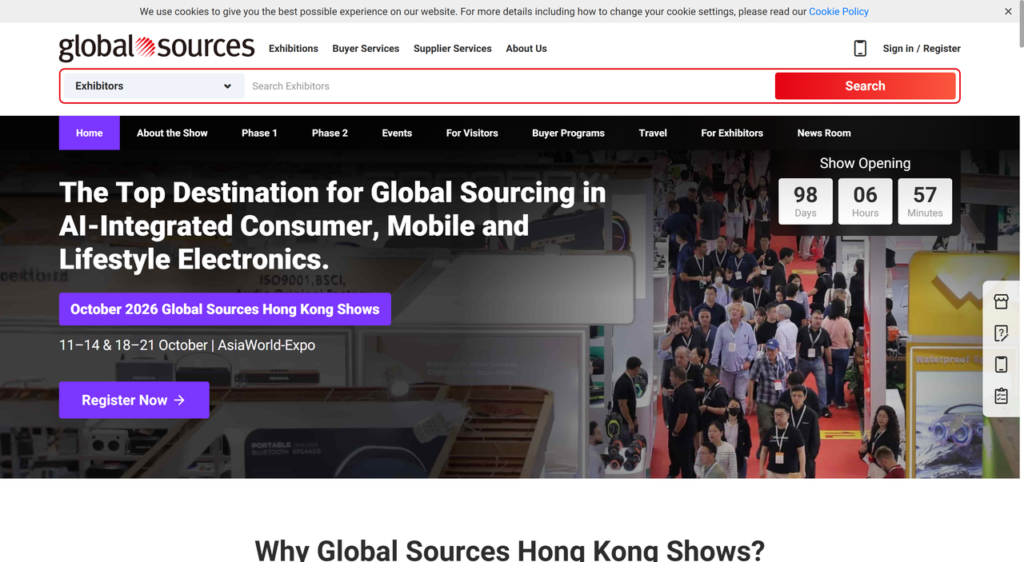
The platform is well known for consumer electronics, electronic components, mobile accessories, home products, fashion accessories, and lifestyle goods. It can work well for buyers who want to research online and then meet shortlisted suppliers in Hong Kong or at another event.
Expect a traditional B2B conversation and sometimes larger orders. Send a proper brief, not “best price please.” Ask about production site, sample timing, MOQ by model, and whether the company manufactures the item.
The trade-show layer is genuinely useful. Still, a booth and a supplier label do not approve your exact product. The sample, specification, commercial terms, and inspection plan remain yours to control.
3. Made-in-China: Best for Industrial and Technical Products
Made-in-China is a close Alibaba competitor for machinery, industrial equipment, electrical products, components, construction materials, tools, and technical goods. Its format suits buyers who search by product specification rather than by trend photo.
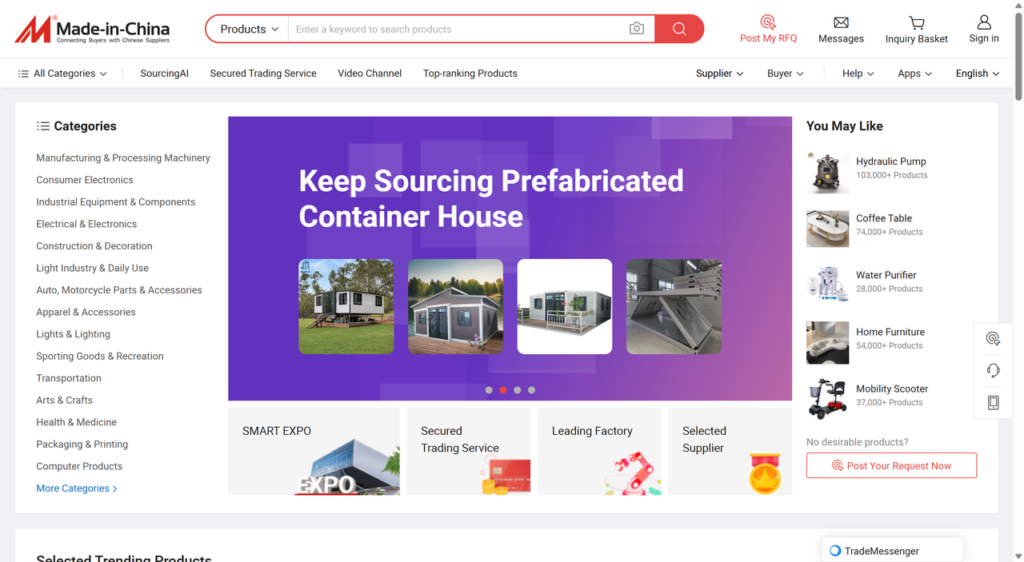
The platform publishes audit information for participating suppliers. That can help you review the stated company type, production capability, and site details before making contact. It is a useful screening layer, not a warranty. An audited trading company can still be a trading company, and an audited factory can still be wrong for your product.
It works best when you can describe voltage, load, tolerance, material grade, drawings, standards, and destination requirements. A vague industrial RFQ is a small machine that manufactures large misunderstandings.
4. DHgate: Best for Small Wholesale Test Orders
DHgate sits between retail and conventional B2B wholesale. Many products have tiered pricing, so the unit price falls as quantity increases. Checkout and buyer-protection features make it approachable for small businesses testing apparel, accessories, electronics, home goods, or seasonal products.
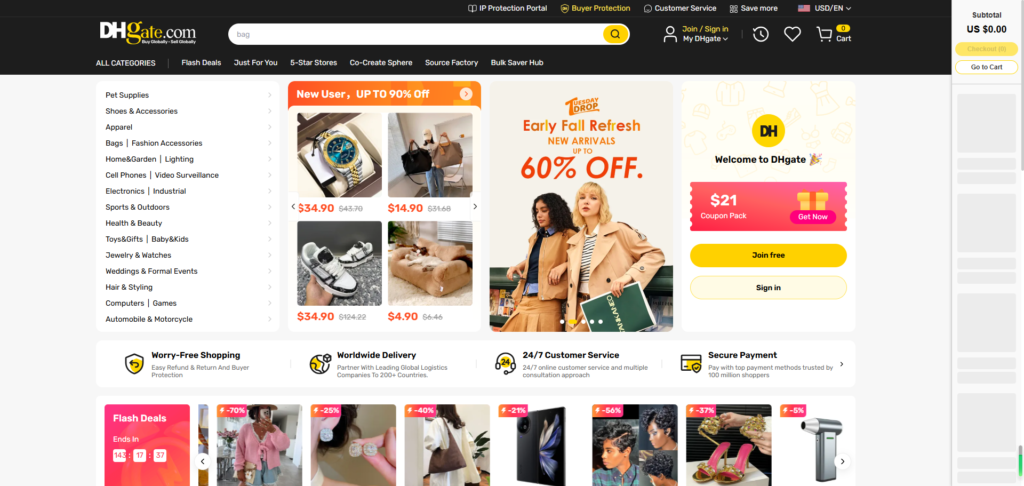
It is better for existing products than deep customization. Many sellers are wholesalers or traders. They may mix SKUs and accept smaller orders, but give you less control over the original factory or future production.
Use DHgate for a controlled test. Order the exact variant, inspect it, and test a real delivery. Avoid branded copies and suspiciously cheap “same factory” claims. If the product works, you can later search for a stable wholesale or manufacturing route.
5. AliExpress: Best for Single-Unit Samples and Dropshipping Tests
AliExpress offers retail-style prices, international checkout, and small quantities—often one unit. That makes it handy for product research, content samples, competitor comparison, or early dropshipping tests.
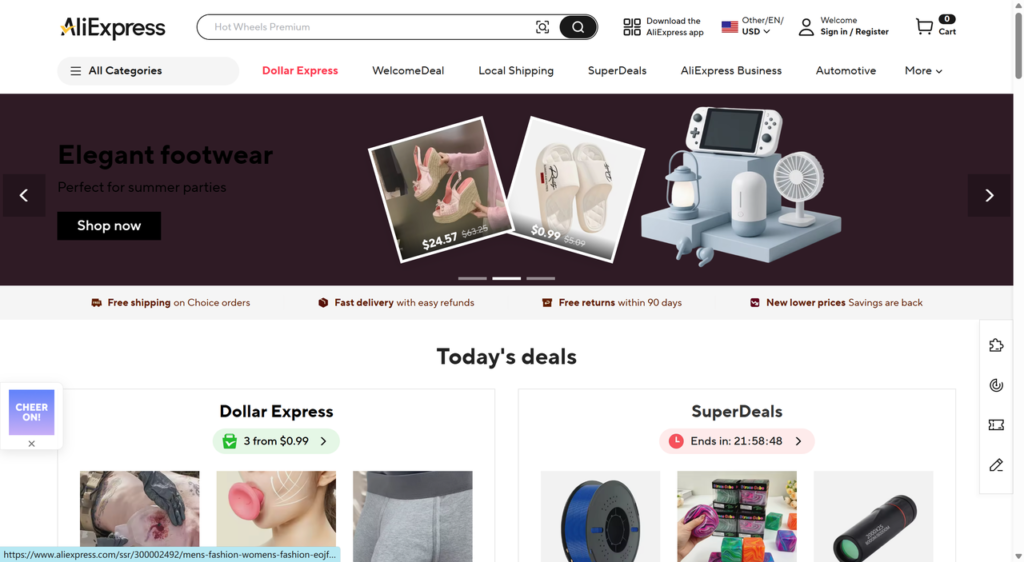
It is not a clean replacement for manufacturing. The seller may change the source, packaging, or component. Stock can vanish, and a winning SKU may be hard to replenish at scale.
Treat AliExpress as a test lane. Check the item and the fulfillment route before advertising hard. Once orders repeat, move toward a defined specification, consistent supply, inventory rules, and quality checks. Sellers comparing platforms, suppliers, apps, and agents can use the guide to reliable Chinese dropshipping suppliers as a separate provider-level reference.
6. Yiwugo: Best for Yiwu Small-Commodity Discovery
Yiwugo connects online discovery with merchants in the Yiwu International Trade Market ecosystem. Yiwu is strong in jewelry, hair accessories, stationery, toys, craft items, household goods, gifts, seasonal decorations, and countless small products that seem to reproduce when you look away.
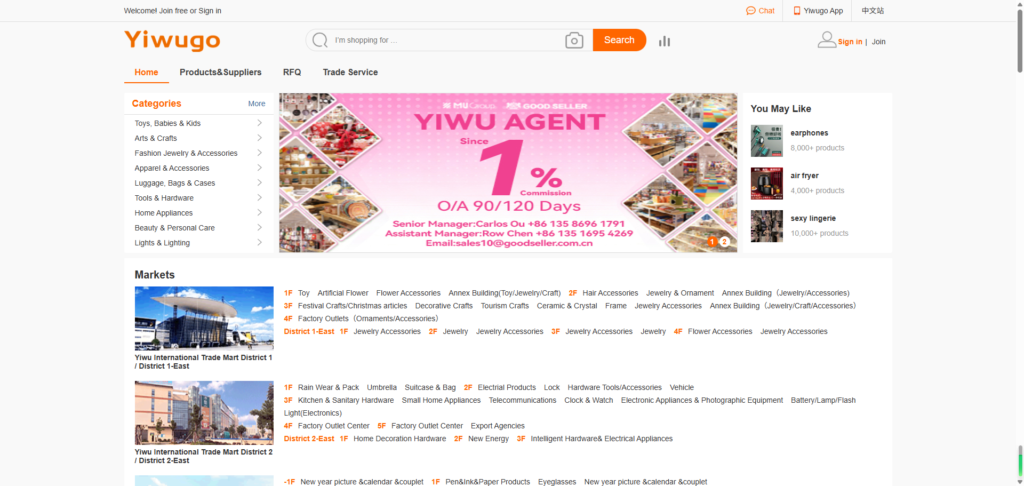
It suits buyers who want many SKUs or modest quantities per SKU. The merchant may be a factory office, wholesaler, or trader. Confirm stock, product stability, and the documents your transaction requires.
Mixed orders introduce physical work: receiving cartons from different shops, counting, checking, relabeling, repacking, and consolidating. Budget those tasks before celebrating a two-cent saving.
7. Chinagoods: Another Route Into the Yiwu Market Ecosystem
Chinagoods also connects buyers with the Yiwu market environment. It is useful for catalog research, supplier discovery, and seeing how small-commodity categories are organized.
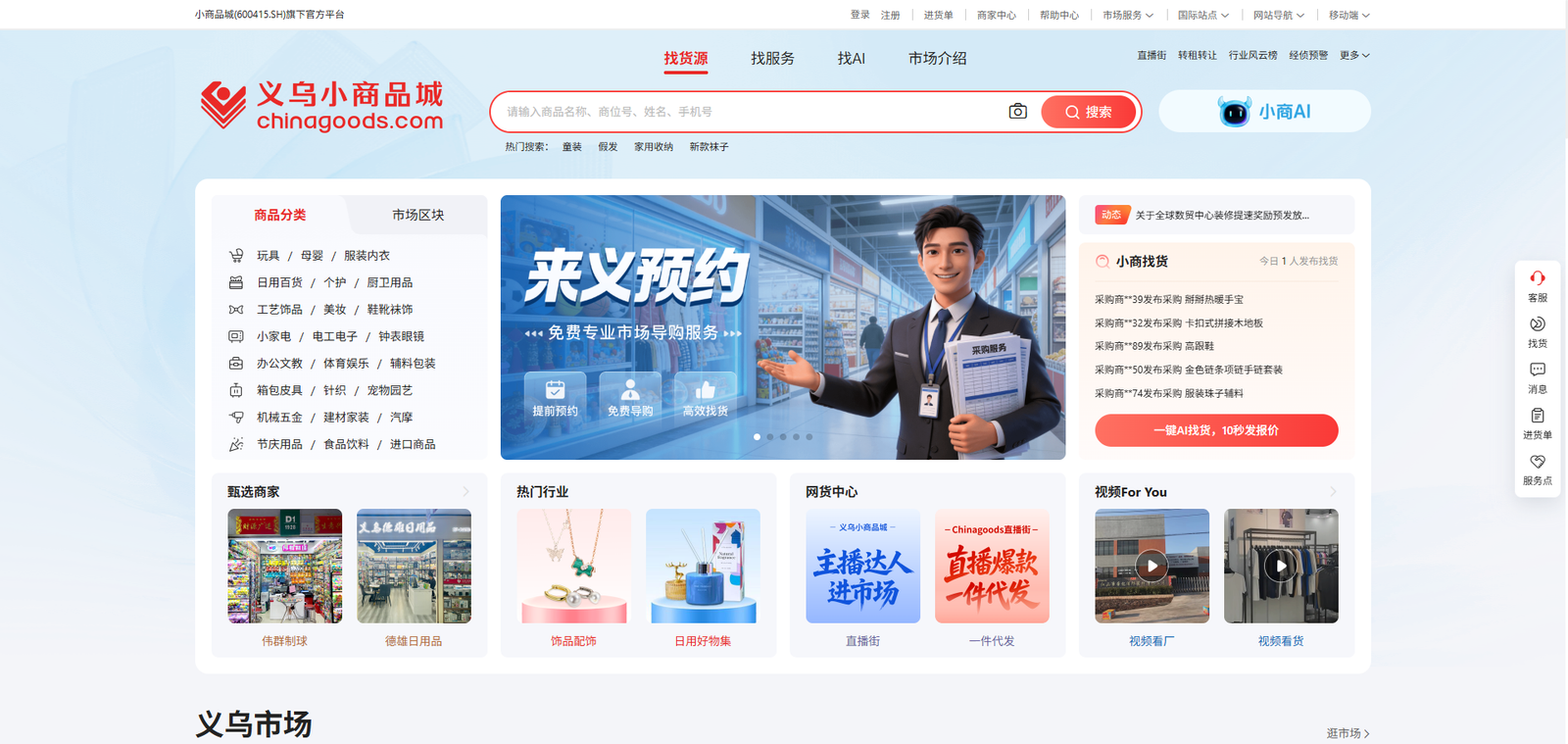
Do not assume every shop owns a factory. In Yiwu, the value may be access to a broad mix of stock rather than direct production. That can be ideal for a gift store or variety retailer. It is less ideal for a brand that needs exclusive tooling, strict material control, or long production traceability.
Compare Yiwugo and Chinagoods results, then verify the company behind the quote. For a multi-supplier order, define who checks quantity and quality, who combines cartons, and who prepares export documents.
8. HKTDC Sourcing: Best for Hong Kong and Asian Supplier Discovery
HKTDC Sourcing is connected to the Hong Kong Trade Development Council’s trade-promotion and event network. Buyers use it to find contacts across electronics, lighting, gifts, toys, jewelry, housewares, fashion, food, and other Asian supply categories.
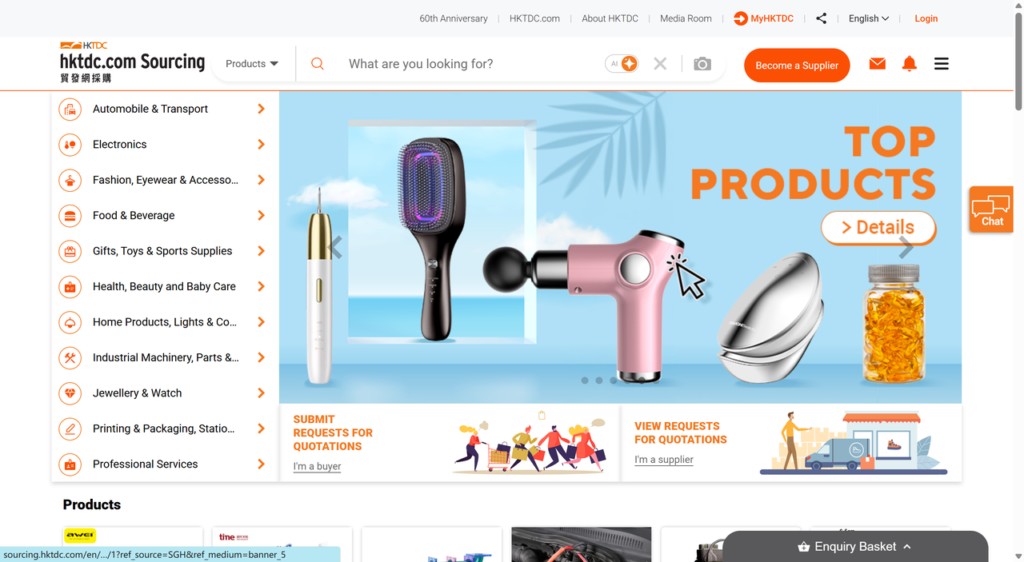
It can be a good bridge between online research and exhibitions. Hong Kong events are also practical for meeting many companies without visiting a dozen industrial cities.
The useful result is a shortlist, not approval. Confirm the legal company, production location, sample, export terms, and documents. A polished catalog cannot inspect the shipment.
Alibaba Alternatives Outside China

9. Thomasnet: Best for North American Industrial Suppliers
Thomasnet is a North American supplier-discovery platform. It is strong for industrial products, contract manufacturing, fabrication, machining, components, materials, and business services.
Use it when country, lead time, or technical communication matters more than the lowest global unit price. Check whether each listing is a manufacturer, custom service provider, distributor, or sales office.
US or Canadian production may cost more in some categories. The comparison should include smaller batch potential, easier visits, domestic transport, communication, intellectual-property control, and faster replenishment. A $4 part that arrives reliably can beat a $2.80 part that turns every restock into a suspense film.
10. Faire: Best for Boutique Wholesale and Ready-to-Sell Brands
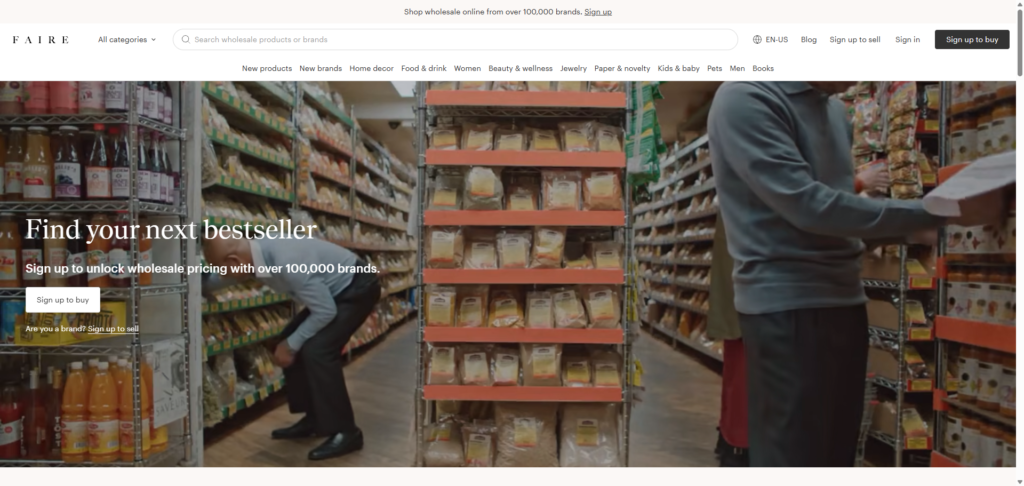
Faire connects retailers with established brands. It suits boutiques, gift shops, lifestyle stores, and online retailers that want ready-to-sell products without developing them from scratch.
You are buying a brand’s wholesale catalog, not hiring its factory. Packaging and assortment are largely fixed. Development is easier, but margin and uniqueness may be lower than with private label.
Choose Faire when speed, curated inventory, and retail readiness matter. Do not choose it when your goal is to own the formula, mold, design, or manufacturing specification.
11. Amazon Business: Best for Fast Domestic Procurement
Amazon Business works well for operational supplies, replacement stock, packaging materials, office items, and products needed fast in supported markets. The familiar purchasing flow can simplify approvals and invoices for small teams.
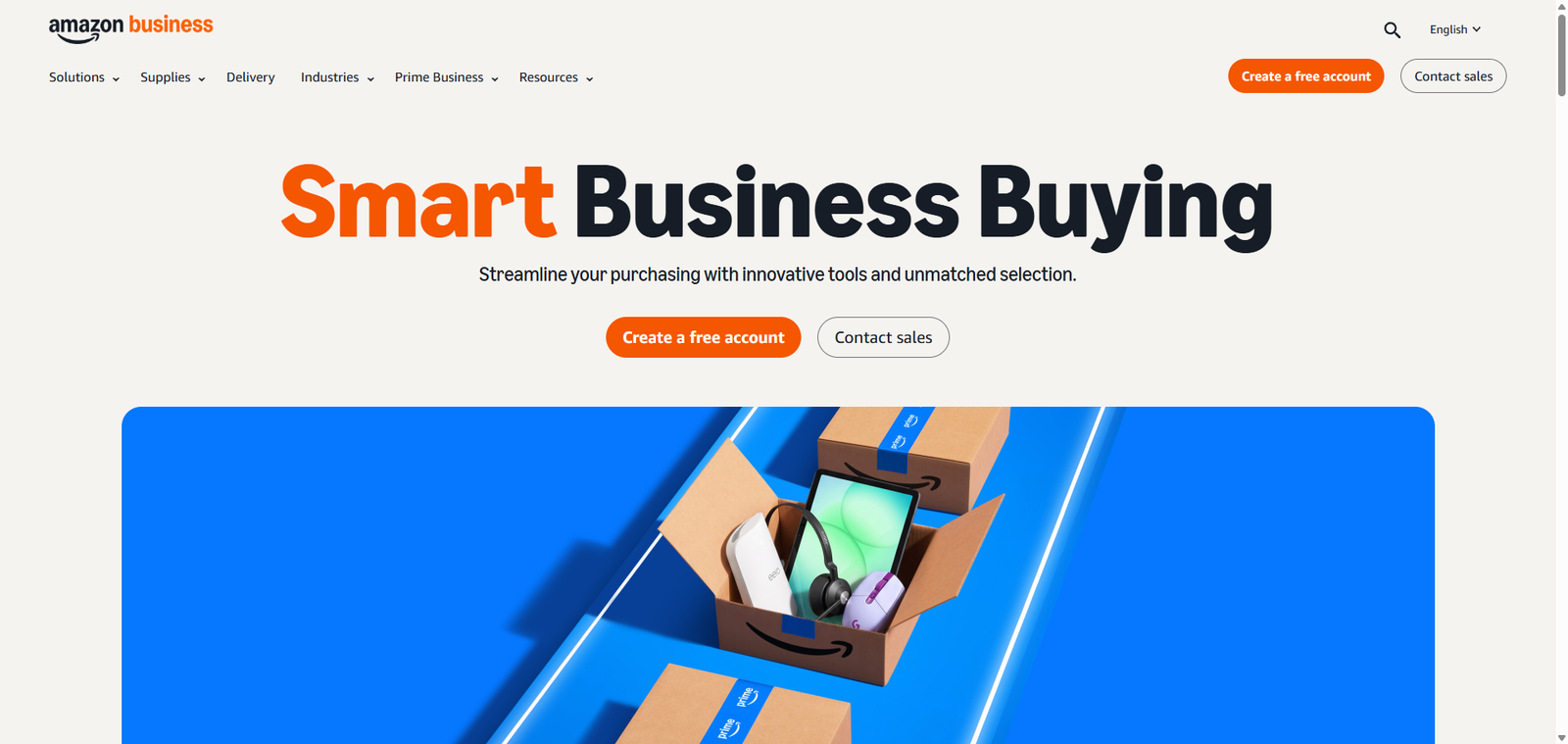
It is rarely the place to build a custom brand. Seller identity may be separated from the manufacturer, pricing can remain retail-like, and OEM development is not the point.
Think of it as the hardware store near your workshop. Very useful when you need tape tomorrow. Not where you normally commission a new cordless drill.
12. Europages: Best for European Supplier Discovery
Europages is a broad European B2B directory covering manufacturers, distributors, wholesalers, and service companies. It is useful for businesses seeking shorter European supply chains, region-specific materials, local-language suppliers, or production closer to EU customers.
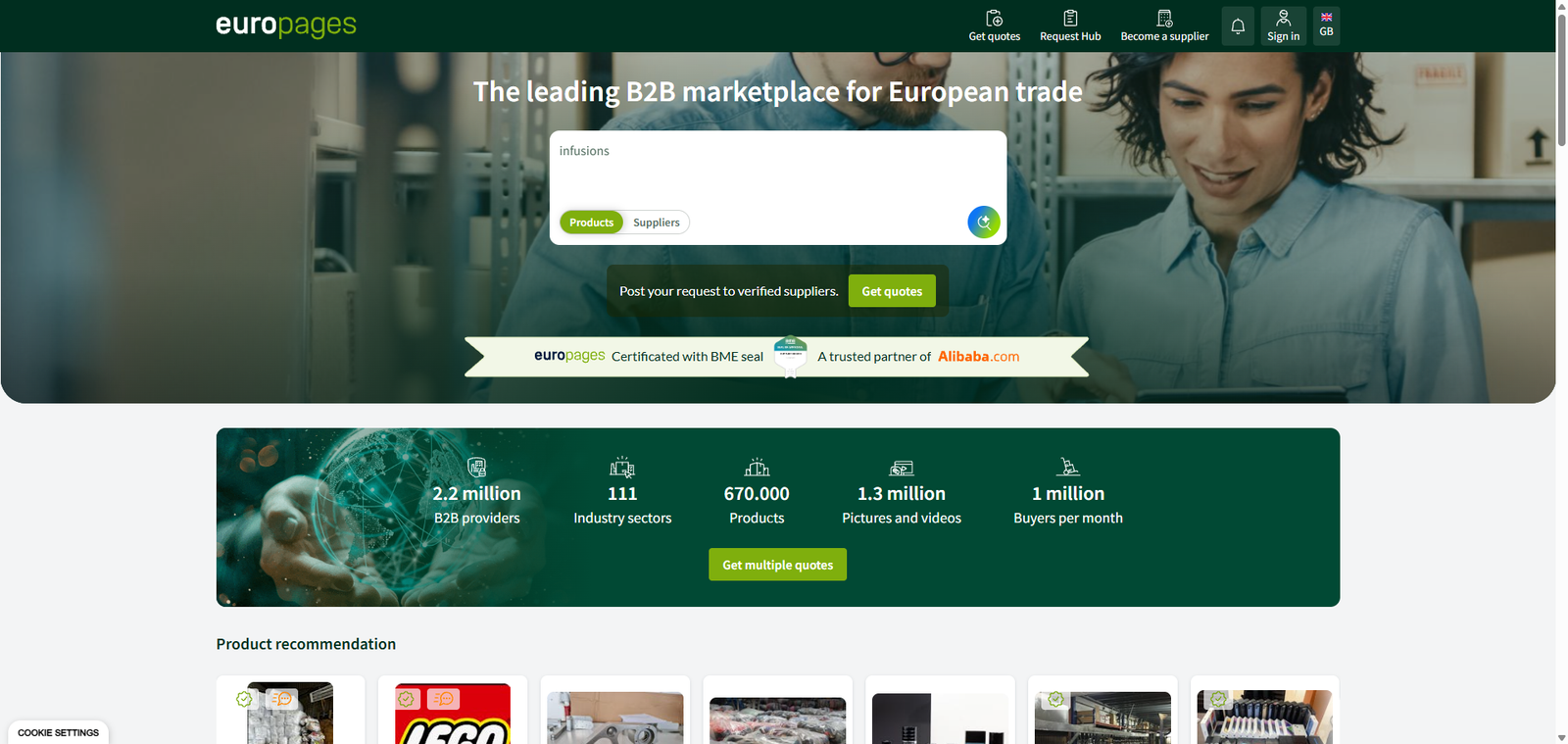
Filter carefully. A company appearing under a product category may distribute it rather than manufacture it. Review its own website, legal identity, facilities, capabilities, and target markets.
European sourcing may simplify communication or transit, but compliance remains product-specific. A nearby supplier does not automatically make the product compliant or correctly labeled.
13. IndiaMART: Best for Broad India Sourcing
IndiaMART offers a wide pool of Indian suppliers across textiles, machinery, chemicals, agriculture, packaging, handicrafts, jewelry, materials, and consumer goods. It is useful when India has a real production advantage or when a buyer wants to diversify beyond China.
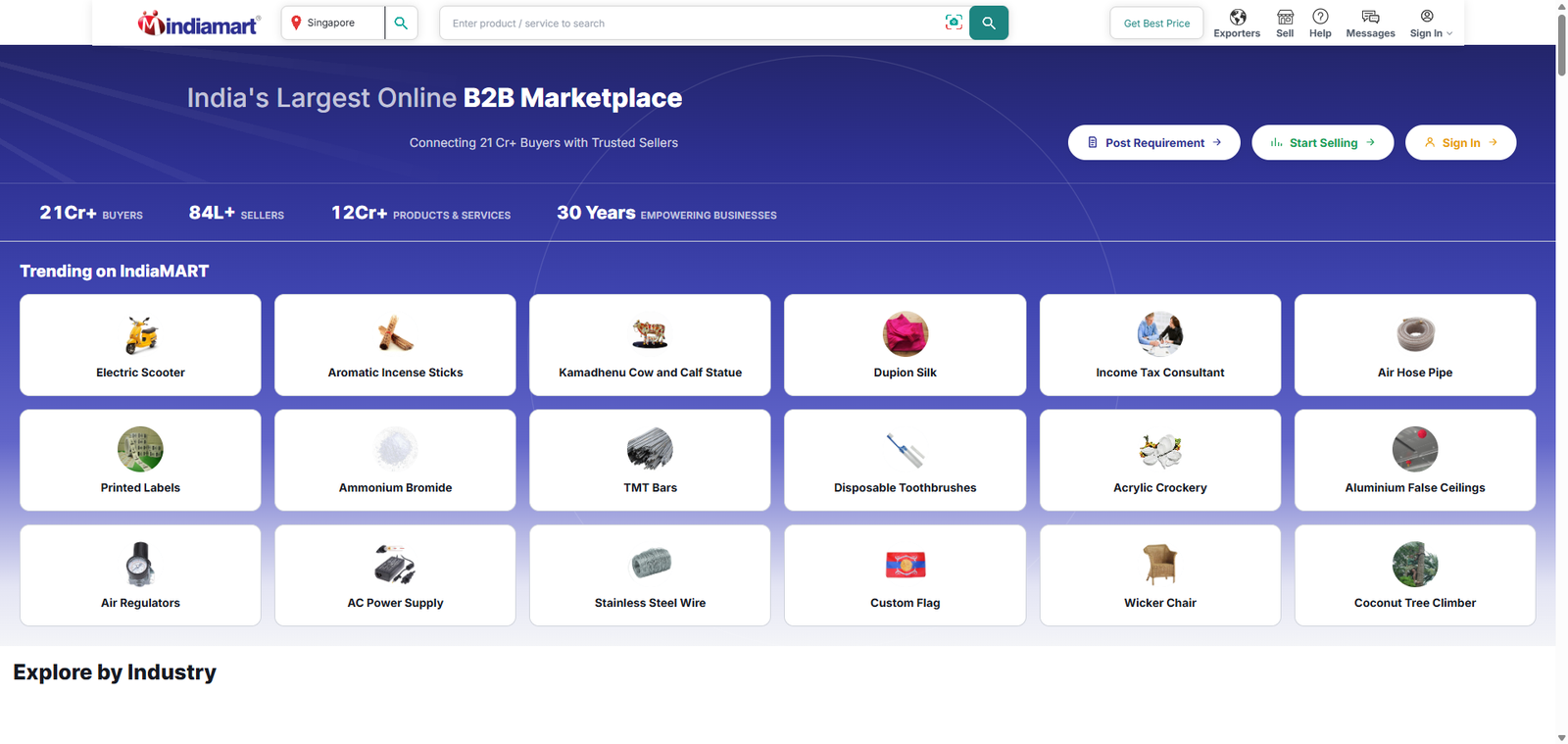
Response quality varies. Some inquiries attract several middlemen. Use a business email, provide a detailed RFQ, and ask direct questions about the company, production site, export markets, product standard, MOQ, and payment terms.
Category clusters, port distance, infrastructure, and export experience matter. Compare the whole route, not just the country label.
14. TradeIndia: Useful for Cross-Checking Indian Suppliers
TradeIndia provides another route to Indian manufacturers, exporters, and wholesalers. Its best use is not choosing it instead of IndiaMART as if one logo settles the matter. Search both, compare company information, and build a wider shortlist.
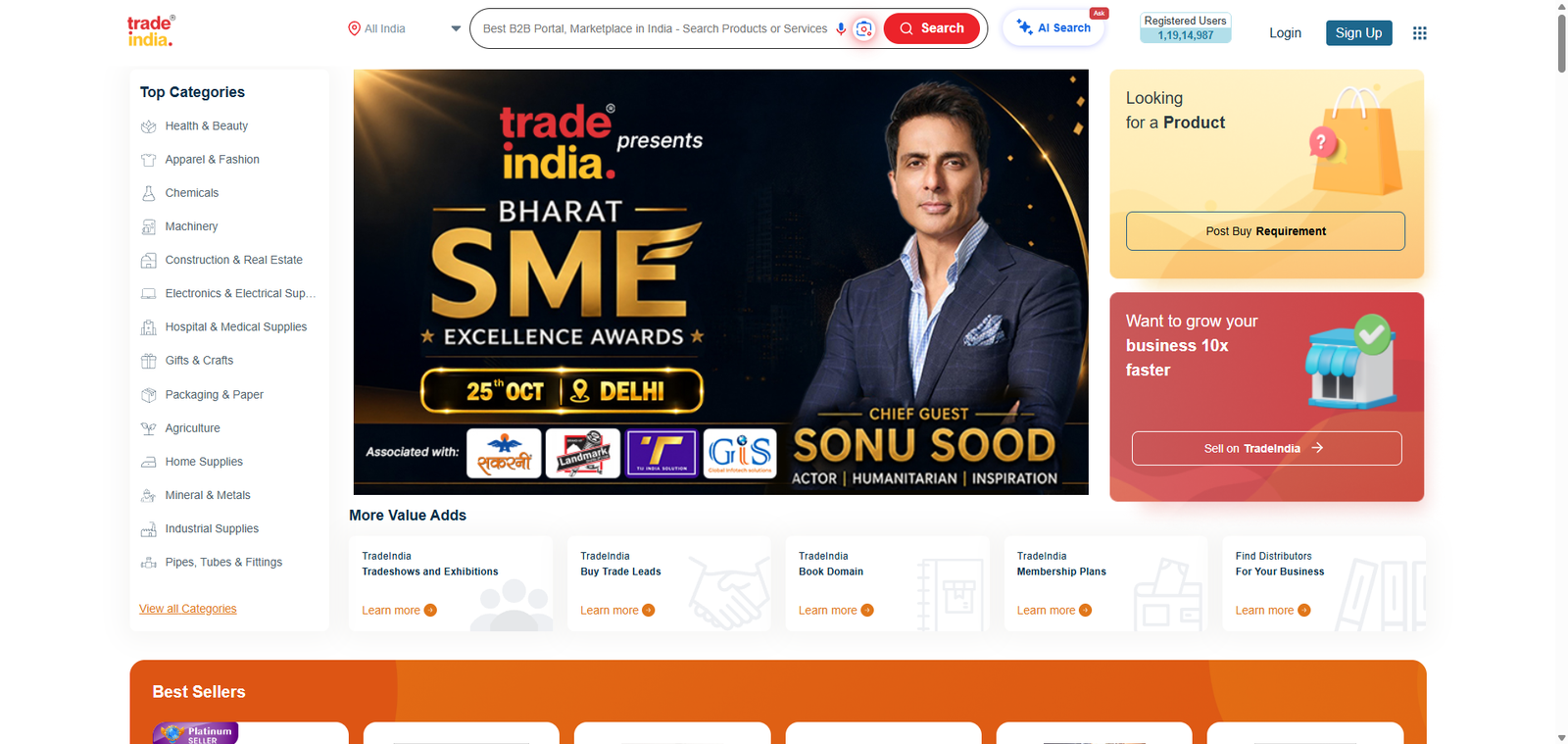
If the same supplier appears in several places, match its legal name, address, contacts, and bank beneficiary. Follow the trail to official registration, references, samples, and real capability.
15. tradeKorea: Best for South Korean Products and Manufacturers
tradeKorea is useful for buyers seeking South Korean beauty products, food, household goods, electronics, industrial products, and manufacturing partners. It can help narrow a country-specific search that feels messy on a global marketplace.
Korean origin alone does not answer whether a product can be sold in your market. For cosmetics and food, review formulation, claims, ingredients, labeling, shelf life, and required documents. For industrial products, confirm drawings, standards, testing, spare parts, and after-sales support.
Fit depends on category, quantity, export readiness, and target market. Ask first, then admire the sample packaging.
Which Alibaba Alternative Fits Your Buying Situation?
The best platform is the one that reduces the friction you actually have. Use this as a starting map.
| Buyer situation | Start with | Why | Watch out for |
|---|---|---|---|
| Testing 1–10 units | AliExpress or DHgate | Low commitment and simple checkout | Retail pricing and inconsistent future supply |
| Buying 50–500 ready-stock units | DHgate, 1688, Yiwugo, or Faire | More small-batch options | Seller may be a wholesaler; confirm exact version |
| Developing a private-label consumer product | Global Sources, 1688, Made-in-China, or a sourcing partner | Better path toward manufacturers and customization | MOQ, tooling, samples, compliance, and QC |
| Sourcing machinery or technical components | Made-in-China or Thomasnet | Specification-led supplier discovery | Installation, spares, standards, and after-sales service |
| Finding US suppliers | Thomasnet | North American industrial network | Higher unit price and directory-led purchasing |
| Finding European suppliers | Europages | Broad European company coverage | Manufacturer and distributor results can mix |
| Sourcing from India | IndiaMART plus TradeIndia | Wider shortlist and category depth | Verify export capability and payment entity |
| Sourcing Korean products | tradeKorea | Country-specific discovery | Product documents and market compliance |
| Buying many small Yiwu SKUs | Yiwugo or Chinagoods | Small-commodity and merchant depth | Consolidation, counting, inspection, and export handling |
| Testing dropshipping demand | AliExpress or a dropshipping supplier | No or low inventory commitment | Delivery time, stock changes, packaging, and returns |
| Stocking a China fulfillment center | 1688 or direct suppliers with local support | Domestic receiving can lower handoff friction | Define QC, SKU identity, inventory ownership, and reorder rules |
A Different Marketplace Does Not Remove Supplier Risk
Changing platforms may improve your options. It does not outsource judgment.
A Badge Is Not the Same as Company Identity
“Verified,” “audited,” “gold,” and “premium” are platform-specific labels. They may indicate a document check, site visit, paid membership, or transaction history. Read what each label covers.
Then identify the legal business behind the store. Match the company name, registration number, address, contract party, invoice issuer, and bank beneficiary. If those names differ, ask why before paying.
For Chinese suppliers, the guide to verifying a manufacturer beyond marketplace badges covers capability evidence and remote checks. You can also review the fields to match on a Chinese supplier’s business license.
Factory, Trading Company, Wholesaler, or Distributor?
None of these supplier types is automatically good or bad. The question is whether the role fits the order.
| Supplier type | Often useful for | Main advantage | Main limitation |
|---|---|---|---|
| Manufacturer | Custom products and repeat volume | Production control and technical access | Higher MOQ; narrower catalog |
| Trading company | Export coordination and category sourcing | Communication and supplier flexibility | Adds margin; factory may be indirect |
| Wholesaler | Small batches and mixed ready stock | Lower commitment and fast purchasing | Limited customization and traceability |
| Distributor | Authorized brands and local inventory | Documentation, availability, and support | Higher price and territory conditions |
A trading company that understands your category can be more useful than a factory that ignores emails and outsources half the order. Just make the relationship visible.
Validate the Product, Not Only the Profile
Order a representative sample. Record material, dimensions, function, components, labels, packaging, and tolerances. Identify destination-market requirements before producing regulated or safety-sensitive goods.
ISO 9001 relates to a company’s quality management system. It does not approve every product that company makes. Likewise, an AQL sampling plan helps define inspection sample size and acceptance rules. It does not mean every unit was inspected or every defect is harmless.
Certificates and test reports must match the product, model, manufacturer, standard, market, and current version. A beautiful PDF for another model is still the wrong evidence.

Compare Landed Cost, Not the Listing Price
A listing price is one ingredient. It is not dinner.
Add the costs required to make the goods usable:
- product price at the correct specification and quantity;
- sample, courier, and revision costs;
- mold, tooling, print plate, artwork, and packaging setup;
- domestic delivery to the warehouse or port;
- inspection, labeling, consolidation, and export handling;
- international freight and insurance;
- duty, tax, brokerage, and destination charges;
- expected defects, rework, returns, and replacements;
- storage and fulfillment labor.
Use this formula:
Landed usable unit cost = total sourcing, product, logistics, import, and handling cost ÷ usable units received
Here is an illustrative comparison for 500 storage organizers. These are teaching numbers, not supplier quotes or market averages.
| Cost item | Supplier A | Supplier B |
|---|---|---|
| Product price | $2.00 × 500 = $1,000 | $2.24 × 500 = $1,120 |
| Sample and setup | $90 | $70 |
| Domestic freight and inspection | $180 | $130 |
| International freight and import allowance | $620 | $450 |
| Usable units after damage or rejection | 470 | 490 |
| Total project cost | $1,890 | $1,770 |
| Landed usable unit cost | $4.02 | $3.61 |
Supplier A won the screenshot contest. Supplier B won the actual order.
Also define the delivery term. The ICC’s Incoterms rules clarify how buyer and seller responsibilities, costs, and risks are divided in international sales. An EXW quote and a DDP quote should not sit in the same price column without adjustment.
Send Every Supplier the Same RFQ
Quotations are comparable only when the suppliers are quoting the same thing. Include:
- product photo, drawing, link, or reference sample;
- material, grade, dimensions, weight, function, color, and tolerances;
- quantity by model, size, color, and artwork;
- expected reorder volume;
- logo method, packaging, labels, and carton requirements;
- destination market and required product documents or tests;
- sample type, price, timing, and courier method;
- tooling cost, ownership, storage, and reuse terms;
- production lead time after final approval;
- payment stages and beneficiary company;
- Incoterm, named place, and final delivery address;
- export-carton quantity, dimensions, and gross weight.
Here is a compact first message:
Hello, we are sourcing a 500-unit trial order of the attached product for sale in the United States. Please quote the exact specification in the attached sheet at 500, 1,000, and 3,000 units. Show sample cost, MOQ, tooling, logo and packaging charges, production time, payment terms, carton size and weight, and EXW and FOB pricing separately. Please state whether your company manufactures this product and provide the legal company name that will receive payment.
That message will not solve everything. It will remove a surprising amount of fog.
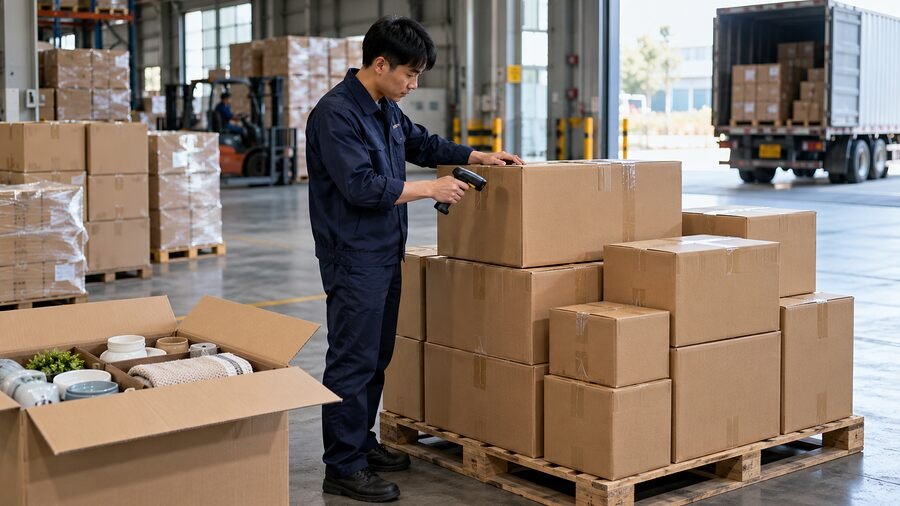
From a Shortlist to a First Order in Eight Steps
- Write the sourcing brief. Define what is fixed, what can change, the target market, and the trial quantity.
- Search at least two relevant channels. Use another marketplace, directory, trade show, existing supplier network, or local partner.
- Create one shortlist. Compare category fit, supplier role, company identity, MOQ, capability, and export readiness.
- Verify the company. Match registration, address, contact, payment entity, facilities, and claimed production work.
- Normalize quotations. Put price, specification, packaging, lead time, delivery term, exclusions, and payment into the same table.
- Approve a sample. Record exactly what the sample proves and which bulk-production details remain open.
- Run a controlled trial order. Use a purchase order, inspection criteria, approval points, and a clear release decision.
- Review real performance. Calculate landed usable cost, defect rate, lead time, communication, and replenishment reliability before scaling.
The full 12-step product sourcing process from brief to bulk order provides the records and checkpoints for a more complex project.
When a Sourcing Agent Makes More Sense Than Another Site
A marketplace helps you find a listing. It may not handle the messy gap between the listing and your warehouse.
A China sourcing agent becomes useful when:
- a domestic supplier cannot accept your payment method;
- suppliers deliver only to a Chinese address;
- you are buying from several factories or Yiwu merchants;
- samples need to be collected and compared;
- product and packaging suppliers must coordinate;
- you need China-side receiving, counting, photos, or inspection;
- goods require consolidation, relabeling, export packing, or freight booking;
- inventory must move into a fulfillment workflow.
An agent is not magic dust either. Define the fee model, service scope, supplier transparency, purchase records, inspection limits, shipping margin, and approval points. The comparison of a China dropshipping agent versus a supplier helps separate those roles.
For a simple repeat order from an export-ready factory, direct purchasing may be cleaner. For six small domestic suppliers, custom packaging, a Shopify store, and customers in four countries… well, coordination starts to look like a real product.
Conclusion
There is no universal winner among sites like Alibaba. 1688 can expose domestic Chinese supply. Global Sources can connect online research with trade shows. Made-in-China fits technical searches. DHgate and AliExpress lower the cost of testing. Thomasnet, Europages, IndiaMART, and tradeKorea help buyers search by region. Faire and Amazon Business solve ready-stock purchasing, not factory development.
Choose the platform by sourcing job, product category, order size, destination, and the work your team can manage. Then verify the company, approve the product, control payment and production terms, inspect the order, and compare landed usable cost.
A marketplace can introduce you to a supplier. It cannot make an unclear order become clear. That bit still belongs to the buyer—and, when needed, the sourcing team working beside them.
Frequently Asked Questions
What is the best site like Alibaba for wholesale buying?
There is no single best option. Global Sources and Made-in-China suit many export and manufacturing searches. 1688 suits buyers with China-side support. DHgate works for smaller wholesale tests. Thomasnet, Europages, IndiaMART, and tradeKorea are useful when country or region matters.
Is there a US equivalent to Alibaba?
Thomasnet is one of the closest options for finding North American manufacturers and industrial suppliers. Amazon Business supports ready-stock procurement, while Faire serves retailers buying established brands. None copies Alibaba’s exact mix of factory listings, RFQs, trade services, and global catalog breadth.
What is the cheapest Chinese wholesale website besides Alibaba?
1688 often shows domestic-market prices that look lower than export-facing platforms. The lowest listing does not guarantee the lowest landed cost. Add China delivery, payment handling, inspection, consolidation, export, freight, duties, and unusable units before comparing.
Is 1688 cheaper than Alibaba?
It can be for the same or similar ready-made item because 1688 is built for China’s domestic wholesale market. But the suppliers, specifications, tax treatment, quantity, packaging, and service scope may differ. Foreign buyers may also need an agent or China warehouse, which adds cost.
Can international buyers purchase directly from 1688?
Some buyers can use supported cross-border account and payment options. Others purchase through an agent or local partner. Access does not solve every issue: the supplier may still provide only domestic delivery and Chinese service, with no export documents or international freight.
Which Alibaba alternative is best for low MOQ orders?
AliExpress is useful for one-unit samples. DHgate suits small wholesale tests. Faire can work for small retail orders from established brands. Some 1688 and Yiwu merchants also accept modest quantities, but payment, receiving, and export may require local support.
Which site is best for private-label products?
Global Sources, Made-in-China, 1688, and qualified manufacturers found through regional directories can all work. The better choice depends on category and volume. Focus on relevant production capability, sample development, tooling, packaging, compliance evidence, and repeatability—not the marketplace name.
Are Global Sources and Made-in-China safer than Alibaba?
Not automatically. Their supplier labels, audit information, and category strengths can improve screening. Safety still depends on the individual company, product, contract, payment path, sample, production control, inspection, and dispute evidence.
How do I verify a supplier found on a B2B marketplace?
Confirm the legal business, registration, address, contact details, bank beneficiary, and supplier role. Review relevant capability evidence and references. Use a live video or site visit when appropriate, approve a sample, and check that product documents match the exact model and manufacturer.
Which sites like Alibaba accept small sample orders?
AliExpress and DHgate are usually convenient for small orders. Some suppliers on 1688, Global Sources, Made-in-China, IndiaMART, and other directories will also sell samples, but sample terms are supplier-specific. Ask whether the sample represents bulk materials and production processes.
What are the best Alibaba alternatives in Europe?
Europages is useful for broad European supplier discovery. Faire supports wholesale buying from brands in several markets. Buyers can also use country-specific chambers, industry associations, trade shows, and specialist directories for categories such as cosmetics, food, textiles, and industrial components.
What are the best sourcing websites in India?
IndiaMART and TradeIndia are two broad starting points. Use both to build and cross-check a shortlist. Category associations, export councils, trade shows, and official company records can add stronger evidence for textiles, chemicals, food, machinery, handicrafts, or other specialist sectors.
Can I use sites like Alibaba for dropshipping?
Yes, but not every platform or supplier supports single-order international fulfillment. AliExpress and some DHgate sellers are easier for early tests. Manufacturers and domestic wholesalers usually work better with batch inventory, a warehouse, or an agent that handles order synchronization and shipping.
Do wholesale marketplaces handle international shipping and customs?
Some do, some suppliers offer it separately, and others stop at the factory or domestic warehouse. Confirm the named delivery term, export clearance, freight, insurance, destination fees, duties and taxes, brokerage, and final delivery. Never assume “shipping included” covers the entire route.
Should I use a sourcing agent instead of a marketplace?
Use a marketplace when you can manage supplier communication, verification, payment, QC, export, and freight. Consider an agent when buying from domestic Chinese suppliers, coordinating multiple vendors, developing packaging, consolidating orders, inspecting goods, or connecting inventory to ecommerce fulfillment.
Table of Content

I’m Cassiel. I’ll help you scale your Shopify business with reliable fulfillment.
Join to newsletter.
Follow us and get more knowledge.