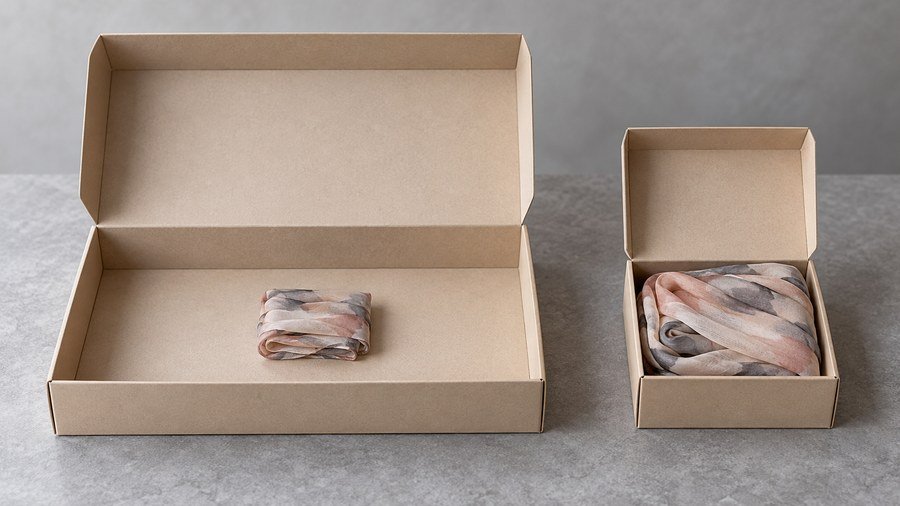
Two suppliers send you photos of what looks like the same storage box. One quotes $2.10. The other wants $2.30.
Easy choice? Maybe. Until you discover that the cheaper quote leaves out the retail packaging, uses a different plastic, and assumes a larger order.

Buying products from China can feel a little like ordering dinner through an app. The price beside the photo is only the beginning. You still need to know what arrives, what costs extra, and who fixes things if the order is wrong.
A good sourcing process clears up those questions before you commit to bulk production. It connects your brief, supplier checks, quotations, samples, and purchase documents.
Here are 12 steps to follow, with practical records to keep along the way. We’ll use a hypothetical home-storage product as an example. The numbers illustrate decisions; they aren’t supplier quotes or industry averages.
What This China Sourcing Process Covers
Product sourcing means finding, evaluating, and selecting a supply option that fits your requirements. Purchasing is the transaction that follows. Manufacturing and fulfillment involve further work after the order is accepted.
The effort depends on what you’re buying:
-
Ready-made products: Existing designs, usually with fewer development decisions.
-
Private-label products: Existing products with agreed branding, packaging, or other changes.
-
Custom products: Products requiring drawings, new components, tooling, or development work.
You’ll also hear OEM and ODM. Suppliers use these labels differently, so ask who develops the design, what changes are included, and who owns the resulting files and tooling.
This guide suits small retailers, Shopify brands, and marketplace sellers preparing a first bulk order. It assumes you have a product direction. A popular listing alone isn’t enough reason to buy a warehouse full of stock.
Some tasks overlap. Compliance research starts early, for example, while final evidence may depend on production samples. Keep those dependencies visible instead of treating every checkbox as permanently finished.

Step 1 — Write a Product Brief a Supplier Can Actually Quote
Define the customer, use case, and first-order budget
“Please source a good-quality storage box” leaves almost everything open.
A supplier needs to know what the box holds, where it will be used, and what matters to the customer. A bedroom drawer organizer and a container intended for direct food contact create different requirements.
Set a first-order budget that includes more than inventory. Leave room for samples, development, testing, inspection, and transport. Then decide how much cash you can commit before the first sale.
Separate fixed requirements from open questions
Use a short brief with fields like these:
| Brief field | What to record |
| Product and use | Drawer organizer for adult household use; intended contents |
| Size and fit | External dimensions, usable internal space, tolerances to agree |
| Material | Proposed material and grade; alternatives requiring approval |
| Appearance | Color reference, texture, visible surfaces, logo location |
| Quantity | Initial quantity by SKU and color; realistic reorder estimate |
| Packaging | Individual protection, retail presentation, outer carton needs |
| Destination | Country, sales channel, receiving location |
| Budget and timing | Target cost basis and required availability date |
| Attachments | Reference photos, drawings, artwork, current revision number |
Don’t guess at specifications you haven’t settled. Write “material option to be confirmed” and ask for separate proposals.
Reference photos help explain an idea. They don’t establish hidden dimensions, wall thickness, or permission to reproduce someone else’s design.
Save the brief as a dated version. That small habit makes later conversations much easier: everyone can point to the same requirement.

Step 2 — Check Materials and Market Requirements Before Spending Money
Replace vague material labels with measurable requirements
“Plastic” could mean several different materials. “Cotton fabric” says little about construction, weight, or finish. “Strong box” doesn’t tell a packaging supplier what protection you expect.
Ask which material grade and manufacturing process suit the intended use. Record performance requirements as well as material names. Depending on the product, that might include fit, load, flexibility, surface finish, or wash performance.
For a product with several parts, a bill of materials helps identify the components that must remain consistent. Require written approval before substitutions.
Build a product-specific compliance checklist
The destination, intended user, product claims, and actual construction determine what needs checking. These examples show the questions to raise, rather than a complete regulatory checklist:
| Product category | Material or construction questions | Checks to scope before ordering |
| Home storage | Resin grade, wall thickness, handles, edges | Intended load, stability, intended contact with food |
| Clothing | Fiber composition, fabric weight, dyes, trims | Labeling, wash performance, applicable safety rules |
| Electronic accessories | Components, insulation, connectors, batteries | Electrical safety, applicable emissions and transport requirements |
| Pet accessories | Seams, fasteners, coatings, detachable parts | Intended animal and use, strength, foreseeable hazards |
| Children’s products | Age grading, small parts, coatings, accessible materials | Applicable testing, certification, and traceability requirements |
| Total budget to the receiving location | $3,700 | $3,650 |
| Budget per ordered unit | $3.70 | $3.65 |
| Budget and timing | Target cost basis and required availability date | |
| Attachments | Reference photos, drawings, artwork, current revision number |
For US consumer products, the CPSC business education resources provide product-specific guidance and routes to information about testing, certification, and labeling. Other authorities and requirements may also apply.
Ask a suitable compliance specialist or laboratory to identify the scope for your exact product and market. A report for a different model or material needs further investigation.
Keep factory quality-system certificates, product test reports, and shipment inspections in separate folders. They answer different questions. A neat factory and an attractive sample don’t establish that your product can legally be sold.

Step 3 — Choose a Sourcing Route and Build a Shortlist
There isn’t one best sourcing channel for every order.
A factory may suit a stable specification and repeat volume. A trading company may help combine products or support quantities that individual factories won’t accept. A sourcing agent can coordinate supplier communication, samples, and checks, depending on the agreed scope.
Alibaba, Made-in-China, and Global Sources can help you discover candidates. If Alibaba is your starting point, these Alibaba sourcing and dropshipping basics explain platform-specific considerations. Keep your bulk-order requirements separate from arrangements for individual customer orders.
1688, trade fairs such as the Canton Fair, referrals, and local wholesale markets offer other routes. They still require verification. A personal introduction isn’t a substitute for checking the business.
For suitable small-commodity and multi-supplier projects, Yiwu sourcing support can help with local coordination. Product fit matters more than choosing a city because it’s familiar.
Start with a manageable shortlist. Three to five serious candidates can be a useful working example, but there’s no magic number.
Compare category experience, quantity fit, customization capability, and willingness to answer detailed questions. A supplier with a huge catalog may be less useful than one that understands your exact product.
Keep a simple note beside each candidate: why they qualify, what remains unverified, and the next question to resolve.

Step 4 — Verify the Business Behind the Listing
A polished website tells you that someone built a polished website. You still need to establish who will sell the goods and who will make them.
Request the legal business name, registration details, operating address, and relevant production information. Check these against appropriate independent records and evidence.
Ask practical questions:
-
Which operations happen in-house, and which are subcontracted?
-
Has the proposed factory made products with similar requirements?
-
What equipment, capacity, and quality checks support this order?
-
Can you arrange an appropriate independent factory assessment?
-
Will the supplier disclose changes to the production location?
A video tour can help, but it doesn’t automatically prove ownership, capacity, or the identity of the production site. References and audit reports also need context: dates, scope, and relevance matter.
Check the proposed contracting and payment arrangements early. Sometimes an export company or related entity is involved. A different name requires an explanation and verification; it isn’t automatically proof of fraud.
For the storage-box example, finding a registered plastic-products business is only the first check. You also need confidence that it can produce the agreed dimensions, material, finish, and quantity.
Save the evidence and unresolved questions in a supplier record. If the business identity or production arrangement remains unclear, pause before committing money. A slightly faster reply won’t resolve that uncertainty.

Step 5 — Send the Same RFQ to Every Shortlisted Supplier
Ask for inclusions, exclusions, and quantity breaks
An RFQ, or request for quotation, gives suppliers a common basis for pricing. Without that basis, comparing quotes is like comparing hotel rooms before checking whether one price includes the whole stay.
Send the same brief and attachments to each candidate. Ask them to identify any deviations rather than quietly substituting their preferred version.
Request separate details for:
-
Unit price and MOQ by SKU, color, and packaging option.
-
Sample, tooling, development, and artwork charges.
-
Packaging, local delivery, and other included or excluded work.
-
Currency, quotation validity, and quantity discounts.
-
Production lead time and the conditions that start it.
-
Delivery term, named location, and payment proposal.
For example:
Please quote 1,000 units against brief revision 03. Separate the product, retail packaging, sample, and tooling charges. Identify any specification differences, excluded costs, and assumptions behind your lead time.
This doesn’t need fancy language. It needs an answer you can compare.
Keep changes in one revision log
Suppose one supplier suggests a different wall thickness for the organizer. That may be worth considering, but it creates a new option.
Record the proposal, evaluate its effect, and send the revised requirement to other candidates if you want equivalent quotes. Don’t compare the revised product against the original without flagging the difference.
Keep old files for reference, but mark the current version clearly. A folder containing “final,” “final-new,” and “really-final” is asking for trouble.

Step 6 — Compare Landed Cost, Not Just Unit Price
Put every quote on the same basis
The cheapest unit price may still produce a more expensive order.
Here’s a hypothetical comparison for 1,000 identical storage products, using the same material, packaging requirement, destination, and cost assumptions:
| Cost item | Supplier A | Supplier B |
| Product cost | $2,100 | $2,300 |
| Required retail packaging | $250 extra | Included |
| Inspection and testing allowance | $200 | $200 |
| Freight and related transport allowance | $750 | $750 |
| Import charges and clearance allowance | $400 | $400 |
| Total budget to the receiving location | $3,700 | $3,650 |
| Budget per ordered unit | $3.70 | $3.65 |
Supplier B’s higher product price produces a slightly lower total here. That doesn’t prove B is the better supplier. It shows why you need the complete comparison.
These figures aren’t market rates. The example assumes no tooling or development charges. Actual testing, freight, import charges, exchange costs, and tax treatment need separate confirmation. Don’t add a cost twice when it is already included elsewhere.
Keep downstream storage, customer-order fulfillment, advertising, and returns outside this factory-to-receiving calculation. They still affect profitability, but belong in your wider sales model.
Confirm the named place and delivery responsibilities
Use ICC’s Incoterms® 2020 rules to clarify agreed delivery responsibilities, costs, and risk allocation. Record the applicable rule, version, and named place or port.
EXW, FCA, FOB, and DDP aren’t interchangeable price labels. Choose terms suitable for the shipment with qualified logistics support. Don’t assume a delivered quotation answers every question about importing arrangements.
Payment timing, product acceptance, and ownership arrangements also need their own agreement. The shipping term alone doesn’t settle them.

Step 7 — Order Samples That Represent the Product You Will Buy
Before paying for samples, ask what they represent.
A stock sample shows an existing product. A development sample may demonstrate a proposed design. A sample made using intended production materials and processes answers a more specific question about what the factory plans to manufacture.
One isn’t automatically a substitute for another.
Agree on sample costs, shipping, timing, and any possible credit against a bulk order. Sample refunds aren’t something to assume.
Then build an evaluation sheet around the brief. For the organizer, check internal space, dimensions, edges, finish, handle fit, and intended use. Record measurements and photos, rather than relying on “looks good.”
Try the product as a customer would. Does it fit the intended drawer? Can you lift it comfortably when loaded as intended? Does the packaging make it awkward to unpack?
Those observations help evaluate usability. They don’t replace appropriately scoped safety or material testing. Smelling a product, for instance, cannot establish chemical compliance.
Order enough samples for the checks you need. Destructive testing, multiple colors, and comparison work may require separate units. Keep an untouched reference where useful.
If the sample uses a different material or process from the proposed bulk order, write down that gap. You haven’t yet approved the production version just because the sample feels promising.
Step 8 — Resolve Sample Changes and Decide Whether a Pilot Run Is Needed
Approve a version, not a chat message
“Approved, thanks” is easy to send. Six weeks later, it may be difficult to establish exactly what you approved.
Create a sample approval record containing the product revision, sample identifier, date, photos, measurements, and remaining conditions. Keep matching reference samples with the relevant parties where practical.
People often call the approved reference a golden sample. The useful part is the agreed reference, not the name.
Suppose the organizer’s handle needs changing. Record the change, review its effect on cost and performance, and approve the revised evidence. Don’t let approval of the original body quietly become approval of an untested handle.
Also agree how to resolve a conflict between a physical sample and a written specification. Otherwise, two people can point to different “correct” answers.
Use a pilot when the production risk justifies it
A pilot run tests whether the intended production process can repeat the result. It can be especially useful for new tooling, unfamiliar assembly, material changes, or products with tight fit requirements.
Decide what the pilot must demonstrate before ordering it. A small batch without clear acceptance criteria can leave you with the same unanswered questions, just more samples.
A mature, unchanged stock product may not need a separate pilot. Match the work to the risk.
Before bulk approval, close critical sample issues and record any justified remaining conditions. If the production method is still uncertain, a bigger order won’t make it clearer.

Step 9 — Lock Packaging, Labels, and Carton Details
Packaging starts in the brief and RFQ. This is where you finalize it.
Check the individual pack, retail presentation, protective materials, outer carton, and any pallet requirements. A beautiful printed sleeve won’t help much if products rub against each other during transport.
For a storage box, consider how units nest, where surfaces touch, and what protects handles and corners. Ask for packed dimensions and gross weight. Those details affect freight estimates and receiving arrangements.
Approve the artwork version, barcode content, label position, packing quantity, and carton markings. Check labels physically where possible. A readable design file doesn’t prove a printed barcode will scan on the finished package.
For Shopify brands considering inserts, sleeves, or branded boxes, review custom packaging options before locking the order. Confirm the cost and minimum quantity for the exact combination you choose.
Retailers and fulfillment centers may have their own receiving requirements. Get the current instructions for the actual destination, including Amazon FBA preparation where relevant.
Finally, distinguish a packaging appearance sample from transport-protection validation. Agree on a suitable test plan for the product and shipping route. Photograph the approved packing sequence so someone at the factory can reproduce it without guessing.

Step 10 — Agree on Inspection and Acceptance Before Production
Define defects in language an inspector can use
“Good quality” isn’t an inspection instruction.
Describe what to measure, test, count, and compare. For the organizer, that could include dimensions, cracks, handle function, color reference, labels, and carton quantity.
Set defect classifications appropriate to the product. Explain the difference between a cosmetic concern and a failure that affects function or safety. Use photos and measurable requirements when possible.
An inspection plan should identify the lot, inspection stage, access required, checking methods, reference documents, and report format. Decide which checks happen before production, during production, or before shipment.
Choose the inspection plan and failure response
For suitable lot-by-lot attribute inspections, ISO 2859-1 sampling procedures provide a recognized framework indexed by acceptance quality limit, or AQL. The official page lists the 2026 edition.
Have a competent inspector select and document the applicable plan. AQL isn’t a promise about every shipment’s defect percentage, and sampling doesn’t prove that every unit is acceptable. Some characteristics require other controls or testing.
Keep ordinary product inspection separate from laboratory testing and regulatory approval. Passing a visual inspection cannot resolve missing safety evidence.
If you need quality control support, share the approved specification and inspection scope first. Confirm which checks the provider can actually perform and where specialist testing is needed.
Decide what happens if the batch fails
Agree on notification, containment, rework, reinspection, costs, and revised timing before production starts. Identify who can approve shipment after corrective work.
A discount may address an acceptable cosmetic deviation if properly agreed. It doesn’t make an unsafe or noncompliant product suitable for sale.
The aim is a decision process everyone understands before a finished batch is waiting at the factory door.

Step 11 — Negotiate Payment, Lead Time, and Change Control
Price matters. So does when money leaves your account and what must happen first.
Discuss the deposit, balance, inspection access, and release arrangements together. If you negotiate payment after an acceptable inspection, put that condition in the agreement. Don’t assume the supplier shares your interpretation.
A 30% deposit and 70% balance is one possible arrangement. It isn’t a universal standard or a guarantee against loss. The right structure depends on the supplier, product, order, and payment protections available.
Define when the production clock starts. Does it require the deposit, approved artwork, final sample, or material availability? A “30-day lead time” with an unclear starting point isn’t much of a schedule.
Agree on updates and escalation if a milestone slips. Include your own approval deadlines too. A factory cannot finalize printing while waiting indefinitely for your artwork.
For custom products, address tooling ownership, access, storage, maintenance, and what happens when the relationship ends. Discuss drawings, confidentiality, and intellectual property before sharing sensitive development work. Have suitable legal professionals review the transaction documents where needed.
Finally, write a simple change-control rule: no unapproved material, component, packaging, or production-site changes. Proposals should explain the effect on price, timing, performance, and any testing already completed.
That rule protects the approved product from slowly becoming a different one.
Step 12 — Issue the Purchase Order and Authorize the Bulk Order
You now need one consistent set of order documents.
A quotation presents an offer. A pro forma invoice summarizes proposed transaction details. A purchase order records the buyer’s order. A purchase agreement may provide additional terms. Their legal effect depends on the transaction and applicable law; don’t assume one document always replaces the others.
Before authorizing production, check this approval pack:
| Record | What must be clear |
| Buyer and seller | Correct legal entities and verified payment arrangements |
| Order lines | Product identifiers, quantity, currency, agreed prices |
| Product specification | Current revision, approved materials, dimensions, function |
| Sample approval | Reference sample and closed changes |
| Packaging | Artwork, labels, packing method, carton requirements |
| Quality plan | Inspection scope, acceptance criteria, failure response |
| Commercial terms | Payment milestones, schedule, delivery term and location |
| Acceptance | Written supplier confirmation and authorized buyer approval |
Check that the files agree with each other. If the PO says revision 04 while the invoice references revision 02, resolve it before paying.
Verify unexpected bank-detail changes through an independently established contact method. Don’t rely only on the message announcing the change.
Once everything is consistent, issue the order, obtain written acceptance, and confirm the production schedule. Pay according to the agreed terms.
This is the point of the process: a bulk order tied to a defined product, documented evidence, and clear responsibilities.
Once the Order Is Placed, Keep the Approval Trail Alive
Placing the order starts another phase of work.
Track material availability, first production output, packaging readiness, inspection bookings, and expected cargo readiness. Ask for evidence relevant to each milestone, with dates and quantities where appropriate.
If something changes, update the record and obtain the required approval. Don’t leave a material substitution buried in a chat thread while the inspector works from an older specification.
Use final packed dimensions and weights when comparing shipping options from China. Arrange destination receiving instructions and required shipment documents in time for the actual booking.
When the goods arrive, record discrepancies and keep batch information linked to the order. That history helps you handle issues and prepare a better reorder. Starting again from a product photo would throw away much of the work you’ve already done.
Conclusion: Buy the Agreed Product, Not the Best-Looking Quote
Successful product sourcing from China depends on a series of clear decisions. Define the requirement, verify the supplier, compare equivalent quotes, test the proposed product, and record what everyone has agreed to deliver.
You don’t need the biggest spreadsheet in the room. You need the right evidence before the next commitment.
If you want help coordinating suppliers, samples, and order preparation, explore FriendDropshipping’s product sourcing support in China. Send your brief, destination, and intended quantity so the scope can be discussed around your actual project.
The goal is straightforward: when you approve the bulk order, you should know what you’re buying, what it costs, and how it will be checked.
FAQs About Product Sourcing From China
Can I source products from China without visiting a factory?
Yes. You can research suppliers remotely, order physical samples, and arrange independent factory assessments or inspections. The important part is obtaining reliable evidence for your order. A visit can help with complex development or relationship building, but simply walking through a showroom doesn’t replace specification checks, testing, or written agreements.
Do I need a sourcing agent for my first order?
Not necessarily. Consider how much supplier communication, verification, sampling, and production follow-up you can manage yourself. An agent may help when those tasks exceed your time or experience. Ask for a clear scope, fee breakdown, and explanation of supplier relationships. You should understand who makes decisions and who takes responsibility for each task.
Is it better to buy from a factory or a trading company?
It depends on your order. A factory may suit a specialized product with steady volume. A trading company may offer useful coordination or access to several product categories. Compare the actual offer, production visibility, quality controls, and total cost. Neither business type automatically guarantees a lower price or a more reliable result.
Can I place a small trial order below a supplier’s MOQ?
Sometimes. Ask whether the MOQ comes from raw materials, production setup, packaging, or a particular color. Existing stock, simpler packaging, or fewer variants may make a smaller order possible. Expect the economics to change. Don’t accept an unsuitable product just to reduce quantity, and don’t promise future volume you cannot reasonably support.
What should I include in a product sourcing brief?
Include the intended use, customer, destination, dimensions, materials, appearance, quantity, packaging, budget basis, and timing. Add reference images or drawings and identify unresolved questions. Give the document a revision number. For more complex products, attach component specifications and performance requirements so suppliers can identify technical gaps before returning a price.
How many suppliers should I compare before choosing one?
Compare enough qualified suppliers to understand your options without creating more work than you can manage. Three to five can be a practical starting shortlist, rather than a rule. Product complexity and supplier availability may change that number. A few well-documented candidates are more useful than dozens of quotes based on different assumptions.
How do I verify a Chinese supplier before sending money?
Check the legal entity, operating details, proposed production site, relevant capabilities, and payment arrangement using appropriate independent evidence. Review supporting reports for scope and authenticity. Resolve inconsistencies before payment. If bank details change, verify the request through a previously established contact method instead of relying solely on the new email or invoice.
Why are two suppliers quoting different prices for the same product?
They may be quoting different materials, quantities, packaging, production methods, or delivery responsibilities. One may include a charge that another adds later. Ask each supplier to respond to the same RFQ and identify deviations. After the specifications and commercial basis match, you can investigate genuine differences in efficiency, margin, or service scope.
Are product samples free, and can sample fees be refunded?
Sample policies vary. Existing samples may be inexpensive, while custom development, tooling, or specialist testing can add substantial costs. Shipping may be separate. Ask whether any sample fee will be credited against a later order and under what conditions. Get that agreement in writing before payment rather than assuming a refund is automatic.
What is the difference between a sample and a pilot production run?
A sample helps you evaluate a product or design. A pilot run helps assess whether the intended manufacturing process can reproduce the agreed result across a small batch. The distinction matters when samples are handmade or use different equipment. Define what the pilot must demonstrate, including consistency, assembly, packaging, or other relevant requirements.
What if the bulk order does not match the approved sample?
Document the differences, identify affected quantities, and compare them against the agreed specification and acceptance criteria. Follow the contractual notification and remedy process. Before shipment, containment, rework, and reinspection may be options. After delivery, available remedies depend on the agreement and circumstances. Never treat a price discount as a solution for unsafe goods.
How much money should I budget beyond the factory price?
Build the budget from your actual project. Possible additions include samples, development, tooling, packaging, testing, inspection, transport, import charges, and currency or payment costs. Separate one-time expenses from recurring costs, and avoid double counting bundled charges. Keep downstream storage, fulfillment, advertising, and returns visible in a separate profitability calculation. There is no universal markup.
Are 30/70 payment terms safe for a first order?
The percentages alone cannot establish safety. You still need a verified supplier, clear specifications, agreed inspection access, and enforceable payment conditions appropriate to the transaction. Confirm what evidence is required before the balance becomes due. Consider available payment protections and their limitations. A familiar payment split doesn’t fix an unclear order or an unverified beneficiary.
Do I need a contract as well as a purchase order?
That depends on the transaction and applicable law. A purchase order may leave important issues unclear, including tooling ownership, remedies, changes, or dispute resolution. Check how the PO, invoice, specifications, and any supplier terms fit together. For significant or custom orders, have qualified legal support review the documents before committing money or sharing sensitive development information.
How long does it take to go from a sourcing brief to a bulk order?
The main variables are supplier verification, sample availability, revision rounds, testing, and approval speed. Ready-made products may need fewer stages than a new custom design. Build a schedule around those dependencies and ask suppliers to confirm their part. Time to approve an order is different from production time, shipping time, and final delivery.
Table of Content

I’m Cassiel. I’ll help you scale your Shopify business with reliable fulfillment.
Join to newsletter.
Follow us and get more knowledge.