The supplement market has become much more competitive. Sellers are no longer simply listing vitamin capsules, gummies, powders, or liquid drops and waiting for orders. Customers compare ingredients, read labels, check reviews, search for specific benefits, and expect brands to explain why a product deserves trust.
This is why many supplement sellers ask suppliers for more “addition” options. They may want to add a sleep concept, add collagen, add probiotics, add a beauty angle, add a custom label, or create a formula that feels more exclusive. These requests sound similar, but they can mean very different things in real product development.
Some changes are mostly about product positioning. Some involve adding a small amount of an ingredient. Others require a meaningful formula adjustment, new samples, higher MOQ, longer lead time, and stronger quality control. If sellers do not understand the difference, they may overpay for weak differentiation, make unsupported marketing claims, or choose a development path that does not match their current business stage.
This guide explains the key differences between conceptual addition, micro addition, and custom addition in supplements, but it avoids treating those terms as slogans. After defining the three levels, we will move into the bigger question: how do brands actually customize supplement products through ingredients, dosage, forms, label design, packaging, quality inspection, and fulfillment?
At Frienddropshipping, we help e-commerce sellers connect product ideas with real sourcing and fulfillment execution. For supplement brands, that means comparing suppliers, checking product options, planning packaging, arranging quality control, and choosing shipping solutions that fit the target market.
What Does Addition Mean in Supplement Product Development?

In supplement sourcing, addition usually means adding value to an existing product idea. That value may come from a marketing concept, an ingredient, a dosage change, a new flavor, a different product form, or a branded packaging experience.
For example, a seller may start with a basic magnesium capsule. The product can be improved in several ways:
-
It can be positioned as an evening relaxation routine.
-
A small amount of chamomile or lemon balm can be included.
-
The formula can be rebuilt around magnesium glycinate, L-theanine, and other planned ingredients.
-
The capsule can be changed into a gummy, powder stick, or liquid drop.
-
The label can be redesigned for a specific audience.
-
The product can be packed with a branded box, insert card, or bundle.
These are all forms of value building, but they do not involve the same level of cost, manufacturing complexity, or risk.
The U.S. Food and Drug Administration explains that dietary supplements can include ingredients such as vitamins, minerals, herbs, amino acids, and other dietary substances. The FDA also provides guidance for supplement labeling and manufacturing requirements. Sellers can review official information from the FDA Dietary Supplements page, the FDA Dietary Supplement Labeling Guide, and the FDA page on Current Good Manufacturing Practice for dietary supplements.
For sellers, the practical lesson is simple: product development is not only about adding attractive words to a listing. The formula, label, claims, production process, and fulfillment plan all need to work together.
Quick Comparison Table
The table below gives a practical comparison for supplement sellers.
| Dimension | Concept-Based Positioning | Small-Dose Ingredient Upgrade | Deeper Formula Customization |
| Change level | Low. Mainly changes product concept, copy, visuals, label style, and target use case. | Medium-low. Adds a small amount of one or more ingredients to an existing formula. | High. Adjusts formula structure, ingredient selection, dosage, form, flavor, packaging, and testing needs. |
| Formula impact | Usually little or no formula change. | Limited formula change. The added ingredient may support label appeal or minor differentiation. | Meaningful formula change based on product goals and target consumers. |
| Cost | Usually lowest. | Moderate, depending on ingredient and production changes. | Highest, because sampling, R&D, testing, and MOQ may increase. |
| MOQ | Usually lower if using existing private label products. | Often higher than standard private label because the factory may need a separate run. | Usually highest because the product is developed for the brand. |
| Lead time | Shorter. Good for fast testing. | Medium. Requires ingredient confirmation and sample approval. | Longer. Requires formula work, samples, compliance review, packaging, and production planning. |
| Best for sellers | Beginners, market testers, stores validating a product angle. | Growing sellers who have data and want better product appeal. | Established brands building long-term differentiation and repeat purchases. |
| Target consumers | Broad audiences attracted by a clear wellness scenario. | Trend-aware buyers who notice ingredients and label features. | Specific audiences with stronger expectations, such as athletes, beauty buyers, sleep users, gut health users, or premium wellness customers. |
| Main advantage | Fast launch and lower risk. | Better label story without full custom development. | Stronger product uniqueness and brand value. |
| Main risk | Easy for competitors to copy; claims may become too vague or exaggerated. | Added amount may be too small to support strong claims. | Higher investment, longer timeline, and more compliance complexity. |
| Frienddropshipping support | Sourcing, private label packaging, fulfillment testing. | Supplier coordination, sample checking, packaging upgrades. | Supplier matching, product coordination, quality control, branded packaging, storage, and shipping planning. |
Level One: Concept-Based Positioning
The first level is about adding a clearer product idea around an existing or lightly modified supplement. The formula may remain the same, but the product becomes easier to understand because it is connected to a specific need, audience, or routine.
A basic vitamin C gummy can become:
-
Daily immune support gummies
-
Travel wellness gummies
-
Beauty glow gummies
-
Family wellness gummies
-
Busy professional daily defense gummies
A magnesium product can become:
-
Evening calm capsules
-
Stress support routine capsules
-
Sleep preparation gummies
-
Relaxation powder for nighttime use
The product is not necessarily more advanced from a formulation perspective. The improvement comes from naming, positioning, packaging, product page copy, bundle design, and customer education.
Why Sellers Use This Route
This option is useful when a seller wants to test a market quickly. Instead of investing in a new formula, the seller can start with a supplier’s existing product and create a sharper brand angle.
It is especially practical for:
-
New Shopify sellers
-
Dropshipping stores testing supplement demand
-
Influencer-led wellness brands
-
TikTok Shop sellers testing a product story
-
Brands with limited upfront budget
-
Sellers who want to validate keywords and ad creatives before holding large inventory
For example, a seller may not know whether customers respond better to “daily energy,” “beauty support,” or “stress routine” messaging. Starting with a concept-driven product allows the seller to test audience response before committing to deeper customization.
Frienddropshipping can help with this stage through Sourcing & Fulfillment, helping sellers compare available products, supplier reliability, label options, order handling, and shipping feasibility.
Strengths and Limits
The biggest advantage is speed. It is usually easier to launch because the factory already has a formula or ready-made product. MOQ may be lower, samples may be easier to obtain, and packaging can be customized without changing the core product.
The limitation is that the product may not be strongly protected from competition. If many sellers can access similar formulas, your differentiation depends heavily on brand identity, content quality, customer service, packaging, and fulfillment reliability.
Another risk is claim control. A concept can make the product easier to sell, but it should not promise medical results. The U.S. Federal Trade Commission provides Health Products Compliance Guidance, reminding advertisers that health-related claims need reliable support. This matters for supplement brands because an attractive concept can quickly become risky if the copy overpromises.
Customize Your Supplement Brand From Formula to Delivery
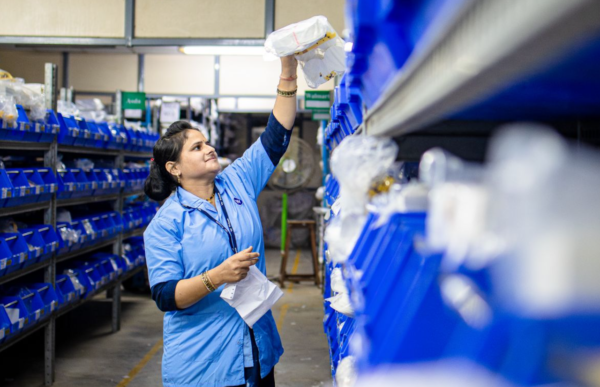
Once the product concept is clear, the next step is turning that idea into a real private label supplement that customers can receive, trust, and remember. This is where FriendDropshipping helps Shopify supplement brands move from a simple product idea to a complete branded fulfillment system.
With our Supplement Fulfillment and Customization & Private Pack services, sellers can customize ingredients, dosage, product appearance, packaging, instruction inserts, thank-you cards, and shipping materials through one supplement fulfillment partner in China.
For many e-commerce sellers, this is the practical bridge between concept-based positioning and deeper product development. You may start with a clear market angle, then gradually build a stronger private label supplement brand through formula, packaging, and delivery experience.
Custom Ingredients and Dosage Formulation
The first customization layer is the formula. FriendDropshipping can help sellers communicate with supplement suppliers about active ingredients, proprietary blends, vitamin strengths, mineral levels, herbal extracts, and serving sizes based on the target market.
This is useful for brands that want to develop sleep support products, beauty supplements, sports nutrition, gut health products, immune support gummies, collagen powders, electrolyte blends, or daily wellness capsules.
Formula customization should always be handled carefully. Sellers should confirm ingredient legality, dosage, documentation, and claim suitability for the countries where they sell. FriendDropshipping can support sourcing and supplier coordination through Sourcing & Fulfillment, while sellers should seek qualified regulatory advice for market-specific compliance.
Custom Product Shape and Appearance
The second layer is product form and visual identity. A supplement does not have to stay as a generic capsule. Depending on supplier capability and MOQ, sellers may customize capsules, gummies, tablets, powders, softgels, stick packs, product colors, shapes, and visual appearance.
For example, a beauty brand may prefer pink gummies or collagen powder sachets. A sports brand may choose powder jars or stick packs. A premium wellness brand may prefer clean capsules with minimalist packaging. A children’s wellness product may require a different shape, color, taste, and package format from an adult supplement.
This stage connects directly with the earlier discussion about product development levels. A small visual change may be enough for a market test, while a unique product shape or dosage form may require deeper supplier coordination, higher MOQ, and more sampling.
Custom Supplement Packaging
Packaging is one of the strongest ways to make a supplement feel trustworthy. FriendDropshipping can help sellers customize bottles, jars, pouches, cartons, display boxes, outer packaging, and premium packaging solutions with logo and brand design.
For Shopify supplement fulfillment, packaging matters for both conversion and retention. Customers often judge a health product before they use it. A clean label, professional bottle, strong carton, and consistent brand system can make the product feel more reliable.
Custom packaging also supports product line expansion. A brand can use similar visual language across gummies, capsules, powders, and bundles, making the store feel more professional and easier to remember.
Custom Labels and English Instruction Inserts
Labels and inserts are important because supplements need clear usage information. FriendDropshipping can help sellers prepare custom English instruction inserts, usage cards, warning labels, product information sheets, and branded leaflets tailored to their target audience.
For example, a supplement package may include:
-
Suggested use instructions
-
Storage reminders
-
Warning label text
-
Product information leaflet
-
QR code for reorder or support
-
Brand story insert
-
Simple usage routine card
This part should be treated seriously. Labels and inserts should match the product, market, and claims. The FDA’s Dietary Supplement Labeling Guide is a useful reference for U.S.-focused sellers, while brands selling into other regions should review local rules.
Custom Thank You Cards and Marketing Inserts
The fifth layer is customer retention packaging. FriendDropshipping can help supplement sellers add personalized thank-you cards, discount cards, QR code cards, reorder cards, promotional inserts, and subscription reminders.
This is especially useful for Shopify supplement brands because many supplement products depend on repeat purchase. A customer who buys a 30-day supply may need a reminder to reorder before running out. A small insert card can guide the customer back to your website, subscription offer, bundle, or loyalty program.
These inserts should feel helpful, not aggressive. The best cards improve the customer experience, explain the product routine, and make reordering easier.
Custom Shipping Bags and Fulfillment Packaging
The final layer is delivery packaging. FriendDropshipping can help sellers customize shipping bags, poly mailers, fulfillment packaging, outer cartons, and branded shipping materials to create a complete unboxing experience.
This matters because Supplement Fulfillment is not only about moving a product from warehouse to customer. For a private label supplement brand, the delivery package is often the customer’s first physical touchpoint with the brand.
With 3PL Fulfillment and Shipping Solution, FriendDropshipping can help sellers manage storage, packing, order processing, and international delivery. This makes it easier for Shopify sellers to build a private label supplement brand without managing every supplier and logistics detail alone.
Build Your Private Label Supplement Brand With FriendDropshipping
From custom supplement formulation and packaging to storage and worldwide shipping, FriendDropshipping provides a complete Private Label Supplement Fulfillment solution for Shopify sellers and supplement brands.
If you want to launch private label supplements, upgrade your custom supplement packaging, or build a more reliable Shopify Supplement Fulfillment workflow, you can contact FriendDropshipping to get a free quote today.
Level Two: Small-Dose Ingredient Upgrade

The second level involves adding a limited amount of a selected ingredient to an existing formula. This is often used to make a product feel more current, more targeted, or more appealing on the label.
Examples include:
-
Adding a small amount of collagen to a beauty gummy
-
Adding green tea extract to a metabolism support capsule
-
Adding chamomile to a relaxation gummy
-
Adding fruit powder for taste and color
-
Adding turmeric extract to a joint support formula
-
Adding a small amount of probiotics to a digestive product
-
Adding coconut water powder to an electrolyte drink mix
This approach sits between pure positioning and true formula development. The product is changed, but not necessarily rebuilt from the ground up.
Why Sellers Use This Route
Sellers often choose this option when they already know the product category has demand but want better label appeal. A beauty supplement with collagen, a sleep gummy with chamomile, or an electrolyte powder with coconut water powder may be easier to market than a plain product.
It can also help create product variations. A brand could start with one base formula and create different versions for beauty, energy, relaxation, or hydration.
This is useful for sellers who:
-
Have some sales data
-
Want a more unique listing
-
Need better product storytelling
-
Want to test ingredient trends
-
Are not ready for a full custom formula
-
Need a balance between cost and differentiation
Frienddropshipping can help sellers coordinate samples, confirm supplier options, and combine this ingredient-level upgrade with Customization & Private Pack services such as custom labels, boxes, stickers, thank-you cards, and branded inserts.
The Main Risk: Dosage and Claims
The most common problem is misunderstanding the amount of the ingredient. Just because an ingredient appears in the product does not mean it is present at a level that supports strong marketing claims.
For example:
-
A very small amount of collagen does not automatically make a product a meaningful collagen supplement.
-
A tiny amount of probiotics does not make a product comparable to a dedicated probiotic formula.
-
A trace botanical extract does not justify broad health claims.
-
A flavor powder may improve taste but may not provide functional benefits.
The National Institutes of Health Office of Dietary Supplements offers consumer and professional information about supplement ingredients and safety through its Dietary Supplement Fact Sheets. These resources are useful because they show how ingredient benefits, intake levels, safety concerns, and evidence can vary widely.
For sellers, the practical rule is this: if an ingredient is added mainly for label appeal, the product page should not imply the same benefit as a product that contains a meaningful, researched serving amount.
Level Three: Deeper Formula Customization

The third level is a more serious product development path. Instead of lightly improving an existing product, the brand works toward a formula that matches a specific customer need, price point, claim strategy, and product format.
This may include:
-
Selecting active ingredients
-
Defining dosage per serving
-
Adjusting taste, color, and texture
-
Choosing capsule, tablet, gummy, powder, liquid, or sachet format
-
Removing unwanted ingredients such as gelatin, sugar, artificial colors, allergens, or animal-derived materials
-
Creating a custom label and packaging system
-
Planning quality checks and documentation
-
Reviewing shipping and storage requirements
This route is more expensive and slower, but it can create a product that is harder to copy and easier to build into a long-term brand.
Examples of Deeper Customization
A sleep supplement may be developed with magnesium glycinate, L-theanine, lemon balm, and a specific serving size.
A beauty powder may include collagen peptides, vitamin C, hyaluronic acid, biotin, and a flavor system designed for daily use.
A sports hydration powder may include electrolytes, coconut water powder, flavor customization, and stick-pack packaging for gym bags.
A gut health product may include selected probiotic strains, prebiotic fiber, stability requirements, and packaging that protects the product during storage.
A vegan gummy may use pectin instead of gelatin, natural colors, specific vitamins, and a flavor profile that fits the brand’s audience.
These are not just marketing changes. They involve real production decisions.
Who Should Choose This Route?
This path is usually best for sellers who already have:
-
A defined target customer
-
A proven product category
-
A clearer brand identity
-
Budget for samples and MOQ
-
A plan for content, ads, and retention
-
A willingness to spend more time on supplier communication and quality control
It is not always the best first step for beginners. If you have not validated demand, a fully customized product may lock too much money into inventory. However, once sales data is available, a more developed formula can help a brand move away from generic competition.
Frienddropshipping supports this stage through Supplement Fulfillment, supplier coordination, sample checking, private label packaging, Quality Control, and fulfillment planning.
From Addition Strategy to Custom Supplement Development

Once the three levels are clear, the next question is how to build a custom supplement product in a practical way. A strong product is not created by adding random ingredients. It is created by aligning formula, form, label, packaging, quality, and logistics around a clear consumer need.
Below are the main areas sellers should consider.
Customizing Supplement Ingredients
Ingredients are the foundation of any supplement product. They determine how the product is positioned, what claims may be considered, what customers expect, how the label is written, and how the formula behaves during production.
Active Ingredients
Active ingredients are the main reason the customer buys the product. They may include vitamins, minerals, amino acids, botanicals, enzymes, probiotics, collagen, creatine, fiber, caffeine, or other dietary substances.
When choosing active ingredients, sellers should ask:
-
What customer problem does this ingredient connect to?
-
What amount is included per serving?
-
Is the ingredient allowed in the target market?
-
Does the supplier have documentation?
-
Does the ingredient affect taste, color, smell, or stability?
-
Does it require special storage?
-
Can the product label explain it clearly?
This is where the difference between a light ingredient upgrade and deeper formulation becomes important. If the dosage is meaningful and central to the product, the seller should treat it as part of the formula strategy, not just a label decoration.
Supporting Ingredients
Supporting ingredients may help with taste, texture, flow, color, capsule filling, gummy structure, powder solubility, or shelf life. Customers may not focus on them, but they are important for the product experience.
For example, a powder may need sweeteners, flavors, anti-caking agents, or acids to improve taste and mixability. A gummy may need pectin or gelatin, sweeteners, colors, and stabilizers. A capsule may need flow agents or capsule shell decisions.
Sellers should not ignore these details. A product with impressive active ingredients can still fail if it tastes bad, clumps in the jar, smells unpleasant, or requires too many capsules per serving.
Ingredient Evidence and Safety
Supplement sellers should understand that ingredient popularity is not the same as evidence quality. Some ingredients have more research than others. Some are safe for many people but not suitable for pregnant users, children, people taking medication, or people with certain health conditions.
The NIH Office of Dietary Supplements is a useful official resource for learning about many common ingredients, intake levels, and safety considerations. Sellers should also work with qualified regulatory or legal professionals when selling into specific markets.
Customizing Supplement Forms
The form of a supplement affects cost, customer experience, dosage, shipping, storage, and marketing. A formula that works well as a powder may not work well as a gummy. A strong capsule formula may not fit into one small capsule. A liquid product may look premium but create shipping and leakage concerns.
Capsules and Tablets
Capsules and tablets are common because they are familiar, compact, and relatively easy to ship. They can work well for vitamins, minerals, botanicals, amino acids, and blended formulas.
However, capsule size limits the amount of powder that can be included. If the formula requires large dosages, customers may need to take multiple capsules per serving, which can reduce convenience.
Capsules are often suitable for sellers who want a clean, professional supplement product with manageable fulfillment requirements.
Gummies
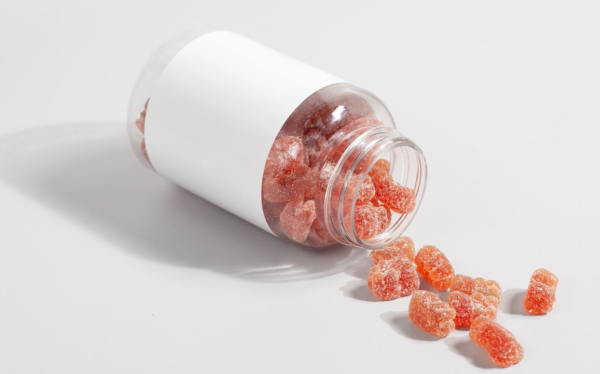
Gummies are popular for beauty, sleep, immunity, children’s wellness, and daily vitamin products because they are easy to consume and easy to promote visually.
The challenge is that gummies are not ideal for every ingredient. Some ingredients taste bitter, degrade under heat, require large serving amounts, or affect texture. Sellers should be careful when expecting a gummy to carry high levels of multiple active ingredients.
Gummies are often strong for lifestyle positioning and repeat use, but they need careful taste and stability checking.
Powders
Powders are flexible because they can deliver larger serving amounts. This makes them useful for collagen, protein, creatine, electrolytes, greens, fiber, pre-workout, and hydration products.
Powders also allow more flavor customization, sachet packaging, and bundle design. However, sellers must pay attention to taste, solubility, clumping, scoop accuracy, jar size, and shipping weight.
Liquids and Drops
Liquids can feel premium and convenient, especially for herbal extracts, vitamin drops, and certain wellness products. But they may create storage, leakage, preservation, and international shipping issues.
Before choosing a liquid format, sellers should confirm shipping feasibility with their fulfillment partner. Frienddropshipping can help sellers evaluate product format and route options through our Shipping Solution support.
Sachets and Stick Packs
Stick packs are useful for powders because they are portable, clean, and easy to bundle. They work well for travel wellness, hydration, collagen, greens, and functional drink mixes.
They can also support higher perceived value, but packaging costs and MOQ may be higher than bulk jars or pouches.
Customizing Labels and Packaging
Packaging is not an afterthought. For supplements, packaging communicates trust before the customer even tries the product.
A strong supplement package should be:
-
Clear
-
Professional
-
Easy to read
-
Consistent with the brand
-
Suitable for the target market
-
Protective during shipping
-
Aligned with label requirements
Label Content
Supplement labels often need information such as product name, serving size, ingredient list, supplement facts panel, warnings, storage instructions, net quantity, lot number, expiration date, and distributor or manufacturer details. Exact requirements depend on the destination market.
The FDA’s Dietary Supplement Labeling Guide is an important reference for sellers targeting the U.S. market. Sellers targeting the EU, UK, Canada, Australia, or other regions should review local rules as well.
Brand Packaging
Custom packaging can include:
-
Private label bottles
-
Custom jars
-
Pouches
-
Sachet boxes
-
Outer cartons
-
Thank-you cards
-
Usage cards
-
Stickers
-
Bundles
-
Subscription packaging
Frienddropshipping provides Customization & Private Pack services to help sellers improve brand presentation. This is useful whether the product is concept-driven, lightly upgraded, or fully customized.
Packaging and Product Positioning
Packaging should match the level of product differentiation.
For a concept-driven product, packaging needs to make the use case instantly clear.
For a small ingredient upgrade, packaging should highlight the ingredient carefully without overstating its function.
For a custom formula, packaging can explain the formula logic, target user, serving routine, and brand promise in a more premium way.
Quality Control for Supplement Products
Quality control is important for all supplement products, but the level of attention should increase as the product becomes more customized.
For a standard private label product, sellers may check packaging, quantity, label printing, sealing, expiration date, and carton condition.
For a formula with a small ingredient upgrade, sellers should also confirm that the sample, label, and production order match the requested change.
For a deeper custom product, quality control may include sample confirmation, production inspection, batch information review, packaging checks, and third-party lab testing where appropriate.
Frienddropshipping’s Quality Control service can help sellers reduce avoidable mistakes before products are shipped to customers.
Common inspection points include:
-
SKU accuracy
-
Product appearance
-
Label printing quality
-
Bottle or pouch sealing
-
Box condition
-
Quantity count
-
Lot and expiration date
-
Barcode placement
-
Packaging consistency
-
Shipping carton protection
For supplement safety, sellers may also need Certificates of Analysis, microbiology testing, heavy metal testing, allergen review, stability information, or other documentation depending on the product and market.
Fulfillment and Shipping Considerations

Supplement fulfillment is different from ordinary product fulfillment. Supplements may have expiration dates, storage requirements, customs considerations, fragile packaging, or country-specific import restrictions.
Sellers should think about fulfillment before finalizing a product.
Important questions include:
-
Can the product be shipped to the target country?
-
Does the product need special storage?
-
Is the packaging strong enough for international delivery?
-
How will lot numbers and expiration dates be managed?
-
Does the destination market restrict any ingredients?
-
Is the product better for dropshipping, bulk stock, or 3PL storage?
-
How will returns or damaged packages be handled?
Frienddropshipping supports sellers through Supplement Fulfillment and 3PL Fulfillment, helping brands manage product storage, packing, order processing, and shipping.
For early-stage sellers, flexible fulfillment can reduce risk. For growing brands, stable inventory and faster shipping can improve customer experience and repeat purchases.
Compliance and Claims: Do Not Skip This Step
Supplement compliance is one of the biggest areas where sellers make mistakes. A product may be easy to source, but difficult to market legally if the claims are too aggressive.
In general, sellers should avoid disease treatment claims unless they have appropriate regulatory authorization. Phrases that suggest curing, preventing, or treating a disease can create serious risk.
The FTC Health Products Compliance Guidance is useful for understanding how advertising claims should be supported. The FDA also provides supplement resources covering labeling, manufacturing, and ingredient responsibilities.
Practical tips for sellers:
-
Do not copy claims from competitors without review.
-
Do not assume supplier marketing copy is compliant.
-
Do not make strong claims based on trace ingredients.
-
Keep product pages consistent with labels.
-
Use cautious wording for structure and wellness support claims.
-
Review rules in every market where you sell.
Frienddropshipping can help with sourcing, packaging, inspection, and fulfillment operations, but sellers should consult qualified regulatory professionals for legal advice in their target markets.
How to Choose the Right Path for Your Brand

The best development route depends on brand stage, budget, audience, and product goal.
Choose a Concept-Driven Product If:
-
You are new to supplement selling.
-
You need to test demand quickly.
-
Your budget is limited.
-
You want to validate a product angle.
-
You are selling through short-form content or ads.
-
You can compete through branding, packaging, and customer education.
This is a good starting point for many dropshipping sellers because it reduces upfront risk.
Choose a Small Ingredient Upgrade If:
-
You already have some sales data.
-
You want a more appealing label.
-
You want to test an ingredient trend.
-
You need moderate differentiation.
-
You are not ready for a fully custom formula.
-
You understand the dosage and claim limitations.
This can be a smart middle step between generic private label and full product development.
Choose Deeper Customization If:
-
You are building a long-term supplement brand.
-
You know your target consumer clearly.
-
You have enough budget for samples and MOQ.
-
You want stronger product uniqueness.
-
You want better retention and repeat purchases.
-
You are prepared to handle quality, compliance, and fulfillment planning.
This is usually the best choice for brands that want to move beyond basic dropshipping and build real product value.
Example: Building a Sleep Supplement Brand
Imagine a seller wants to enter the sleep support category.
At the first stage, the seller may choose an existing magnesium capsule and position it around an evening wellness routine. The label, product page, and bundle may focus on calm nights, screen-free routines, and daily stress support.
At the second stage, the seller may ask whether the supplier can include a small amount of chamomile or lemon balm. The product now has a stronger ingredient story, but the seller still needs to be careful about dosage and claims.
At the third stage, the brand may develop a more complete formula with magnesium glycinate, L-theanine, lemon balm extract, and a defined serving size. The product may also move into gummies, powder sticks, or capsules depending on the target audience.
Packaging can then be upgraded with a custom bottle, outer box, usage card, and subscription bundle. Quality checks become more important, and fulfillment planning must consider inventory, expiration dates, and shipping routes.
This path lets the seller grow gradually instead of jumping into high MOQ custom production too early.
Example: Building a Beauty Supplement Brand
A beauty supplement seller may start with a simple vitamin C gummy positioned around daily glow support.
Later, the brand may add a small amount of collagen or hyaluronic acid for label appeal. This can improve the product story, but the seller should not imply the same benefits as a high-dose collagen powder unless the dosage supports that positioning.
At a more advanced stage, the brand may create a custom beauty powder with collagen peptides, vitamin C, biotin, hyaluronic acid, flavor customization, and premium sachet packaging. This product could target consumers who want a daily drink routine rather than a basic gummy.
In this case, customization includes more than the ingredient list. It includes flavor, serving format, packaging, label content, storage, and fulfillment.
How Frienddropshipping Helps Supplement Sellers
Frienddropshipping helps e-commerce sellers turn product ideas into workable supply chain plans.
For supplement brands, support may include:
-
Finding supplement suppliers
-
Comparing ready-made and custom product options
-
Coordinating samples
-
Checking packaging options
-
Supporting private label and branded packaging
-
Arranging product and package inspection
-
Managing storage and fulfillment
-
Recommending shipping solutions
-
Supporting order processing for e-commerce stores
Our role is especially useful for sellers who do not have a sourcing team in China. Instead of trying to communicate with multiple factories alone, sellers can work with a personal agent who understands e-commerce, private label needs, dropshipping fulfillment, and product handling.
If you are planning a supplement product, you can contact Frienddropshipping to discuss whether a concept-driven launch, a small ingredient upgrade, or a deeper custom product is more suitable for your current stage.
Final Thoughts
Supplement differentiation happens at different levels. Some brands need a clear concept first. Some need a small ingredient upgrade to improve label appeal. Others need a deeper formula, better packaging, stronger quality control, and a fulfillment plan that can support long-term growth.
The key is not to add ingredients randomly. The key is to match product development with customer needs, budget, MOQ, compliance, and operations.
For new sellers, a fast concept-driven product may be enough to test the market. For growing sellers, a careful ingredient upgrade can create stronger product appeal. For established supplement brands, deeper customization can support better positioning, repeat purchases, and stronger brand value.
Frienddropshipping can help with Sourcing & Fulfillment, Supplement Fulfillment, Customization & Private Pack, Quality Control, Shipping Solution, and 3PL Fulfillment.
FAQs
What is conceptual addition in supplements?
It means improving a supplement through product concept, audience positioning, packaging, and marketing angle rather than making a major formula change. It is useful for fast testing and early-stage private label launches.
What is micro addition in supplements?
It means adding a small amount of an ingredient to an existing formula. It can improve label appeal or support a product story, but sellers should confirm the dosage before making strong claims.
What is custom addition in supplements?
It means making a deeper formula change based on specific ingredients, dosage goals, product form, target consumers, and brand strategy. It usually requires higher MOQ, longer lead time, and stronger quality control.
Which option is best for beginners?
Many beginners should start with a concept-driven product because it is faster, lower cost, and easier to test. After collecting sales data, they can consider ingredient upgrades or deeper customization.
Is a small amount of an ingredient enough for marketing claims?
Not always. If the amount is very low, it may only support label appeal, not strong functional claims. Sellers should review dosage, evidence, and market regulations before writing product copy.
What should I customize in a supplement product?
You can customize ingredients, dosage, flavor, form, bottle, pouch, label, box, inserts, bundles, and shipping packaging. The right choices depend on your target consumer and budget.
Can Frienddropshipping help with private label supplement packaging?
Yes. Frienddropshipping can help with custom labels, boxes, stickers, thank-you cards, inserts, branded packaging, and product bundles through Customization & Private Pack.
Can Frienddropshipping help source supplement suppliers?
Yes. Frienddropshipping can help sellers compare suppliers, coordinate samples, check product options, and manage sourcing through Sourcing & Fulfillment.
Why is quality control important for supplements?
Quality control helps confirm product quantity, packaging, label printing, sealing, expiration dates, and shipment condition before products reach customers. This is important because supplement buyers expect trust and consistency.
Can supplement products be dropshipped internationally?
Yes, but sellers must check destination-country rules, ingredient restrictions, customs requirements, shipping routes, and storage needs. Frienddropshipping can support fulfillment and shipping planning, while sellers should seek regulatory advice for legal compliance.
Table of Content

I’m Cassiel. I’ll help you scale your Shopify business with reliable fulfillment.
Join to newsletter.
Follow us and get more knowledge.