Every ecommerce seller wants to find the next winning product. The problem is that most people look too late. By the time a product is everywhere on TikTok, Amazon, AliExpress, Temu, and Instagram, the first wave of profit may already be gone. The real skill is learning how to spot rising demand before the market becomes too crowded.
This guide explains how to find trending products and things to sell online in a practical way. It is written for Shopify sellers, dropshipping stores, Amazon sellers, TikTok Shop sellers, and DTC brands that source products from China or work with global suppliers.
The structure is simple. First, we will cover how to find trending products using data, search behavior, marketplace signals, social media, supplier activity, and seasonality. Second, we will look at current product categories that are worth watching, including cooling products in Europe, small air coolers, cooling fans, health supplements, vitamins, beauty tools, pet products, home organization, travel accessories, and more.
Data accuracy matters here. A trend should not be judged by one viral video or one supplier saying “this is hot.” A useful product trend usually shows up in several places at the same time: search demand, marketplace ranking, social content, supplier production, retail shortages, news coverage, and consumer pain points. When those signals overlap, you have something worth testing.
Why Product Research Matters More Than Product Hunting
Many beginners treat product research like treasure hunting. They scroll through TikTok, copy a product, import it into Shopify, and hope the ad works. Sometimes it does. Most of the time, it does not.
Better sellers think like analysts. They ask:
-
Is demand rising or already falling?
-
Is the product useful or only entertaining?
-
Can it be shipped profitably?
-
Can the product survive returns and reviews?
-
Is there a real pain point?
-
Can the supplier deliver consistent quality?
-
Is the market seasonal or evergreen?
-
Can the product be bundled, branded, or improved?
This is where product research becomes a system. You are not trying to guess what people might buy. You are trying to collect signals that show what people already want, then build a better offer around that demand.
How to Find Trending Products to Sell Online with Search Data
Search data is one of the cleanest signals because it shows intent. A person searching “portable air conditioner for bedroom,” “best magnesium glycinate gummies,” or “dog joint supplement for senior dogs” is not just watching content. They may be close to buying.
Use Google Trends to Find Rising Product Demand
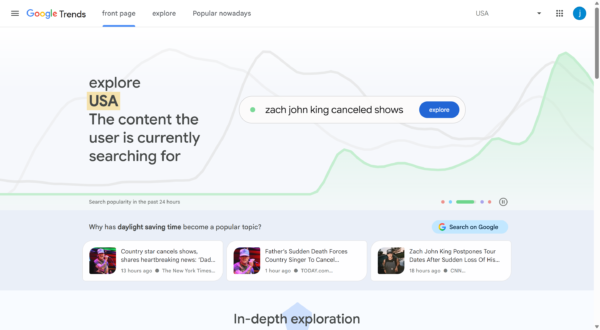
Google Trends lets you compare search interest by country, time range, and category. It does not give exact search volume, but it shows relative demand. This is useful because a product does not need to be globally trending. It may only need to trend in one country, one season, or one buyer group.
For example, cooling products can rise sharply during heatwaves. A product like a portable fan may look boring in winter, then become urgent when temperatures rise. The same logic applies to heated gloves in winter, dehumidifiers during wet seasons, nasal strips during allergy seasons, and travel organizers before summer holidays.
When using Google Trends, compare:
-
product keyword vs broader category keyword
-
local language keyword vs English keyword
-
one country vs another country
-
12-month trend vs 5-year trend
-
rising queries vs top queries
Search Query Patterns That Reveal Buying Intent
Not every keyword is equal. “Cooling fan” is broad. “USB rechargeable neck fan for travel” is closer to a product. “Best portable air conditioner for bedroom UK” is even closer to purchase intent.
Use long-tail keywords to understand what people actually want. Look for modifiers such as:
|
Keyword modifier
|
What it usually means
|
Example
|
|
best
|
Comparison intent
|
best portable fan for travel
|
|
for
|
Use-case intent
|
cooling fan for bedroom
|
|
near me
|
Local urgency
|
air conditioner near me
|
|
rechargeable
|
Feature intent
|
rechargeable neck fan
|
|
mini
|
Size preference
|
mini air cooler
|
|
quiet
|
Problem-specific demand
|
quiet fan for sleeping
|
|
supplement
|
Health/wellness intent
|
vitamin D supplement gummies
|
|
private label
|
Brand-building intent
|
private label supplements
|
How to Find Trending Products on Marketplaces
Marketplaces are useful because they show actual commercial activity. Search data tells you what people are looking for. Marketplaces help show what people are buying, reviewing, and comparing.
Amazon Best Sellers and Movers & Shakers
Amazon is useful because it has category rankings, reviews, price points, and product variations. Look at Best Sellers, New Releases, and Movers & Shakers. A product that moves up quickly can signal short-term demand.
But do not copy blindly. Check review quality. A product with thousands of reviews may be too competitive. A product with fast rank movement, many recent reviews, and clear complaints may be a better opportunity. Complaints are useful because they show what you can improve.
Look for review patterns like:
-
“battery does not last”
-
“too noisy”
-
“arrived broken”
-
“instructions unclear”
-
“wish it came in a smaller size”
-
“would buy again if it had better packaging”
Those comments can become product improvement ideas.
TikTok Shop, Temu, AliExpress, and Etsy
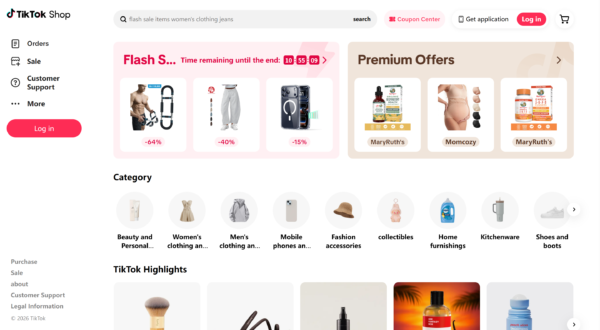
TikTok Shop is useful for impulse products and visual products. Temu and AliExpress are useful for price and supplier discovery. Etsy is useful for personalization, gifting, handmade-style packaging, and niche product ideas.
Use these platforms for different signals:
|
Platform
|
Best signal
|
What to watch
|
|
TikTok Shop
|
Viral demand
|
Demo-friendly products, creator videos, repeat comments
|
|
Amazon
|
Buyer validation
|
Reviews, rank movement, category demand
|
|
AliExpress
|
Supplier availability
|
Product variations, order volume, supplier speed
|
|
Temu
|
Price pressure
|
Saturated low-cost products
|
|
Etsy
|
Personalization ideas
|
Custom packaging, gift angles, niche communities
|
|
Walmart / Target
|
Mainstream demand
|
Products moving from niche to mass market
|
How to Find Trending Products on Social Media Without Chasing Every Viral Video
Social media is powerful, but it can mislead you. One video can make a product look hot for three days. That does not mean the product can build a store.
Use social media to find product emotions, not just product names. Ask why people care. Is it funny? Useful? satisfying? portable? cheaper than a big solution? Does it solve a daily problem?
TikTok Signals That Matter
Good product signals on TikTok include:
-
multiple creators posting similar products
-
comment sections asking “where can I buy this?”
-
users tagging friends
-
videos from different countries
-
organic demos, not only paid ads
-
products shown in real use
-
creators comparing versions
Weak signals include:
-
only one viral video
-
obvious paid comments
-
no buying questions
-
product only works in edited videos
-
many complaints about shipping or quality
Reddit, YouTube, and Niche Communities
Reddit and YouTube are slower than TikTok but often more honest. Search for product problems inside communities. For example:
-
“portable air conditioner UK flat”
-
“best fan for heatwave”
-
“magnesium glycinate sleep review”
-
“dog joint supplement senior dog”
-
“travel neck pillow long flight”
If people repeatedly discuss the same problem, that is a demand signal.
How to Find Trending Products from News and Real-World Events
Some product trends are driven by events. Heatwaves, storms, inflation, travel restrictions, new regulations, sports events, viral diets, and health concerns can all push product demand.
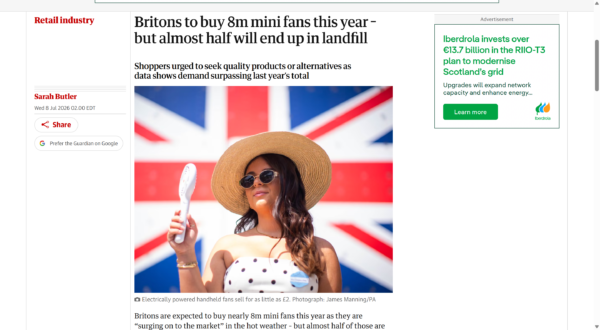
Cooling products are a strong example. In July 2026, The Guardian reported that Britons were projected to buy nearly 8 million mini fans during the year, while retailers saw major heatwave-driven sales spikes. The same report noted that some retailers reported 2,500% to 3,000% increases in fan sales during recent heatwaves. Another UK report from The Scottish Sun described Currys seeing a 3,000% spike in fan sales and a 330% increase in air-conditioning sales during June’s heatwave.
That is not a normal evergreen pattern. That is event-driven demand. Sellers who saw the weather pattern, checked retail stock, checked search data, and secured supply early had a better chance than sellers who waited until every product was sold out.
How to Find Trending Products from Supplier Signals
Supplier signals are underrated. Many sellers only look at what consumers see. But suppliers often feel product demand earlier through sample requests, factory production schedules, packaging orders, and freight volume.
For example, cooling products became a strong seasonal category in parts of Europe because many homes do not have built-in air conditioning. During heatwaves, small portable air conditioners, desktop air coolers, neck fans, clip fans, and rechargeable cooling fans become urgent purchases.
There are also supplier-side stories from Yiwu and other Chinese manufacturing hubs. One example often discussed by sourcing agents is a Yiwu factory shipping several truckloads of small cooling products in one day during a peak heatwave period. Treat this as a supply-chain observation, not an official market statistic. The important lesson is not the exact truck count. The lesson is that factory shipment volume can confirm what search and retail data already suggest: seasonal cooling products can move very quickly when weather creates urgent demand.
If you need help finding Chinese factories for a product idea like mini air coolers, cooling fans, supplement packaging, or private label accessories, FriendDropshipping can help you contact suppliers, compare quotes, check samples, and arrange sourcing workflows. This is especially useful when a product trend is moving fast and you do not have time to message ten factories one by one.
A Product Research Framework: 7 Signals Before You Sell
Use this framework before committing to a product.
|
Signal
|
Good sign
|
Warning sign
|
|
Search demand
|
Rising searches in target country
|
Only one sudden spike with no follow-up
|
|
Marketplace demand
|
Recent reviews and rank movement
|
Many sellers with identical products and weak margins
|
|
Social proof
|
Multiple creators and organic comments
|
One viral paid ad with no buyer questions
|
|
Supplier availability
|
Several suppliers, clear specs, stable stock
|
Only one supplier or vague product details
|
|
Shipping fit
|
Lightweight, durable, easy to pack
|
Fragile, liquid, oversized, battery risk
|
|
Margin
|
Can sell at 2.5x to 4x landed cost
|
Price pressure from Temu/Amazon
|
|
Improvement angle
|
Better bundle, packaging, quality, niche targeting
|
No clear way to differentiate
|
How to Validate Product Demand Before Buying Inventory
Do not buy 5,000 units because a product looks hot. Validate in stages.
Start with a small test. Build a simple product page, run ads, create organic content, or test marketplace listings. If the product has good click-through but poor conversion, your offer may be weak. If it has poor click-through, the hook may be weak. If it converts but gets many support questions, the product page needs better education.
Product Validation Checklist
|
Step
|
What to do
|
Why it matters
|
|
1
|
Check Google Trends by country
|
Confirms rising interest
|
|
2
|
Search Amazon and TikTok Shop
|
Confirms commercial demand
|
|
3
|
Read 50 reviews
|
Finds product problems and improvement angles
|
|
4
|
Contact 3-5 suppliers
|
Compares cost, MOQ, shipping, quality
|
|
5
|
Order samples
|
Checks real product quality
|
|
6
|
Calculate landed cost
|
Avoids fake profit
|
|
7
|
Test one product page
|
Measures buyer response
|
|
8
|
Test bundle or upsell
|
Improves AOV
|
|
9
|
Check returns risk
|
Protects store reputation
|
|
10
|
Scale only after signal overlap
|
Reduces dead stock
|
Hot Product Categories and Things To Sell Online
This section gives examples of current product categories worth watching. These are not guaranteed winners. They are categories with demand signals, clear use cases, or strong ecommerce fit.
Trending Cooling Products to Sell Online in Europe
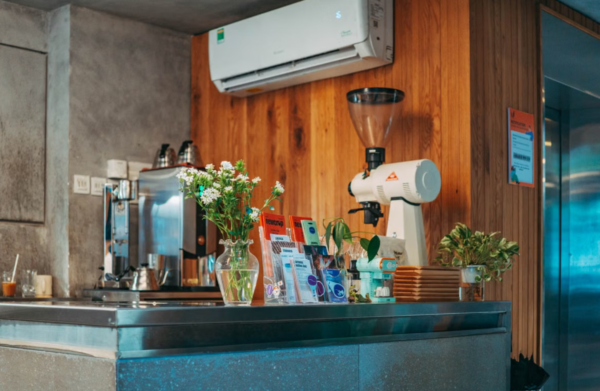
Cooling products are one of the clearest event-driven examples. They sell when temperature rises, stock becomes tight, and buyers need fast relief.
Small Portable Air Conditioners and Desktop Air Coolers
Small air coolers and portable air conditioners can perform well in countries where many homes lack built-in AC. In the UK, for example, heatwaves have driven strong demand for fans and AC units. Reports in 2026 described fan shortages, mini fan demand, and air conditioner sales increases during hot periods.
Product examples:
-
mini portable air cooler
-
bedroom portable air conditioner
-
desktop evaporative cooler
-
compact 4L air cooler
-
rechargeable personal cooling fan
-
USB misting fan
-
neck fan for commuting
-
stroller fan for babies
-
clip fan for desks and beds
What makes this category attractive:
-
urgent pain point
-
seasonal demand spike
-
easy video demonstration
-
many price levels
-
bundle opportunities with cooling towels or blackout curtains
Risks:
-
seasonality
-
shipping weight for larger AC units
-
battery and plug compliance
-
noisy products can cause bad reviews
-
evaporative coolers do not work equally well in humid climates
Best angle: do not sell “cheap air cooler.” Sell by use case: “quiet cooling fan for bedroom,” “portable cooler for small flats,” or “rechargeable desk fan for heatwave commuting.”
How to Validate a Cooling Product Before Selling
Finding a trending product is only the first step. Before you spend money on inventory, ads, packaging, or influencer content, you need to validate whether the product can actually sell with a clear offer. Cooling products are a good example because demand can rise fast during heatwaves, but the market can also become crowded quickly.
Here is a practical validation example.
| Validation step | Example: Portable neck fan | What it tells you |
| Step 1: Check search demand | Google Trends shows rising searches for terms like “neck fan,” “portable fan,” and “rechargeable fan” in the UK during warm months. | Buyers are actively searching for cooling solutions, not only watching videos. |
| Step 2: Check social proof | TikTok has multiple creators showing neck fans during summer commuting, outdoor events, warehouse work, travel, and school runs. | The product has real-life use cases and visual content potential. |
| Step 3: Read marketplace reviews | Amazon reviews show common complaints about short battery life, weak airflow, noisy motors, and uncomfortable neck design. | These complaints reveal what your product needs to improve. |
| Step 4: Check supplier upgrade options | A supplier provides an upgraded battery version, quieter motor, lighter design, and better packaging. | You have a way to differentiate instead of selling the same generic product. |
| Step 5: Build a clear Shopify offer | Create an offer like “Rechargeable Neck Fan for UK Summer Travel” with benefits for commuting, walking, travel, and heatwave days. | A specific use-case offer is stronger than a generic “portable fan” product page. |
For this example, the winning angle is not just “neck fan.” It is a better version of a product people already want. The product page should highlight battery life, comfort, airflow modes, charging time, weight, noise level, and where customers can use it.
A simple Shopify product positioning could be:
Product name: Rechargeable Neck Fan for UK Summer Travel Target buyer: commuters, travelers, outdoor workers, students, festival visitors, and people living in flats without air conditioning Main selling points: hands-free cooling, rechargeable battery, lightweight neck design, quiet airflow, travel-friendly size Bundle idea: neck fan + cooling towel + travel pouch Content angle: “Stay cool on trains, buses, walks, and summer trips without carrying a handheld fan.”
This process helps you avoid copying a trend blindly. You are using demand data, social proof, customer complaints, supplier improvements, and a clear offer to decide whether the product is worth testing.
Trending Health Supplements and Vitamins to Sell Online

Health supplements and vitamins are strong because they can be repeat-purchase products. They also connect with major consumer themes: sleep, stress, energy, immunity, beauty, digestion, longevity, and fitness.
According to a 2026 Business Insider report, supplement use in the US has become mainstream, with 75% of adults reportedly taking supplements. The article also highlighted popular categories such as creatine, magnesium, CoQ10, and turmeric. Axios also reported in 2025 that NielsenIQ data showed dietary supplement sales surpassing traditional single-ingredient vitamin sales, with wellness-focused products such as weight loss, sleep, and stress support gaining attention.
Product examples:
-
magnesium glycinate gummies
-
creatine monohydrate powder
-
vitamin D3 + K2 drops
-
collagen peptides
-
hair, skin, and nails gummies
-
probiotic capsules
-
electrolyte powder sticks
-
sleep support gummies
-
turmeric capsules
-
omega-3 softgels
-
kids multivitamin gummies
-
women’s health supplement bundles
Why this category works:
-
repeat purchase
-
strong content marketing potential
-
high perceived value
-
easy subscription model
-
strong private label potential
Risks:
-
compliance is serious
-
product claims must be careful
-
quality control matters
-
testing and documentation matter
-
some ad platforms restrict health claims
For supplement products, avoid exaggerated promises. Use softer language such as “supports,” “helps maintain,” or “daily wellness.” Also check regulations in your target country. A vitamin product that is fine in one market may need different labeling in another market.
Trending Pet Products and Pet Supplements

Pet owners spend on products that make pets healthier, calmer, cleaner, or easier to care for. Pet products also work well for content because customers like watching real pet demos.
Product examples:
-
dog joint chews
-
calming pet supplements
-
pet dental water additives
-
lick mats
-
slow feeder bowls
-
pet grooming gloves
-
portable paw cleaners
-
cat water fountains
-
dog cooling mats
-
pet travel bottles
-
dog seat covers
Why this category works:
-
emotional buyers
-
repeat purchase for supplements and treats
-
bundle-friendly
-
good for UGC
-
strong niche targeting
Risks:
-
pet health claims need care
-
taste and palatability matter
-
returns can be emotional
-
product safety matters
Best angle: sell around a clear use case. For example, “joint support for senior dogs,” “calming support during fireworks,” or “cooling mat for summer travel.”
Trending Beauty and Personal Care Tools
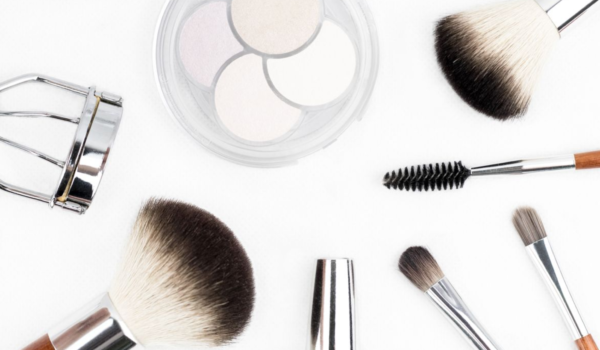
Beauty products trend quickly because they are visual. A before-and-after video, routine video, or satisfying product demo can create demand.
Product examples:
-
LED face masks
-
scalp massagers
-
heatless curlers
-
facial ice rollers
-
gua sha tools
-
travel makeup organizers
-
silicone body scrubbers
-
pimple patches
-
hair growth serum applicators
-
compact beauty fridges
Why this category works:
-
strong video demos
-
high impulse purchase potential
-
giftable
-
easy to bundle
-
many aesthetic packaging options
Risks:
-
quality differences are obvious
-
some devices need certifications
-
beauty claims must be careful
-
strong competition
Best angle: do not sell a generic tool. Build a routine: morning puffiness routine, travel skincare kit, heatless hair routine, or scalp care routine.
Trending Travel Products and Portable Accessories
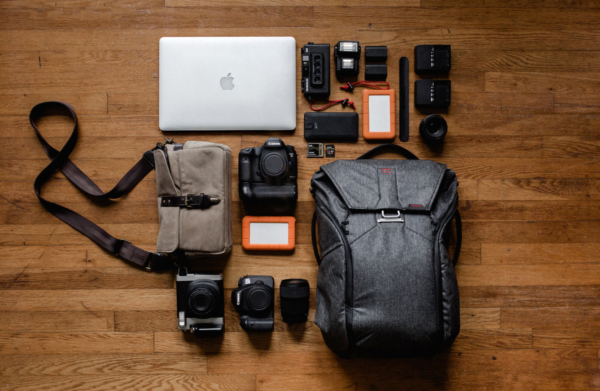
Travel demand creates product opportunities around comfort, packing, charging, safety, and organization.
Product examples:
-
compression packing cubes
-
hanging toiletry bags
-
portable luggage scales
-
AirTag-style luggage holders
-
neck pillows
-
travel adapters
-
foldable backpacks
-
cable organizers
-
passport holders
-
mini refillable perfume bottles
Why this category works:
-
strong seasonal peaks
-
good bundle opportunities
-
easy to demonstrate
-
giftable
-
low education required
Risks:
-
many products are commoditized
-
margins can be thin
-
quality must match travel stress
Best angle: target a traveler type. For example, “carry-on only travel kit,” “Europe summer travel essentials,” or “digital nomad cable organizer.”
Trending Home Organization Products
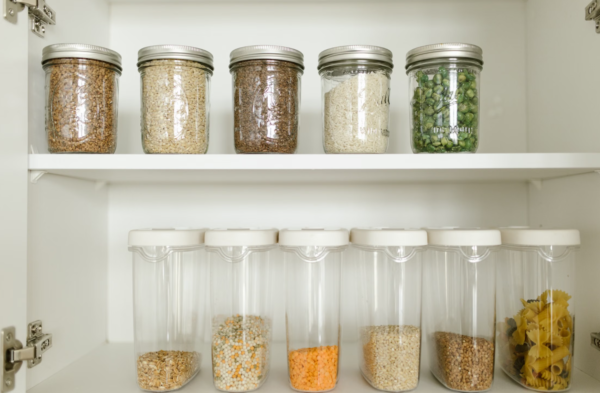
Home organization products continue to work because they solve visible problems. They are also good for short-form video.
Product examples:
-
under-sink organizers
-
drawer dividers
-
fridge storage bins
-
rotating spice racks
-
cable management boxes
-
foldable laundry baskets
-
vacuum storage bags
-
shoe organizers
-
closet shelf dividers
-
wall-mounted hooks
Why this category works:
-
clear before-and-after content
-
high household usefulness
-
bundle-friendly
-
low explanation needed
Risks:
-
bulky products can hurt shipping margin
-
cheap plastic can cause poor reviews
-
many similar products exist
Best angle: sell by room or problem. “Small apartment storage,” “kitchen reset kit,” or “bathroom cabinet organizer” is stronger than “plastic organizer.”
Trending Outdoor, Fitness, and Recovery Products
Fitness and outdoor products work when they connect with habits: walking, running, gym training, recovery, hiking, cycling, camping, or home workouts.
Product examples:
-
massage balls
-
resistance bands
-
posture correctors
-
grip strength trainers
-
running belts
-
hydration vests
-
cooling towels
-
foldable camping chairs
-
rechargeable camping lights
-
portable blenders
-
electrolyte bottles
Why this category works:
-
strong lifestyle content
-
repeat purchase with consumables
-
easy influencer targeting
-
good upsell potential
Risks:
-
product quality affects safety
-
some items are heavy
-
fitness claims can be exaggerated
Best angle: pair physical products with a routine or goal. For example, “10-minute recovery kit,” “summer running hydration kit,” or “home workout starter bundle.”
Trending Baby, Kids, and Family Convenience Products

Parents buy products that save time, reduce mess, or make travel easier. These products can sell well, but quality and safety must be handled carefully.
Product examples:
-
stroller fans
-
silicone bibs
-
snack cups
-
bath toys with safe drainage
-
baby travel organizers
-
car seat protectors
-
child-safe night lights
-
reusable water balloons
-
educational busy boards
-
toy storage bags
Why this category works:
-
strong pain points
-
emotional buyers
-
giftable
-
repeat family needs
Risks:
-
safety standards matter
-
reviews can be strict
-
avoid risky claims
Best angle: focus on convenience and safety. Do not sell a random baby gadget without checking product quality and compliance.
How to Choose Between a Short-Term Trend and a Long-Term Product
Some products are seasonal spikes. Others can become long-term store pillars.
|
Product type
|
Example
|
Best selling strategy
|
|
Event-driven
|
mini fans during heatwaves
|
Fast testing, quick sourcing, limited inventory
|
|
Seasonal
|
travel organizers before summer
|
Plan 2-3 months early
|
|
Evergreen
|
pet grooming tools
|
SEO, bundles, repeat ads
|
|
Repeat purchase
|
supplements, vitamins, pet chews
|
Subscription, email, private label
|
|
Viral impulse
|
satisfying gadgets
|
TikTok ads, UGC, low MOQ testing
|
|
Brandable
|
supplements, beauty tools, pet wellness
|
Custom packaging and content
|
How to Source Trending Products from China
China is still one of the strongest sourcing markets for ecommerce sellers because of product variety, factory clusters, packaging options, and speed. But sourcing from China is not only about finding the lowest price. The cheapest supplier may have poor packaging, inconsistent quality, slow replies, or weak after-sales support.
When sourcing from China, check:
-
factory vs trading company
-
MOQ
-
sample cost
-
production time
-
packaging options
-
certification needs
-
product testing documents
-
shipping methods
-
after-sales policy
-
ability to scale
For fast-moving products like cooling fans or portable air coolers, speed matters. For supplements and vitamins, quality control and documentation matter more. For beauty tools, packaging and certifications matter. For pet products, durability and safety matter.
This is where FriendDropshipping can be helpful again, but only as part of the supply-chain process. After you validate a trend, FriendDropshipping can help with supplier checking, sample review, quality control, packaging coordination, and fulfillment. That can reduce the risk of scaling a product that looks good online but disappoints customers after delivery.
Product Scoring Table: Is This Trend Worth Testing?
Before launching, score each product from 1 to 5.
|
Criteria
|
Score 1
|
Score 5
|
|
Demand
|
No clear search or sales signal
|
Search, marketplace, and social signals overlap
|
|
Margin
|
Hard to reach 2x landed cost
|
Can reach 3x or higher landed cost
|
|
Shipping
|
Heavy, fragile, restricted
|
Light, durable, easy to pack
|
|
Differentiation
|
Same as everyone else
|
Better bundle, design, packaging, or niche angle
|
|
Content potential
|
Hard to demonstrate
|
Easy video demo or before-and-after
|
|
Repeat purchase
|
One-time novelty
|
Consumable or replacement cycle
|
|
Supplier reliability
|
One weak supplier
|
Multiple suppliers with samples and clear terms
|
|
Compliance risk
|
High claims or safety risk
|
Low-risk or well-documented
|
Common Mistakes When Finding Trending Products
Mistake 1: Copying Viral Products Too Late
If you only copy products after they appear in hundreds of ads, your costs rise and margins fall. Look for early signals, not only obvious winners.
Mistake 2: Ignoring Shipping Cost
A product can have great demand and still fail because shipping kills profit. Always calculate landed cost before launching.
Mistake 3: Trusting Supplier Photos
Supplier photos can look better than the real product. Always order samples.
Mistake 4: Selling Regulated Products Without Research
Supplements, baby products, electronics, cosmetics, and pet health products need extra care. Check labels, claims, safety, and certificates.
Mistake 5: No Differentiation
If your store sells the same product with the same photos and same copy, you are competing only on price. Add bundles, better packaging, niche targeting, or clearer product education.
Final Thoughts: The Best Product Is a Trend You Can Execute
Finding trending products is only the first step. A good trend still needs a good offer, reliable supplier, clear product page, fast shipping, and strong customer service.
Cooling products show how fast demand can move when weather creates urgency. Supplements and vitamins show how powerful repeat-purchase categories can be when trust and quality are handled well. Pet products, beauty tools, home organization, travel accessories, and fitness products all have real opportunities if you validate demand before scaling.
The best ecommerce sellers do not chase every hot product. They build a system. They track search demand, marketplace movement, social content, supplier signals, and customer pain points. Then they test small, improve the offer, and scale only when the signals are strong.
FAQs About How to Find Trending Products and Things To Sell Online
1. What is the best way to find trending products to sell online?
The best way is to combine several signals: Google Trends, Amazon rankings, TikTok content, marketplace reviews, supplier activity, and news-driven demand. One signal alone is not enough.
2. How do I know if a product trend is real?
A trend is more reliable when search demand, marketplace sales, social content, and supplier demand all rise together. If only one viral video exists, it may not be a real product trend.
3. What are good things to sell online in 2026?
Good categories include cooling products, health supplements, vitamins, pet products, beauty tools, travel accessories, home organization, fitness recovery products, and family convenience products.
4. Are cooling products good to sell online?
Yes, especially during heatwaves and in markets with low home AC adoption. Products such as portable fans, mini air coolers, neck fans, and small portable AC units can sell quickly, but they are seasonal.
5. Are supplements and vitamins good products to sell online?
Yes, because they can create repeat purchases. But they require careful labeling, quality control, compliant claims, and trustworthy sourcing.
6. How do I find trending products from China?
Use AliExpress, Alibaba, 1688, supplier catalogs, factory clusters, and sourcing agents. Then validate with samples, landed cost, delivery time, and product quality checks.
7. Should I use TikTok to find winning products?
Yes, but do not rely on TikTok alone. Use it to spot content momentum, then confirm demand with search data, marketplace rankings, and supplier checks.
8. What products should beginners avoid?
Beginners should be careful with fragile products, oversized products, high-return electronics, medical claims, unsafe baby products, and supplements without documentation.
9. How many products should I test at once?
Start with 3 to 5 products in one niche. Testing too many unrelated products makes your store look weak and makes data harder to read.
10. Is dropshipping still useful for product testing?
Yes. Dropshipping is useful for testing demand before buying bulk inventory. Once a product proves itself, sellers often move to private label, bulk sourcing, or 3PL fulfillment.
11. What is a good profit margin for trending products?
Many ecommerce sellers aim for a selling price at least 2.5x to 4x the landed product cost. The right margin depends on ads, returns, shipping, and customer support costs.
12. How do I avoid selling saturated products?
Look for products with rising demand but weak current offers. Improve packaging, bundles, targeting, product page education, or quality.
13. Can I build a brand around a trending product?
Yes, if the product solves a real problem and has repeat or expansion potential. Supplements, pet wellness, beauty tools, and home organization products can often become brand categories.
14. How early should I prepare seasonal products?
Prepare 2 to 3 months before the season. For cooling products, start before heatwaves arrive. For travel products, start before summer holidays.
15. What is the biggest mistake in product research?
The biggest mistake is treating a viral product as proof. A real product decision should be based on data, supplier quality, margin, shipping, and customer demand.
Table of Content

I’m Cassiel. I’ll help you scale your Shopify business with reliable fulfillment.
Join to newsletter.
Follow us and get more knowledge.