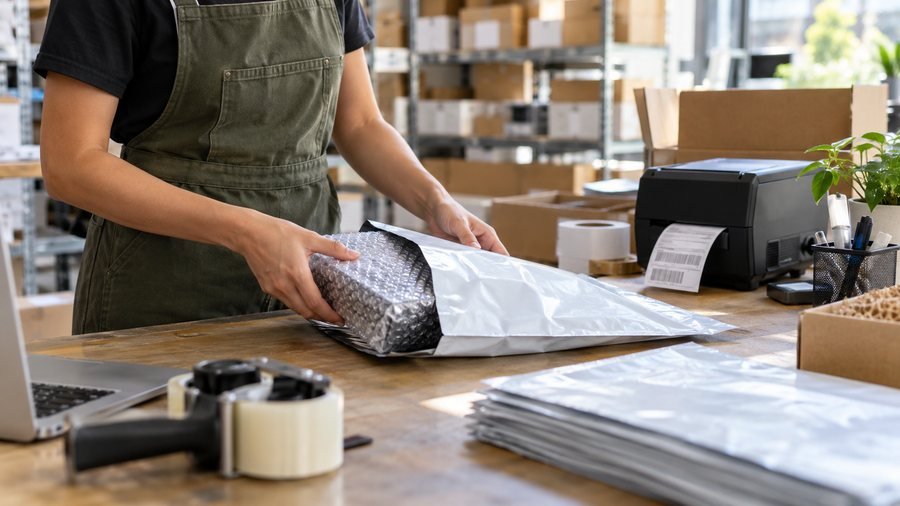
Say a customer buys a clear storage box and a silicone spatula from your Shopify store. Easy order, right? The box comes from one Yiwu seller; the spatula comes from another. One supplier has stock today. The other needs four days. Your customer sees one checkout and expects the items pictured, a reasonable delivery estimate, and tracking that actually moves.
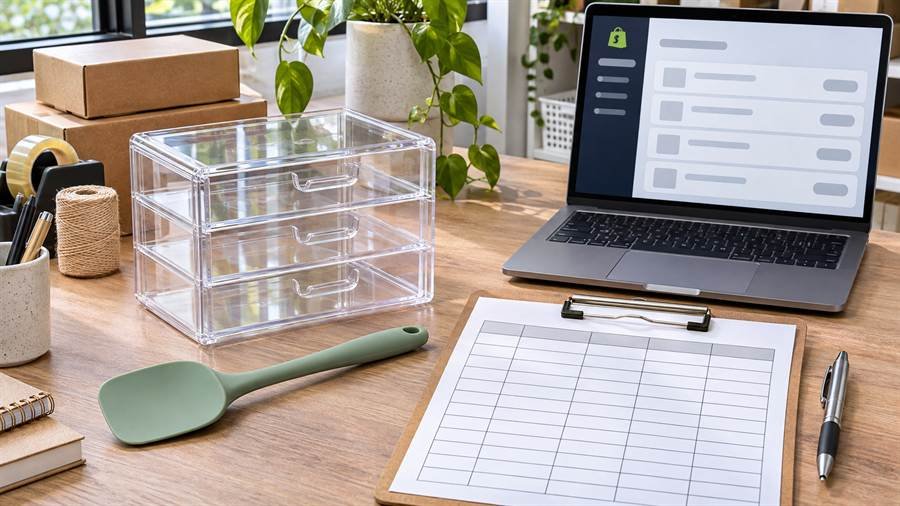
That gap between the product page and the parcel is where most of the work lives. You need an approved product, a reliable stock count, a rule for combining items, and a way to tell Shopify what shipped. Here is how to set up that flow without pretending a store connection can fix a wrong sample or an empty bin.
Choose a buying model before you connect anything
There are three common ways to run the China side. In supplier-direct dropshipping, the seller ships each customer order. With purchase-after-order sourcing, an agent buys the item after your customer pays and brings it into a packing operation. With prestocked fulfillment, you buy a small batch first and store it in Yiwu. A hybrid can keep proven items on the shelf while testing new ones on demand.
| Model | Cash tied up | What can slow dispatch | Good fit |
|---|---|---|---|
| Supplier-direct | Usually lower | Supplier pick, packing, and shipping schedule | One stable product from one capable seller |
| Purchase after order | Lower before sales | Supplier stock and domestic delivery to the agent | Testing uncertain demand |
| Prestock in Yiwu | Higher | Warehouse accuracy and replenishment | Repeat sellers and branded packing |
| Hybrid | Varies by SKU | Different rules for stocked and sourced items | A catalog with both winners and experiments |
A Yiwu sourcing agent finds and coordinates supply. A fulfillment team receives order data, picks the item, packs it, and hands the parcel to a carrier. A freight forwarder or parcel carrier moves it. One company may do several of those jobs, but get the scope in writing. Our Yiwu sourcing service describes the local buying and warehouse handoff; your quote should say which stages apply to your store.
For the box-and-spatula order, supplier-direct shipping could produce two parcels with different tracking numbers. Purchase-after-order could keep both products under one packing team, but the spatula’s four-day wait still counts. Prestocks let the team pull both items at once, provided both variants are really in sellable stock.
Turn the Shopify listing into a supplier-ready product brief
A listing photo tells a supplier what you like. It rarely tells them what you will accept. Send a brief for each SKU: material, dimensions and tolerances, color, finish, accessories, unit packaging, label language, destination market, expected volume, and the function the item must perform. Add the exact Shopify variant names and internal SKUs. If you sell a bundle, list its components and quantity.
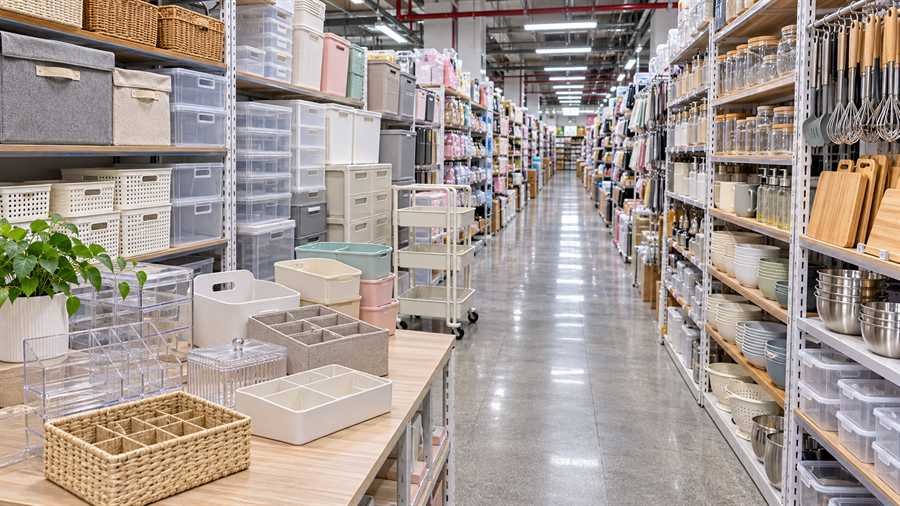
Take the storage box. “Clear, medium” is loose. Does clear mean colorless or faint blue? Does the lid snap on all four sides? What are the outside dimensions, including the lid? If the sample is 28 cm wide and the batch is 31 cm, the listing may mislead customers even though both are called medium. The spatula needs a material and heat-use claim you can substantiate. Do not borrow a supplier’s compliance badge from an unrelated model.
For food-contact goods, toys, batteries, cosmetics, and other regulated categories, work backward from the destination market’s requirements. An inspection photo can show a broken handle. It cannot establish chemical composition or legal approval. Ask who is responsible for checking the applicable requirements and arranging appropriate evidence before you publish a claim.
The brief should also state what you will do with an acceptable substitute. Can the agent switch a color? Can it use another supplier? The answer should be written before a stockout, when nobody has time to argue over a shade of blue. Our product sourcing workflow shows the quotation and sample steps that sit between a product idea and a purchase.
Find a source in Yiwu, then approve the real item
Yiwu International Trade City can be useful for comparing small consumer goods in person or through a local team. The right source might also be a nearby factory, a trading company, or a supplier found through 1688. A booth is a place to meet a seller; it does not prove the seller manufactured the item. Ask who makes it, who invoices you, and who will fix a bad batch.
Get two or three comparable offers against the same brief. Compare unit cost, MOQ by color or variant, sample cost, production lead time, China domestic freight, packaging, payment milestones, and defect remedies. The lowest unit price may lose once the box, label, and freight are added. There is no single Yiwu MOQ or universal discount. Ready stock and custom production often have very different terms.
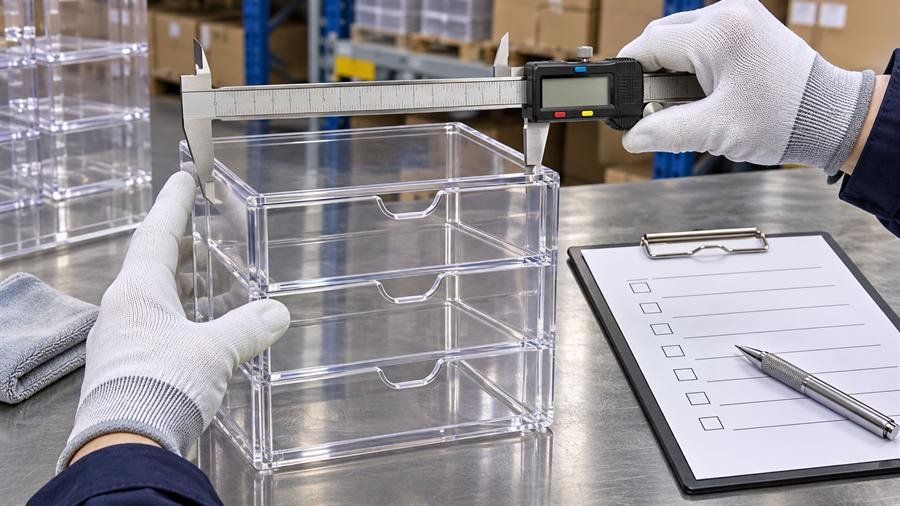
Order samples for the options worth considering. Check what a customer will actually touch: lid fit, edges, surface marks, spatula flexibility, color, and retail pack. Test the function that matters. Then record one approved version with photos, measurements, date, supplier, and packaging artwork. Keep a physical reference when practical. If you revise the lid or change a label, give the revision its own identifier. Otherwise an old sample can quietly become the basis for the next batch.
Before committing, check the seller’s identity and whether the goods or branding may infringe another party’s rights. A familiar logo on a market shelf is not a license to resell it. For private-label goods, settle who owns molds, artwork, and files, and what happens if you change suppliers.
Make Yiwu stock match the Shopify catalog
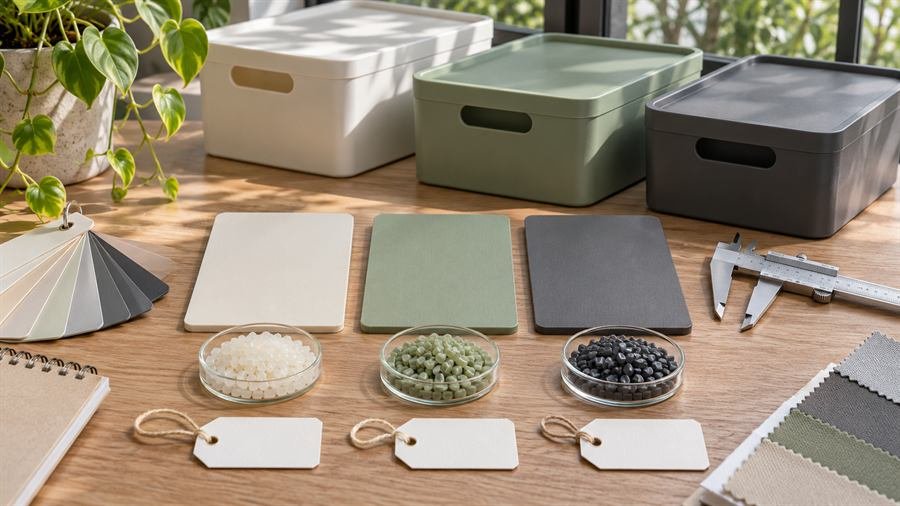
When the box cartons arrive on Monday and the spatulas arrive on Friday, the warehouse needs to record them separately. Receiving should match purchase references, supplier, SKU, variant, quantity, and carton condition. Any damaged or mismatched units stay on hold until you decide what to do. A count of 200 delivered boxes is not the same as 200 boxes ready to sell.
Define the quality-control scope before the first receipt. A carton count, a sample-based inspection, and a check of every unit answer different questions. Agree on the approved reference, observable defects, sample plan where relevant, evidence, and who may release stock. Specialist lab testing is a separate job.
| Shopify record | Yiwu warehouse record | What goes wrong if they differ |
|---|---|---|
| SKU and variant | Bin code and approved version | Wrong size, color, or product is picked |
| Available quantity | Sellable units after holds and reservations | Store oversells stock that cannot ship |
| Bundle components | Pick rule for each component | Customer gets only part of a kit |
| Product image and description | Approved sample and packing reference | Delivered item differs from listing |
| Shipping profile and destination | Allowed route and packed parcel details | Checkout promise does not fit the route |
Packing materials need records too. If your Shopify offer includes a branded insert, track insert stock and artwork version. A warehouse can have plenty of spatulas and no current insert cards. Decide whether the order may ship without one, wait, or use a plain substitute. Write the rule down.
In Shopify, inventory belongs to a location or fulfillment service. Shopify’s multi-location inventory guidance says quantities at different locations are tracked separately. If you also keep US stock, do not assume the Yiwu and US counts form one interchangeable pile. Set a reorder point using sales, supplier lead time, and a buffer for delays; review it as demand changes.
Move a paid Shopify order to the Yiwu packing bench
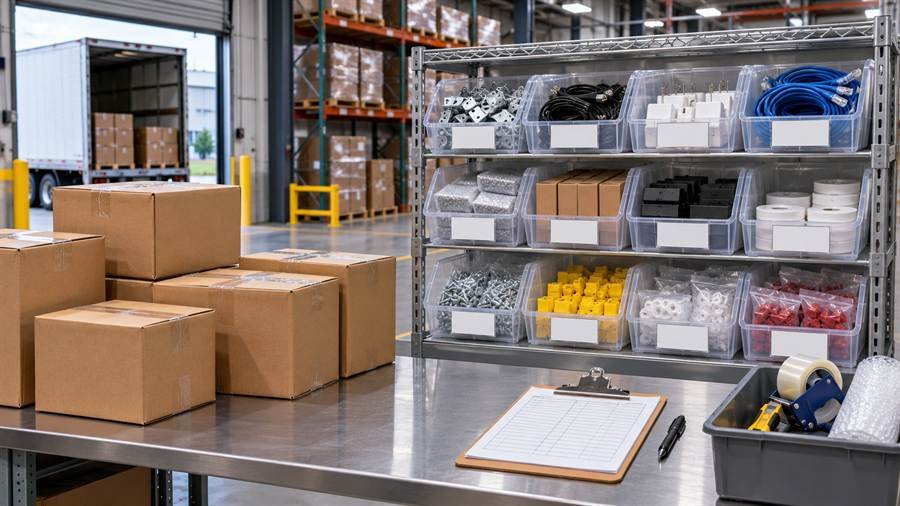
First decide how order data will travel. For a tiny pilot, a controlled manual export or CSV may be enough. An app, ERP, or supported API connection can reduce copying as volume grows. Ask the provider to demonstrate your SKU mapping, status updates, address handling, and tracking return. An advertised Shopify connection tells you the route exists; it does not show that your box’s blue-lid variant is mapped correctly.
If you operate more than one active fulfillment location, check Shopify’s order-routing rules. Shopify says those rules assign orders among two or more active locations. Test an order containing a Yiwu-only item and one held in another warehouse. Confirm whether the system splits the order, keeps it together, or asks for a manual choice. A single-location store does not need a complicated routing plan just to start.
A workable order flow looks like this:
- Receive: Capture a paid, eligible order with its order ID, destination, SKUs, quantities, and shipping choice.
- Check: Resolve address errors, fraud holds, cancellations, and products that cannot ship to that destination before work starts.
- Allocate: Reserve the exact sellable units and packing materials. Keep held stock out of the available count.
- Pick: Scan or otherwise verify the variant and quantity against the order. For a bundle, check each component.
- Pack: Follow the approved box, cushioning, insert, and label instructions; record the final weight and dimensions.
- Dispatch: Choose the agreed route, create the label, and hand the parcel to the carrier.
- Update: Return carrier and tracking details to Shopify, then monitor the first scan and delivery exceptions.
Use the Shopify order ID as a unique reference in the warehouse system. If a CSV is uploaded twice or an app retries a request, the same order should not create two pick tickets. Ask the provider how it catches duplicate imports and partial fulfillments. That question feels fussy until somebody receives two spatulas.
Stockouts need a decision path as well. If the spatula is unavailable, will the box wait, ship separately, or be canceled from the order? Each choice changes shipping cost and customer communication. Decide which changes require your approval. Our dropshipping fulfillment service covers SKU coordination, packing rules, and exception handling; the exact data connection should be confirmed during setup.
Pack the parcel, then send tracking that means something
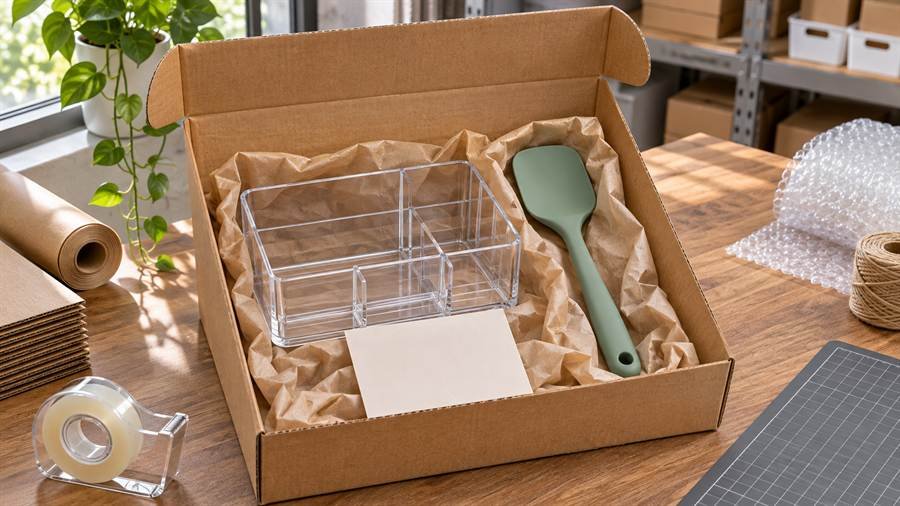
A rigid box may protect a container lid better than a thin mailer. A silicone utensil can share that box, but check whether it rubs against the plastic in transit. Keep the approved insert or gift separate from the product unless the pack rule says otherwise. For a fragile or awkward item, run a small parcel trial before choosing the cheapest-looking shipping option.
Choose the cross-border route using the actual packed weight and dimensions, destination, item restrictions, declared product information, price, and service level. Ask who prepares the customs details and who pays duties and taxes under the agreed sale terms. There is no honest one-size-fits-all delivery day for “shipping from Yiwu.” A carrier’s published transit window may exclude sourcing, packing, customs holds, and final delivery variation.
A printed label is not proof the parcel has left the warehouse. Agree whether tracking is added to Shopify at label creation or after handoff, and how you will explain the difference to customers. Check the carrier’s first acceptance scan. If it does not appear within your agreed window, someone should investigate instead of letting the order sit in “shipped” limbo.
For multi-item orders, make sure every parcel has the right tracking association. If the box and spatula must travel separately, Shopify and the customer should see that split clearly. A single tracking number for one of two parcels is a customer-support headache waiting to happen.
Price the whole order and rehearse the bad days
The supplier’s unit quote is only one line. Calculate contribution after product cost, China domestic freight, inspection, storage, pick-and-pack labor, materials, cross-border shipping, payment costs, expected refunds, and your selling fees. Include an allowance for replacements or damaged stock based on your own observed data once you have it.
| Cost line | Question to ask |
|---|---|
| Product and sample | Is the quoted specification the approved version? |
| Domestic delivery | Who pays to move each supplier’s cartons to Yiwu storage? |
| Inspection and receiving | What is checked, and what costs extra? |
| Storage and handling | Is there a free period or minimum monthly charge? |
| Packing | What are the per-order labor and material charges? |
| International parcel | Is the quote based on chargeable weight and destination? |
| Payment, duty, and returns | Who pays each charge, and when? |
Here is a deliberately simple illustration, not a market rate. Suppose the box costs $4.20 and the spatula $1.30. Add $0.50 allocated inbound freight, $0.35 inspection and receiving, $0.90 packing and materials, and $6.40 outbound shipping. The order’s China-side cost is $13.65 before payment fees, duties, taxes, refunds, advertising, and the cost of running the store. If a supplier sends the wrong lid and the order needs a replacement, the neat spreadsheet number changes fast. Use your own quotes to build the real calculation.
Run a few exception tests before increasing ad spend. Change an address after the order lands. Place a test order for an out-of-stock variant. Send one damaged unit to the hold area. Ask how a lost parcel, delivery refusal, or customer return is documented. A return to a local address and a return to China can have very different costs and timelines, so write your policy around the route you actually offer.
Check the first ten orders closely
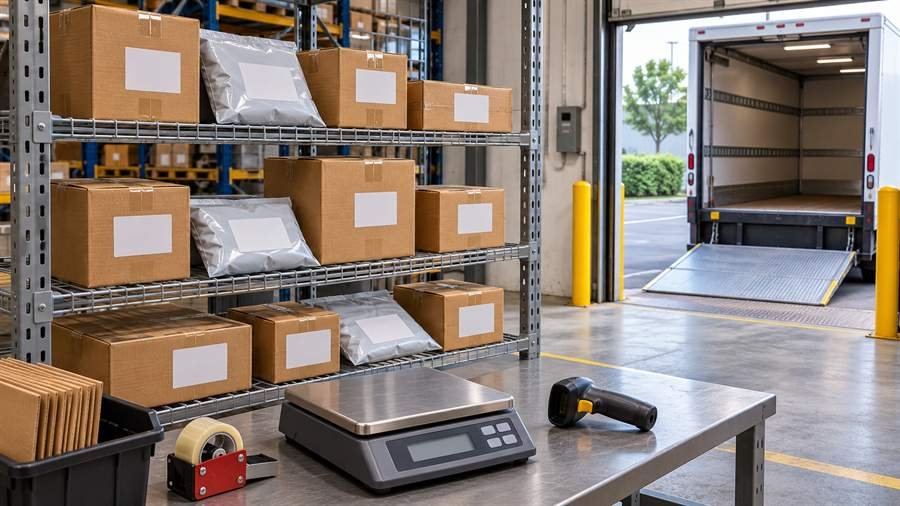
Ten is a practical pilot, not an industry rule. Watch each order from checkout to its first carrier scan and final delivery. Keep a short record: Shopify order ID, product version, stock source, pack photo if agreed, carrier, tracking, customer promise, and any exception. Do the warehouse count and Shopify available quantity agree after every fulfillment? Did a held unit ever slip into sellable stock? Did the customer get the right insert?
Start with a process people can see and correct. Once the same steps work repeatedly, automate the boring parts and keep approval gates for substitutions, failed QC, and shipping changes.
Conclusion
The customer who ordered a box and spatula does not care how many Yiwu sellers were involved. They care that both items match the listing and arrive as promised. Source against a real specification, approve the sample, record sellable stock by SKU, and test the path from Shopify order to carrier scan. When a step goes wrong, decide who acts before the next order arrives.
FAQs
Can I source Yiwu products without visiting China?
Yes. Send a clear brief and request supplier comparisons, sample photos, physical samples, and a written inspection scope. A local partner can visit sellers and coordinate receipts, but you still approve the product and commercial terms.
Is Yiwu a good place to source for a Shopify store?
It can be useful for small consumer goods and mixed supplier orders. Compare the exact item, MOQ, packaging, and delivered cost with 1688 or factories before deciding.
Do Yiwu market stalls ship single orders to customers?
Some sellers may, but do not assume every booth offers one-piece international fulfillment. Ask about inventory, packing, tracking, and after-sales handling.
Do I need a sourcing agent and a separate 3PL?
Maybe. One provider may source and fulfill; another may only buy or only pack. Check who receives goods, owns stock records, ships parcels, and handles claims.
Can one agent source from several Yiwu suppliers?
Yes, if its service includes multi-supplier coordination. Ask for separate supplier records, inbound counts, inspection evidence, and SKU-level warehouse inventory.
Is 1688 always cheaper than Yiwu Market?
No. Compare like-for-like specification, MOQ, domestic freight, quality checks, and packaging. A low listing price may not be the lowest usable cost.
What is the MOQ for Shopify dropshipping from Yiwu?
There is no single MOQ. A ready-stock product might be sold in small quantities, while a custom color or box may require a larger run. Ask by SKU and packaging component.
Should I buy stock before my first Shopify sale?
You can test demand with purchase-after-order sourcing if the supplier and customer timeline allow it. A small approved batch offers more control over dispatch and packaging, but ties up cash.
How do I match Shopify variants to warehouse SKUs?
Give each sellable variant a unique code and map it to the approved product version and bin. Test the mapping with a real or sandbox order before going live.
Can a Yiwu warehouse automatically receive Shopify orders?
Some providers offer an app, ERP, or API connection; others use a controlled export. Verify the provider’s actual setup, permissions, order statuses, and duplicate-order handling.
What happens when a Shopify order contains an out-of-stock item?
Use a written rule for waiting, splitting, substitution with your approval, or cancellation. Update the customer promise and Shopify status to match the decision.
How do I stop duplicate fulfillment or split shipments?
Use the Shopify order ID as a unique reference and test repeat imports. Check routing and inventory by location when more than one warehouse can fulfill the order.
When should tracking be sent to the customer?
Set a clear rule for label creation versus carrier acceptance. Tell customers what the status means and investigate missing first scans within an agreed window.
Who handles customs duties and restricted products?
The commercial terms should name the responsible party. Product and import requirements depend on the item and destination; confirm them before listing or shipping.
What should I test before increasing ad spend?
Test the right SKU, a bundle, an address change, a stockout, a damaged unit, tracking return, and a customer claim. Fix the failures before adding more orders.
Table of Content

I’m Cassiel. I’ll help you scale your Shopify business with reliable fulfillment.
Join to newsletter.
Follow us and get more knowledge.