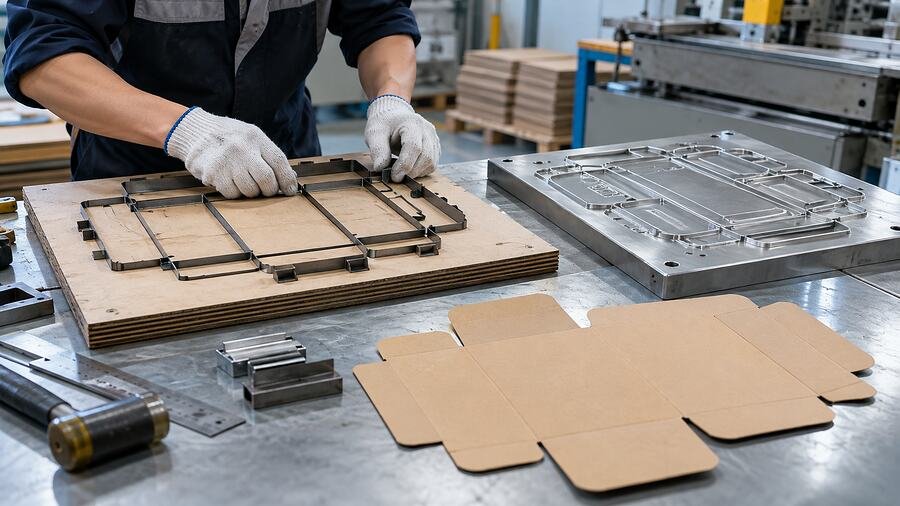
A folded T-shirt leaves the warehouse in a poly mailer. The next order is the same shirt plus a ceramic pin. It goes in a box. On the packing bench, the difference is obvious. On an invoice, it can be oddly hard to see.
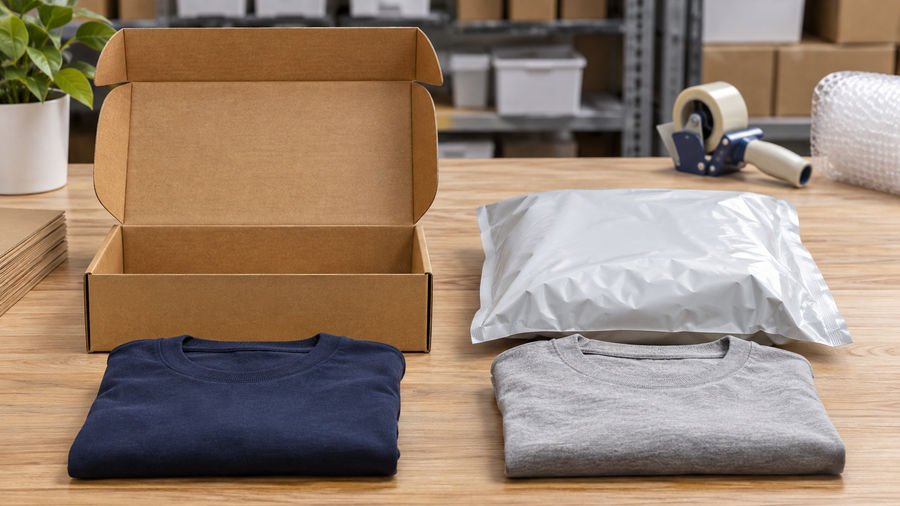
The bag costs less to buy and usually takes up less room. The box gives the pin a better chance of arriving in one piece and has room for a proper unboxing moment. Neither choice tells you what the delivered order costs until you add packing time, shipping, damaged orders and replacements.
If you’re choosing between a mailer box and a poly mailer, start with the product. Then compare finished parcels on the same route. A neat-looking price per 1,000 packages can hide an expensive mistake.
First, what are you actually shipping?
A mailer box here means a folding corrugated box designed to hold one ecommerce order. Its board and shape give the contents some resistance to pressure and impact. A poly mailer is a flexible polyethylene shipping bag, usually with a peel-and-seal flap. It provides a barrier against ordinary splashes and scuffs, but it won’t stop a heavy parcel from pressing against what’s inside.
This is different from comparing a poly bag with every cardboard shipping carton. A large regular slotted carton (RSC) can be a better choice for a heavy mixed order. A padded mailer, meanwhile, sits between a plain bag and a box for certain products. The format names matter because their protection, storage and packing steps differ.
Think about how the item could fail in transit. A cotton tee can wrinkle and still be fine. A framed print can crease at a corner. A glass serum bottle can leak or break. An accessory in its own rigid retail case may be safe inside an outer bag, provided the case has been tested for the route. The product’s failure mode points to the pack.
| Order | Likely starting format | What to check before approving it |
|---|---|---|
| Folded shirt or soft textile | Poly mailer | Fabric snagging, seam strength, privacy and returns |
| Book, print or flat collectible | Snug rigid mailer or box | Bent corners, surface abrasion and movement |
| Glass beauty bottle | Fitted box with protective insert | Leaks, breakage, closure and any carrier restrictions |
| Jewelry in a sturdy retail case | Box or tested case inside a mailer | Crush risk, presentation and visibility |
| Mixed subscription kit | Divided mailer box or shipping carton | Item-to-item contact and repeatable assembly |
These are starting points, not promises. A heavy hardcover book can burst a weak box; a light fabric item can be damaged by a sharp metal accessory packed beside it.
Compare cost per successful delivery
The material quote is only the first line. A useful per-order calculation is:
Packaging material + allocated print/setup + inbound freight and storage + pack labor + protective extras + outbound shipping + expected damage, return and reship cost.
For the last term, use your own order data. If 2% of parcels need a $15 replacement or remedy, the expected cost is $0.30 per shipped order. Keep that number separate from ordinary customer returns unrelated to packaging. Also decide whether refunds, lost product value and support time are in your model; then count them the same way for both formats.
Here’s a deliberately fictional comparison in US dollars. It is a worksheet example, not a current supplier quote or carrier tariff. The material line includes any setup allocation and inbound packaging cost. Shipping is the assumed quote for the finished parcel on the same service and destination in each pair.
| Illustrative order and format | Material | Pack labor | Protective extra | Outbound shipping | Expected packaging-related remedy | Total |
|---|---|---|---|---|---|---|
| Soft shirt, poly mailer | $0.24 | $0.20 | $0.00 | $3.75 | $0.08 | $4.27 |
| Soft shirt, mailer box | $0.62 | $0.30 | $0.06 | $4.35 | $0.05 | $5.38 |
| Small cosmetic in a rigid inner case, outer poly mailer | $0.24 | $0.25 | $0.55 | $4.00 | $0.95 | $5.99 |
| Same cosmetic, fitted mailer box and insert | $0.62 | $0.30 | $0.40 | $4.30 | $0.18 | $5.80 |
In this invented case, the bag wins for the shirt by $1.11. The fitted box wins for the cosmetic by $0.19, even with a higher shipping charge. For that cosmetic, the $0.95 allowance could represent a 5% incident rate at an average $19 remedy; $0.18 could represent a 1% rate at $18. Those probabilities are assumptions for the example, not claims about either format.
Notice the rigid inner case in the bag option. Sending the bottle loose in a plain bag would be a different, poor test. If your actual incident rates are lower, the result can flip. Swap in your own SKU, destination and service figures before placing a purchase order.
Custom print changes the math too. A cutting die, artwork setup, sampling or plate charge spread over 2,000 used pieces costs less per order than the same charge spread over 300. Unsold branded stock doesn’t vanish from the ledger. Our custom packaging cost breakdown goes deeper into those setup and unit-price lines. For a new design, check whether the minimum order quantity applies per size or artwork, not merely to the total number of packages.
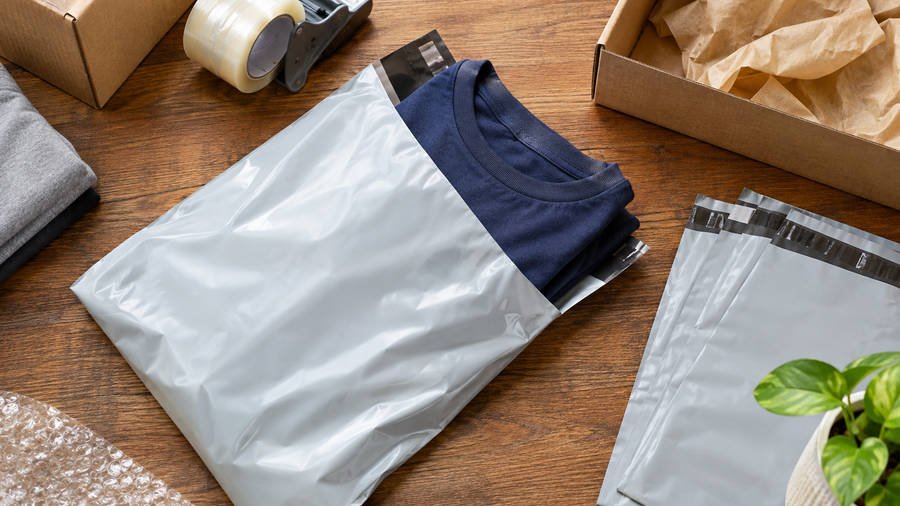
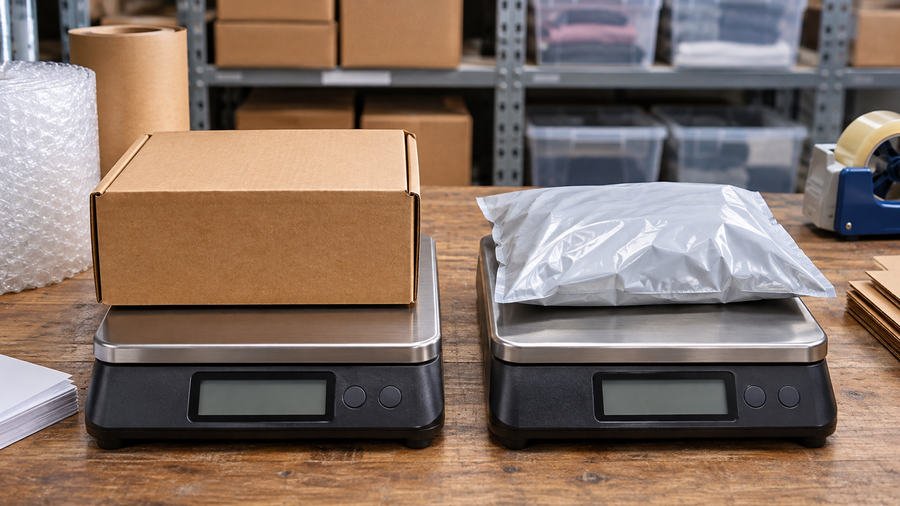
Shipping weight: the bag has an advantage, until size enters
Weigh the finished parcel, including the label, tissue, insert and tape. Then measure its outside length, width and height in the state the carrier will handle. The product-only weight on your sourcing sheet won’t settle the freight question.
Many parcel services compare scale weight with a dimensional or volumetric weight calculated from outside dimensions. The billable weight can be based on the larger result, subject to the service’s rules and rounding. A flexible mailer isn’t automatically exempt. A puffy bag around a bulky jacket can occupy more space than you expect. A snug box may fare better than an oversized one.
Suppose the same item fits a 30 × 22 × 8 cm filled bag or a 35 × 25 × 12 cm box. Their outer volumes are 5,280 and 10,500 cubic centimeters. If, only for illustration, a rate card uses a divisor of 5,000 cm³ per kg, the calculations are 1.056 kg and 2.1 kg before that carrier’s rounding rules. These are volume-based comparison figures, not the actual postage or a universal divisor. Ask for live quotes on both finished packages, including any dimension or handling surcharges.
The box also brings its own tare weight. But shaving board weight at the expense of broken products is a lousy bargain. When changing box size, ask the warehouse to record the new actual dimensions and scale weight; stale product data can make a cost model look great until invoices arrive. Our guide to volumetric weight and lightweight parcels explains the calculation in more detail.
International orders add another wrinkle: routes and last-mile partners can change. Compare like with like, including the same origin, destination, declared contents and service level. A cheap bag quote on one shipping line tells you little about the box quote on another.
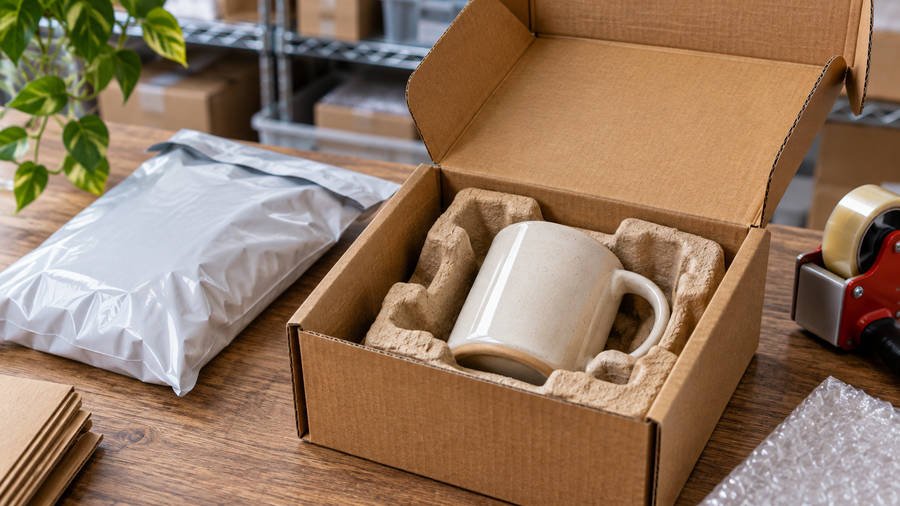
Where branding earns its keep
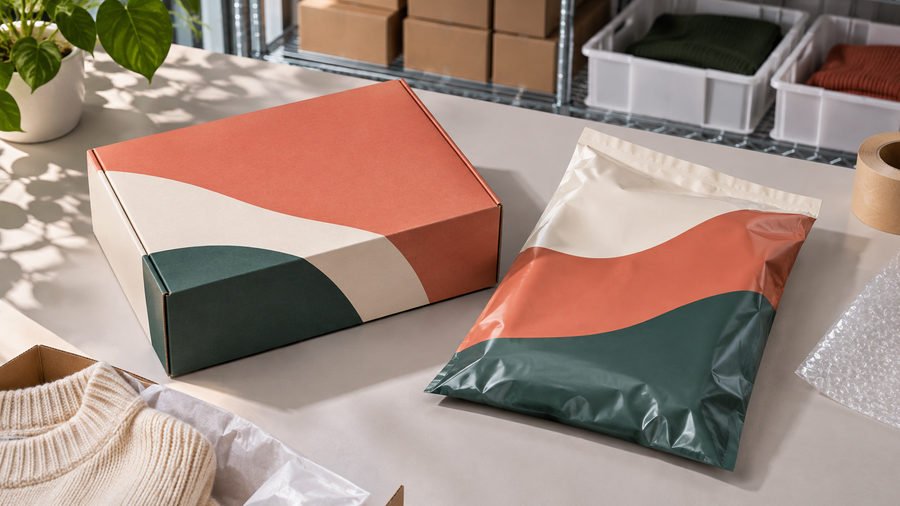
A printed mailer box has visible surfaces and an opening sequence. You can put a logo outside, a message inside the lid and tissue around a gift. That’s useful when the order is a bundle, a subscription kit or a product people give to someone else.
A poly mailer can look good too. A stock-color bag, tidy label and small branded card may be enough for an apparel order. For a repeat customer who cares about the shirt, the bag may feel sensible. For a $100 gift set, a crumpled bag can feel like the store forgot the occasion. That is a judgment to test with your buyers, not a rule about price tags.
Printed packaging isn’t free brand exposure if the package arrives torn. It also creates inventory risk when your artwork, URL or offer changes. Early on, a plain box or mailer plus a sticker or insert lets you change the message without throwing away a stack of old stock. Ask your supplier where print setup, color variation, proofs and storage enter the quote.
Keep inserts modest. A thick catalog can alter weight and fit; a loose card can rub against a glossy item. Return-ready double adhesive strips can help some apparel workflows, but only if the original bag is still clean and strong after opening. Test that with actual returns instead of assuming every customer will reuse it.
For a brand with multiple SKUs, packaging is also a warehouse instruction. “Use the nice box” doesn’t tell a picker which size, insert or artwork version belongs to the order. Give each approved package its own code and specify which SKUs and bundles trigger it.
The specifications the packing team needs
Corrugated mailer box: fit before fancy print
Corrugated board has fluted material between liners. Board grade, flute profile and construction affect strength, weight and print appearance. There is no single grade that makes every product safe. A compact box with a fitted insert often works better than a bigger box stuffed with loose paper.
Check the assembled inside dimensions, not just the flat blank. Try the product at its fullest likely size. Close the box without forcing the tabs. Shake it gently to hear movement, then inspect any contact points. Add a protective sleeve or separator when two items can scratch each other. If the closure can pop during handling, review its design or use the permitted seal method for your route.
Poly mailer: the seal is part of the package
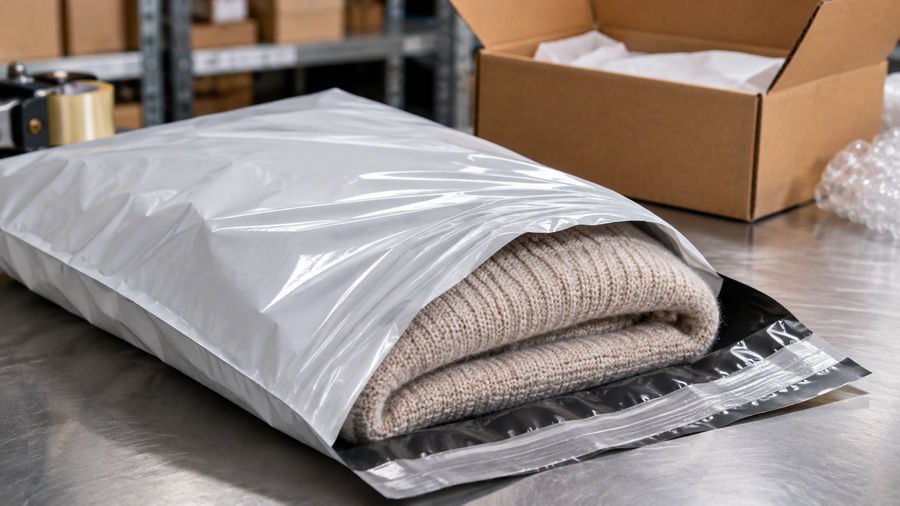
Poly mailers vary in film construction, thickness, seams, opacity and adhesive quality. A thicker film may improve puncture or tear resistance, yet a poor side seam or dusty adhesive can still fail. Order samples from the actual production material. A vendor’s thickness number alone won’t tell you how the filled parcel survives.
Leave enough room to close the flap cleanly, without stretching it over a hard corner. Cover exposed sharp points with an inner wrap or change format. Check that printed designs don’t make shipping labels hard to read and that the parcel is opaque enough for the contents. If you rely on a second strip for customer returns, test both seals after the bag has been handled.
The third option: padded mailer, inner box or shipping carton
A cushioned mailer may suit small items that need some abrasion and light impact protection. It won’t turn a delicate glass bottle into a safe soft parcel. An inner retail box inside a poly mailer can work when the inner box itself provides the necessary structure and the whole combination is tested.
Bulky, heavy or irregular multi-item orders may call for a conventional shipping carton. Put that option in the pack rule rather than forcing every order into one of two branded formats. For example: one soft apparel SKU goes in a bag; a mixed kit goes in a fitted mailer box; a heavy six-item order escalates to an RSC.
The pack specification should list package SKU, allowable products, maximum count, insert or cushion, closure, label position, final inspection and the exception path. If you need a partner to source and assemble these materials, define the pack rule when discussing custom packaging services. A photo of an approved packed sample helps a lot.
Test the product-package pair, then watch live orders
For higher-risk products, a lab test can expose weaknesses before a big rollout. ISTA’s parcel test procedures describe Procedure 3A for individual packaged products moving through parcel delivery systems. The right procedure depends on the product and distribution path. A test of one filled pack does not certify every size, insert or supplier batch, and passing a lab test does not guarantee zero damage.
Start at the warehouse too. Pack several units from different production lots, not just the prettiest sample. Weigh and measure them. Check closures and labels. Send trial parcels through representative routes and inspect arrivals for cracked contents, bent corners, leaks, wetting and scuffed retail packs. Document what happened, including where the damage appears.
You can run a two-week pilot if volume allows. Split comparable orders between two approved formats, keeping the product, destination mix and carrier service as similar as possible. Record packaging use, pack time, final dimensions, carrier charges, damage tickets, replacement cost and customer comments. A short pilot may show obvious handling problems; rare damage needs more orders and a longer observation window. Don’t declare a winner from ten parcels that happened to arrive fine.
Use cost per successful delivery to decide. Calculate total packaging, labor, shipping and packaging-related remedy expense over the pilot, then divide by orders delivered intact. Track how many orders were exposed to each format; otherwise a low complaint count can be misleading. If customer experience is the reason for a premium box, record that goal separately and decide what extra cost you can afford.
A word about recycling claims
A lighter bag is not automatically the greener pack, and a paper box is not automatically recyclable everywhere. Materials, coatings, labels, local collection and the cost of a damaged product all enter the picture.
In the United States, most curbside programs don’t accept plastic film. Some eligible film packages can go to participating store drop-off locations, as How2Recycle’s U.S. guidance explains. Eligibility depends on the specific package and program. Don’t print a recycling instruction on a custom mailer merely because the film is polyethylene. Ask the packaging supplier for the actual structure and approved label guidance.
For paperboard, ask about plastic lamination, coatings, inserts and local acceptance. A plain corrugated box and a heavily laminated presentation box need different scrutiny. Keep claims specific to the final pack and destination market. “Less material” and “recyclable” are different statements.
A working decision rule for the next order
| If the order looks like this | Try this first | Escalate when |
|---|---|---|
| One soft garment | Fitted poly mailer | Hard accessory, sharp edge or premium gift promise |
| Small cosmetic in a rigid retail case | Tested outer mailer or fitted mailer box | Leakage, impact or presentation risk rises |
| Fragile gift or ceramic piece | Protective insert in a box | It moves, touches the wall or fails a transit trial |
| Subscription kit | Divided mailer box | Weight, item count or dimensions need a shipping carton |
| Heavy mixed order | Suitable shipping carton | Use an engineered pack specification for unusual loads |
Give the 3PL this rule with real package IDs, not just category names. A “beauty” order could be a soft makeup sponge or a glass bottle; they don’t belong in the same pack by default.
Conclusion
For soft, compact goods, a poly mailer often keeps material, storage and shipping costs down. A mailer box earns its place when the item needs structure or the customer experience justifies the extra spend. An inner box, padded mailer or larger shipping carton may be the sensible third answer.
Compare the finished parcels on the same route. Test the actual product inside them. Then update the pack rule from your damage and invoice data. The cheaper empty package isn’t always the cheaper delivered order.
FAQs
1. Is a poly mailer always cheaper than a mailer box?
Its purchase price is often lower, but total cost depends on shipping, labor, protection and damage remedies. Compare complete orders for the same SKU and route.
2. What products can go in a plain poly mailer?
Soft, non-fragile goods such as many garments are common candidates. Watch for sharp accessories, dye transfer, snagging and privacy issues.
3. Can I put a boxed product inside a poly mailer?
Yes, if the inner box protects the product and the combined pack passes your transit checks. The bag adds an outer layer; it doesn’t make a weak inner box strong.
4. Are poly mailers waterproof?
Poly film resists ordinary moisture, but seams, closures and punctures can let water in. Call it water resistant only after testing the actual finished mailer.
5. Is a poly mailer safe for glass bottles?
Not as an unprotected outer bag. Use an appropriate rigid structure and cushioning, then test the packed bottle for breakage and leakage.
6. When is a padded mailer enough?
It can help with scuffs and minor bumps for some compact products. Pressure-sensitive or fragile items may still need a fitted box.
7. Do poly mailers avoid dimensional weight?
No general exemption applies. Carrier rules depend on service and the measured filled parcel. Compare live rate quotes using actual outer dimensions.
8. Does a branded mailer box always cost more to ship?
No. It may add weight or volume, but a right-sized box can compare well with an overfilled bag. The answer comes from quotes for the same order and service.
9. Which creates a better unboxing experience?
A printed box gives you more presentation space and structure. A neat bag may suit everyday apparel. Ask what the buyer expects from that product.
10. How can a small brand customize a poly mailer?
Try a stock-color bag with a clean label, sticker or small insert before committing to a full print run. Check that decoration won’t obscure the shipping label.
11. How should I compare custom packaging MOQs?
Ask whether the minimum applies to each size, color and design. Include setup, samples, inbound freight, storage and the risk of unused stock.
12. Can a poly mailer be recycled?
Some eligible film can enter a designated collection stream, depending on the package and location. Most U.S. curbside programs don’t take flexible film.
13. Is every corrugated mailer box recyclable?
No blanket claim fits every box. Coatings, plastic layers, attached components and local collection rules affect what a customer can do with it.
14. What tests should I run before ordering branded packaging in bulk?
Check the filled pack’s fit, seal, weight and dimensions. Ship representative samples, inspect arrivals and consider an appropriate lab procedure for higher-risk products.
15. How should a 3PL pack a mixed order?
Use a written rule based on the most vulnerable item and the full bundle’s size and weight. Specify the package, insert and exception path, then review damage and cost data.
Table of Content

I’m Cassiel. I’ll help you scale your Shopify business with reliable fulfillment.
Join to newsletter.
Follow us and get more knowledge.