Private label pet supplements can give an e-commerce brand its own product identity without requiring the brand to build a factory. However, “private label” can mean anything from adding a logo to an existing formula to developing a unique soft chew, powder, oil, or capsule.
The right starting model depends on how much demand the seller has already validated.
td {white-space:nowrap;border:0.5pt solid #dee0e3;font-size:10pt;font-style:normal;font-weight:normal;vertical-align:middle;word-break:normal;word-wrap:normal;}
Business StageRecommended Starting ModelTypical CustomizationMain Goal
| New idea | Existing product or dropshipping test | Little or no customization | Validate audience and offer |
| Early traction | Stock formula with private label | Label, jar, pouch, insert, shipping pack | Build brand recognition |
| Proven demand | Private label inventory | Product format and packaging options | Improve customer experience and economics |
| Established brand | Custom formulation | Ingredients, dosage, flavor, shape, package | Create defensible differentiation |
The short answer: To launch private label pet supplements in 2026, define the animal, product purpose, dosage form, formula, target market, claims, packaging, order volume, and fulfillment plan before requesting quotations. Then verify the manufacturer and product documents, inspect samples, approve labels, start with a controlled quantity, and preserve batch and expiration traceability from production to customer.
FriendDropshipping helps brands coordinate product sourcing and fulfillment, custom packaging and private labels, quality control, supplement fulfillment, 3PL services, and international shipping solutions.
This guide is for general business education. It is not veterinary, legal, regulatory, customs, or tax advice. Product status depends on ingredients, claims, intended use, species, seller role, and destination.
What Are Private Label Pet Supplements?
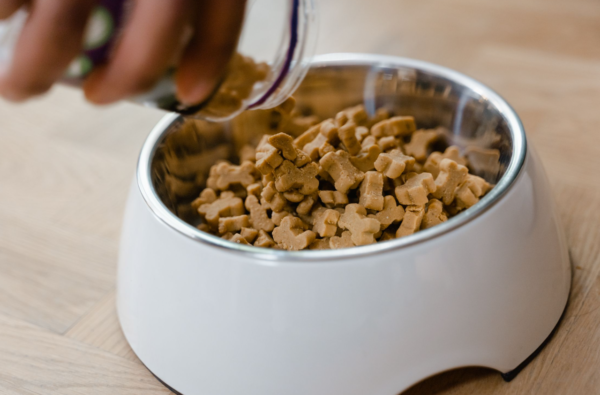
Private label pet supplements are pet wellness products manufactured or supplied by a third party and sold under another company’s brand. The brand controls customer-facing elements such as the product name, logo, positioning, packaging, label design, sales channel, and post-purchase experience. Depending on the arrangement, it may also control the formula, dosage form, flavor, shape, serving size, count, and directions for use.
For many Shopify and DTC sellers, private labeling is not limited to supplements only. It can also include broader private label pet products such as grooming products, feeding accessories, pet care items, dental care products, training-related goods, and customized pet packaging. The key idea is the same: the seller uses a third-party supplier or manufacturer but builds the product experience around its own brand.
In the pet supplement category, private label products are usually customized in three layers:
Brand and Packaging Customization
This is the most basic private label model. The seller may use an existing stock formula while customizing the label, logo, bottle, pouch, carton, insert, QR card, or shipping package.
This model is useful for brands that want to test demand before investing in a custom formula.
Format and Service Customization
The seller may choose the dosage form, count, flavor, serving size, or packaging type. This affects how easily pet owners can use the product and how well the product fits the brand’s target customer.
For example, a daily soft chew for dogs creates a different customer experience from a powder that is mixed into food or a liquid dropper used for cats.
Formula and Function Customization
More advanced private label projects may involve ingredient selection, ingredient amounts, flavor development, texture adjustment, product base, or custom functional positioning.
This model requires more supplier coordination, document review, testing, regulatory awareness, and usually higher MOQ.
Common Private Label Pet Supplement Categories
Instead of choosing products only from a factory catalog, sellers should understand how each product format affects customer use, packaging, shipping, and repeat purchase.
Chewable Products
Examples include dog soft chews, functional chews, dental chews, mobility chews, calming-positioned chews, and multivitamin chews.
Chewables are popular because many pet owners see them as easier to give than tablets. They are often suitable for daily routines and subscription models. However, they may require more attention to texture, taste, moisture, heat sensitivity, shelf life, and packaging protection.
Soft Chews and Functional Treats
Soft chews are one of the most popular private label pet supplement formats because many owners see them as easier to feed than tablets or capsules. They are often used for joint support, calming-positioned products, skin and coat products, digestive support, dental care, and multivitamin-style formulas.
The advantage is customer convenience. The challenge is that soft chews can be more complex to manufacture because texture, flavor, moisture, palatability, active ingredients, and shelf life must work together. They may also need more careful heat and storage planning during shipping.
Powders and Mix-In Supplements
Powders are usually mixed with pet food. They can work well for probiotics, digestive support, skin and coat formulas, joint support blends, and general wellness products.
The advantage is flexible serving size and efficient packaging. Powders can be packed in jars, pouches, sachets, or stick packs. The challenge is moisture protection, scoop accuracy, powder flow, flavor acceptance, and clear feeding instructions.
Oils, Liquids, and Drops
Oils and liquid supplements are often used for skin and coat products, omega-style formulas, calming-positioned products, or liquid vitamin blends.
The advantage is easy mixing with food and a premium product feel. The challenge is packaging. Bottles, caps, droppers, pumps, seals, and leak protection must be tested carefully. Liquids may also face more shipping restrictions than dry products.
Capsules and Tablets
Capsules and tablets are compact, economical to store, and often easier to ship than liquids or soft chews. They may be suitable for formulas where precise dosage and shelf stability matter.
The advantage is efficient storage and lower packaging volume. The challenge is customer acceptance. Some pet owners may find capsules harder to give, especially for smaller dogs, cats, or picky animals.
Dental, Mobility, Digestive, Skin, and Calming Products
Another way to classify private label pet supplements is by customer concern. Common positioning categories include dental care, mobility, digestion, skin and coat, calming support, immune support, senior pet wellness, and daily multivitamins.
This classification is useful for marketing, but it also increases claim responsibility. A seller should review whether the product language suggests general wellness support or implies disease treatment, prevention, or medical benefit.
The best private label product choice depends on the target animal, owner concern, serving experience, production feasibility, MOQ, packaging, fulfillment route, and claim review. A dog soft chew, cat powder, liquid drop, and capsule may all be “pet supplements,” but they create very different sourcing, labeling, shipping, and customer experience requirements.
Private Label vs White Label vs Custom Pet Supplements
These terms are frequently used inconsistently. Ask suppliers what work is actually included.
td {white-space:nowrap;border:0.5pt solid #dee0e3;font-size:10pt;font-style:normal;font-weight:normal;vertical-align:middle;word-break:normal;word-wrap:normal;}
ModelFormulaBrand ControlMOQ and Lead TimeBest For
| Dropshipped stock product | Supplier’s existing formula and presentation | Low | Lowest | Initial product testing |
| White label | Existing formula with basic brand label | Moderate | Low to moderate | Fast branded launch |
| Private label | Existing or adjusted formula with custom brand packaging | High | Moderate | Brands with early demand |
| Custom formulation | Brand-specific ingredients, dosage, format, and packaging | Highest | Highest | Established brands |
White Label Pet Supplements
A supplier offers the same stock formula to multiple brands. The seller usually changes the label and sometimes the container or carton. This model can reduce development time and minimum order quantity.
Its limitation is differentiation. Competitors may sell a similar product.
Private Label Pet Supplements
Private label arrangements can offer more packaging and product control. A brand may select a stock base formula while customizing the jar, pouch, label, insert, count, flavor, or serving presentation.
Custom Pet Supplements
Custom development can change:
- Ingredients
- Ingredient amounts
- Product base
- Dosage form
- Flavor
- Texture
- Shape
- Color
- Serving size
- Count
- Primary packaging
Custom development requires more testing, review, capital, and time. It is generally better suited to a brand with validated demand and a clear product brief.
Is Private Labeling Pet Supplements a Good Business Model in 2026?

It can be attractive because pet owners often buy consumable products repeatedly. Private labeling also gives the seller more control over brand identity than reselling a supplier’s existing brand.
Key Advantages of Private Label Pet Supplements
Higher Repeat Purchase Potential
Pet supplements are often used as daily or routine products. If an owner buys a joint support chew, probiotic powder, skin and coat oil, or calming supplement and sees consistent value, they may reorder every month instead of making a one-time purchase.
This makes private label pet supplements suitable for subscription offers, multi-pack bundles, reorder reminders, and loyalty campaigns. Compared with ordinary pet accessories, consumable products can create stronger customer lifetime value when product quality and customer trust are stable.
Stronger Brand Recognition
Pet owners are careful about what they give to their dogs and cats. Once they trust a product, they often remember the brand, not only the formula.
Private labeling lets the seller build a recognizable product identity through the label, container, carton, instructions, QR card, and post-purchase experience. This is harder to achieve when reselling a generic supplier brand that customers can compare across multiple stores.
Better Product and Packaging Differentiation
A private label project can help a brand stand out through dosage form, flavor, count, packaging style, bundle structure, and customer education.
For example, two brands may both sell a dog joint support product, but one may offer a soft chew with premium packaging, a clear feeding guide, a subscription bundle, and a QR code to usage instructions. That difference can improve perceived value and reduce direct price comparison.
More Control Over Customer Data and Retention
When a brand sells private label pet supplements through Shopify or another DTC channel, it can own more of the customer relationship. The seller can track reorder timing, bundle preferences, repeat purchase rate, refund reasons, subscription churn, and customer feedback.
This data helps the brand improve product selection, packaging, email flows, pricing, and future formulas.
Stronger Long-Term Brand Value
A private label supplement brand can become more valuable than a store that only resells other companies’ products. The brand may build repeat customers, proprietary packaging, supplier relationships, product documentation, reviews, subscriptions, and recognizable positioning.
That long-term value is one of the main reasons sellers move from basic dropshipping to private label pet products.
Risk Levels Private Label Pet Supplement Brands Should Understand
Private label pet supplements can be profitable, but the risks should be separated by severity. Not every risk has the same impact.
High-Risk Issues: Product Safety, Claims, and Compliance
The highest-risk issues are related to product safety, animal suitability, claims, and regulatory status.
Examples include using ingredients that are not suitable for the target species, selling one formula for both dogs and cats without review, making disease-treatment claims, copying human supplement claims, or launching without understanding market-specific requirements.
These risks can affect customer safety, platform review, payment processing, customs clearance, and long-term brand reputation. They should be reviewed before production or label printing.
Medium-Risk Issues: Supplier Documents, MOQ, and Inventory Expiry
Medium-level risks often come from weak supplier verification and poor inventory planning.
A supplier may provide generic certificates that are not linked to the actual product or batch. A manufacturer may have different MOQs for the formula, bottle, label, carton, and insert. A seller may order too much inventory before confirming repeat purchase demand.
For pet supplements, expiry is especially important. If the brand over-orders, products may sit too long in storage, reducing usable shelf life and increasing discount or disposal pressure.
Operational Risks: Packaging, Storage, Fulfillment, and Returns
Operational risks can damage customer trust even when the formula itself is good.
Soft chews may be heat-sensitive. Oils and liquids may leak if closures or packing are weak. Powders may require moisture protection. Returned pet supplements should not automatically re-enter saleable inventory because the brand may not know whether the seal, storage condition, or product integrity has been compromised.
These risks can be reduced with clear quality checks, FEFO inventory rules, lot and expiration tracking, protective packaging, and a fulfillment partner that understands consumable pet products.
Commercial Risks: CAC, Retention, and Unproven Demand
A private label product does not guarantee sales. The brand still needs customer acquisition, repeat purchase, reviews, and retention.
If customer acquisition cost is high and reorder rate is low, the product may not be profitable even with a good gross margin. Before placing a large custom order, sellers should validate demand through smaller batches, stock formulas, samples, or controlled launch campaigns.
The best approach is to match the risk level to the brand’s current stage: test demand with simpler products first, move into private label when customer response is clearer, and develop custom formulas only when order volume and customer insight justify the added complexity.
Step 1: Choose the Pet, Customer, and Product Purpose
Do not begin with a factory catalog. Begin with the intended customer and animal.
Define:
- Dogs, cats, or another species
- Animal age or life stage
- Owner’s shopping concern
- Preferred format
- Expected purchase frequency
- Target price
- Sales country
- Brand positioning
Avoid treating dogs and cats as interchangeable. Ingredients, dosage, flavor preferences, safety considerations, and directions may differ.
Build a Responsible Product Concept
A useful concept states:
- Who the product is for
- What format it uses
- What lawful and supportable benefit it communicates
- Why the packaging and serving experience fit the customer
Example:
A chicken-flavored soft chew for adult dogs, packed as a 30-day supply, designed for easy daily use and sold through a Shopify subscription.
This is more actionable than “a best-selling pet supplement.”
Step 2: Select the Right Dosage Form
Product format affects manufacturing, MOQ, acceptance, packaging, fulfillment, shipping, and customer experience.
td {white-space:nowrap;border:0.5pt solid #dee0e3;font-size:10pt;font-style:normal;font-weight:normal;vertical-align:middle;word-break:normal;word-wrap:normal;}
FormatAdvantagesMain ChallengesFulfillment Notes
| Soft chews | Familiar treat-like experience | Heat, texture, flavor, moisture | Monitor seals and seasonal routes |
| Powder | Flexible serving and efficient pouches | Mess, scoop accuracy, moisture | Use secure closure and secondary containment |
| Liquid or oil | Easy mixing and adjustable serving | Leakage, oxidation, glass weight | Leak test and protect bottles |
| Capsule | Compact and familiar | Some owners find administration difficult | Use strong seal and compact parcel |
| Tablet | Stable and measurable | Palatability and chipping | Protect against crushing |
| Functional chew | Convenient consumption | Classification, texture, shelf life | Distinguish from ordinary treats |
Soft Chews
Soft chews are popular because owners may perceive them as easier to give than tablets. Development can be more complex because palatability, texture, moisture, active ingredients, and shelf life must work together.
Powders
Powders can be packed in jars, pouches, sachets, or stick packs. They may reduce dimensional weight compared with large rigid tubs. The package should protect against moisture and leakage.
Oils and Liquids
Liquids require compatible bottles, secure closures, tamper evidence, and route acceptance. Droppers and pumps should deliver a consistent amount under normal use.
Capsules and Tablets
These formats can be economical to store and ship. The customer experience depends on animal size and ease of administration.
Step 3: Develop or Select the Formula
There are two paths:
- Select a supplier’s existing formula.
- Develop a custom formula with qualified partners.
Questions for a Stock Formula
Ask:
- Which species is it intended for?
- What are the ingredients and amounts?
- What is the serving direction?
- Is the formula identical for every private label customer?
- Which product documents are available?
- What is the normal shelf life?
- Which markets have been assessed?
- Can the formula or flavor change without notice?
Questions for a Custom Formula
Define:
- Intended species and life stage
- Ingredient list
- Ingredient targets
- Daily serving
- Maximum servings by animal weight
- Flavor and base
- Dosage form
- Allergens
- Excluded ingredients
- Target shelf life
- Target markets
- Planned claims
Use qualified veterinary, animal nutrition, food science, and regulatory expertise where appropriate. A manufacturer can explain production feasibility but should not be the only source of market-specific advice.
Ingredient Status Matters
In the United States, the FDA states that animal food ingredients must be safe and have an appropriate function. Some ingredients may be generally recognized as safe for an intended use, approved food additives, or otherwise accepted within the applicable framework. Review the FDA’s official Pet Food information.
In the European Union, feed additives may not be marketed unless authorized following scientific evaluation. The European Commission maintains information about Feed Additives and the EU Register.
An ingredient used in a U.S. product is not automatically permitted in Europe, and the reverse is also true.
Step 4: Control Claims and Product Classification
Claims can change how authorities view a product.
Avoid Casual Disease Claims
In the U.S., expressed or implied claims to cure, treat, prevent, or mitigate disease can indicate an intended use as a new animal drug. The FDA’s March 2, 2026 Animal Food Labeling and Pet Food Claims page explains this distinction.
Review claims across:
- Product labels
- Shopify pages
- Meta descriptions
- Advertising
- Influencer scripts
- Testimonials
- Inserts
- QR-code landing pages
- Customer-service templates
The same FDA page explains that “labeling” can include written, printed, or graphic matter accompanying the product, including promotional brochures, testimonials, and product information sheets.
Create a Claims Approval Table
td {white-space:nowrap;border:0.5pt solid #dee0e3;font-size:10pt;font-style:normal;font-weight:normal;vertical-align:middle;word-break:normal;word-wrap:normal;}
Proposed ClaimEvidence ReviewedMarketApproval StatusApproved Wording
| Example claim | Internal reference | USA | Pending | Do not publish |
Do not allow a designer, creator, fulfillment warehouse, or ad agency to rewrite approved claims casually.
Step 5: Find and Verify a Private Label Pet Supplement Supplier
A supplier may be a manufacturer, trading company, sourcing agent, catalog platform, or fulfillment provider. Understand every party’s role.
Supplier Verification Checklist
Request:
- Legal company name
- Factory name and location
- Warehouse location
- Product specification
- Ingredient list
- Batch-specific COA where available
- Relevant laboratory reports
- Facility or GMP-related certificates
- Allergen information
- Shelf-life support
- Sample
- Label template
- MOQ
- Production lead time
- Payment terms
- Complaint and recall process
Review COAs Carefully
A useful Certificate of Analysis may identify:
- Product
- Batch
- Dates
- Tests
- Methods
- Limits
- Results
- Units
- Laboratory
- Approval
A COA is not a universal compliance certificate. Confirm that it relates to the product and batch being supplied.
Review GMP and Facility Certificates
Check the company, address, scope, issuer, standard, issue date, and expiration date. A certificate held by one factory does not automatically cover products from another location.
For U.S. operations involving animal food, businesses should review the applicability of 21 CFR Part 507, which addresses current good manufacturing practice and preventive controls for food for animals.
Order Samples and Test Normal Stock
Inspect:
- Product appearance
- Flavor, odor, and texture
- Unit count or net weight
- Container
- Seal
- Label
- Lot and expiration code
- Scoop or dropper
- Shipping protection
- Delivery tracking
Ask whether the sample came from the normal production and fulfillment workflow.
FriendDropshipping’s Quality Control service can help check agreed physical attributes such as appearance, quantity, packaging, labels, codes, and branding components. Physical inspection does not replace laboratory testing or regulatory review.
Step 6: Understand MOQ, Lead Time, and Cost

MOQ can apply separately to:
- Formula
- Product format
- Flavor
- Label
- Bottle or pouch
- Printed carton
- Insert
- Shipping mailer
- Custom mold or shape
Ask for each MOQ instead of one combined answer.
Illustrative Project Comparison
The following figures are planning concepts, not supplier quotations.
td {white-space:nowrap;border:0.5pt solid #dee0e3;font-size:10pt;font-style:normal;font-weight:normal;vertical-align:middle;word-break:normal;word-wrap:normal;}
Project TypeRelative MOQRelative Lead TimeRelative CostMain Risk
| Stock product dropshipping | Lowest | Shortest | Low upfront | Little differentiation |
| Stock formula + label | Low to moderate | Short | Moderate | Similar competitor products |
| Private label + custom packaging | Moderate | Medium | Higher | Packaging inventory |
| Adjusted formula | Moderate to high | Medium to long | Higher | Testing and stability |
| Fully custom soft chew | Highest | Longest | Highest | Development and scale-up |
Cost Categories
Budget for:
- Formula or product
- Samples
- Testing
- Regulatory and label review
- Design
- Label printing
- Bottle, pouch, or carton
- Production setup
- Freight to warehouse
- Receiving
- Storage
- Pick and pack
- Shipping
- Duties and taxes
- Returns
- Insurance
- Marketing
True delivered cost per order = product + packaging + inbound freight allocation + receiving/storage + fulfillment + shipping + seller-paid border costs + expected return and reshipment cost
Do not set the retail price from factory unit cost alone.
Step 7: Design the Label and Packaging

Packaging must support brand identity, product protection, use instructions, and shipping efficiency.
Primary Packaging Options
- Plastic jar
- Glass bottle
- Pouch
- Sachet
- Stick pack
- Dropper bottle
- Pump bottle
- Retail carton
Brand Components
- Product label
- Feeding instructions
- Product information leaflet
- Thank-you card
- Reorder card
- QR card
- Subscription insert
- Branded poly mailer
- Shipping carton
FriendDropshipping’s Customization & Private Pack can coordinate product labels, containers, cartons, inserts, marketing cards, and shipping materials, subject to product feasibility and MOQ.
U.S. Label Considerations
FDA explains that animal food labels generally require proper product identification, net quantity, manufacturer or distributor name and place of business, and ingredient listing. State requirements may also apply, often drawing on AAFCO model regulations.
Do not copy a human Supplement Facts panel onto a pet product without qualified review.
Package for the Dosage Form
td {white-space:nowrap;border:0.5pt solid #dee0e3;font-size:10pt;font-style:normal;font-weight:normal;vertical-align:middle;word-break:normal;word-wrap:normal;}
ProductPackaging Priority
| Soft chew | Seal, moisture, heat and texture protection |
| Powder | Closure, scoop, moisture and spill control |
| Oil | Light, oxidation, leakage and breakage control |
| Capsule | Seal, humidity and bottle protection |
| Tablet | Chipping and impact protection |
Right-size shipping packaging. Excessive box volume increases dimensional weight; insufficient protection increases damage.
Step 8: Plan Batch, Shelf-Life, and Inventory Control
Private label inventory belongs to the brand or is committed to the brand. That creates inventory risk.
At receiving, record:
- SKU
- Label version
- Quantity
- Lot
- Manufacture date
- Expiration or best-before date
- Storage requirements
- Inventory status
Use FEFO
FEFO means first expired, first out. It helps ship the earliest acceptable date first.
Define a minimum remaining shelf life at dispatch. A 90-day supply should not arrive with an impractically short period before expiration.
Separate Inventory Statuses
The system should distinguish:
- Available
- Reserved
- Quarantined
- Damaged
- Returned
- Expired
- Awaiting inspection
Questionable stock should not become available automatically.
Forecast Conservatively
Consider:
- Daily sales
- Subscription renewals
- Marketing campaigns
- Production lead time
- Inbound transit
- Safety stock
- Shelf life
- Seasonal demand
Large MOQ savings can disappear if products expire.
Step 9: Build Shopify Pet Supplement Fulfillment
Every Shopify variant should map to one warehouse SKU.
Example:
td {white-space:nowrap;border:0.5pt solid #dee0e3;font-size:10pt;font-style:normal;font-weight:normal;vertical-align:middle;word-break:normal;word-wrap:normal;}
Shopify VariantWarehouse SKU
| Dog / Chicken / 60 soft chews | DOG-CHEW-CHK-60-US |
| Dog / Beef / 60 soft chews | DOG-CHEW-BEF-60-US |
| Cat / Powder / 90 g | CAT-PWD-90-US |
Support Bundles
Decide whether bundles are:
- Virtual combinations of component SKUs
- Pre-assembled kits
- Multi-packs of one SKU
Do not authorize a warehouse to substitute another formula, flavor, or species product when a component is unavailable.
Support Subscriptions
Subscription orders should account for:
- Payment
- Skips
- Cancellations
- Address changes
- Product swaps
- Stock
- Batch rotation
- Tracking
Test Before Launch
Place test orders for:
- One item
- Multi-item bundle
- Subscription
- Custom insert
- Domestic delivery
- International delivery
FriendDropshipping’s Supplement Fulfillment service can support inventory storage, order synchronization, picking, branded packing, tracking, and international dispatch for suitable projects.
Step 10: Choose a Warehouse and Shipping Model

China Warehouse
A China warehouse can be useful when:
- Products and packaging are sourced in China.
- Demand is still being tested.
- Customers are distributed across markets.
- The brand wants one inventory pool.
- Several local suppliers must be consolidated.
Local Warehouse
A destination-country warehouse can be useful when:
- Sales are stable.
- Fast delivery is important.
- Subscription volume is predictable.
- Market requirements are established.
- Bulk import economics are favorable.
Hybrid Model
Store proven products locally and fulfill new or low-volume SKUs from China.
td {white-space:nowrap;border:0.5pt solid #dee0e3;font-size:10pt;font-style:normal;font-weight:normal;vertical-align:middle;word-break:normal;word-wrap:normal;}
FactorChina WarehouseLocal WarehouseHybrid
| Initial inventory risk | Lower | Higher | Balanced |
| Delivery speed | International | Domestic | Fast for winners |
| Product testing | Flexible | Less flexible | Flexible |
| Customization coordination | Strong near suppliers | Requires inbound components | Strong |
| Returns | More complex | Easier | Local for core SKUs |
FriendDropshipping’s 3PL Fulfillment supports brands that purchase inventory and need storage, picking, packing, and shipping from China.
Selling Private Label Pet Supplements in the United States
The U.S. market requires more than a polished label.
Review:
- Ingredient status and intended use
- Animal food or animal drug implications
- Federal label requirements
- State registration and label requirements
- Claims
- Manufacturing and facility requirements
- Import requirements
- Complaint and recall procedures
FDA states that animal food must be safe, produced under sanitary conditions, contain no harmful substances, and be truthfully labeled. State authorities may impose additional requirements.
Do not assume that a product marketed as a dietary supplement for humans can use the same label or claims for animals.
Selling Private Label Pet Supplements in Europe
The EU regulates animal feed and feed additives through its own framework.
Review:
- Feed material or additive status
- Authorized additives and conditions of use
- Target species
- Maximum or minimum levels
- Claims
- Label language
- Responsible operator
- Registration or establishment requirements
- Import controls
- Customs and VAT
The European Commission states that feed additives may not be placed on the market without authorization following a scientific evaluation showing no harmful effects on human health, animal health, or the environment.
Europe is not one fulfillment destination. Label, language, importer, tax, and commercial requirements should be reviewed for each target country.
Quality Documents for Private Label Pet Supplements
td {white-space:nowrap;border:0.5pt solid #dee0e3;font-size:10pt;font-style:normal;font-weight:normal;vertical-align:middle;word-break:normal;word-wrap:normal;}
DocumentWhat It Helps ConfirmLimitation
| Product specification | Formula, appearance, packaging and limits | Must match supplied product |
| Ingredient list | Composition | Does not prove test results |
| Batch COA | Listed test results | Review methods, batch and lab |
| Third-party report | Independent listed testing | Sample and scope may be limited |
| Facility certificate | Audited facility and scope | Does not approve every product |
| Stability support | Basis for shelf life | Must match formula and packaging |
| Label artwork | Customer-facing information | Requires market review |
| Allergen statement | Declared allergen information | Supplier controls must be evaluated |
Ask for documents before paying for a large order. Verify names, dates, addresses, batches, and scope.
A 12-Week Illustrative Launch Plan
Custom projects may take longer. This roadmap fits a relatively straightforward stock-formula private label launch.
td {white-space:nowrap;border:0.5pt solid #dee0e3;font-size:10pt;font-style:normal;font-weight:normal;vertical-align:middle;word-break:normal;word-wrap:normal;}
WeeksMain Tasks
| 1-2 | Audience, market, product brief, supplier shortlist |
| 3-4 | Documents, samples, formula and cost review |
| 5-6 | Label, packaging and claims review |
| 7-8 | Final quotation, order and fulfillment setup |
| 9-10 | Production or labeling, Shopify integration |
| 11 | Warehouse receiving and test orders |
| 12 | Controlled launch and KPI monitoring |
Do not force a custom formula into this timeline if development, testing, stability, or market review requires more time.
How FriendDropshipping Supports Private Label Pet Supplement Brands

FriendDropshipping can coordinate suitable projects from supplier to customer.
Sourcing and Supplier Coordination
The team can communicate formula, dosage form, quantity, documents, packaging, and schedule requirements with suppliers.
Customization
Options may include:
- Ingredients and dosage
- Soft chews, powders, oils, capsules, or tablets
- Flavor, color, texture, or shape
- Jar, bottle, pouch, or carton
- Product label
- Instructions
- Thank-you card
- QR or reorder card
- Branded shipping package
Quality Inspection
Agreed inspection can cover physical appearance, quantity, packaging, labels, codes, seals, and brand components.
Fulfillment and Shipping
Products can be received into a China warehouse, recorded by SKU and agreed batch/date data, stored, picked, packed, and dispatched after Shopify orders are received. Shipping routes are assessed using product composition, format, weight, dimensions, and destination.
To request an assessment, contact FriendDropshipping with the species, formula, dosage form, target countries, packaging, expected quantity, Shopify order profile, and required documents.
Private Label Pet Supplement KPIs
Track:
td {white-space:nowrap;border:0.5pt solid #dee0e3;font-size:10pt;font-style:normal;font-weight:normal;vertical-align:middle;word-break:normal;word-wrap:normal;}
KPIWhy It Matters
| Sample-to-order conversion | Validates the offer |
| Gross and contribution margin | Measures real economics |
| Repeat purchase rate | Shows retention |
| Subscription retention | Measures recurring demand |
| Inventory accuracy | Prevents stockouts and overselling |
| FEFO compliance | Controls shelf-life risk |
| Order accuracy | Protects trust |
| Damage or leak rate | Tests packaging and route |
| Complaint rate by lot | Identifies product trends |
| Refund and reshipment rate | Reveals hidden cost |
Review metrics by SKU, batch, country, and acquisition channel.
Prepare for Complaints, Returns, and Product Recalls
Private labeling places the brand name on the product, so post-sale procedures should be designed before the first customer order.
Separate customer cases into:
- Delivery problem
- Incorrect or missing item
- Damaged package
- Broken seal
- Unexpected product appearance, odor, or texture
- Palatability complaint
- Suspected product-quality issue
- Report involving an animal health event
Customer-service and warehouse staff should not diagnose an animal. A potential safety or health report should be recorded and escalated promptly to the brand’s responsible, qualified team.
Capture:
- Order number
- Product and SKU
- Lot and expiration date
- Purchase and delivery dates
- Photos
- Storage and use information
- Description and timing of the event
- Remaining product availability
Returned consumable products should not automatically re-enter saleable inventory. The brand may not know whether the seal was compromised, the product was altered, or it was stored outside approved conditions.
Run a Mock Trace Exercise
Select one lot and test whether the brand and fulfillment provider can identify:
- Quantity produced or received
- Quantity currently available
- Quantity held or damaged
- Orders that received the lot
- Customer destinations
- Returned units
- Retained samples
Set a target completion time and document gaps. The FDA maintains official Animal and Veterinary Recalls and Withdrawals information that brands can monitor for relevant examples and safety notices.
Product liability insurance, supplier agreements, record retention, complaint ownership, recall cooperation, and disposal costs should also be reviewed with qualified advisers. A supplier warranty is not a substitute for the brand’s own risk controls.
Common Private Label Pet Supplement Mistakes
- Starting with a large custom order before validating demand
- Assuming pet products follow human supplement rules
- Copying competitor claims
- Using one formula for dogs and cats without review
- Accepting generic certificates without product links
- Ignoring state or country requirements
- Printing labels before formula approval
- Ordering packaging with a different MOQ than the product
- Failing to record lots and dates
- Using FIFO when FEFO is needed
- Shipping soft chews without heat testing
- Packing liquids without leak protection
- Launching subscriptions without stock forecasting
- Automatically reselling returned products
- Selecting a supplier only by unit price
Final Checklist
Before launching, confirm:
- The intended species and market are defined.
- The formula and ingredients have been reviewed.
- Claims are controlled.
- The supplier and manufacturer are verified.
- Samples have been inspected.
- Product-specific documents have been reviewed.
- MOQ, lead time, and total delivered cost are understood.
- Label and packaging versions are approved.
- Lot, expiration, and FEFO rules are documented.
- Shopify SKUs and bundles are mapped.
- Test orders are complete.
- Shipping routes are suitable for the product.
- Return, complaint, and recall processes exist.
Conclusion
Private label pet supplements can support a valuable Shopify or DTC brand in 2026, but the label is only one part of the project.
A durable launch connects product concept, formula, ingredient status, claims, supplier verification, packaging, batch records, warehouse controls, Shopify order data, shipping, and post-sale monitoring. Brands should start with the simplest model that can answer the current business question. Use stock products to validate demand, private labeling to build recognition, and custom development when customer insight and order volume justify the additional complexity.
The right partner should be transparent about manufacturing, documents, MOQ, quality checks, storage, and fulfillment. It should never replace the brand’s responsibility to understand its product and markets.
Frequently Asked Questions
What are private label pet supplements?
They are pet products made or supplied by a third party and sold under the retailer’s brand. The brand may customize only the label or may control the formula, dosage form, flavor, package, and inserts.
Are private label pet supplements profitable?
They can be, particularly when repeat purchases and subscriptions are strong. Profit depends on product cost, MOQ, packaging, fulfillment, shipping, customer acquisition, refunds, inventory expiry, and retention.
What is the difference between white label and private label pet supplements?
White label normally uses a broadly available stock formula with basic branding. Private label may provide more exclusive packaging, count, flavor, or formula choices. Suppliers use the terms differently, so compare the actual scope.
Can I sell private label pet supplements on Shopify?
Shopify can support suitable pet products, but the merchant remains responsible for current platform, payment, regulatory, label, claim, shipping, and destination requirements.
What are the best private label pet supplement formats?
There is no universally best format. Soft chews may be convenient, powders can be flexible, oils can be easy to mix, and capsules can be compact. Choose according to the animal, formula, customer preference, manufacturing feasibility, and shipping risk.
What is the MOQ for private label pet supplements?
MOQ depends on the formula, format, flavor, label, container, carton, and manufacturer. A stock powder with a custom label may have a lower MOQ than a custom-shaped soft chew.
How long does private label pet supplement production take?
A simple stock-formula label project may take several weeks. Custom formulas can take months because of development, samples, testing, stability, packaging, and regulatory review.
Do pet supplement suppliers provide COAs?
Many can provide available product or batch COAs. Verify the product, batch, dates, methods, limits, results, laboratory, and connection to supplied stock. A COA does not establish complete market compliance.
Do I need a GMP-certified pet supplement manufacturer?
Manufacturing requirements depend on product, facility, and market. Review the applicable standard and verify any certificate’s owner, address, scope, issuer, and validity. Do not rely on the phrase “GMP certified” without details.
Can FriendDropshipping provide private label pet supplements?
FriendDropshipping can coordinate suitable stock, private label, and custom projects with suppliers, including product formats, labels, containers, cartons, inserts, quality checks, warehousing, and shipping. Feasibility and MOQ are product-specific.
Can FriendDropshipping help with custom pet supplement packaging?
Yes. Available options can include jars, bottles, pouches, cartons, product labels, instructions, thank-you cards, QR cards, branded mailers, and shipping cartons, subject to supplier and printing requirements.
Can dogs and cats use the same supplement formula?
Do not assume so. Ingredient suitability, dosage, directions, flavor, and safety can differ by species and life stage. Use qualified product and veterinary expertise.
Can pet supplements make health claims?
Claims require careful review. In the U.S., disease-treatment or prevention claims can indicate animal-drug intent. Review explicit and implied claims across labels, websites, ads, testimonials, and inserts.
Can private label pet supplements be shipped internationally?
Some can, but shipping acceptance and permission to market the product are separate. Review ingredients, classification, registration, labels, importer requirements, customs data, and carrier rules for each destination.
Should I use a China or local warehouse?
A China warehouse can support supplier coordination, customization, testing, and one international inventory pool. A local warehouse can improve delivery speed after demand is stable. A hybrid model often works well.
How should pet supplement expiration dates be managed?
Record dates during receiving, use FEFO where appropriate, define a minimum remaining shelf life, separate quarantined or expired stock, and preserve customer-to-batch traceability.
Can returned pet supplements be resold?
They should not automatically return to saleable inventory. Seal condition, storage history, tampering, product condition, written procedures, and applicable requirements must be considered.
What information should I send for a private label quotation?
Provide the target species, ingredients or formula, dosage form, serving size, count, flavor, target markets, expected quantity, packaging, artwork status, required documents, launch date, and fulfillment destinations.
Table of Content

I’m Cassiel. I’ll help you scale your Shopify business with reliable fulfillment.
Join to newsletter.
Follow us and get more knowledge.