
Temu is not the only place to find inexpensive products online. The closest broad alternative is AliExpress. SHEIN is stronger for trend-led fashion, Banggood is useful for gadgets, and Amazon Haul offers a familiar bargain-shopping environment for eligible Amazon customers. Business buyers should look elsewhere. Alibaba, DHgate, Yiwugo, and Nihaojewelry are better suited to wholesale orders, supplier contact, or repeat sourcing.
Here is the short list:
-
AliExpress
-
Amazon Haul
-
Wish
-
Joom
-
SHEIN
-
LightInTheBox
-
Etsy
-
Nihaojewelry
-
Banggood
-
TikTok Shop
-
eBay
-
Walmart
-
Five Below
-
DHgate
-
Alibaba
-
Yiwugo
There is no single winner for every shopper. A cheap phone case, a wedding dress, and 500 custom jewelry boxes are three very different purchases. So, instead of ranking every platform with one fuzzy score, this guide compares them by purpose, product type, shipping model, seller risk, and buying volume.
One quick note before we begin: catalogs, promotions, delivery estimates, and return terms can change by country and seller. Always select your destination and review the final checkout page before paying.
Sites Like Temu at a Glance
The table below gives you the quick answer. The first group is mainly for personal shopping. The final four entries lean toward wholesale and business sourcing. They should not be treated as identical types of platform.
|
Site
|
Platform type
|
Best for
|
Main strength
|
Main caution
|
|
AliExpress
|
Consumer marketplace
|
Broad low-cost catalog
|
Huge seller and product selection
|
Experience varies by seller and route
|
|
Amazon Haul
|
Discount shopping section
|
Familiar U.S. bargain shopping
|
Amazon account and checkout environment
|
Availability and selection vary by market
|
|
Wish
|
Consumer marketplace
|
Novelty and impulse finds
|
Discovery-led bargain browsing
|
Shipping and quality vary by listing
|
|
Joom
|
Mobile marketplace
|
Cross-border browsing in supported markets
|
Simple mobile-first shopping
|
Availability varies by country
|
|
SHEIN
|
Fashion-led retailer and marketplace
|
Trend fashion and accessories
|
Frequent style updates
|
Sizing and materials vary by item
|
|
LightInTheBox
|
Cross-border retailer
|
Occasion wear and lifestyle goods
|
Broad apparel and event selection
|
Check measurements and return eligibility
|
|
Etsy
|
Creative marketplace
|
Handmade and personalized items
|
Unique products and seller contact
|
Usually not the lowest-price option
|
|
Nihaojewelry
|
Category wholesaler
|
Jewelry and boutique inventory
|
Deep niche catalog and low-entry ordering
|
Not a general consumer marketplace
|
|
Banggood
|
Cross-border retailer
|
Gadgets and hobby products
|
Strong electronics category depth
|
Warranty and return logistics vary
|
|
TikTok Shop
|
Social-commerce marketplace
|
Viral product discovery
|
Video demos and creator reach
|
Content is not independent testing by default
|
|
eBay
|
Marketplace
|
Used, refurbished, and rare items
|
Seller history and condition filters
|
Read condition and authenticity details
|
|
Walmart
|
Retailer and marketplace
|
U.S. essentials and local pickup
|
Domestic fulfillment options
|
Third-party seller terms can differ
|
|
Five Below
|
Discount retailer
|
Low-cost gifts and novelty goods
|
Store pickup and local shopping
|
Narrower range than Temu
|
|
DHgate
|
Wholesale-oriented marketplace
|
Smaller bulk orders
|
Quantity pricing and supplier access
|
Seller checks and brand-risk review matter
|
|
Alibaba
|
B2B marketplace
|
OEM, factories, and larger orders
|
RFQs, customization, and supplier discovery
|
MOQ, due diligence, and importing work apply
|
|
Yiwugo
|
Yiwu wholesale marketplace
|
Small commodities and booth research
|
Direct view into the Yiwu supplier ecosystem
|
Overseas execution may need coordination
|
If you only want a low-cost household item, start with the consumer platforms. If you plan to resell products, request a logo, or replenish the same SKU every month, skip down to the wholesale section. That distinction saves a surprising amount of wasted time.
What Makes a Website a Real Temu Alternative?

People often use “Temu alternative” to mean any website with cheap products. That is a bit too loose. A useful alternative should match the job you need it to do.
Price Is Only One Part of the Purchase
The product tile may show $4.99, but that is not always your final cost. Shipping, taxes, duties, minimum-spend rules, currency conversion, and return postage can change the result. A $7 item with domestic delivery may be a better deal than a $4 item that takes longer and is expensive to return.
Use this simple calculation:
Item price + shipping + duties or taxes + payment conversion + likely return cost
Discount codes complicate the picture too. Promotions can be temporary, personalized, or tied to a minimum order. In other words, do not crown a “cheapest site” from one screenshot. Put the same basket into two or three checkouts and compare the delivered total.
Marketplace, Retailer, and Wholesaler Are Not the Same Thing
A marketplace connects many independent sellers with buyers. AliExpress, eBay, and DHgate fall broadly into this model, although their audiences differ. The seller often controls dispatch, product details, and parts of the after-sale experience.
A retailer has more centralized merchandising and may stock or fulfill a larger share of its catalog. Five Below is a clearer retailer example. Walmart combines its own retail inventory with third-party marketplace listings.
A wholesale marketplace is built around supplier contact, quantity tiers, minimum order quantities, samples, and trade negotiations. Alibaba and Yiwugo are not simply Temu with bigger carts. The buyer takes on more responsibility for specifications, importing, and product compliance.
That model affects everything: invoices, repeat inventory, customization, return handling, and who answers when something goes wrong.
Availability Depends on Your Country
The same platform can feel completely different in London, Los Angeles, or Lisbon. Product availability, local warehouses, payment methods, delivery routes, and returns may change with the destination. Even within one marketplace, two listings for a similar product may ship from different countries.
Set your delivery address before comparing. Then check the actual listing, not a general shipping promise from a blog written two years ago. Yes, including this one. The checkout estimate is the one that matters today.
Best All-Around Consumer Sites Like Temu
These platforms are the closest fit for shoppers who want broad catalogs, inexpensive finds, and simple online checkout.
1. AliExpress: Best Overall for Variety
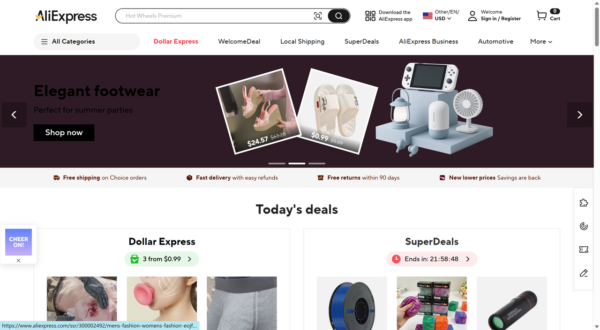
AliExpress is the closest broad comparison to Temu. It brings together a very large number of sellers across electronics, clothing, auto accessories, beauty tools, home products, craft supplies, toys, and plenty of odd little things you did not know existed five minutes ago.
Its greatest advantage is choice. If one seller does not offer the color, specification, or shipping route you need, another seller often does. That seller-level variety is also the main complication. Dispatch speed, product accuracy, packaging, and communication can vary from one listing to another.
Before ordering, check:
-
how long the seller has operated;
-
recent reviews for the exact variation you want;
-
buyer photos rather than polished listing images alone;
-
the dispatch country and delivery estimate;
-
full dimensions, materials, and package contents;
-
the current return and buyer-protection terms.
AliExpress is a sensible place for low-risk personal purchases and product comparison. It is less predictable when a business needs the same item, packaging, and inventory every week. More on that later.
2. Amazon Haul: Best for a Familiar Bargain Experience
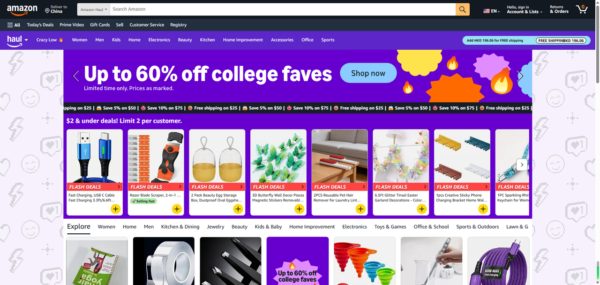
Amazon Haul is designed around low-priced fashion, home, beauty, electronics, and lifestyle products within the wider Amazon environment. Amazon said in 2026 that the section included more than a million low-priced products, although the catalog and offers can change by market.
For shoppers already comfortable with Amazon, the appeal is obvious. The account, payment flow, and order management feel familiar. You do not have to learn a new marketplace from scratch. That makes Amazon Haul useful for U.S. shoppers who want bargain discovery but prefer an established domestic account environment.
It is not a perfect Temu clone. Selection, delivery options, and eligibility may differ from the main Amazon store and across countries. It best suits low-risk purchases where checkout familiarity matters more than having the widest catalog.
3. Wish: Best for Novelty and Casual Browsing
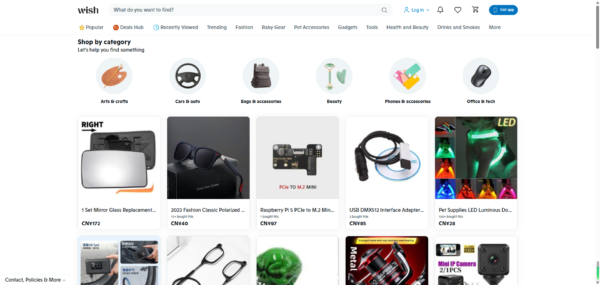
Wish built its name around discovery-led shopping. You browse inexpensive accessories, novelty goods, small electronics, fashion items, and household products, often through a highly visual feed.
That makes it suitable for low-stakes purchases: party items, decorative pieces, phone accessories, craft supplies, or small gifts. It is less comfortable for urgent orders, products with strict technical requirements, or items where a complicated return would erase the savings.
Treat every listing as its own decision. Compare customer photos with the main images, verify what is included, and review delivery and refund terms. A photo may show a complete set while the displayed price applies to one component.
4. Joom: Best Mobile-First Option in Supported Markets
Joom is another mobile-first marketplace with cross-border goods across fashion, household products, accessories, beauty, hobby items, and electronics. It has been particularly visible in European and international markets, although availability differs by location.
The experience is well suited to shoppers who like app-based discovery and a mixed inexpensive catalog. Its weakness is not necessarily the platform itself. It is the temptation to assume that every product shown is available with the same terms everywhere.
Confirm your destination, seller information, dispatch estimate, and return conditions. Check plugs and voltage for electronics and actual measurements for clothing. Joom is worth comparing when it actively supports your country, not simply because a shopper elsewhere had a good experience.
Best Temu Alternatives for Fashion, Jewelry, and Custom Products
A general marketplace can sell clothing, but a category-focused platform usually gives you better filters, more relevant reviews, and a deeper selection.
5. SHEIN: Best for Trend-Driven Fashion
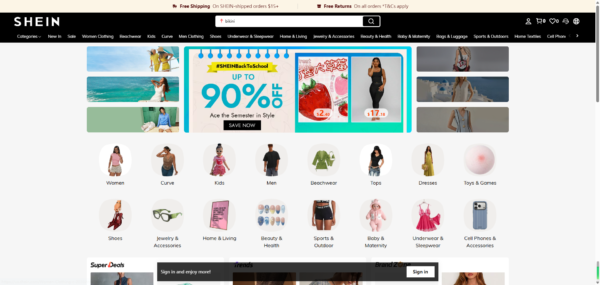
SHEIN is the obvious fashion-led alternative. It focuses heavily on current apparel styles, accessories, footwear, beauty, and lifestyle categories. New designs appear frequently, and the browsing experience is built around looks rather than a random general catalog.
The practical challenge is fit. Two items with the same size label may have different measurements, cuts, and fabrics. Read the item-specific size chart. Look at fabric composition, stretch, garment length, and reviews from shoppers with similar measurements.
For fitted clothing, formalwear, or pieces needed by a fixed date, leave time for a return or alteration. Hygiene-sensitive, personalized, and final-sale products may have different rules. SHEIN is strongest for trend breadth, while longevity, materials, and sizing still need item-level checks.
6. LightInTheBox: Best for Occasion Wear and Lifestyle Shopping
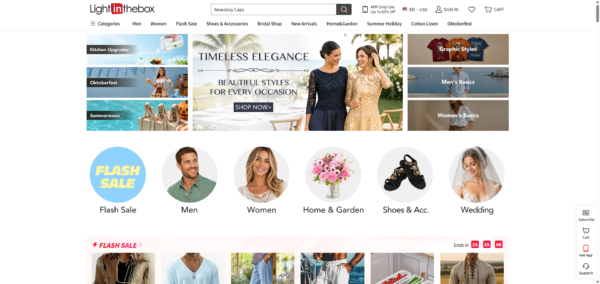
LightInTheBox carries apparel, event clothing, wedding-related products, home items, lighting, and other lifestyle categories. Its occasion-wear selection makes it useful when a general bargain marketplace feels too scattered.
Measurements matter a lot here. Formal clothing is less forgiving than a loose T-shirt. Compare your actual body measurements with the chart, read whether an item is made to order, and check whether customization affects return eligibility. Colors may also look different under studio lighting.
For home and lighting products, verify dimensions, voltage, plug standard, installation requirements, and package contents. LightInTheBox works best for shoppers who value category focus and will review specifications carefully.
7. Etsy: Best for Handmade and Personalized Products
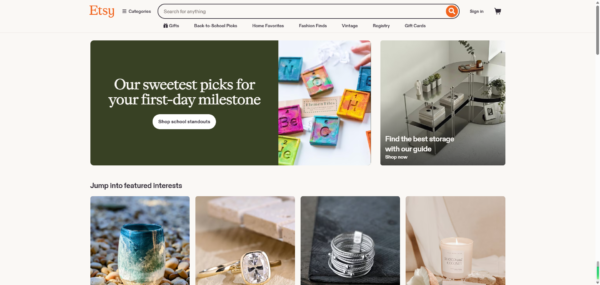
Etsy is not usually the cheapest substitute for Temu, and that is precisely why it belongs here. It solves a different problem. The marketplace is known for handmade, designed, vintage, and personalized products, including gifts, wedding items, art, jewelry, digital products, and home decor.
Use Etsy when originality and communication matter more than the lowest unit price. Many sellers can adjust names, colors, sizes, or artwork. You can often ask questions before purchase and discuss the item directly with its maker or shop.
Still, Etsy is a marketplace. Read the shop history, processing time, production-partner disclosures where present, and return policy. “Handmade” can cover different arrangements. It best fits gifts and custom products where character matters more than the lowest price.
8. Nihaojewelry: Best for Jewelry and Boutique Wholesale
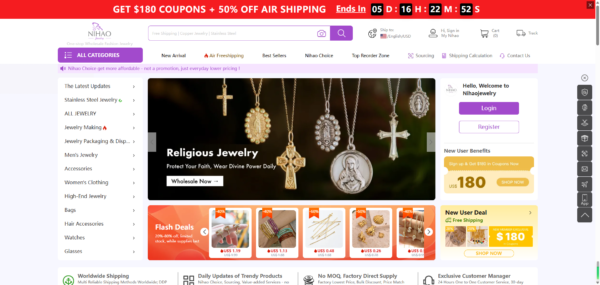
Nihaojewelry is different from the consumer sites above. It is aimed more toward boutique owners and resellers sourcing jewelry, hair accessories, bags, fashion accessories, apparel, and related inventory.
Its advantage is niche depth. A boutique buyer can compare many variations within one category instead of searching a broad consumer marketplace listing by listing. Entry quantities may be approachable, but requirements and price tiers can vary by product.
Before building a collection, order samples and check:
-
base metal and plating details;
-
dimensions and weight;
-
clasp, stone, and finish quality;
-
color consistency between batches;
-
individual packaging;
-
customization requirements;
-
delivered cost after freight and import charges.
For jewelry, vague words such as “gold,” “silver,” or “alloy” are not enough. Ask what the material actually is. The site is useful for boutiques testing styles, not as a general Temu replacement for household shoppers.
Best Sites Like Temu for Gadgets and Viral Products
Gadgets bring extra questions. Voltage, radio frequency, battery transport, software support, and warranty terms can matter more than a small price difference.
9. Banggood: Best for Gadgets, Electronics, and Hobby Products
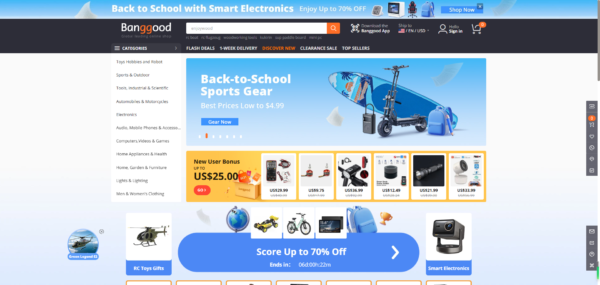
Banggood has a more specialized reputation in electronics, tools, RC hobbies, drones, components, outdoor gear, and technical gadgets. That category depth can make it easier to compare specifications than on a general bargain feed.
Read the full technical sheet before ordering. Check plug type, input voltage, battery format, charging standard, app compatibility, included accessories, and whether the radio equipment is suitable for your country. If the item is expensive, review the warranty process and return address before payment.
Battery products deserve extra attention because shipping may be restricted and replacement cells may be hard to source. Banggood is strongest for hobbyists who understand the specifications. If two model numbers look almost identical, pause and ask.
10. TikTok Shop: Best for Viral Product Discovery
TikTok Shop connects short-form video discovery with marketplace checkout in supported regions. It is excellent at showing how a product looks in use. Kitchen tools, beauty products, organizers, fashion accessories, and problem-solving gadgets can spread quickly through creator videos.
The video is useful evidence of use, but it is not automatically independent testing. A creator may earn a commission, receive a sample, or follow a seller brief. Look for demonstrations from several unrelated accounts. Then read the low-star reviews to find recurring complaints.
Check the seller, dispatch location, product claims, material details, and return route. Be especially careful with cosmetics, ingestible goods, children’s products, electrical devices, and anything making health claims. A confident thirty-second video does not replace documentation.
Use TikTok Shop as a discovery engine plus marketplace: let the video show the idea, then let the specifications and seller record decide the purchase.
Faster and More Local Alternatives to Temu
Cross-border shopping is not always the right answer. If you need a birthday gift this weekend, a part for tomorrow’s repair, or an easy local return, domestic inventory may be worth paying a little more for.
11. eBay: Best for Used, Refurbished, and Hard-to-Find Goods
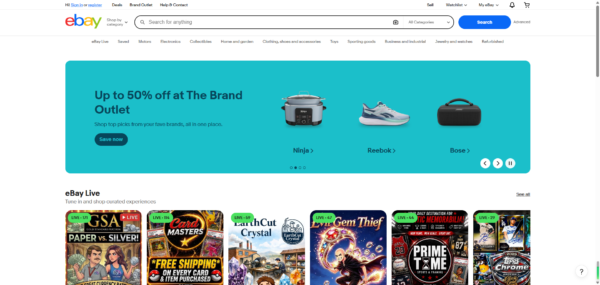
eBay covers new, used, open-box, refurbished, collectible, and rare products. Its mature seller-history system and item-condition fields are particularly useful when the condition matters as much as price.
It is often a better choice than Temu for discontinued electronics, replacement parts, vintage goods, branded secondhand products, and local inventory. Filter by item location when delivery speed matters. Read whether the listing uses actual photos or stock images and whether the seller accepts returns.
For branded goods, study the seller’s history and any category-specific authenticity process that applies. Do not assume that a low price proves a bargain. Sometimes it proves that a crucial word was hiding in the description.
Check recalls before buying used children’s goods, appliances, or safety equipment.
12. Walmart: Best for U.S. Essentials and Pickup
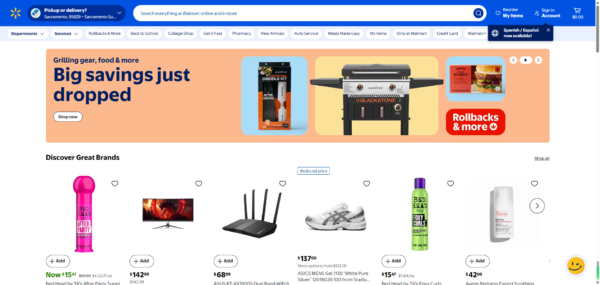
Walmart combines its own retail inventory with listings from marketplace sellers. For U.S. shoppers, it can offer local pickup, store returns, and domestic delivery on many everyday products.
The key is to check the “sold by” and “shipped by” information. A Walmart-stocked item and a third-party marketplace item may have different delivery and return paths. Do not treat the logo at the top of the page as the full story.
Walmart suits household essentials, electronics, personal care, toys, and seasonal products where local availability matters. Predictable delivery can be more useful than an adventurous catalog.
13. Five Below: Best for Low-Cost Gifts and Novelty Products
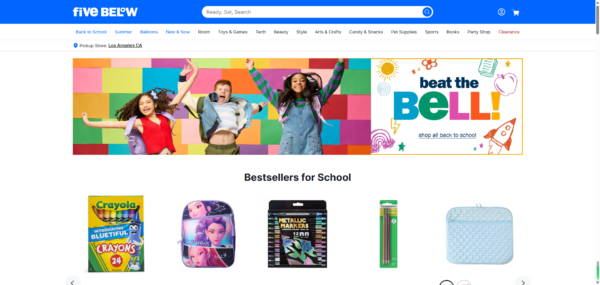
Five Below is a U.S.-focused discount retailer with stores and online shopping. It carries toys, room decor, candy, tech accessories, beauty items, seasonal goods, and small gifts.
The range is much narrower than Temu. That can actually help. If you need party favors or a simple gift, a curated low-price store is easier to navigate than thousands of near-identical listings. Local store availability may also make pickup or returns simpler.
Check local stock because online and store inventory can differ. Five Below is a useful domestic option for uncomplicated, low-cost purchases, not a factory-sourcing platform.
Wholesale Sites Like Temu for Small Businesses and Ecommerce Sellers
Temu is consumer-oriented. A business buyer has different needs: repeat supply, commercial invoices, stable specifications, customization, quality control, and sometimes bulk freight. A marketplace listing that works for one personal purchase may be awkward for 300 customer orders.
14. DHgate: Best for Smaller Wholesale Orders
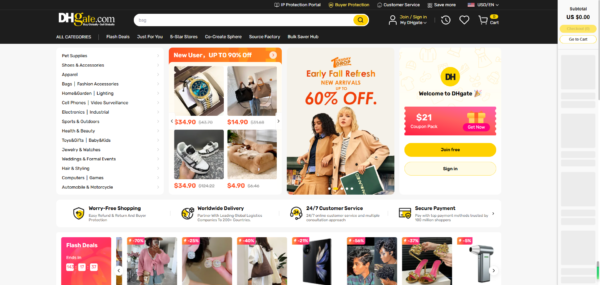
DHgate connects buyers with suppliers across electronics, apparel, accessories, beauty tools, home products, packaging, and many other categories. Quantity-based pricing and relatively approachable order sizes can make it useful for testing small wholesale batches.
The platform sits somewhere between consumer-style browsing and deeper B2B sourcing. That is convenient, but you still need supplier due diligence. Ask whether the seller is a factory, trading company, or distributor. Confirm the model, material, color, packaging, quantity, production time, and shipping terms in writing.
Avoid unauthorized replicas and suspicious branded listings. A cheap logo does not transfer trademark rights. Counterfeit inventory can be seized, removed from sales channels, or become a very expensive lesson.
For a first order, buy a sample. For the production order, keep a clear approved specification. If the product has safety or legal requirements, collect the correct documents and verify that they apply to the exact model, not a cousin product with a similar photograph.
15. Alibaba: Best for Factory Discovery, OEM, and Larger Orders
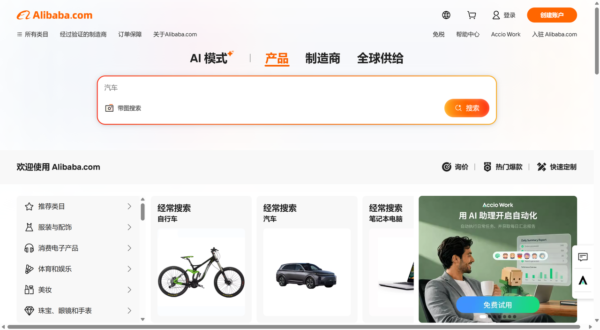
Alibaba.com is built for business sourcing. Buyers can search suppliers, request quotations, negotiate MOQs, order samples, discuss private labels, and develop custom products.
It becomes more useful when you already know what you want. A good inquiry includes:
-
product dimensions and materials;
-
expected quantity;
-
target market;
-
packaging requirements;
-
logo or artwork needs;
-
testing and certification requirements;
-
desired production timeline;
-
preferred shipping terms.
If your request says only “best price please,” you will get prices, sure. They just may not describe the same product.
Alibaba can help you discover factories and trading companies, but platform features do not remove due diligence. Compare several quotations. Review business information. Order samples. Confirm who owns molds and artwork. Approve a final specification. Arrange an inspection when the order value or risk justifies it.
Import responsibility also matters. For example, U.S. businesses selling consumer products should review the CPSC Online Sellers’ Safety Guide. Product rules depend on the category. Children’s products, electrical goods, cosmetics, food-contact products, and medical claims all need different attention.
16. Yiwugo: Best for Yiwu Small Commodities and Booth Research
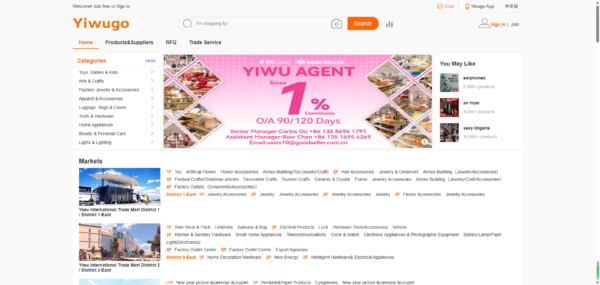
Yiwugo is closely associated with the Yiwu International Trade Market ecosystem. It is particularly useful for researching small commodities such as jewelry, hair accessories, gifts, stationery, toys, craft items, decorations, household goods, packaging, and seasonal products.
The big advantage is market-level discovery. Buyers can explore suppliers and products connected with Yiwu’s physical trading environment. That opens more options than a simple retail feed, especially for mixed-category businesses.
The challenge is execution. International buyers may need support with Chinese-language communication, sample collection, supplier verification, payments, consolidation, packaging, and export shipping. One order may involve products from several booths or factories, each with a different MOQ and lead time.
If you plan to source through the market, this China sourcing and fulfillment guide explains how supplier comparison, inspection, consolidation, and shipping can fit together.
Yiwugo is a good research and supplier-access tool. It is not a one-click consumer substitute for Temu, and it should not be judged by that standard.
How to Choose the Right Temu Alternative Without Guessing
The best platform is the one that fits the product and the consequence of getting it wrong. Use the following process instead of choosing from a dramatic “top ten” ranking.
Step 1: Start With Product Risk
A decorative sticker and a child’s night-light do not require the same level of checking. Raise your standards when a product touches food, skin, electricity, children, health, vehicles, or personal safety.
|
Product type
|
Extra checks before buying
|
|
Clothing
|
Measurements, fiber content, care instructions, stretch, recent fit reviews
|
|
Jewelry
|
Base metal, plating, nickel information where relevant, dimensions, finish
|
|
Electronics
|
Voltage, plug, battery, charger, radio function, local conformity and warranty
|
|
Children’s products
|
Age grading, warnings, testing, tracking labels, recall history
|
|
Cosmetics
|
Ingredient list, seller identity, labeling, seal, local restrictions
|
|
Food-contact goods
|
Material, temperature limits, intended use, required testing
|
|
Branded products
|
Seller authorization, authenticity support, realistic pricing
|
Platform presence is not proof that a specific item complies with every rule in your country. For U.S. buyers, the CPSC recall database is useful for checking safety recalls. Business importers need a product-specific compliance review.
Step 2: Check the Seller, Not Only the Platform
Look at the account age, transaction history, recent reviews, photo evidence, response quality, dispatch location, warranty, and return address. Search for patterns. One angry review tells you little; twenty recent complaints about the same broken hinge tell you something.
The U.S. Federal Trade Commission’s marketplace guidance recommends checking seller terms, recent comments, safe payment methods, and refund rules. It also warns shoppers not to rely on star ratings alone because ratings and reviews can be misleading.
Stay inside the platform’s approved payment system. A seller who pushes you toward a wire transfer, gift card, cryptocurrency, or unrelated payment account is asking you to give up useful protection.
Step 3: Compare Total Cost
Build the same basket on two or three websites. Select the same destination and comparable product specification. Then record:
-
item price;
-
shipping charge;
-
taxes and duties shown;
-
delivery estimate;
-
return window;
-
return address;
-
who pays return postage;
-
refund or restocking conditions.
A return to a domestic warehouse may cost very little. An international tracked return can cost more than the product. That is why a slightly higher checkout total can still be the cheaper decision.
Step 4: Read the Materials and Specifications
Product photos communicate style. Specifications communicate what you are buying. Read dimensions in centimeters or inches, package quantities, materials, compatibility, and included accessories.
Watch for option menus. Sometimes the main image shows the premium version while the lowest displayed price belongs to a small accessory. Select the variation first, then review the price again.
For clothing, trust measurements over S, M, or L. For storage products, measure your actual space. For electronics, check input and output requirements. For jewelry, ask what “alloy” means. Small details do a lot of heavy lifting here.
Step 5: Test Before Buying for a Business
Never build a branded offer around photos alone. Order samples from two or three suppliers. Compare the real product, packaging, smell, finish, function, color, measurements, and transit damage.
Ask whether the same SKU can be replenished. Confirm whether components may change without notice. Calculate landed cost, not just unit price. Then place a controlled first batch before scaling.
This is less exciting than finding a viral product. It is also much cheaper than refunding 200 customers.
When a Temu-Like Marketplace Is Not Enough for Your Store

Consumer marketplaces are useful for product discovery, price references, and occasional samples. They become less suitable when an ecommerce store needs the same product every day.
Listings can change. Sellers can switch. Visible stock may not reflect confirmed factory inventory. Packaging may include marketplace materials. There may be no single person coordinating the factory, quality check, inventory, custom inserts, and customer dispatch.
At that point, the alternative is not another shopping app. It is an operating partner.
FriendDropshipping is not a consumer marketplace like Temu. Its role is to help ecommerce brands coordinate factory sourcing, China-side order handling, inventory confirmation, quality checks, branded packaging, and international fulfillment under an agreed workflow. That can give a growing store factory-competitive pricing without leaving every supplier and parcel for the owner to chase alone.
The practical difference is stability. A seller can confirm which factory supplies the product, what stock is physically available, how the item is checked, and which shipping line is used. Learn how a China 3PL fulfillment service handles this workflow or review the separate quality control process.
This model is not necessary for someone buying two phone cases. It becomes relevant when a store needs repeatable inventory, faster order processing, consistent packaging, and one accountable point of contact.
Final Comparison by Shopper Type
Still deciding? Start with your main job, not with the platform that currently has the loudest coupon.
|
You mainly need
|
Start with
|
Why
|
|
Broad low-cost browsing
|
AliExpress or Wish
|
Large marketplace-style discovery
|
|
Familiar U.S. bargain checkout
|
Amazon Haul
|
Existing Amazon environment where available
|
|
Trend fashion
|
SHEIN
|
Fashion-led catalog and frequent style updates
|
|
Occasion wear
|
LightInTheBox
|
Event and apparel focus
|
|
Handmade or personalized goods
|
Etsy
|
Direct access to creative sellers
|
|
Gadgets and hobbies
|
Banggood
|
Deeper specialist catalog
|
|
Viral products
|
TikTok Shop
|
Video-led discovery
|
|
Used or refurbished items
|
eBay
|
Condition filters and seller history
|
|
Local U.S. essentials
|
Walmart or Five Below
|
Domestic retail and pickup options
|
|
Small wholesale orders
|
DHgate
|
Quantity tiers and supplier marketplace
|
|
OEM and factory sourcing
|
Alibaba
|
RFQs, MOQ negotiation, and customization
|
|
Yiwu small commodities
|
Yiwugo
|
Market and booth-level supplier discovery
|
|
Jewelry boutique inventory
|
Nihaojewelry
|
Focused wholesale catalog
|
|
Stable ecommerce supply
|
Sourcing and fulfillment partner
|
Factory coordination, inventory, QC, and dispatch
|
Conclusion
The best site like Temu depends on what you are buying and what you care about after checkout. AliExpress is the closest broad cross-border comparison. SHEIN is stronger for trend-driven fashion. Banggood gives gadget shoppers more category depth. TikTok Shop is useful for discovering viral products, while eBay, Walmart, Amazon Haul, and Five Below can be better when domestic availability or easier returns matter.
Business buyers need a different lens. DHgate can work for smaller wholesale tests. Alibaba supports deeper factory sourcing and customization. Yiwugo opens a door to Yiwu’s small-commodity supplier network, while Nihaojewelry serves jewelry and boutique buyers.
Do not choose on price alone. Check the seller, exact materials, dispatch location, delivered cost, return route, and product risk. For business orders, buy samples and confirm that the same specification can be supplied again.
A cheap product is only cheap when it arrives as described and does the job. That sounds obvious. Online bargain feeds have a funny way of making us forget it.
Frequently Asked Questions About Sites Like Temu
What website is most similar to Temu?
AliExpress is the closest broad alternative because it offers low-cost products across many categories. Wish and Joom provide similar discovery-led browsing in supported markets. Amazon Haul may feel more familiar to U.S. shoppers, but its catalog differs from Temu.
What sites are cheaper than Temu?
No website is consistently cheaper. AliExpress, Wish, DHgate, SHEIN, or Amazon Haul may win on a particular item. Compare the delivered total because shipping, taxes, discount conditions, and return costs can reverse the result.
Are there U.S.-based sites like Temu?
Amazon Haul, Walmart, Five Below, and eBay are useful U.S.-market alternatives. Walmart and eBay also host third-party sellers, so check the seller and dispatch location when domestic delivery matters.
Which Temu alternative has the fastest shipping?
Domestic inventory is usually faster. Walmart, Five Below, Amazon, and U.S.-located eBay sellers may offer quicker delivery. Always check the listing’s dispatch location and live estimate rather than relying on a platform-wide average.
Is AliExpress better than Temu?
AliExpress may be better for seller choice and niche products. Temu may feel simpler for shoppers who prefer a more centralized experience. Compare the exact product, seller, shipping route, returns, and final cost.
What is the best Temu alternative for clothes?
SHEIN is strong for inexpensive trend fashion. LightInTheBox suits occasion wear, Etsy covers personalized pieces, and eBay is useful for used or vintage clothing. Always check item-specific measurements.
What is the best Temu alternative for electronics?
Banggood and AliExpress offer broad gadget selections. Amazon, Walmart, and eBay may be better for domestic delivery or warranty support. Check voltage, plug, battery, wireless compatibility, conformity information, and returns.
Are websites like Temu safe to buy from?
Large platforms usually provide payment and dispute systems, but risk varies by seller and product. Pay on-platform, inspect specifications, and read refund terms. Use extra caution with children’s goods, electronics, cosmetics, branded products, and safety equipment.
How can I avoid scams on cheap shopping websites?
Use a credit card or protected payment system and never pay outside the marketplace. Research the seller, save the listing and messages, question unrealistic prices, and verify contact and return information.
Can I buy wholesale from sites like Temu?
Temu is mainly consumer-oriented. Use DHgate for smaller wholesale tests, Alibaba for factory or OEM sourcing, Yiwugo for Yiwu commodities, and Nihaojewelry for boutique inventory. Confirm MOQ, samples, specifications, lead time, and landed cost.
Is Yiwugo available to international buyers?
Yiwugo’s English site helps overseas buyers research Yiwu products and suppliers. Orders may still require Chinese communication, supplier checks, payment coordination, consolidation, and export shipping.
Does Nihaojewelry have a minimum order quantity?
Requirements vary by product, quantity tier, and customization. Check the current listing and terms. Standard stock and custom logo packaging may have very different minimums.
Can I use Temu alternatives for dropshipping?
Some sellers support direct delivery, but retail marketplaces are not automatically professional dropshipping suppliers. Confirm permission, stock accuracy, packaging, tracking, returns, and repeat SKU availability.
Which site is best for custom packaging and private label products?
Alibaba is a clear starting point for private-label factory sourcing. Selected DHgate and Yiwugo suppliers may also customize. Confirm logo method, materials, artwork, samples, MOQ, lead time, mold ownership, and inspection.
Why are products on Temu-like sites so inexpensive?
Low prices may come from factory proximity, seller competition, large runs, simpler specifications, cross-border distribution, or platform promotions. Cheap does not automatically mean poor, but materials and specifications determine real value.
Table of Content

I’m Cassiel. I’ll help you scale your Shopify business with reliable fulfillment.
Join to newsletter.
Follow us and get more knowledge.