You want to sell supplements under your own brand. You want your logo on the bottle, a proper Shopify store, and a parcel that looks like it came from your business. What you do not want is 1,000 bottles sitting in your spare room while you wonder whether anyone will buy them.

Fair enough.
It is possible to start a supplement brand without storing inventory yourself or committing to a huge first order. The important bit is understanding what “no inventory” really means.
Unlike a printed T-shirt, a supplement is rarely manufactured one bottle at a time after an order arrives. Capsules, gummies, powders, tablets, and liquids are normally produced in batches. The low-inventory model happens later. A supplier may hold a stock formula and apply your label per order. Or you may purchase a small run, perhaps 50 or 100 units where the product and supplier allow it, then keep those units at a fulfillment warehouse.
Both routes can feel like print on demand from the store owner’s side. Neither means a factory blends a fresh batch for every Shopify checkout.
This guide explains the practical route from product idea to supplier, branded packaging, Shopify fulfillment, and the first sensible reorder. It also covers costs, quality documents, U.S. compliance basics, margins, and the mistakes that make a “cheap” launch rather expensive.
Can You Start a Supplement Brand With No Inventory?
Yes, but there are several versions of the model.
The easiest version uses a catalog platform. The platform or its supplier owns finished supplement stock. You choose an existing formula, upload a label, connect your store, and pay when an order needs to be fulfilled. This keeps your opening inventory cost very low.
The next version is a micro-batch. You buy a small quantity under your brand and store it with the supplier or a third-party logistics provider. You technically own inventory, but you do not keep it at home or handle daily parcels. For many founders, that is what they actually mean by “no inventory.”
A larger private-label run offers more packaging control and a lower unit cost. A custom formula offers the most differentiation, but it also brings a longer development cycle, more testing, and a higher MOQ.
|
Model
|
Who owns the product stock?
|
Typical customization
|
Opening cash need
|
Control
|
Best fit
|
|
No-MOQ catalog platform
|
Platform or supplier
|
Label and limited pack-ins
|
Lowest
|
Low
|
Fast demand testing
|
|
50- or 100-unit micro-batch plus fulfillment
|
Brand
|
Label, available containers, inserts, sometimes cartons
|
Low to moderate
|
Moderate
|
Early brand validation
|
|
Traditional private label
|
Brand
|
Wider packaging choices and larger runs
|
Moderate
|
Moderate to high
|
Brands with predictable sales
|
|
Custom formula manufacturing
|
Brand
|
Formula, flavor, format, and packaging
|
Highest
|
Highest
|
Validated brands needing a distinct product
|
What “no inventory” really means for supplements
A no-inventory merchant might not own the capsules, bottle, or label until the order is placed. The platform carries that risk and charges a higher unit price for the convenience.
A micro-batch merchant owns a small amount of stock. The warehouse scans it in, records the SKU and lot, stores it, then ships one unit whenever Shopify sends an order. You have inventory on paper, but not in your hallway. Frankly, this is often a better balance between control and cash.
There is also supplier-reserved stock. A supplier may say that a formula is “in stock,” yet the finished branded product still requires bottles, labels, or production scheduling. Ask what the stock number represents. Is it finished bottles, bulk capsules, raw ingredients, or simply an estimate?
That one question can save a lot of awkward customer emails.
How the Print-on-Demand Supplement Supply Chain Actually Works
Most low-inventory supplement programs begin with an existing formula. The manufacturer has already developed the product specification and arranged its ingredients, production process, testing, and standard packaging options.
A typical flow looks like this:
-
The supplement is manufactured as a production batch.
-
The batch is tested and assigned identifying records.
-
Finished goods or unlabeled containers are held in stock.
-
Your label artwork is approved and printed.
-
A customer places an order in your Shopify store.
-
The supplier or warehouse selects an eligible unit.
-
Your label, insert, or packing rule is applied.
-
The order is shipped and tracking returns to Shopify.
The “on-demand” work is often labeling, packing, and dispatch. The ingredients inside the bottle were still manufactured as part of a batch.
Ask who owns the inventory
Inventory ownership affects cash, control, and what happens if you leave the supplier.
With a catalog platform, the platform usually controls the base product. You may not be able to transfer it elsewhere because you never purchased that inventory.
With a micro-batch, you normally pay for your units in advance. Ask whether you can move the remaining stock to another warehouse. Also ask who owns unused labels, boxes, and inserts.
Supplier-reserved stock sits somewhere in the middle. Do not assume “reserved” means legally or physically allocated to you. Put the arrangement in writing.
Ask who controls the lot and expiry data
Supplements are not ordinary phone cases. The warehouse needs to know which lot was sent to which customer, particularly if a quality issue or recall occurs.
Useful controls include:
-
lot numbers recorded against inbound stock;
-
expiry or best-before dates stored in the inventory system;
-
first-expired, first-out rotation, often called FEFO;
-
blocked stock rules for damaged, expired, or questioned units;
-
order records that connect customers with dispatched lots;
-
a written recall, complaint, and disposal process.
These details become more important as the brand grows. The broader difference between existing formulas, micro-customized products, and fully custom supplements is worth understanding before you request quotes.
Should You Choose an Existing Supplement Formula or Create Your Own?

For a first low-inventory launch, an existing formula is usually the sensible starting point.
It is already in the manufacturer’s production system. Ingredients and packaging may be regularly purchased. Samples are easier to obtain. The supplier may already have product specifications and standard label information available.
The trade-off is differentiation. Another brand may sell a similar formula. Your competitive edge must then come from positioning, customer experience, offer design, content, bundles, service, or access to a particular audience.
Choose an existing formula when speed and low MOQ matter
An existing formula suits a founder who wants to:
-
validate an audience before a large investment;
-
launch one clear product;
-
avoid formulation and flavor-development costs;
-
use standard bottles or pouches;
-
get samples and price comparisons quickly;
-
learn what customers actually value.
This does not mean choosing a random multivitamin and making wild claims around it. The product still needs to fit a real customer and use case.
Create a custom formula when the difference is worth paying for
A custom formula makes more sense when you have evidence that the formula itself needs to be different. Perhaps customers dislike the serving size of current products. Maybe a format, ingredient combination, allergen restriction, or flavor matters to your audience.
Custom development can involve:
-
formulation work;
-
raw-material sourcing;
-
flavor and sweetness trials;
-
pilot samples;
-
compatibility and stability considerations;
-
manufacturing setup;
-
laboratory testing;
-
revised label information;
-
higher production minimums.
The timeline and budget depend heavily on format. A stock capsule is not the same project as a custom gummy, flavored powder, liquid shot, or individual stick pack.
|
Decision factor
|
Existing formula
|
Custom formula
|
|
Launch speed
|
Usually faster
|
Usually slower
|
|
MOQ
|
Often lower
|
Usually higher
|
|
Development cost
|
Low
|
Moderate to high
|
|
Formula differentiation
|
Limited
|
High
|
|
Sampling process
|
Straightforward
|
Iterative
|
|
Packaging flexibility
|
Depends on supplier
|
Often wider at sufficient volume
|
|
Best use
|
Testing and early growth
|
Proven concept with a clear product gap
|
A useful middle path is to begin with a proven formula and improve everything around it. Learn why customers buy, what they complain about, and when they reorder. Then create a custom formula with evidence instead of enthusiasm alone. Enthusiasm is useful, sure, but it does not write a purchase order very well.
How to Find a Low-MOQ Private Label Supplement Supplier

Do not begin a supplier conversation with “Can you put my logo on this?”
Begin with a short product brief. It gives suppliers something concrete to price and helps you compare like with like.
Include:
-
product format, such as capsules, powder, gummies, or liquid;
-
serving count and intended pack size;
-
preferred ingredients or a reference formula;
-
ingredients, allergens, sweeteners, or materials you want to avoid;
-
intended country of sale;
-
target customer and use case;
-
opening quantity and forecast range;
-
label, bottle, carton, sticker, and insert requirements;
-
target landed or fulfilled cost;
-
expected shipping destinations.
Request evidence, not just badges
Supplier websites often display “GMP,” “FDA registered,” “tested,” or similar language. Those words are a starting point, not the end of due diligence.
Ask for information relevant to the specific product and facility:
-
the manufacturing controls that apply;
-
a current product specification;
-
a physical sample;
-
Certificate of Analysis availability;
-
whether the COA is batch-specific;
-
what the laboratory actually tested;
-
third-party testing options;
-
shelf-life or date-support information;
-
batch and lot records;
-
allergen controls;
-
label-support scope;
-
complaint and recall procedures;
-
insurance and contractual responsibility;
-
current lead time;
-
actual MOQ for the product and each packaging component.
A COA is useful, but read it. A document that confirms identity is not automatically a heavy-metal, microbial, potency, allergen, and stability report all rolled into one. Ask which tests are included and whether they apply to the finished product or only an ingredient.
Ask the awkward operational questions
The less glamorous questions tend to matter later:
-
Is the displayed inventory finished stock or an estimate?
-
Can the formula or ingredient source change without notice?
-
Who checks the label before printing?
-
Who pays if an approved label is applied incorrectly?
-
Can remaining stock be transferred to another 3PL?
-
Who owns the artwork files and customer data?
-
What happens to expired, damaged, or returned units?
-
Is there a monthly minimum or dormant-stock charge?
-
How quickly are inventory counts updated?
-
What happens when an item sells out after a customer pays?
Compare the complete service, not only the bottle price. This supplement supplier selection guide explains the practical differences among catalog platforms, manufacturers, and fulfillment partners.
Can You Customize Supplement Packaging With Your Brand?

Yes. Private label supplement suppliers usually provide several branding and packaging options. However, the available choices and prices often depend on your order quantity.
Common customization options include:
-
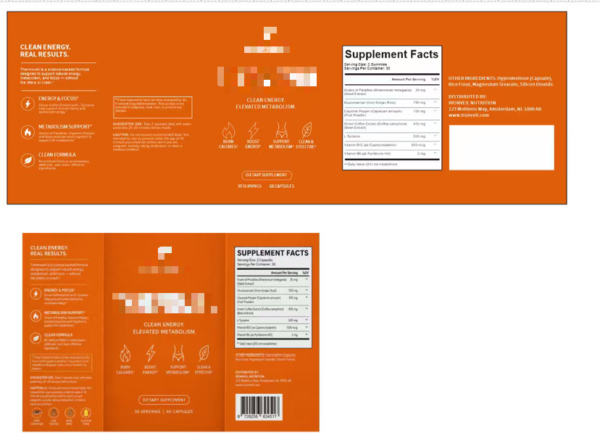
Custom labels: Add your logo, brand colors, product name, Supplement Facts panel, directions, warnings, and contact details.
-
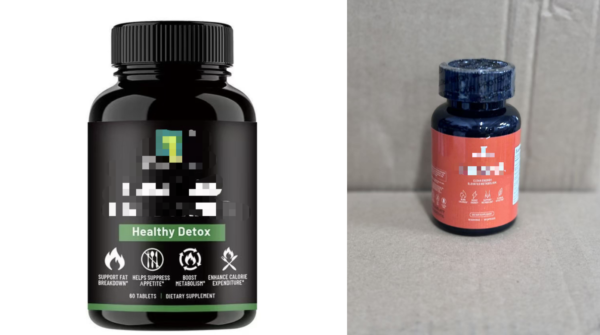
Bottles and containers: Choose from available plastic bottles, glass bottles, jars, pouches, dropper bottles, or other standard containers.
-
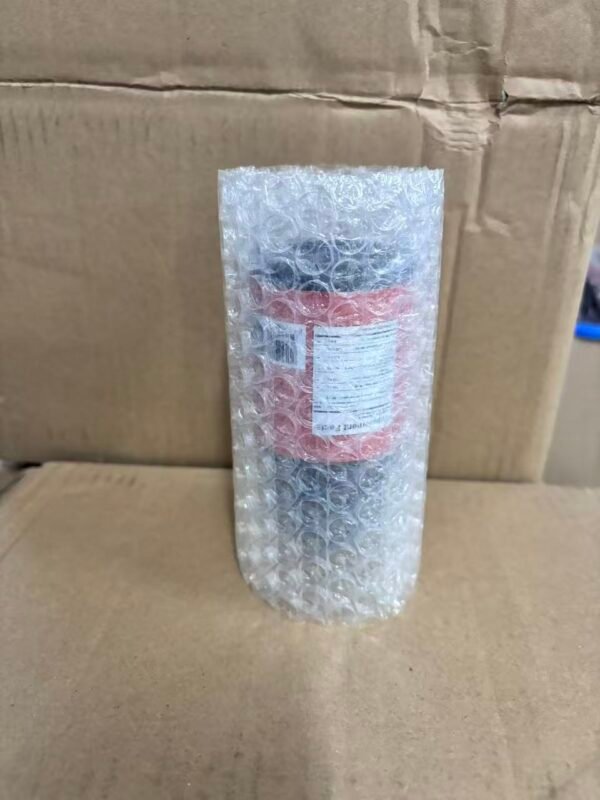
Custom boxes: Use printed retail boxes or plain cartons finished with branded stickers. Fully printed boxes often have a higher MOQ than labels.
-
Stickers: Add logo stickers, tamper-evident seals, flavor labels, promotional stickers, or barcode labels.
-
Package inserts: Include product guides, thank-you cards, discount cards, usage instructions, or subscription reminders.
-
Branding materials: Customize mailers, tissue paper, packing tape, cards, bundles, and other materials used in the unboxing experience.
A small launch of 50 or 100 units may support custom labels, stickers, inserts, and standard containers. More advanced options, such as custom-molded bottles, printed boxes, premium pouches, or unique closures, may require a larger order.
Also, remember that the supplement MOQ and packaging MOQ may be different. A supplier might accept 50 branded bottles, while the packaging factory requires 500 printed boxes. Ask for the MOQ and price of each component separately before approving the design.
How Much Does It Cost to Start a Supplement Brand?
There is no honest universal number. A stock capsule with a standard bottle is a very different project from a custom gummy in a printed carton.
Still, founders can build a useful planning budget.
|
Cost item
|
Why it exists
|
Paid once or repeatedly?
|
Question to ask
|
|
Samples
|
Check product, flavor, packaging, and delivered condition
|
Once per candidate
|
Is this the same formula and package customers receive?
|
|
Product units
|
Purchase stock or pay when each order is fulfilled
|
Repeated
|
Does the price include labeling and fulfillment?
|
|
Label design and printing
|
Create usable, compliant brand artwork
|
Both
|
Is label review included, and who is responsible?
|
|
Packaging components
|
Bottles, cartons, inserts, mailers, and seals
|
Repeated
|
Does each item have a separate MOQ?
|
|
Testing and documents
|
Confirm agreed specifications and records
|
Varies
|
What tests and which batch does the document cover?
|
|
Shopify and apps
|
Store, domain, integrations, and subscriptions
|
Monthly
|
Which tools are essential on day one?
|
|
Fulfillment
|
Receiving, storage, pick and pack, and materials
|
Per order/month
|
Are there setup, minimum, or peak fees?
|
|
Shipping
|
Deliver each order
|
Per order
|
Is tracking included? Are remote zones extra?
|
|
Insurance and review
|
Manage product and claims risk
|
Annual/occasional
|
What is covered and excluded?
|
Three example startup budgets
The examples below are planning exercises, not supplier quotations.
Scenario A: no-MOQ catalog validation
A founder launches one existing formula through a catalog platform.
-
samples: $50-$200;
-
logo and label artwork: $100-$600;
-
Shopify, domain, and essential apps: $50-$200 for the opening period;
-
basic photography or content: $100-$500;
-
insurance or professional review: market-dependent;
-
initial marketing test: $300-$1,500.
The product itself may be paid per order. The opening budget can remain fairly lean, but the per-unit cost and fulfillment charge are usually higher.
Scenario B: 100-unit micro-batch
Assume an illustrative product cost of $7.50 per branded bottle.
-
100 bottles: $750;
-
samples and product checks: $100;
-
label design and print setup: $250;
-
inserts and simple shipping materials: $120;
-
inbound delivery to the warehouse: $180;
-
store setup and content: $400;
-
initial operating and marketing reserve: $1,000.
The illustrative opening cash need is $2,800 before insurance, specialized testing, taxes, or professional review. A different product could land much lower or much higher.
Scenario C: custom formula and package
This route may add formulation fees, pilot samples, flavor work, testing, larger ingredient minimums, custom packaging, and a production MOQ. The project can move into five figures quickly. It should be quoted against a detailed specification rather than guessed from a website’s “starting at” price.
Understand the timing of the cash
Even a no-inventory business needs working capital.
You may pay for samples, design, insurance, content, and software before making a sale. A supplier might charge your card when an order arrives, while Shopify’s payment payout reaches your bank later. Refunds, replacements, advertising, and shipping adjustments can also occur on different dates.
For a micro-batch, you pay before the inventory earns anything. Then you need to reorder while part of the first batch is still unsold because production and inbound shipping take time.
Keep a cash reserve. A profitable spreadsheet can still create a cash-flow headache if every payment arrives three days after each bill.
How to Start a Low-Inventory Supplement Brand Step by Step

Step 1: Pick one customer and one use case
“Health-conscious adults” is not a useful audience. A stronger starting point might be frequent travelers who struggle to maintain a routine, strength-training beginners who dislike large servings, or busy professionals who want a simple daily pack.
You are not diagnosing or treating them. You are defining whose daily problem the product and brand are designed around.
Step 2: Choose a format that fits the budget
Standard stock capsules and tablets often have simpler low-MOQ paths than custom gummies, flavored powders, liquids, sachets, and stick packs. That does not make them better products. It makes them easier first projects.
Consider shipping too. A large protein tub occupies more warehouse space and costs more to ship than a compact bottle. Liquids can leak. Gummies and some formulas may be sensitive to heat. Packaging is part of the product decision.
Step 3: Shortlist the model and supplier
Decide whether you need:
-
the lowest possible opening commitment;
-
ownership of a small branded batch;
-
control over packaging and shipping routes;
-
a custom formula;
-
local-market manufacturing;
-
international fulfillment.
Send the same brief to each shortlisted supplier. Otherwise, you will compare one quote for an unlabelled bottle against another quote that includes a label, carton, inspection, storage, and shipping. That comparison is soup.
Step 4: Order and inspect samples
Check the product experience and the parcel:
-
smell, taste, texture, and serving experience;
-
bottle, pouch, seal, cap, and tamper evidence;
-
label alignment and readability;
-
leakage, clumping, melting, or damage;
-
package dimensions and weight;
-
delivery time, including processing;
-
documents supplied with the sample.
Have people in the intended customer group use the product only in an appropriate and safe research setting. Record specific feedback rather than “looks good.”
Step 5: Build the label and claims carefully
The label is not a logo wrapped around a bottle. It contains required information, and the exact requirements depend on the product and destination market.
The website matters too. A careful label can be undermined by an aggressive product page that promises to prevent, cure, or treat disease. Review product names, images, testimonials, ads, influencer scripts, emails, and FAQs as part of the claims system.
Step 6: Confirm the fulfillment specification
Write down:
-
the SKU;
-
unit barcode, where used;
-
acceptable lot and expiry rules;
-
label version;
-
insert or bundle instructions;
-
shipping carton or mailer;
-
dispatch countries;
-
service levels;
-
tracking method;
-
return address;
-
damaged, refused, and lost parcel rules.
If a requirement exists only in a WhatsApp voice note from three months ago, it will eventually disappear at the worst moment.
Step 7: Launch one hero SKU
One product makes inventory, ads, feedback, and customer support easier to understand. It also lets you focus the product page on one clear decision.
Bundles can raise order value, but do not create five bundles before you know whether customers want one bottle. Subscriptions can support repeat purchases, but terms must be clear and the replenishment interval should match realistic use.
Step 8: Reorder from evidence
Track:
-
conversion rate;
-
contribution margin;
-
delivery time;
-
damage and refund rate;
-
support questions;
-
repeat purchases;
-
subscription cancellations;
-
customer complaints about flavor, format, packaging, or serving size.
Those numbers tell you whether to reorder, negotiate a larger batch, change the package, or stop. Stopping a weak SKU early is also a successful use of a low-inventory model.
How to Fulfill Supplement Orders for Shopify Stores

Shopify displays the product and collects the order. It does not manufacture, inspect, store, or ship the supplement. Those steps require a supplier, warehouse, or combined fulfillment partner.
A normal order flow is:
-
The customer checks out.
-
Payment and fraud checks take place.
-
Shopify sends the order and SKU data to the fulfillment system.
-
The warehouse selects the correct product and eligible lot.
-
Brand-specific labels, inserts, or bundle rules are applied.
-
The parcel is packed and handed to the carrier.
-
Tracking is returned to Shopify.
-
The customer receives shipment updates.
-
Exceptions and returns follow agreed procedures.
Supplier-direct fulfillment
With supplier-direct fulfillment, the same company that provides the product ships it. This reduces handoffs and is convenient for early testing.
The limits may include:
-
less control over shipping lines;
-
limited packaging choices;
-
slower or less detailed inventory updates;
-
few bundle options;
-
difficulty moving stock elsewhere;
-
a higher per-order cost.
Ask how orders enter the system. A native Shopify app can automate product and order sync. Other providers use an API, CSV file, email, or manual dashboard. Manual processing is workable at tiny volume, but it becomes a source of errors as orders grow.
Micro-batch plus a supplement 3PL
In this model, the manufacturer sends your branded batch to a warehouse. The 3PL receives and counts it, records lots and dates, stores it, then fulfills Shopify orders.
This gives you more control over:
-
stock ownership;
-
packaging materials;
-
inserts and bundles;
-
lot and expiry records;
-
shipping-line selection;
-
inventory transfers;
-
reorder planning.
It also adds receiving, storage, pick-and-pack, packaging, and account fees. Request a complete rate card.
A specialized supplement fulfillment service should be able to discuss lot handling, expiry rules, branded packaging, Shopify order routing, and international-shipping limitations rather than treating the product like any other warehouse SKU.
Put the fulfillment rules in writing
Confirm:
-
daily order cutoff;
-
normal processing time;
-
weekend and holiday handling;
-
stock-sync frequency;
-
FEFO rules;
-
minimum remaining shelf life;
-
bundle assembly;
-
label and insert version control;
-
parcel dimensions and billable weight;
-
tracked shipping options;
-
lost and damaged parcel claims;
-
returns, quarantines, and disposal;
-
inventory reconciliation;
-
peak-season surcharges.
Fulfillment is where the brand becomes physical. A lovely Shopify theme does not comfort a customer who receives the wrong bottle.
Compliance Before Selling Supplements in the United States
This section is general education, not legal advice. Product classification and requirements can change by formula, claim, business role, and sales market.
FDA premarket approval is not the same as compliance
Dietary supplements generally do not receive FDA approval before they are marketed. According to the FDA’s dietary supplement questions and answers, firms are responsible for evaluating safety and ensuring that products are not adulterated or misbranded.
So the correct takeaway is not “FDA approval is unnecessary, therefore there are no rules.” It is that responsibility rests heavily on the businesses manufacturing and marketing the product.
Avoid language such as “FDA-approved supplement” when the product has not received that kind of approval. Facility registration is also not product approval.
Manufacturing and packaging controls matter
FDA identifies dietary supplement current good manufacturing practice requirements in 21 CFR Part 111. These controls address manufacturing, packaging, labeling, and holding operations. They include specifications, records, sanitation, quality operations, packaging and label controls, and measures to prevent mix-ups.
The FDA cGMP overview is a useful official starting point.
Ask which facility manufactures the finished product, which facility labels or packs it, and how the supplier verifies conformity. Do not assume every company shown on a quotation performs every operation itself.
The label needs more than a logo
The FDA’s Dietary Supplement Labeling Guide describes five core statements:
-
the statement of identity;
-
net quantity of contents;
-
nutrition labeling, normally the Supplement Facts panel;
-
ingredient list;
-
name and place of business of the manufacturer, packer, or distributor.
Other requirements may apply. Placement, type size, warnings, allergens, country of origin, and claims need proper review. An attractive template is not automatically a compliant label.
Claims also appear on product pages and ads
FDA distinguishes among types of label claims, including structure/function claims and disease claims. A supplement should not be marketed as a drug by claiming to diagnose, treat, cure, or prevent disease without the applicable legal basis.
Advertising also falls under the FTC’s remit. The FTC Health Products Compliance Guidance explains that objective health claims must be truthful, not misleading, and supported by appropriate evidence.
Claims may be express or implied. Product names, before-and-after images, testimonials, and influencer content can communicate a message even when the exact words “treats” or “cures” never appear.
Shopify is a store platform, not legal approval
Shopify states that merchants must comply with applicable laws and its policies. Its legal and policy compliance guidance also notes that sellers need to consider the rules in the jurisdictions where they operate and sell.
Shopify, Shopify Payments, Shop, advertising platforms, carriers, and destination countries are separate systems. Approval by one does not guarantee acceptance by the others.
Before launching, review the rules for the exact formula, claims, market, payment provider, sales channel, and shipping route. For a fuller workflow, see this guide to launching a Shopify supplement brand legally.
Is Supplement Dropshipping Profitable?
It can be. It can also generate plenty of revenue and very little money.
The useful number is contribution margin per order:
Selling price – discount – product cost – fulfillment – shipping – payment fees – expected refunds and replacements – customer acquisition cost
Consider an illustrative order:
|
Order item
|
Illustrative amount
|
|
Selling price
|
$39.00
|
|
Discount allocation
|
-$2.00
|
|
Product and label
|
-$11.00
|
|
Pick, pack, and materials
|
-$3.00
|
|
Tracked shipping
|
-$6.50
|
|
Payment fee
|
-$1.50
|
|
Refund and replacement allowance
|
-$1.00
|
|
Customer acquisition
|
-$9.00
|
|
Contribution margin
|
$5.00
|
The product has a $28 difference between its selling price and product cost, but the order contributes only $5 after the other variable costs. That $5 still needs to support overhead, software, insurance, content, staff, and profit.
Why no-MOQ products cost more
The supplier carries demand and inventory risk. It stores stock, manages many small brands, prints or applies labels, processes individual orders, and handles parcel shipping. You are buying convenience as well as a bottle.
That can still be worthwhile during testing. Spending more per unit on 20 real orders is often safer than saving $3 per unit on 1,000 bottles nobody wants.
What improves the economics
-
a focused product with clear positioning;
-
healthy average order value;
-
useful bundles;
-
genuine repeat purchases;
-
transparent subscriptions;
-
controlled shipping cost;
-
low damage and replacement rates;
-
a reasonable customer acquisition cost;
-
a larger batch after demand is proven.
Do not assume supplements automatically have high lifetime value. Customers reorder products they trust, understand, can afford, and remember to use. A recurring-product category offers potential, not a guarantee.
Common Mistakes When Starting a Supplement Brand
Launching too many SKUs
Every additional product creates another formula, label, stock count, expiry profile, product page, claim review, and reorder decision. Start with one hero SKU unless there is a very good reason not to.
Choosing a supplier only by bottle price
The cheapest bottle may have expensive shipping, weak stock visibility, limited documents, slow processing, or poor packaging. Compare the fulfilled and delivered cost.
Assuming “no MOQ” means unlimited availability
No MOQ describes your order commitment. It does not promise that the supplier will always have inventory.
Skipping samples
Never build a product page around a mockup without seeing what customers will receive. Order samples through the real shipping route where possible.
Treating a COA as a magic certificate
Confirm the batch, tests, methods, dates, and issuing laboratory. Ask what the document does not cover.
Designing the label before confirming the container
Label dimensions, panel space, curves, seams, and required content depend on the actual bottle or pouch.
Making disease claims
A stock formula does not give you permission to copy every claim found online. Review labels, pages, ads, testimonials, and creator briefs together.
Forgetting packaging MOQs
The product may have a 50-unit minimum while the carton has a 500-unit minimum. Price each component.
Ignoring lot, expiry, complaints, and recalls
Decide who records lots, handles serious complaints, quarantines stock, contacts customers, and pays for disposal.
Quoting shipping time without processing time
“Five-day shipping” can become a ten-day customer wait if labeling and order processing take another five days.
Scaling ads before fulfillment is stable
Send test orders to several addresses. Watch inventory sync and tracking. Fix the boring parts before increasing traffic.
When Should You Move From No Inventory to a Larger Batch?
Do not switch only because bulk pricing looks attractive. Switch when the sales evidence and cash position support it.
Useful signals include:
-
several weeks of stable order volume;
-
one clear winning SKU;
-
acceptable delivery, complaint, and refund rates;
-
repeat purchases;
-
reliable conversion without extreme discounts;
-
enough cash for the batch plus an operating reserve;
-
meaningful savings after storage and fulfillment costs;
-
a reorder plan based on lead time and sales velocity.
|
Situation
|
Best next move
|
|
Irregular orders and unproven offer
|
Stay with no-MOQ fulfillment
|
|
Stable early demand and a clear hero SKU
|
Consider a 50-, 100-, or larger micro-batch
|
|
Predictable sales and strong cash flow
|
Compare a larger private-label run
|
|
Customers repeatedly request a product difference
|
Evaluate custom formulation
|
Calculate the expected saving, then subtract inbound freight, receiving, storage, aged stock, disposal risk, and the cost of cash tied up. Bulk is cheaper only when the inventory sells.
Conclusion: Start Lean, but Know What Is Happening Behind the Label
You can start a supplement brand without storing products at home or buying thousands of units. The practical routes are a no-MOQ catalog program or a small private-label batch held by a fulfillment partner.
Just keep the model honest. Supplements are normally manufactured in batches. The on-demand part is often branding, storage, order processing, and shipping.
Begin with one customer, one use case, and one existing formula. Verify the supplier, sample the real product, understand the documents, review the label and claims, and put fulfillment rules in writing. Then use actual orders to decide whether a larger batch or custom formula is worth the money.
A lean launch should reduce risk, not hide it. Prepare a one-page product brief and ask several suppliers for comparable, complete quotes. That is a much better first step than ordering a very impressive pile of bottles.
Frequently Asked Questions
Can I start a supplement brand without inventory?
Yes. A no-MOQ platform can own the base product and fulfill each order under your label. Another option is to purchase a small batch, such as 50 or 100 units where available, and store it with a fulfillment partner. In both cases, you avoid keeping cartons at home. Most supplements are still manufactured in batches rather than produced one bottle at a time.
Is supplement dropshipping profitable?
It can be profitable, but no-MOQ convenience usually creates a higher unit cost. Calculate product cost, fulfillment, shipping, payment fees, refunds, customer acquisition, and overhead. Repeat purchases and bundles may improve the economics, but only if customers genuinely value and continue using the product.
Can I sell supplements on Shopify?
Generally, merchants can use Shopify to sell lawful supplement products. The merchant remains responsible for applicable laws and Shopify policies. Shopify Payments, Shop, advertising platforms, carriers, and destination markets can apply additional restrictions. Check the exact formula and claims before launch.
Can I customize supplement packaging with my own brand?
Yes. Private-label supplement suppliers commonly provide customization options such as:
-
custom labels;
-
bottles and containers from available ranges;
-
boxes;
-
stickers;
-
inserts;
-
other branding materials.
Packaging options often depend on order volume. A custom label may be practical at 50 units, while a printed carton or custom bottle may require a larger order.
Do I need FDA approval to sell supplements in the USA?
Dietary supplements generally do not receive FDA premarket approval. That does not mean they are unregulated. Responsible businesses must address safety, manufacturing controls, labeling, claims, applicable notifications, records, and adverse-event duties. Do not market an ordinary dietary supplement as “FDA approved.”
How do supplement brands handle fulfillment?
Some suppliers ship directly to customers after receiving Shopify orders. Other brands buy a micro-batch and send it to a 3PL that stores, picks, packs, and ships each unit. The second route can offer more control over packaging, inventory, lots, expiry dates, bundles, and shipping options.
Should I choose an existing supplement formula or create my own formula?
Choose an existing formula when speed, lower MOQ, and easier sampling matter. Choose a custom formula when you have evidence that customers need a meaningful product difference and you can support the development cost, testing, lead time, and higher MOQ. Many new brands should validate demand with an existing formula first.
What is the minimum order for private-label supplements?
There is no universal MOQ. Some catalog platforms advertise no MOQ. Some stock-formula suppliers may accept 50 or 100 units. Traditional private label can require hundreds of units, while custom formulas or specialized formats may require much more. Packaging components can also have separate minimums.
Do I need to store private-label supplements at home?
No. A supplier or 3PL can store the products and fulfill Shopify orders. Confirm storage fees, lot and expiry controls, insurance, stock reconciliation, returns, disposal, and whether you can transfer your inventory elsewhere.
What documents should I ask a supplement supplier for?
Ask for the product specification, applicable manufacturing information, batch-specific COA availability, testing scope, label details, lot records, shelf-life support, allergen information, and complaint or recall procedures. The exact documents depend on the product and sales market.
Can a manufacturer design my supplement label?
Many suppliers offer templates or design services. Clarify whether they are only arranging artwork or also reviewing required label information. Graphic design is not automatically regulatory review, and the brand should understand who is responsible for the final content and claims.
How long does it take to launch a private-label supplement?
An existing formula with a standard bottle and label is usually the fastest route. A custom formula, flavor, gummy, liquid, stick pack, specialized test, or custom package adds time. Ask suppliers to separate sampling, artwork approval, production, inbound freight, and fulfillment setup in the timeline.
When should I stop using a no-MOQ supplement platform?
Consider moving when one SKU has stable sales, acceptable refund rates, repeat customers, and enough margin and cash to justify a batch. Compare the saving against inbound freight, receiving, storage, expiry risk, and money tied up in stock. Move because the numbers work, not because bulk feels more serious.
Table of Content

I’m Cassiel. I’ll help you scale your Shopify business with reliable fulfillment.
Join to newsletter.
Follow us and get more knowledge.