Supplement dropshipping looks simple from the outside. You pick a vitamin, import a product page, run ads, and wait for sales. In reality, the category is more serious than normal dropshipping. A phone case can arrive late and annoy a customer. A supplement with weak labeling, poor batch control, or exaggerated claims can create bigger problems.
That is why choosing supplement dropshipping suppliers in USA requires more care than choosing a general gadget supplier. You are not only comparing product price. You are comparing manufacturing quality, label support, fulfillment speed, platform integration, product documentation, customer trust, and compliance risk.
The USA is still one of the strongest markets for dietary supplements. Consumers buy vitamins, minerals, protein powders, creatine, collagen, probiotics, sleep support, greens powders, electrolyte sticks, beauty gummies, joint support products, and wellness bundles. Many of these products can create repeat purchases. That is attractive for Shopify sellers because repeat customers can lower long-term ad pressure.
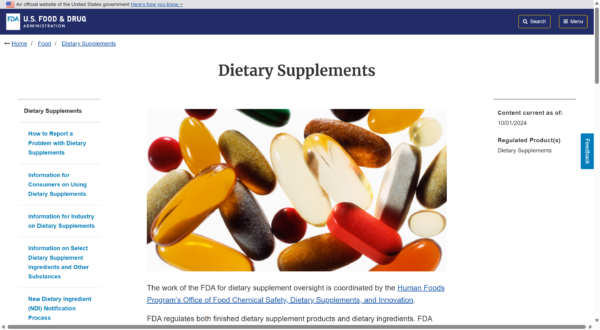
But the rules matter. The FDA dietary supplements page explains that manufacturers and distributors are responsible for evaluating product safety and labeling before marketing. FDA also says it can act against adulterated or misbranded products after they reach the market. The NIH Office of Dietary Supplements notes that dietary supplements are regulated differently from drugs and that drug-style claims to diagnose, cure, mitigate, treat, or prevent disease cannot legally be made for supplements.
This guide separates suppliers into three groups: supplement dropshipping platforms, supplement brands or private label manufacturers, and fulfillment partners. Each group solves a different problem. A platform helps you start faster. A manufacturer helps you build a brand. A fulfillment partner helps you ship at scale. The best choice depends on your stage.
What Type of Supplement Dropshipping Supplier Do You Need?
If you are starting from zero, use a supplement dropshipping platform or sourcing partner first. If you already have product-market fit, move toward private label manufacturing. If you already hold inventory and ship more than 100 orders per day, a supplement-friendly 3PL may save time and money.
|
Seller stage
|
Best supplier type
|
Why it fits
|
|
Beginner testing offers
|
Dropshipping platform
|
Low upfront cost, ready catalog, Shopify integration
|
|
Store with early sales
|
Sourcing and fulfillment partner
|
Better supplier control, packaging help, QC, flexible sourcing
|
|
Brand building private label
|
Contract manufacturer
|
Better margins, custom formula, brand ownership
|
|
Store with inventory
|
Supplement 3PL / fulfillment partner
|
Faster shipping, inventory control, lower per-order handling cost
|
|
Multi-product wellness store
|
Hybrid model
|
Use platform testing, private label winners, 3PL for scale
|
Important Compliance Notes Before You Sell Supplements in the USA
This article is not legal advice, but supplement sellers should know the basics before choosing a supplier.
FDA Rules for Supplement Sellers in the USA
The FDA regulates dietary supplements under a different framework than drugs. The supplier, manufacturer, brand owner, and distributor must take product quality seriously. The FDA says firms are responsible for making sure products are not adulterated or misbranded before marketing.
For ecommerce sellers, this means you should ask suppliers about:
-
Supplement Facts label
-
ingredient list
-
batch or lot tracking
-
expiration dates
-
cGMP manufacturing
-
certificate of analysis when available
-
allergen information
-
claim language
-
return and recall process
-
storage conditions
Claims Matter More Than Most Dropshippers Think
The NIH explains that dietary supplements cannot legally claim to diagnose, treat, cure, or prevent disease. This is important for product pages, ads, email campaigns, influencer scripts, and packaging. “Supports sleep quality” is very different from “cures insomnia.” “Supports joint health” is different from “treats arthritis.”
Bad claims can create ad account problems, payment processor issues, marketplace takedowns, and regulatory risk. A good supplier should not encourage reckless claims.
Comparison Table: Platforms, Brands, Manufacturers & Fulfillment Partners
Use this table to understand the role of each supplier type before choosing.
|
Supplier / Partner
|
Type
|
Best for
|
Private label
|
Shopify fit
|
Fulfillment role
|
Key caution
|
|
Supliful
|
Supplement dropshipping platform
|
Fast private label-style launch
|
★★★★☆
|
★★★★★
|
★★★★☆
|
Catalog limits and margins
|
|
Jubilee
|
Dropshipping platform
|
Beauty and wellness products
|
★★★☆☆
|
★★★★★
|
★★★★☆
|
Check supplement depth
|
|
Spocket
|
Supplier marketplace
|
US/EU product testing
|
★★☆☆☆
|
★★★★★
|
★★★★☆
|
Not supplement-specific
|
|
Syncee
|
Supplier marketplace
|
Supplier discovery
|
★★☆☆☆
|
★★★★★
|
★★★☆☆
|
Verify each supplier
|
|
DropCommerce
|
US/Canada supplier marketplace
|
Domestic products
|
★★☆☆☆
|
★★★★★
|
★★★★☆
|
Supplement range varies
|
|
Modalyst
|
Dropshipping marketplace
|
Fashion, beauty, lifestyle, some wellness
|
★★☆☆☆
|
★★★★☆
|
★★★☆☆
|
Supplier-by-supplier checks
|
|
FriendDropshipping
|
Sourcing and fulfillment partner
|
China sourcing, packaging, QC, fulfillment
|
★★★★★
|
★★★★☆
|
★★★★★
|
Best with clear product direction
|
|
Makers Nutrition
|
Contract manufacturer
|
Private label supplements
|
★★★★★
|
★★☆☆☆
|
★★★☆☆
|
MOQ and production timeline
|
|
NutraScience Labs
|
Contract manufacturer
|
Capsules, powders, gummies, private label
|
★★★★★
|
★★☆☆☆
|
★★★☆☆
|
Not a plug-in dropship app
|
|
SMP Nutra
|
Contract manufacturer
|
Custom supplement manufacturing
|
★★★★★
|
★★☆☆☆
|
★★★☆☆
|
Requires planning and budget
|
|
Vox Nutrition
|
Private label manufacturer
|
Private label supplement brands
|
★★★★★
|
★★☆☆☆
|
★★★☆☆
|
Better after product validation
|
|
ShipBob
|
Fulfillment partner
|
Ecommerce fulfillment
|
☆☆☆☆☆
|
★★★★★
|
★★★★★
|
Does not make supplements
|
|
ShipMonk
|
Fulfillment partner
|
DTC and marketplace fulfillment
|
☆☆☆☆☆
|
★★★★★
|
★★★★★
|
Inventory required
|
|
Red Stag Fulfillment
|
Fulfillment partner
|
Heavy, high-value, careful fulfillment
|
☆☆☆☆☆
|
★★★★☆
|
★★★★★
|
May not suit tiny catalogs
|
|
Shipfusion
|
Fulfillment partner
|
DTC brand fulfillment
|
☆☆☆☆☆
|
★★★★☆
|
★★★★★
|
Confirm supplement handling needs
|
Best Supplement Dropshipping Platforms in USA for Shopify Sellers
Supliful: Best for Fast Private Label-Style Supplement Dropshipping
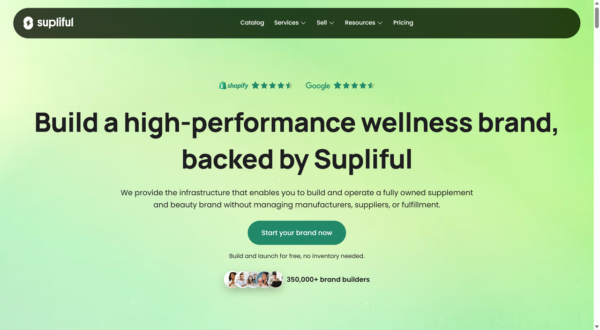
Website: https://supliful.com/
Supliful is one of the better-known supplement dropshipping platforms for creators and Shopify sellers. It lets sellers choose from a catalog of products, customize labels, and sell without holding inventory. This makes it attractive for beginners who want a supplement brand feel without placing a large manufacturing order.
The main advantage is speed. You do not need to manage a manufacturer, label printer, warehouse, and shipping process separately. For a first supplement store, that can save weeks or months.
The tradeoff is control. You are working inside a product catalog. Margins, formulas, packaging formats, and differentiation may be limited compared with full private label manufacturing.
Best for: creators, coaches, influencers, and Shopify sellers who want to test a supplement brand quickly.
Not ideal for: sellers who need custom formulas, unique packaging structures, or the lowest possible unit cost.
Jubilee: Best for Beauty and Wellness Dropshipping
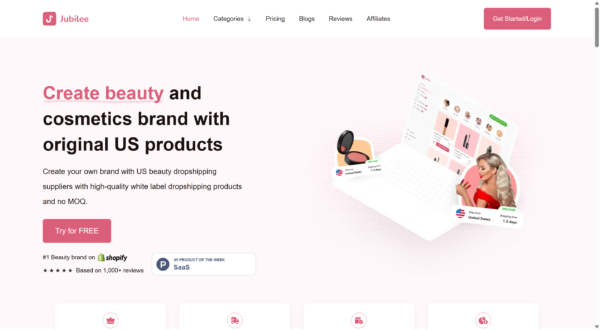
Website: https://www.jubilee.beauty/
Jubilee is often used for beauty, personal care, and wellness-style products. It can be useful for sellers building a wellness brand around beauty, self-care, or lifestyle products. Depending on the catalog, it may support products that sit close to supplement and wellness positioning.
The key is to check whether the exact product category fits your claims, margins, and customer expectations. Beauty and wellness customers often care about packaging, story, and brand trust.
Best for: beauty-wellness brands and creators testing lifestyle products.
Not ideal for: technical supplement brands that need deep product documentation or custom formulas.
Spocket: Best for US and EU Supplier Discovery
Website: https://www.spocket.co/
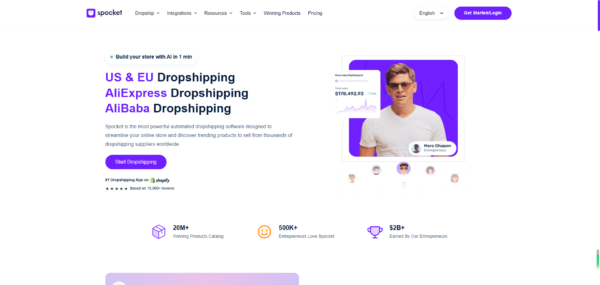
Spocket is a supplier marketplace with US and EU supplier options. It is not a pure supplement platform, but it can help Shopify sellers find products with better delivery times than generic overseas marketplaces.
For supplement dropshipping, use Spocket carefully. Check whether the supplier allows ecommerce resale, whether labels are clear, and whether health claims are appropriate. Spocket can be useful for testing wellness accessories, beauty products, and lifestyle products alongside supplements.
Best for: Shopify sellers testing wellness-adjacent products with US/EU delivery.
Not ideal for: sellers who want a dedicated supplement manufacturer.
Syncee: Best for Comparing Multiple Suppliers
Website: https://syncee.co/
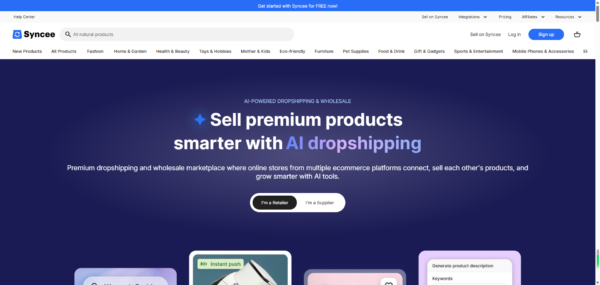
Syncee is a supplier marketplace and product import tool. It can help sellers compare suppliers, import products, and sync inventory. This is useful when you want to research multiple suppliers instead of committing to one catalog from day one.
For supplements, supplier verification matters. Syncee gives access and workflow, but you still need to check the supplier’s product quality, claims, fulfillment terms, and documentation.
Best for: sellers who want supplier discovery and product import in one workflow.
Not ideal for: sellers who want one fully managed supplement sourcing partner.
DropCommerce: Best for US and Canada Product Testing
Website: https://www.dropcommerce.com/
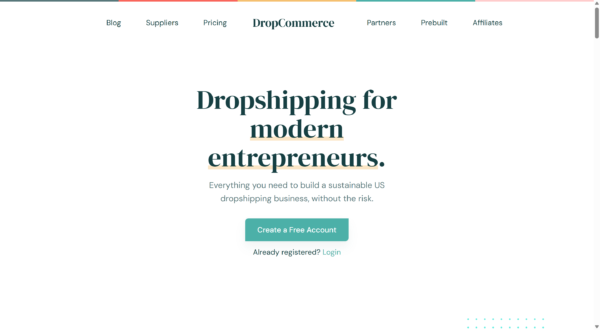
DropCommerce focuses on US and Canadian suppliers. It is useful for sellers who want domestic shipping and a more premium product feel. Its supplement selection may vary, but it can be useful for wellness accessories, lifestyle items, and related products.
For supplement sellers, DropCommerce can work as part of a wider product testing strategy. You may use it to test adjacent categories before investing in custom supplements.
Best for: Shopify sellers who want North American suppliers and faster delivery.
Not ideal for: sellers who need a large supplement-only catalog.
Modalyst: Best for Lifestyle and Wellness Product Expansion
Website: https://www.modalyst.co/
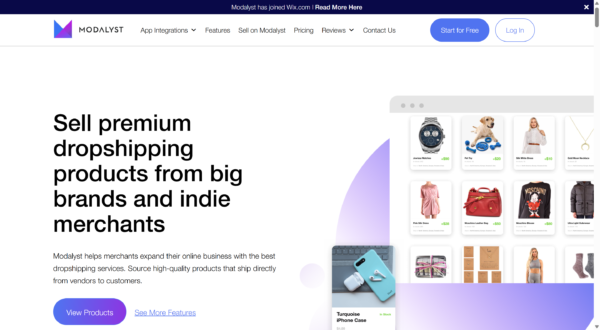
Modalyst is a dropshipping marketplace that has been used by sellers across fashion, beauty, accessories, and lifestyle categories. It can help a wellness store add related products.
For supplements, treat it as a discovery tool rather than a specialist supplier. Always verify supplier location, terms, quality, and product documentation.
Best for: stores expanding into beauty, self-care, and lifestyle wellness products.
Not ideal for: supplement-only stores that need strict cGMP documentation from day one.
Best Sourcing Partner for Supplement Dropshipping from China to the USA
FriendDropshipping: Best for End-to-End Sourcing, Packaging, QC and Fulfillment
Website: https://frienddropshipping.com/
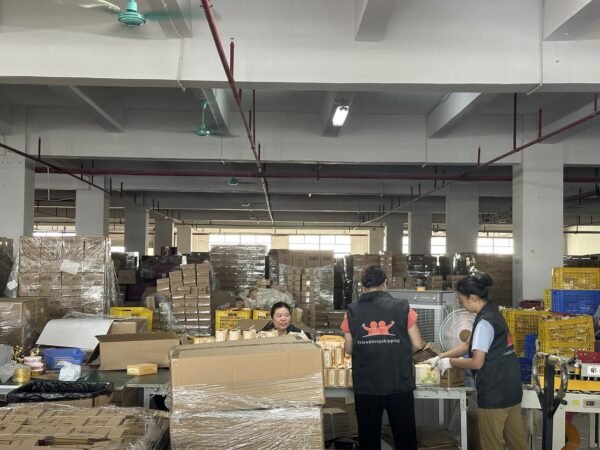
FriendDropshipping is not a catalog app. It is better positioned as a sourcing and fulfillment partner for sellers who need help finding factories, comparing suppliers, checking samples, arranging packaging, and shipping products.
This model can be useful for supplement sellers who want to move beyond generic catalog products. For example, you may want custom bottles, branded labels, inserts, bundle packaging, pet supplement packaging, or wellness product kits. If you try to coordinate all of that alone, you may need to speak with a supplement supplier, packaging factory, label vendor, warehouse, and shipping agent separately.
FriendDropshipping can help through Sourcing & Fulfillment, Customization & Private Pack, Quality Control, and Supplement Fulfillment.
Best for: sellers who want China sourcing support, custom packaging, quality checks, and fulfillment help.
Not ideal for: sellers who only want to install a Shopify app and publish a product in ten minutes.
Private Label Supplement Manufacturers in USA
Platforms help you start. Manufacturers help you build brand equity. Once a product proves demand, private label manufacturing can improve margins and differentiation.
Makers Nutrition
Website: https://www.makersnutrition.com/
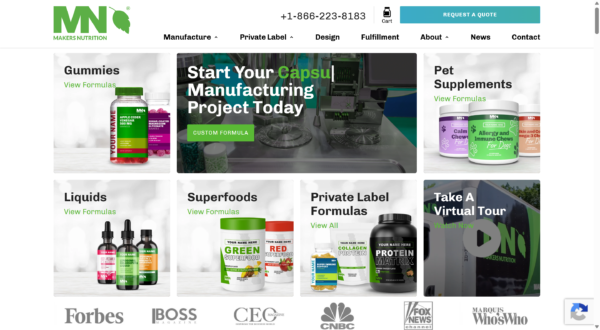
Makers Nutrition is a USA-based supplement manufacturer offering private label and contract manufacturing services. It can support many product formats, including capsules, powders, tablets, gummies, and packaging services.
This is not the same as basic dropshipping. You should expect production planning, MOQ, lead times, artwork approval, and more involvement. The benefit is control. You can build a real supplement brand instead of reselling a generic catalog product.
Best for: brands ready for private label supplements.
Not ideal for: beginners with no validated product idea.
NutraScience Labs
Website: https://www.nutrasciencelabs.com/
NutraScience Labs supports supplement manufacturing, packaging, and related services. It is a good fit for brands that want professional private label or custom manufacturing support.
For Shopify sellers, this kind of partner becomes more useful after validation. If you already know that magnesium gummies, creatine, collagen, or greens powder sells to your audience, a manufacturer can help you create a stronger version.
Best for: sellers moving from dropshipping to private label.
Not ideal for: sellers who want zero-inventory testing.
SMP Nutra
Website: https://smpnutra.com/
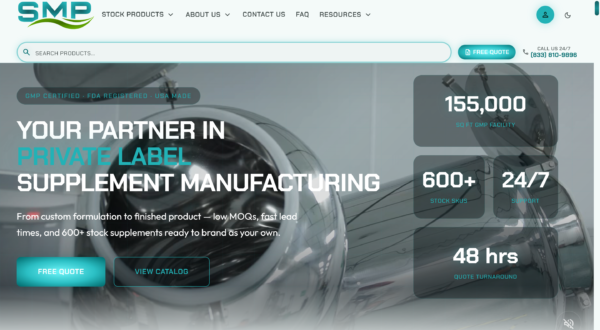
SMP Nutra is a supplement manufacturer that works with private label and custom supplement projects. It can support brand owners who need product development, manufacturing, packaging, and related services.
The key question is not “can they make supplements?” The key question is whether your store is ready for manufacturing. If you have no audience, no positioning, and no product validation, manufacturing may be too early.
Best for: supplement brands with product direction and budget.
Not ideal for: sellers still searching for a winning product.
Vox Nutrition
Website: https://www.voxnutrition.com/
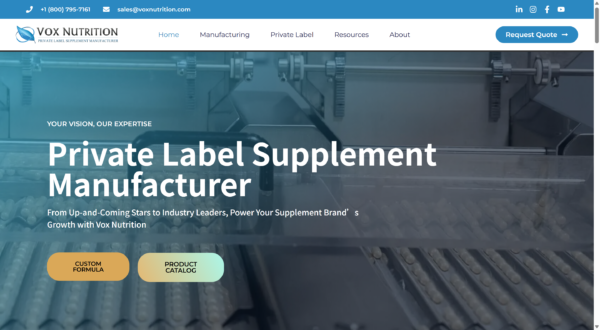
Vox Nutrition offers private label supplement manufacturing and product options for brands. It can be useful for sellers who want to build a branded supplement line with more control than a catalog dropshipping platform.
Private label gives you better brand ownership, but it also creates more responsibility. You must care about label accuracy, product claims, ingredient quality, batch control, and customer support.
Best for: sellers building a long-term supplement brand.
Not ideal for: one-product trend testing with no budget.
Supplement Fulfillment Partners and 3PLs in USA
Fulfillment partners do not manufacture supplements. They store inventory, pick and pack orders, ship to customers, process returns, and connect to ecommerce platforms. They become useful once you buy inventory from a manufacturer or sourcing partner.
ShipBob
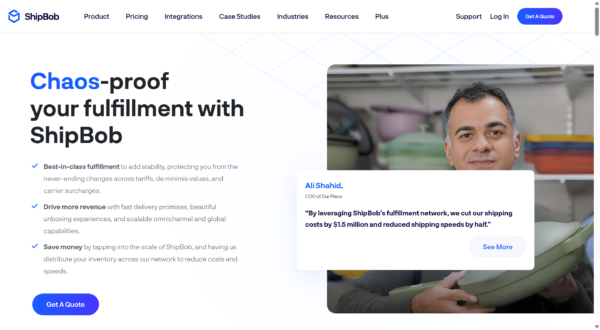
Website: https://www.shipbob.com/
ShipBob is a well-known ecommerce fulfillment provider. It supports DTC brands with warehousing, shipping, inventory management, and platform integrations.
For supplement sellers, ShipBob may make sense once you hold inventory and need faster delivery across the USA. Confirm storage needs, expiration handling, lot tracking needs, and any product restrictions before sending stock.
Best for: DTC supplement brands scaling order volume.
Not ideal for: sellers who have no inventory and need a product supplier.
ShipMonk
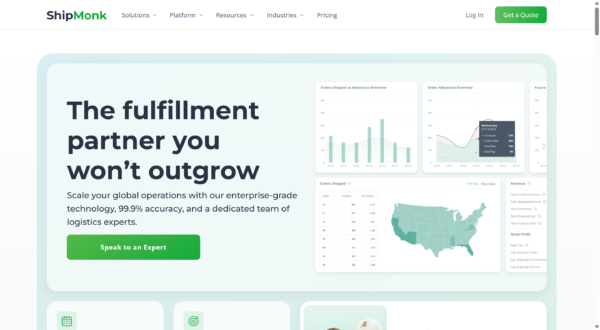
Website: https://www.shipmonk.com/
ShipMonk provides ecommerce fulfillment services for brands across many categories. It can support Shopify and marketplace sellers that need warehousing and order fulfillment.
For supplement brands, the important questions are inventory control, FIFO handling, returns, kitting, subscription boxes, and how the warehouse handles expiration dates.
Best for: supplement brands needing DTC fulfillment and kitting support.
Not ideal for: sellers looking for private label manufacturing.
Red Stag Fulfillment
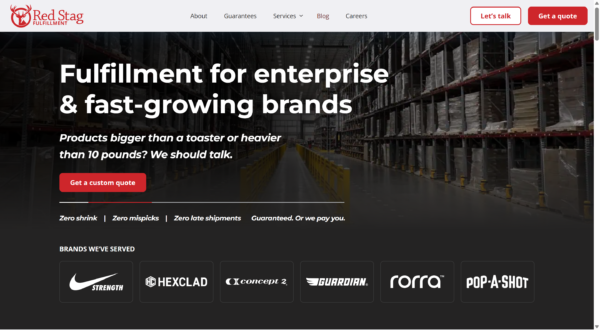
Website: https://redstagfulfillment.com/
Red Stag Fulfillment is known for careful fulfillment, especially for heavier or higher-value products. While many supplements are small and lightweight, some wellness brands sell bundles, powders, glass bottles, or higher-value kits that need accurate handling.
Confirm category fit before choosing any 3PL. A good fulfillment partner should understand your SKU count, order volume, storage conditions, and returns process.
Best for: brands that care about accurate fulfillment and careful handling.
Not ideal for: very early sellers with only a few test orders.
Shipfusion
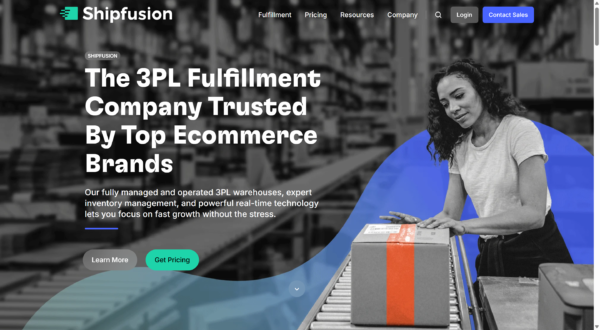
Website: https://www.shipfusion.com/
Shipfusion is another fulfillment provider used by ecommerce brands. It can support inventory storage, order fulfillment, and DTC operations.
For supplement brands, ask about inventory visibility, lot tracking workflows, expiration management, packaging inserts, subscription orders, and integration with Shopify.
Best for: growing DTC supplement brands with inventory.
Not ideal for: sellers who need a supplier catalog.
Platform vs Manufacturer vs Fulfillment Partner: Which Saves More Money?
The cheapest model depends on your stage. A platform may have higher unit cost but lower startup cost. A manufacturer may lower unit cost but requires MOQ and cash upfront. A 3PL may reduce handling time but only works after you own inventory.
|
Model
|
Startup cost
|
Unit cost
|
Control
|
Best time to use
|
|
Dropshipping platform
|
Low
|
Medium to high
|
Medium
|
Testing product and offer
|
|
Sourcing partner
|
Medium
|
Medium
|
High
|
Building a better supply chain
|
|
Manufacturer
|
High
|
Low at volume
|
Very high
|
After product validation
|
|
3PL fulfillment
|
Medium to high
|
Low handling at scale
|
High
|
After stable order volume
|
For a new store selling 10 orders per day, a platform or sourcing partner may save more money because it reduces mistakes. You avoid buying too much inventory too early. For a store selling 100+ orders per day of the same product, private label manufacturing plus 3PL fulfillment may reduce unit cost and improve delivery speed.
How to Choose Supplement Dropshipping Suppliers in USA
Check Product Quality and Documentation
Ask for product specifications, Supplement Facts, ingredient list, manufacturing information, COA when available, allergen details, expiration terms, and storage recommendations.
Check Fulfillment Speed
USA supplement buyers expect tracking and reasonable delivery speed. Slow delivery can hurt repeat purchase. If the supplier ships from overseas, be clear on delivery time.
Check Label and Claim Support
A supplier should not encourage disease claims. If the supplier gives you aggressive medical copy, be careful. Good suppliers understand that supplement claims need to be responsible.
Check MOQ and Scaling Path
Low MOQ is helpful for testing. But if the product wins, you need to know whether the supplier can scale. Ask about bulk pricing, production time, and packaging options.
Check Shopify and App Integration
If you are a Shopify seller, integration can save time. But integration is not everything. A perfect app with poor product quality is still a bad supplier.
Supplier Due Diligence Checklist for Supplement Dropshipping
Before you add a supplement supplier to your store, treat the first conversation like a quality interview. A weak supplier usually reveals itself early. Slow replies, vague labels, no batch information, unclear shipping times, and copy-paste answers are warning signs.
|
Question to ask
|
Why it matters
|
Good answer
|
|
Where is the product manufactured?
|
Helps judge quality, shipping, and compliance workflow
|
Clear facility and country information
|
|
Do you provide Supplement Facts and ingredient details?
|
Needed for product pages and labels
|
Complete label details before launch
|
|
Can you provide COA or testing documents when available?
|
Helps support quality checks
|
Supplier explains what documents are available
|
|
What is the expiration date policy?
|
Supplements can expire and need stock control
|
Clear shelf-life and lot handling
|
|
Do you allow Shopify dropshipping?
|
Some suppliers only allow wholesale resale
|
Clear ecommerce resale permission
|
|
What is the average delivery time in the USA?
|
Affects conversion, refunds, and reviews
|
Trackable delivery window
|
|
What claims can sellers use?
|
Reduces ad and compliance risk
|
Conservative structure/function language
|
|
Can packaging be customized later?
|
Helps scale into private label
|
Clear options for labels, bottles, cartons, inserts
|
|
What happens with damaged or lost orders?
|
Protects customer service
|
Written replacement or refund policy
|
|
Can you scale if orders grow?
|
Avoids stockouts after winning ads
|
Bulk pricing and production timeline
|
Example Cost Model: Platform vs Private Label vs 3PL
Many new sellers only compare product cost. That is too narrow. The real cost includes product cost, shipping, payment fees, returns, ad spend, customer support, and time spent managing suppliers.
Here is a simple example. A beginner sells a magnesium gummy through a dropshipping platform for $29.95. The product and fulfillment cost may be higher, but the seller does not buy inventory. That can be smart during testing. If the store gets 10 orders per day, the seller learns whether the offer converts without risking thousands of dollars in dead stock.
Now imagine the same product reaches 100 orders per day. At that point, paying a higher per-unit platform cost may hurt profit. A private label manufacturer could reduce unit cost, but it may require MOQ, label design, production time, and upfront cash. A 3PL could then ship the inventory faster and with better control.
|
Model
|
Example use case
|
Hidden cost
|
Best decision
|
|
Dropshipping platform
|
5-20 orders per day while testing
|
Higher unit cost
|
Keep testing until conversion is proven
|
|
Sourcing partner
|
20-100 orders per day or multiple products
|
Coordination and QC work
|
Use partner support to reduce mistakes
|
|
Private label manufacturer
|
Proven product with stable demand
|
MOQ, artwork, production lead time
|
Move to brand ownership
|
|
3PL fulfillment
|
Stable daily orders and inventory
|
Storage, pick fees, inventory planning
|
Use when faster shipping improves margin
|
The key is not to choose the “cheapest” supplier on day one. Choose the supplier that matches your risk level. Beginners need flexibility. Growing stores need control. Mature brands need margin, quality, and repeatable operations.
30-Day Testing Plan for a Supplement Dropshipping Store
If you are launching a new supplement store, avoid starting with ten random products. Pick one niche and test a focused offer. A store selling creatine, collagen, sleep gummies, probiotics, pet supplements, and skincare all at once can feel unfocused. A store built around one clear buyer problem is easier to explain.
Days 1-7: Research the Buyer and Product Angle
Choose one problem. Examples include sleep support, gym performance, gut health, beauty from within, joint support, or daily wellness. Study Amazon reviews, Reddit discussions, TikTok comments, Google Trends, and competitor product pages. Write down the words customers use. Good copy often comes from customer language, not supplier descriptions.
Days 8-14: Contact Suppliers and Order Samples
Contact at least three suppliers or platforms. Ask the due diligence questions above. Order samples where possible. Check taste, smell, packaging quality, label clarity, bottle seal, scoop quality, powder texture, gummy texture, and customer unboxing experience.
Days 15-21: Build the Offer
Create a product page with clear benefits, careful claims, FAQs, ingredients, usage guidance, shipping time, and trust elements. Do not overpromise. For supplements, trust sells better than hype. Add bundle options if the supplier supports them.
Days 22-30: Test Traffic and Measure Signals
Run small tests with organic content, email, influencer seeding, TikTok videos, or paid ads. Measure add-to-cart rate, checkout conversion, questions from customers, refund requests, and comments about price or trust. If people click but do not buy, the offer may need stronger proof or better pricing. If people buy but complain about delivery, you may need a better fulfillment model.
Best Supplement Products to Test in 2026
These categories are not guaranteed winners, but they have strong ecommerce fit because they connect to repeat purchase and clear consumer goals.
|
Category
|
Product examples
|
Why it can work
|
|
Sleep support
|
magnesium, melatonin-free sleep blends, calming gummies
|
Clear problem, repeat purchase
|
|
Fitness performance
|
creatine, electrolytes, protein powders
|
Strong creator and community demand
|
|
Beauty from within
|
collagen, hair/skin/nails gummies, biotin blends
|
Good content and subscription fit
|
|
Gut health
|
probiotics, digestive enzymes, fiber powders
|
Repeat purchase and broad audience
|
|
Women’s wellness
|
iron support, cranberry, hormonal wellness blends
|
Niche targeting potential
|
|
Healthy aging
|
CoQ10, omega-3, joint support, vitamin D
|
Strong older buyer segment
|
|
Daily essentials
|
multivitamins, vitamin D3 + K2, greens powders
|
Easy bundle and subscription model
|
Conclusion: Choose the Supplier Model That Matches Your Stage
The best supplement dropshipping supplier in the USA is not the same for every seller. A beginner needs speed, low risk, and a simple way to test products. A growing Shopify store needs better packaging, quality control, and supplier communication. A mature supplement brand needs stronger margins, reliable inventory planning, and a fulfillment partner that can ship orders accurately.
If you are still testing demand, a supplement dropshipping platform can help you launch faster. If you already know what your customers want, a sourcing partner or private label manufacturer can help you build a stronger brand. If your daily order volume is stable, a supplement-friendly 3PL can help improve delivery speed and operations.
The smartest path is usually not to jump straight into bulk inventory. Start with product validation. Check supplier documents. Keep claims careful. Order samples. Test one clear offer. Then move into better sourcing, custom packaging, and fulfillment when the numbers support it.
Supplement dropshipping can be profitable, but it rewards sellers who treat it like a real wellness business, not a quick product flip. The stores that win are usually the ones that combine a clear niche, trustworthy products, responsible claims, strong supplier control, and a fulfillment setup that customers can rely on.
FAQs About Supplement Dropshipping Suppliers in USA
1. What are the best supplement dropshipping suppliers in USA?
The best option depends on your stage. Supliful is useful for fast private label-style supplement dropshipping. Spocket, Syncee, DropCommerce, and Modalyst can help with supplier discovery. FriendDropshipping is useful for sourcing, packaging, QC, and fulfillment. Makers Nutrition, NutraScience Labs, SMP Nutra, and Vox Nutrition are better for private label manufacturing.
2. Can I dropship supplements legally in the USA?
Yes, but you must follow supplement labeling, claims, advertising, and product safety rules. The FDA does not approve supplements like drugs before sale, but firms are responsible for safety and labeling before marketing.
3. Do I need FDA approval to sell supplements?
In most cases, dietary supplements are not FDA-approved before sale like drugs. But this does not mean there are no rules. Labels must be truthful, products must not be adulterated or misbranded, and claims must be handled carefully.
4. What is the easiest supplement dropshipping platform for Shopify?
Supliful is one of the easiest for supplement-specific private label-style dropshipping. Spocket, Syncee, DropCommerce, and Modalyst can also help with product discovery, but they are broader marketplaces.
5. What is the difference between dropshipping and private label supplements?
Dropshipping usually means selling products without holding inventory. Private label means selling products under your own brand. Some platforms combine parts of both, but full private label usually requires manufacturing, MOQ, and packaging work.
6. Are supplement dropshipping margins good?
They can be good, but margins depend on product cost, shipping, ads, returns, platform fees, and repeat purchase. Cheap product cost alone does not guarantee profit.
7. What supplements are good for dropshipping?
Common categories include magnesium, creatine, collagen, probiotics, electrolyte powders, greens powders, multivitamins, vitamin D, beauty gummies, and joint support. Always check claims and documentation.
8. Should I use a USA supplier or source from China?
USA suppliers can offer faster domestic delivery and easier trust signals. China sourcing can offer more packaging flexibility and lower costs at scale. Many sellers test with one model and scale with another.
9. Can FriendDropshipping help with supplement sourcing?
Yes. FriendDropshipping can help with supplier sourcing, packaging coordination, quality control, and fulfillment workflows for supplement and wellness products.
10. When should I move from dropshipping to a 3PL?
Move to a 3PL when you have stable sales, predictable inventory needs, and enough order volume to justify holding stock. Many sellers consider this after they pass 50 to 100 orders per day.
11. Can I sell supplements on Amazon?
Yes, but Amazon has category rules, documentation requirements, listing policies, and compliance expectations. Check Amazon’s current policies before listing.
12. Are gummies better than capsules for dropshipping?
Gummies can be more appealing visually and taste better, but they may have higher manufacturing complexity, heat sensitivity, and packaging requirements. Capsules are often simpler.
13. What should I ask a supplement supplier before working with them?
Ask about MOQ, manufacturing location, cGMP status, Supplement Facts, COA availability, expiration dates, batch tracking, fulfillment speed, return process, and claim guidance.
14. Can I make custom supplement packaging?
Yes. Custom packaging is possible through private label manufacturers, packaging suppliers, or sourcing partners. It usually requires more planning than basic catalog dropshipping.
15. What is the biggest risk in supplement dropshipping?
The biggest risk is selling a product you do not understand with weak documentation and aggressive claims. Quality, labeling, and customer trust matter more in supplements than in most dropshipping categories.
Table of Content

I’m Cassiel. I’ll help you scale your Shopify business with reliable fulfillment.
Join to newsletter.
Follow us and get more knowledge.