You can spend a whole day in Yiwu Market and come away with 200 photos, sore feet, and no supplier you would trust with an order. The place is enormous. Every aisle seems to have something that might sell, which makes it easy to forget what you came to buy.

A useful first visit starts with a short product list. You go to the right district, compare the same item across several booths, and leave with written details you can check later. A bargain sticker on a display shelf is only the beginning of the price.
If you run an online shop, buy for a retail store, or want to test a new category, plan the visit around the order you hope to place. Market layouts, hours, and trade rules can change. Check the operator and your destination’s current requirements before traveling or paying a supplier.
What Yiwu is good for, and what it cannot settle for you
Yiwu International Trade City, often called Yiwu Market or Futian Market, is a large wholesale market for small commodities. Think gifts, bags, stationery, home goods, accessories, toys, and many related categories. It is useful when you want to see materials and variations in person, compare several sellers quickly, or build a mixed product range.
It is less useful as proof that every booth makes its own products. Some booths represent factories; others are traders, brand showrooms, or distributors. The person behind the counter may know the production line well, or may need to ask someone else. Neither situation automatically disqualifies a supplier. You do need to know who controls production, who invoices you, and who will fix a quality problem.
If you need a highly engineered part, a certified medical device, or a very specific factory process, the market may help with discovery but not complete the technical vetting. For a first visit, judge success by the quality of your shortlist and samples, not by how many bags you carry back to the hotel.

Use the current six-district map as your starting point
The operator’s Chinagoods district overview lists Districts 1–6, along with Huangyuan Market and the International Production Materials Market. Older online maps may stop at District 5. District 6, the Global Digital Trade Center, opened in October 2025. The categories below are broad signposts; booths and floors can move.
| Area | Good starting categories | First question to ask there |
|---|---|---|
| District 1 | Jewelry, toys, handicrafts, artificial flowers and accessories | Which material and age range does this exact toy or accessory use? |
| District 2 | Bags, umbrellas, hardware, kitchen and bathroom goods, small appliances | Is the quoted version the same size and finish as the display sample? |
| District 3 | Cosmetics, stationery, office goods, eyewear | Which ingredient, labeling or product records are available for my market? |
| District 4 | General merchandise, shoes, socks, scarves, hats, underwear | Can I mix sizes or colors within the minimum order? |
| District 5 | Imported goods, bedding, pet supplies, auto parts | Is this item stocked for export, and where would an order ship from? |
| District 6 | Jewelry, trendy toys, medical-aesthetics-related products, AR/VR smart devices | Who owns the design or brand, and what documents cover the exact item? |
Huangyuan Market is another useful stop for clothing. The International Production Materials Market serves a different hunt, including machinery, fabrics and components. They are not simply extra floors of the main six-district walk.
Do not plan a day by district number alone. Search the operator’s online market, save a booth address, floor and gate, then confirm the location with the seller. If you want stationery, starting in a toy aisle because it looked lively on a video is a poor use of your morning.

Plan the trip before you book a full market day
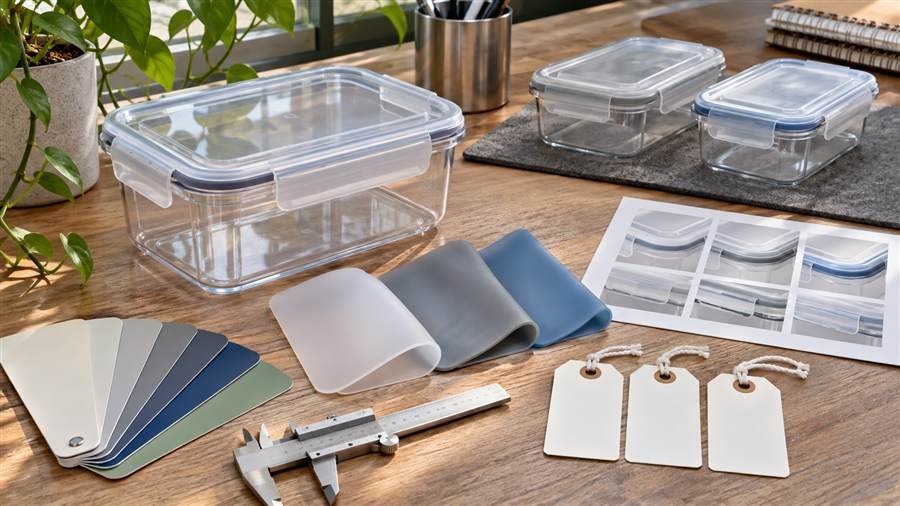
Make a one-page brief for each product family. Include a photo or sketch, target material, dimensions, color, packaging, destination country, likely order quantity, and target delivered cost. “Nice storage box” is too vague; “clear 1-liter food-contact container with a snap lid, packed as a set of two” gives a seller something to quote.
Pick two or three categories, not ten. For a first two-day visit, you could spend the first morning on the highest-priority district, the afternoon comparing a second group of booths, and the next day returning for samples and written quotes. Leave time to walk between gates and revisit a seller.
Check opening hours and holiday arrangements close to departure on the market operator’s current pages or with the booths you intend to visit. The schedule can differ around holidays and seasonal closures. Confirm transport and any travel-entry requirements through the relevant official channels; they depend on your nationality and travel date. A translation app, reliable mobile connection, comfortable shoes, and a way to store booth photos are more useful than a heroic itinerary.
Before arrival, ask shortlisted sellers whether samples are available and whether you need an appointment. A market booth may be busy, and the person able to discuss custom production may not be there all day. Arrange a local meeting point if you are bringing an interpreter or sourcing partner.
At the booth, get a quote you can compare later
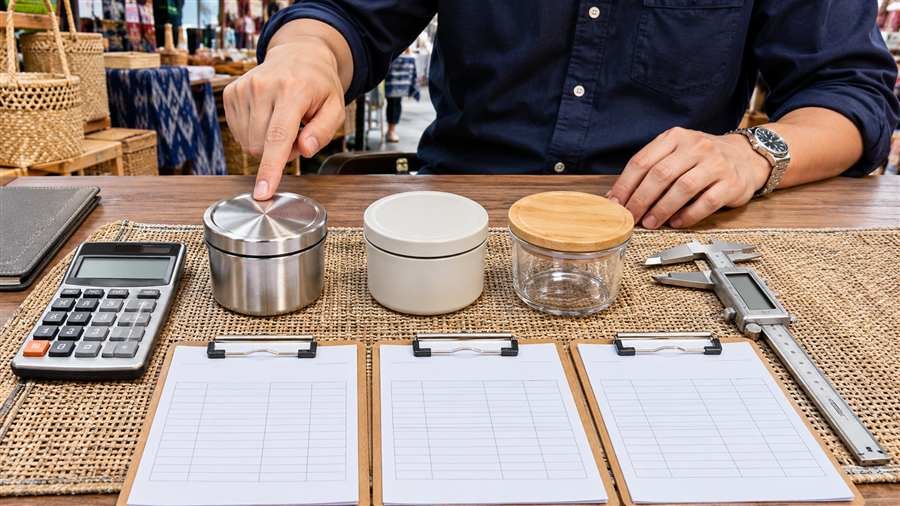
A booth can show you six versions of one item in thirty seconds. That is handy, but it makes price comparisons slippery. Ask the seller to write the exact version beside the price: material grade, dimensions, finish, components, unit packing, color mix, and quantity tier. Photograph the item only with permission and give the photo a matching booth code in your notes.

Quantity, materials and customization
MOQ means minimum order quantity. Ask whether it applies per design, color, size, or total order. “MOQ 500” could mean 500 mixed items or 500 of each color. Those are very different cash commitments.
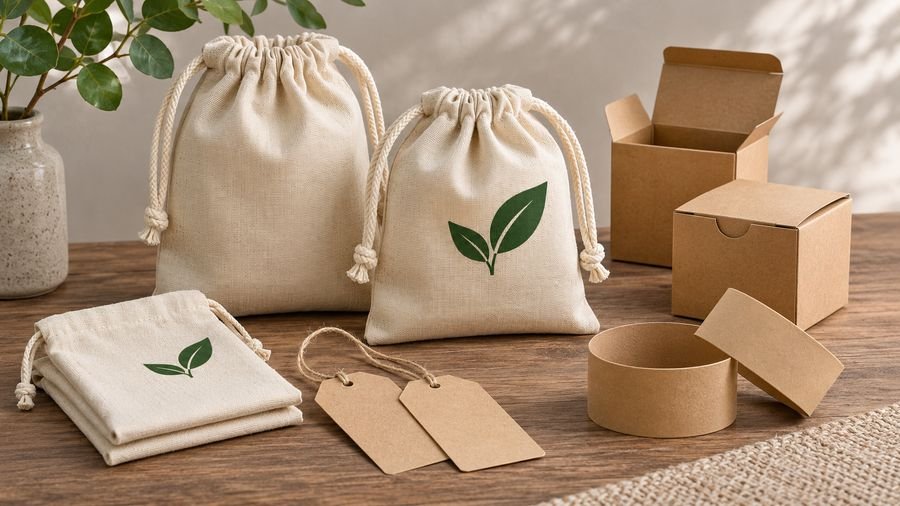
For materials, request a specific answer. Is the metal stainless steel, plated steel, or aluminum? Is the fabric cotton, polyester, or a blend? For a printed box, ask the board grade and finish. A quick squeeze of a sample can reveal a lot, but it cannot replace a written specification. If you want your logo, ask what changes in price, lead time, tooling and minimum quantity.
The seller behind the display
Ask who produces the goods and who will issue the invoice. A trading company can be excellent at coordinating several factories; a factory can be excellent at production but weak at mixed-category packing. Match the partner to the work you need. Request the business name in writing, the contact person, and a purchase reference you can use later.
If a booth says it is a factory, ask where the production site is and what part of the product it makes. A showroom photo is not a factory audit. For an important first order, verify the company and, where the risk justifies it, arrange a site visit or independent inspection.
Sample, lead time and quote validity
Can you buy one sample? What does it cost, and can the sample charge be credited against a later order? Ask whether the sample is current production or a showroom piece. Put the sample’s code and any changes into your notes. A seller might quote a different price after a material, quantity or packaging change; ask how long the written quote stays valid.
“Ready next week” needs a follow-up: ready to leave the factory, ready at a Yiwu warehouse, or ready for international dispatch? Ask about production lead time, domestic delivery, and the date the balance is due. They are separate clocks.
Keep booth notes that survive the flight home
After six similar booths, memory is no help. Use a small table on your phone or notebook. It should let you compare the same product and identify the actual seller two weeks later.
| Record | What to capture |
|---|---|
| Seller | Business name, contact, district, floor, gate and booth |
| Exact item | Photo reference, version, material, dimensions and color |
| Commercial terms | Currency, price tiers, MOQ, sample cost and quote date |
| Production | Stock claim, production lead time and substitution rule |
| Pack and freight | Units per carton, carton dimensions, gross weight, packing type |
| Evidence | Product reports, labels, test records and who supplied them |
| Next action | Sample order, follow-up question, factory check or decline |
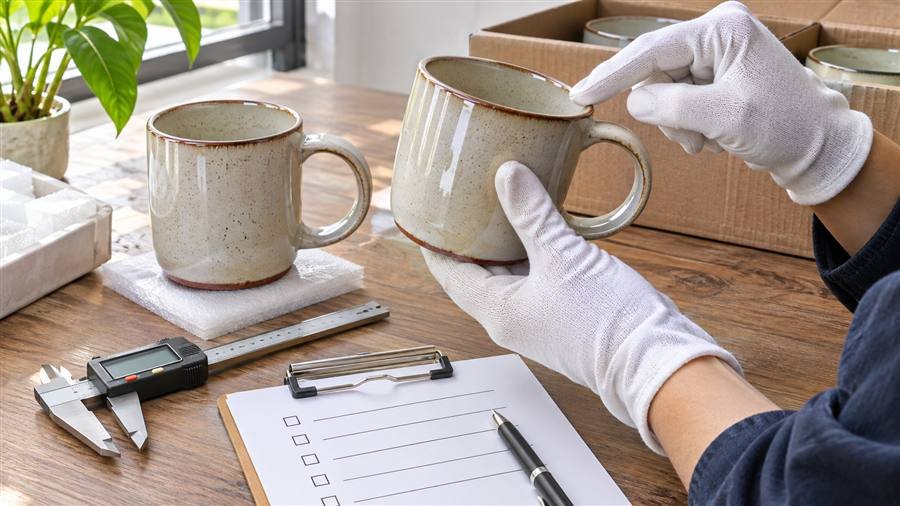
Say you find two ceramic mugs that look alike. One seller’s quote includes a protective inner box and the other lists a bare mug. The cheaper mug may cost more after you add breakage protection and freight. Ask both sellers for a packed sample and carton dimensions. Now you can compare an order you might actually ship.
The booth number is especially useful. The market is not a small neighborhood shop where “the lady with the blue vases” will get you back to the right counter.
Approve a sample before placing the first real order
Take or ship home the exact sample you intend to approve. Check its appearance, dimensions, finish, function, packaging and any claims you plan to make online. Keep one reference sample or a clear inspection record. If the sample changes, approve the new version before the seller produces or ships it.
A purchase order should repeat the item specification, variant quantities, packing rule, accepted sample reference, price, payment milestones, delivery point and target dates. Define what happens if the supplier cannot supply the agreed material or color. Silent substitution is a common way for a good showroom sample to turn into a disappointing batch.
Discuss payment before paying. Some sellers request a deposit and balance before shipment; others use different terms. There is no one schedule for every product or seller. Confirm the legal payee and account details through a trusted channel, use a written invoice, and decide when inspection happens relative to the final payment. A photo of sealed cartons does not prove the contents match your sample.
For a first order, inspection can be scaled to risk. A simple visual check may suit low-value plain goods. Fragile, branded, electrical or safety-sensitive products may need more detailed sampling or testing. FriendDropshipping’s quality-control service explains why the inspection scope should be defined before goods arrive, rather than after a defect is found.
Calculate the delivered cost, not just the booth price
The booth’s unit price is one row. Your real cost can also include domestic freight to a consolidation point, inspection, packaging changes, warehousing, export handling, international freight, insurance, import duty, tax and last-mile delivery. Which rows apply depends on your contract and destination.
The delivery term matters. The ICC’s Incoterms® 2020 rules allocate transport costs, risk transfer and certain responsibilities between buyer and seller. An EXW factory price and a delivered quote are not prices for the same job. Write the chosen rule, named place and version into the agreement; ask your freight partner to explain any line you do not understand. A seller saying “DDP shipping” in a chat is not a full description of who does what.
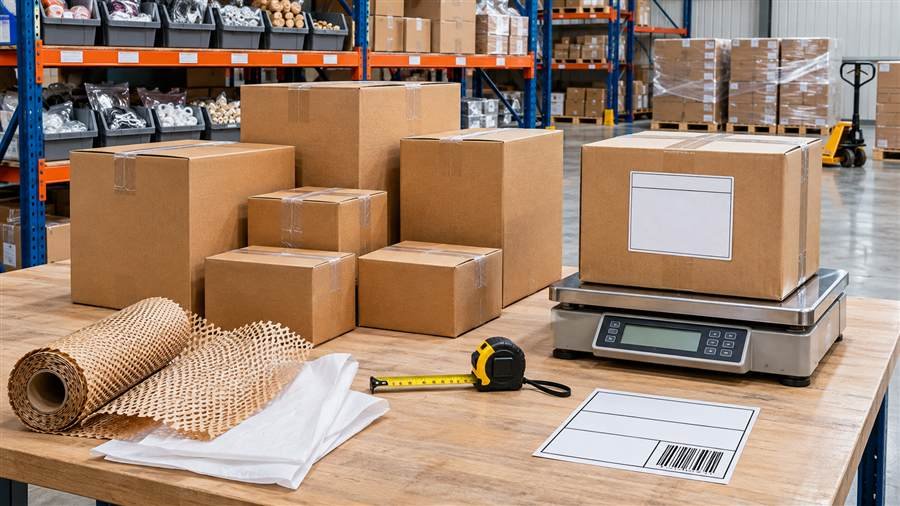
If you buy from several booths, a local warehouse can receive, check and combine goods before export. Consolidation may save parcel handoffs, but it adds receiving, storage and handling work. Ask for the packed weights and dimensions and a quote for the actual destination. Warehousing and consolidation are useful when mixed suppliers would otherwise ship separately.
For an online store, decide whether goods will move in a bulk shipment to your own warehouse, to a third-party logistics provider, or one customer parcel at a time. Those are different cost and inventory models. Dropshipping fulfillment may fit a tested product that needs ongoing one-piece dispatch; it does not make an untested booth item ready to sell tomorrow.
Check product standards for the market where you sell
Do this before you pay for stock. A toy for children, a cosmetic, a charger and a food-contact container do not share one approval checklist. Requirements depend on the product, claims, age group and destination. Ask for documents tied to the exact model and manufacturer, then check whether the documents cover your intended market. A PDF for a similar-looking item is not enough.
For US children’s toys, applicable CPSC rules include the mandatory toy standard and certification requirements for the responsible manufacturer or importer. EU products may face different safety, labeling and responsible-person rules. Batteries can change carrier eligibility. Bring these questions into the booth conversation early, then have a qualified importer, test lab or adviser confirm what applies to your item. A market seller’s “export quality” phrase is not a regulatory clearance.
Testing, compliant labels, safer packaging and rejected units belong in the commercial plan. A low unit price is little help if you cannot legally or reliably sell the item.
When a local sourcing partner earns its fee
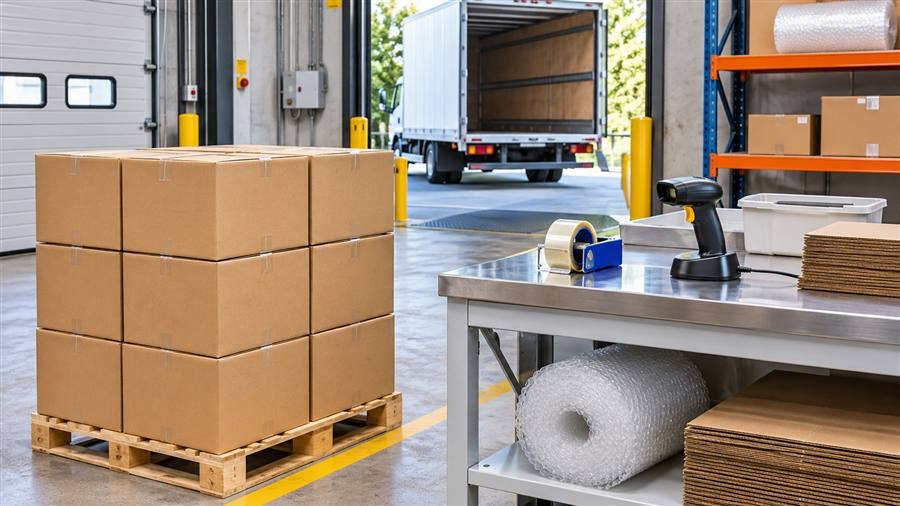
You can walk Yiwu on your own. A local partner becomes useful when you need translation, cross-booth comparison, supplier follow-up, sample control, inspection, consolidation or continuing fulfillment. Ask the partner exactly what is included and who approves substitutions or extra charges. An agent should make the chain easier to see, not create another mystery invoice.
FriendDropshipping’s Yiwu sourcing service covers supplier coordination near the market and can connect approved products to fulfillment work. If you are considering a partner, start with one real product brief and a destination. Request a written scope and a pilot quote. Then judge the sample, packing and landed cost before scaling.
Conclusion
For a first Yiwu visit, choose your product categories before you choose an aisle. Use the current six-district map to find likely booths, then record exact versions and comparable quotes. Take the sample seriously. A clear purchase order, inspection plan and delivered-cost quote are what turn a good market find into a product you can actually sell.
FAQs
Is Yiwu Market open to first-time foreign buyers?
Yes. You can visit and talk with market sellers without already being a large importer. Check current travel requirements and market opening arrangements before departure.
How many districts does Yiwu International Trade City have now?
The operator lists six districts. Many older guides describe only the original five; District 6 is associated with the Global Digital Trade Center opened in 2025.
Which district has toys, bags, stationery or home goods?
Start with District 1 for toys, District 2 for bags and many home or hardware items, and District 3 for stationery. Use the operator’s current directory for the exact floor and booth.
Is Huangyuan Market part of the same complex?
It is a separate Yiwu market area, useful for clothing. Plan the transfer rather than treating it as another floor of International Trade City.
How many days should I allow for a first sourcing trip?
Two focused market days can support a small category shortlist. Add time if you need factory visits, many product categories or detailed sample reviews.
Do booths sell one sample?
Many sellers can provide a paid sample, but terms vary. Ask whether the exact variant is available and whether the sample charge can be credited later.
What does MOQ mean at Yiwu Market?
It is the minimum quantity for a purchase. Confirm whether it applies per design, color, size or total order, especially for custom work.
Are Yiwu booth owners factories?
Some are; others are traders or showrooms. Ask who manufactures the item, who invoices you and who handles a quality claim.
Can I negotiate prices?
Often, but compare the same material, quantity, packaging and delivery term. A lower quote with different specifications is not a genuine saving.
What should I write down at each booth?
Record the business and booth location, exact product version, material, price tiers, MOQ, sample cost, lead time, carton data and next action.
Can goods from different Yiwu suppliers ship together?
They can be received at a consolidation point and packed for one onward shipment when timing, product compatibility and export arrangements allow. Include receiving and handling in the cost.
Should I pay in full before inspection?
Payment terms vary. Agree in writing on the inspection point, balance due date, legal payee and what happens if goods fail the agreed check.
How do I check product rules for my country?
Start with the exact item, manufacturer, intended use and destination. Request model-specific reports and labels, then confirm requirements with the relevant authority, importer, test lab or qualified adviser.
What is the difference between an EXW price and a delivered quote?
They allocate different transport work and risk. Ask for the Incoterms® rule, named place and a line-by-line cost explanation before comparing totals.
Do I need a Yiwu sourcing agent for my first order?
Not always. An agent can help when language, supplier follow-up, inspection or consolidation would otherwise be difficult. Compare the fee with the work and evidence included.
Table of Content

I’m Cassiel. I’ll help you scale your Shopify business with reliable fulfillment.
Join to newsletter.
Follow us and get more knowledge.