
For dogs, the broadest-selling private label categories are generally joint and mobility, probiotics and digestive support, skin and coat products, calming chews, and multivitamins. Dogs have a large supplement audience, and flavored soft chews make daily use relatively convenient.
For cats, the strongest categories are generally urinary support, hairball products, digestive probiotics, skin and coat products, and multivitamin or taurine formulas. Cat supplements require more attention to species-specific formulation, palatability, and formats that can be mixed into wet food.
This article presents two separate rankings:
-
Top 10 private label supplements for dogs
-
Top 10 private label supplements for cats
The rankings use relative demand levels rather than invented sales figures. There is no complete audited public database reporting unit sales for every private label category across Amazon, Chewy, veterinary clinics, supermarkets, Shopify stores, and independent retailers.
Our demand estimates consider:
-
Category visibility across major retailers
-
Number and variety of competing products
-
Breadth of the customer need
-
Repeat-purchase potential
-
Subscription suitability
-
Search and content demand
-
Availability of private label manufacturing
-
Ease of daily administration
-
Ability to extend into bundles
The American Pet Products Association projects $165 billion in total U.S. pet industry sales for 2026, including $69.7 billion for pet food and treats and $35.6 billion for supplies, live animals, and over-the-counter medicine. These figures show the scale of the wider pet economy but are not supplement-only sales. See APPA’s official Industry Trends and Statistics.
Important: Product purposes in this article describe common commercial positioning, not treatment claims or veterinary advice. Product status depends on ingredients, intended use, claims, species, and market.
Dog vs Cat Supplement Market: Key Differences
| Factor | Private Label Dog Supplements | Private Label Cat Supplements |
| Addressable audience | Generally larger | Smaller but highly specialized |
| Leading format | Flavored soft chews | Powders, pastes, liquids, small chews |
| Administration | Often treat-like | Frequently mixed into wet food |
| Major categories | Joint, digestive, skin, calming | Urinary, hairball, digestive, skin |
| Palatability challenge | Important | Usually critical |
| Variant opportunities | Breed size, age, activity | Life stage, indoor, senior, urinary |
| Typical bundle strategy | Joint + omega; probiotic + multivitamin | Urinary + probiotic; hairball + skin |
| Main fulfillment risk | Heat-sensitive chews | Product refusal, leaking pastes, fine powders |
Dog and cat products should not be treated as interchangeable. Ingredient suitability, dosage, flavor, serving directions, and safety can differ by species.
Top 10 Best-Selling Private Label Supplements for Dogs

Dog Category Ranking
This dog supplement ranking is based on Amazon sales signals, not general market opinion. We reviewed common private label dog supplement categories by looking at Amazon marketplace indicators such as bestseller visibility, review volume, product count, recurring purchase behavior, keyword competition, and how frequently each category appears among high-performing dog supplement listings.
Because Amazon does not publicly disclose exact unit sales for every listing, this ranking should be treated as an Amazon-based market estimate, not a guaranteed sales report. The goal is to help private label sellers understand which dog supplement categories show stronger demand and repeat-purchase potential on Amazon before choosing a product direction.
Amazon Data Methodology for This Ranking
The rankings below are based on Amazon sales signals, not Amazon’s private internal sales data. Amazon does not publicly disclose exact unit sales for every product, so this article uses observable marketplace signals to estimate category strength.
The main data sources include Amazon search result pages, Amazon Best Sellers visibility, review volume, product count, keyword competition, average product positioning, and repeat-purchase logic. These signals help sellers understand which pet supplement categories show stronger visible demand and which categories may support recurring purchases.
The scores are planning scores, not guaranteed sales results. Sellers should still validate each category with their own keyword tools, supplier quotations, landed cost, ad testing, and compliance review before launching a private label product.
Dog Supplement Data Table 1: Amazon Ranking Signal Framework
| Amazon Signal | What We Checked | Why It Matters | How It Affects Ranking |
| Amazon search visibility | Whether the category appears frequently for searches such as “dog joint supplement,” “dog probiotic,” “dog calming chews,” and “dog skin and coat supplement” | High search visibility suggests customers are actively looking for the product type | Categories with stronger search presence receive higher demand scores |
| Bestseller presence | Whether products in the category appear in Amazon Best Sellers, high-ranking organic results, or sponsored placements | Bestseller visibility suggests stronger sales movement and category maturity | Categories with repeated bestseller presence rank higher |
| Review depth | Number and quality of reviews across top products in the category | High review volume usually indicates historical sales activity and customer engagement | Categories with deeper review pools receive stronger demand scores |
| Product count and competition | Number of competing listings and private label brands in the category | A larger product pool suggests proven demand, but also higher competition | Strong categories rank higher, but sellers should still evaluate competition |
| Repeat-purchase logic | Whether the product is typically consumed daily or routinely | Daily-use products are more suitable for subscriptions and reorder campaigns | Categories with stronger reorder behavior receive higher repeat-purchase scores |
| Private label fit | Whether the category can be customized through formula, flavor, chew type, packaging, bundle, or serving count | Strong private label fit gives sellers more room to differentiate | Categories with more branding and packaging flexibility score higher |
| Claim risk | Whether the category is close to disease-treatment or medical claims | Higher claim risk can increase compliance difficulty | Higher-risk categories require more conservative positioning |
Dog Supplement Data Table 2: Amazon-Based Category Scoring
| Rank | Dog Supplement Category | Search Visibility | Bestseller Presence | Review Depth | Repeat-Purchase Score | Private Label Fit | Overall Amazon Opportunity |
| 1 | Joint and mobility | ★★★★★ | ★★★★★ | ★★★★★ | ★★★★★ | ★★★★★ | Very High |
| 2 | Probiotic and digestive | ★★★★★ | ★★★★★ | ★★★★★ | ★★★★★ | ★★★★☆ | Very High |
| 3 | Skin, coat, and omega | ★★★★★ | ★★★★★ | ★★★★☆ | ★★★★★ | ★★★★★ | Very High |
| 4 | Calming | ★★★★☆ | ★★★★☆ | ★★★★☆ | ★★★★☆ | ★★★★★ | High |
| 5 | Multivitamin | ★★★★☆ | ★★★★☆ | ★★★★☆ | ★★★★★ | ★★★★☆ | High |
| 6 | Skin-sensitivity products | ★★★★☆ | ★★★★☆ | ★★★★☆ | ★★★★☆ | ★★★★☆ | High |
| 7 | Dental and oral care | ★★★★☆ | ★★★★☆ | ★★★☆☆ | ★★★★☆ | ★★★★☆ | High |
| 8 | Immune support | ★★★☆☆ | ★★★☆☆ | ★★★☆☆ | ★★★★☆ | ★★★★☆ | Medium-High |
| 9 | Senior dog wellness | ★★★☆☆ | ★★★☆☆ | ★★★☆☆ | ★★★★★ | ★★★★☆ | Medium-High |
| 10 | Eye and vision support | ★★★☆☆ | ★★★☆☆ | ★★★☆☆ | ★★★★☆ | ★★★☆☆ | Medium |
How to Read the Dog Data
Joint and mobility, probiotics, and skin/coat products rank highest because they combine strong Amazon visibility, deep review pools, daily-use behavior, and clear customer problems. These categories are attractive for private label sellers, but they are also competitive.
Calming, multivitamin, skin-sensitivity, and dental products are still strong opportunities, especially for brands that can create a clear angle through flavor, format, breed focus, packaging, or bundle strategy.
Senior wellness, immune support, and eye support may work better for more focused brands because the search volume can be narrower, but repeat-purchase potential can still be meaningful when the product fits the customer’s pet care routine.
How We Scored Each Dog Supplement Category
We used two main scoring dimensions:
Relative Sales Demand
This score reflects how strong the category appears on Amazon based on bestseller presence, number of active listings, review depth, keyword visibility, and how often products in the category appear in competitive search results.
Repeat-Purchase Potential
This score reflects how likely customers are to buy the product repeatedly. Daily-use products such as joint chews, probiotics, skin and coat supplements, and multivitamins usually score higher because customers may reorder every month or subscribe.
The star ratings are for product planning only. A high score does not guarantee that a new seller can easily rank or profit. Before launching, sellers should still validate keyword volume, ad cost, review competition, pricing, MOQ, formula documents, claim risk, and fulfillment cost.
| Rank | Dog Supplement Category | Commonly Marketed Purpose | Amazon Sales Signal | Relative Sales Demand | Repeat-Purchase Potential |
| 1 | Joint and mobility | Normal mobility and joint function | Joint and mobility products are highly visible on Amazon, especially soft chews for senior dogs, large breeds, and active dogs. Many listings have deep review counts and strong bestseller positioning. | ★★★★★ | ★★★★★ |
| 2 | Probiotic and digestive | Normal digestion and stool quality | Probiotics are one of the most competitive Amazon dog supplement categories. Listings often target stool quality, digestive balance, sensitive stomach, and daily gut support, which creates strong recurring demand. | ★★★★★ | ★★★★★ |
| 3 | Skin, coat, and omega | Normal skin and coat condition | Skin, coat, and omega products show strong Amazon demand because owners can easily notice shedding, dry coat, and skin-related concerns. Chews, oils, and softgels all appear frequently in this category. | ★★★★★ | ★★★★★ |
| 4 | Calming | Normal relaxation and situational support | Calming products have strong Amazon visibility, especially around travel, separation, grooming, fireworks, and situational stress. Demand can be seasonal, but the category has high search interest and many competitive listings. | ★★★★☆ | ★★★★☆ |
| 5 | Multivitamin | Daily nutritional wellness | Dog multivitamins perform well because the concept is simple and easy for customers to understand. They may not have the same urgent problem-solution pull as joint or digestive products, but daily use supports repeat purchase. | ★★★★☆ | ★★★★★ |
| 6 | Skin-sensitivity products | Skin and seasonal wellness positioning | These products often overlap with allergy-positioned searches on Amazon. Demand is strong, but claim risk is higher, so private label sellers should avoid disease-treatment wording and use conservative wellness language. | ★★★★☆ | ★★★★☆ |
| 7 | Dental and oral care | Everyday oral hygiene | Dental and oral care products have steady Amazon demand because bad breath and oral hygiene are common owner concerns. However, competition from dental chews, treats, toys, and vet-oriented products is high. | ★★★★☆ | ★★★★☆ |
| 8 | Immune support | General wellness positioning | Immune support products appear across Amazon, often bundled with probiotics, vitamins, colostrum, mushrooms, or senior wellness formulas. Demand is moderate to strong, but claims need careful review. | ★★★☆☆ | ★★★★☆ |
| 9 | Senior dog wellness | Age-focused daily support | Senior dog wellness products can perform well when they combine mobility, digestion, immune, cognitive, or multivitamin positioning. Search demand is more specific, but repeat purchase can be strong for older pets. | ★★★☆☆ | ★★★★★ |
| 10 | Eye and vision support | Normal eye and antioxidant wellness | Eye and vision support is a more niche Amazon category. It may work for senior dogs or breed-specific positioning, but sales demand is usually narrower than joint, digestive, skin, or calming products. | ★★★☆☆ | ★★★★☆ |
How to Use This Amazon-Based Ranking
Amazon sales signals are useful because they show what customers are already searching for, reviewing, and buying. However, high demand also means high competition. A category like joint support or probiotics may have stronger sales potential, but it also requires better differentiation, stronger reviews, competitive pricing, and a clear private label angle.
Before choosing a category, private label sellers should check:
-
Amazon bestseller rank patterns
-
Review count and review quality
-
Keyword search volume
-
Sponsored ad density
-
Average selling price
-
Number of competing private label brands
-
Common dosage form, such as chews, powders, oils, or tablets
-
Monthly reorder logic
-
Product claim risk
-
MOQ and landed cost
-
Fulfillment and storage requirements
For new private label sellers, the best opportunity is not always the highest-demand category. It is usually the category where Amazon demand, repeat purchase, product differentiation, compliance risk, and margin can work together.
-
Joint and Mobility Supplements for Dogs
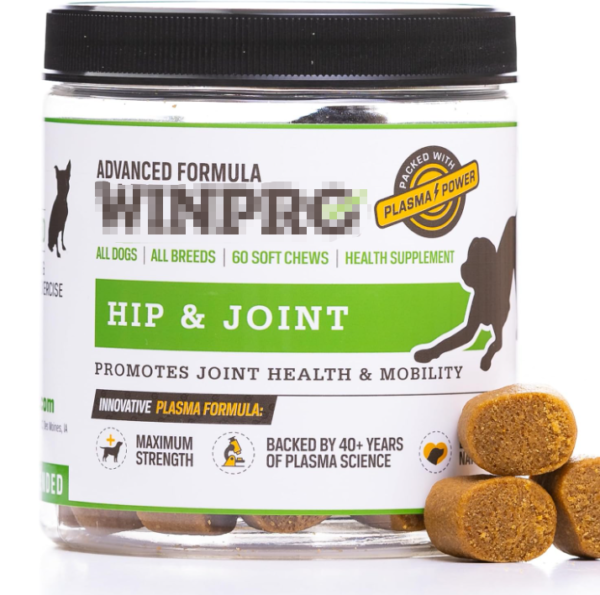
Relative sales demand: Very High Popular formats: Soft chews, tablets, powders, capsules Common product concepts: Glucosamine, chondroitin, MSM, green-lipped mussel, omega sources, hyaluronic acid
Joint and mobility is one of the most established dog supplement categories. It serves senior dogs, large breeds, active dogs, and owners who want to maintain normal everyday movement.
Product Purpose
Products are commonly positioned around normal joint function, mobility, flexibility, and active lifestyles. Brands must avoid turning general wellness language into unsupported arthritis or pain-treatment claims.
Why It Is Popular
-
Mobility changes are visible to owners.
-
The category serves a large adult and senior dog audience.
-
Products are often used daily.
-
Soft chews fit a treat-like routine.
-
Breed-size and life-stage variants are possible.
-
The category supports subscriptions and multi-jar offers.
Sales Outlook
Joint supplements receive a Very High demand rating because of broad consumer awareness, strong retailer presence, and recurring use. Competition is also intense. New private label brands need differentiation through formula rationale, serving experience, dog-size positioning, content, packaging, or price.
Private Label Considerations
Soft chews require palatability, texture, moisture, count, seal, shelf-life, and heat-shipping controls. Test normal production samples and summer delivery routes.
-
Probiotic and Digestive Supplements for Dogs
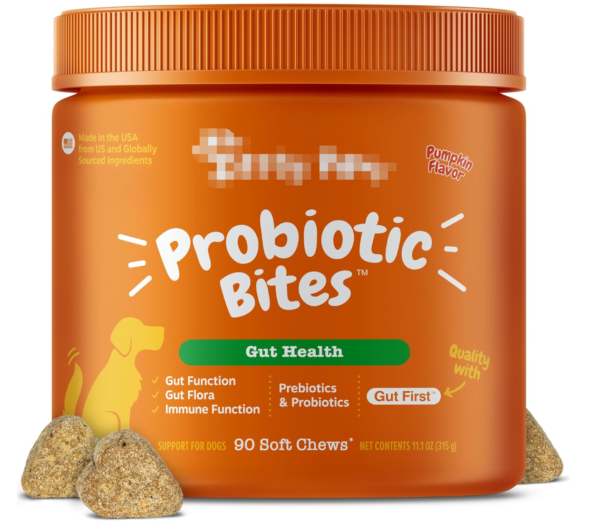
Relative sales demand: Very High Popular formats: Powders, sachets, soft chews, capsules Common product concepts: Probiotics, prebiotic fiber, digestive enzymes, pumpkin, synbiotic blends
Digestive supplements appeal to owners searching for convenient products that fit a dog’s daily feeding routine.
Product Purpose
The category is commonly positioned around normal digestive function, normal stool quality, and maintenance of a balanced intestinal environment.
Why It Is Popular
-
Digestive concerns are easy for owners to recognize.
-
Powders can be mixed into food.
-
Products support daily or recurring use.
-
Sachets can create a premium subscription format.
-
Digestive products pair naturally with multivitamins.
-
The category applies across dog sizes and life stages.
Sales Outlook
Probiotics and digestive products receive a Very High rating because they have broad marketplace visibility and strong replenishment potential.
Private Label Considerations
Ask whether microorganism counts are stated at manufacture or through shelf life. Review strain identity, packaging barrier, temperature sensitivity, storage, and moisture control. A visually attractive pouch does not guarantee stability.
-
Skin, Coat, and Omega Supplements for Dogs
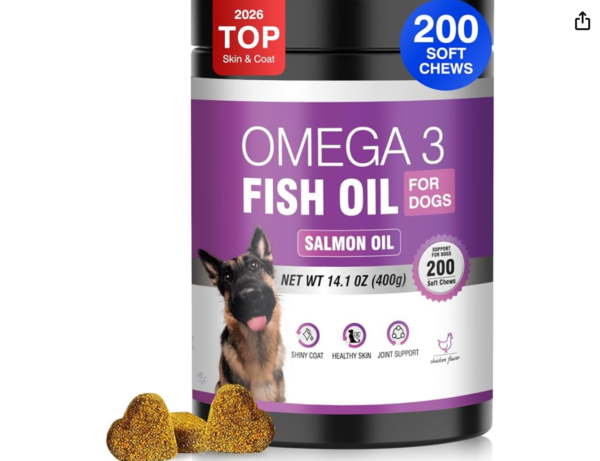
Relative sales demand: Very High Popular formats: Oils, soft chews, capsules, powders Common product concepts: Fish oil, algal oil, EPA/DHA products, omega blends, biotin-containing formulas
Skin-and-coat products are popular because coat appearance is visible and owners understand the routine of adding oil or a chew to daily food.
Product Purpose
Products are commonly positioned around normal skin condition, coat appearance, and dietary fatty-acid supplementation.
Why It Is Popular
-
Visible coat condition creates strong customer interest.
-
Oil pumps are easy to use with food.
-
The category works for dogs of many ages.
-
Brands can choose oil, chew, capsule, or powder formats.
-
Products support repeat purchase.
-
Omega products can be bundled with joint products.
Sales Outlook
This category earns a Very High demand rating due to its broad audience and familiar ingredients. It overlaps with skin-sensitivity, senior wellness, and mobility purchasing.
Private Label Considerations
Oil products need suitable bottles, oxidation control, secure pumps, leak testing, secondary containment, and appropriate shipping routes. Glass looks premium but increases weight and breakage.
-
Calming Supplements for Dogs
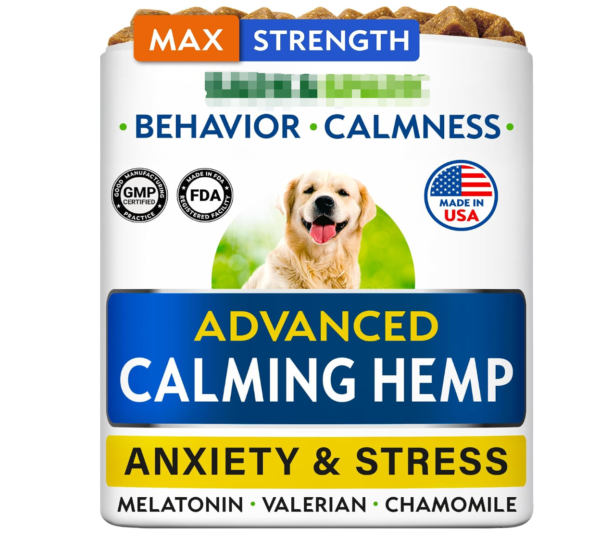
Relative sales demand: High Popular formats: Soft chews, powders, capsules, liquids Common product concepts: L-theanine, L-tryptophan, thiamine, selected botanical and milk-protein-derived ingredients
Calming products are often positioned for travel, storms, fireworks, grooming, environmental changes, or everyday relaxation.
Product Purpose
Responsible products focus on normal relaxation or support during temporary stressful situations. Claims suggesting treatment of anxiety or behavioral disease require particular caution.
Why It Is Popular
-
Owners recognize clear situational use cases.
-
Soft chews are convenient.
-
Products can be sold for daily or occasional use.
-
Travel and seasonal content create marketing opportunities.
-
The category supports bundles with travel accessories.
Sales Outlook
Calming receives a High demand rating. Sales can be seasonal, with stronger interest around storms, fireworks, holidays, and travel. A daily-positioned product may replenish more often than an occasional-use formula.
Private Label Considerations
Control claims across labels, Shopify pages, ads, testimonials, inserts, and QR-linked pages. The FDA explains that labeling can include promotional material accompanying the product, not only the jar label.
-
Multivitamins for Dogs
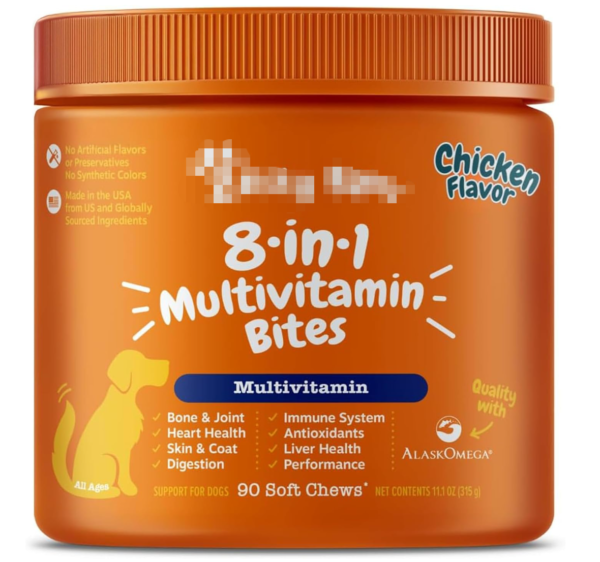
Relative sales demand: High Popular formats: Soft chews, tablets, powders Common product concepts: Vitamins, minerals, amino acids, fatty acids, and selected wellness ingredients
Multivitamins offer a broad daily-wellness concept and can serve as a brand’s entry-level subscription product.
Product Purpose
These products are commonly positioned as daily nutritional supplements for a defined dog audience. Brands should not imply that every dog needs the same supplementation.
Why It Is Popular
-
Human vitamin shoppers understand the concept.
-
Daily use supports subscriptions.
-
Puppy, adult, senior, small-dog, and large-dog variants are possible.
-
Soft chews are easy to administer.
-
Multivitamins can anchor a broader product range.
Sales Outlook
The category receives a High rating because of its broad audience and recurring-use model. Its weakness is similarity: many formulas make comparable general-wellness statements.
Private Label Considerations
Use a focused ingredient rationale rather than adding many ingredients merely to lengthen the label. Review ingredient amounts, animal size, directions, and interaction with complete diets.
-
Skin-Sensitivity Supplements for Dogs
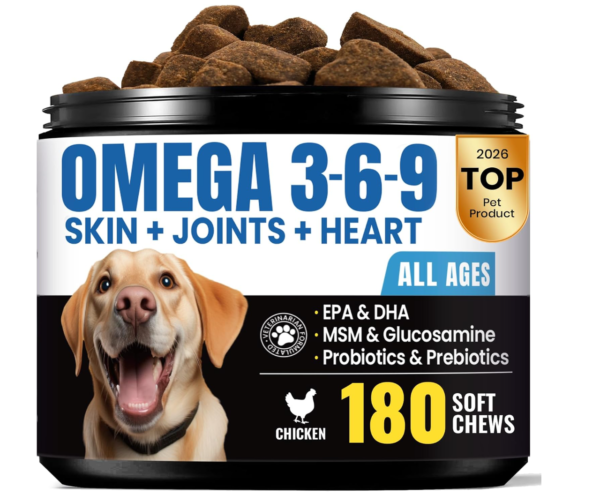
Relative sales demand: High Popular formats: Soft chews, oils, powders Common product concepts: Fatty acids, selected antioxidants, biotin, zinc-containing formulas, botanical ingredients
This category overlaps with skin-and-coat products but targets owners using more specific search language around itching, seasonal sensitivity, or environmental concerns.
Product Purpose
Safer commercial positioning often centers on normal skin barrier, coat condition, and seasonal wellness rather than disease treatment.
Why It Is Popular
-
Skin concerns are visible.
-
Owners may seek recurring solutions.
-
Chews and oils are convenient.
-
The category has high search interest.
-
It supports educational content about grooming, food, and veterinary care.
Sales Outlook
Demand is rated High, but so is claims risk. High search volume may include owners researching underlying medical conditions.
Private Label Considerations
Do not claim to treat allergies or dermatitis without an appropriate legal basis. Product-page copy should encourage appropriate veterinary attention when symptoms may indicate disease.
-
Dental and Oral-Care Supplements for Dogs
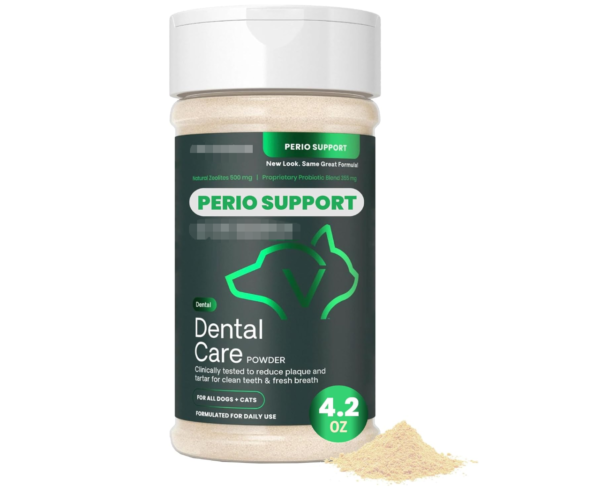
Relative sales demand: High Popular formats: Dental chews, powders, water additives, gels Common product concepts: Functional chews, seaweed-derived powders, enzyme-style products, oral-care liquids
Dental and oral products fit an everyday hygiene routine and are familiar to dog owners.
Product Purpose
Products may be positioned around normal oral hygiene, fresh breath, or routine dental care. Classification depends on format, ingredients, and claims.
Why It Is Popular
-
Oral care is easy to understand.
-
Chews combine administration with reward.
-
Daily use creates frequent replenishment.
-
Powder and water formats offer alternatives.
-
Dog-size variants are commercially useful.
Sales Outlook
The category earns a High rating due to strong retail visibility and habitual use. Competition from established dental chew brands is significant.
Private Label Considerations
Evaluate chew size, hardness, animal-weight suitability, breakage, moisture, count, seal, and shelf life. Water additives require leak-resistant packaging and route review.
-
Immune-Support Supplements for Dogs
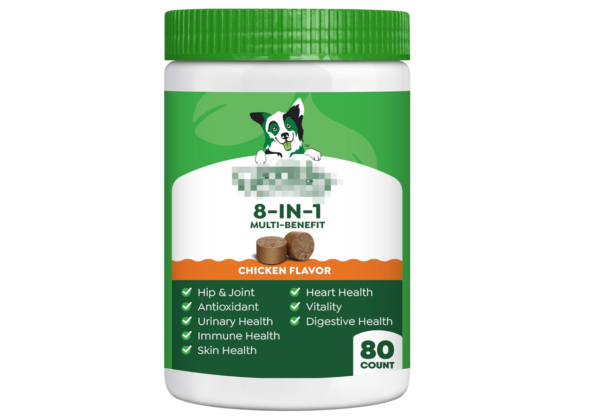
Relative sales demand: Medium-High Popular formats: Powders, chews, capsules Common product concepts: Mushroom-derived ingredients, beta-glucans, antioxidants, colostrum-derived products, vitamin blends
Immune support is a broad wellness category that often uses premium ingredients and educational positioning.
Product Purpose
Products are typically marketed for general wellness and normal immune function. Brands should avoid implying prevention or treatment of disease.
Why It Is Popular
-
It fits preventive-wellness shopping.
-
Premium ingredients support higher price points.
-
Powders and chews allow daily use.
-
The category pairs with senior products.
-
It can support detailed ingredient-focused content.
Sales Outlook
Demand is Medium-High because the category has meaningful interest but a less visible benefit than mobility or coat appearance.
Private Label Considerations
Verify ingredient identity, source, specification, evidence, and animal suitability. Avoid a crowded trend-driven formula without a clear rationale.
-
Senior Dog Wellness Supplements
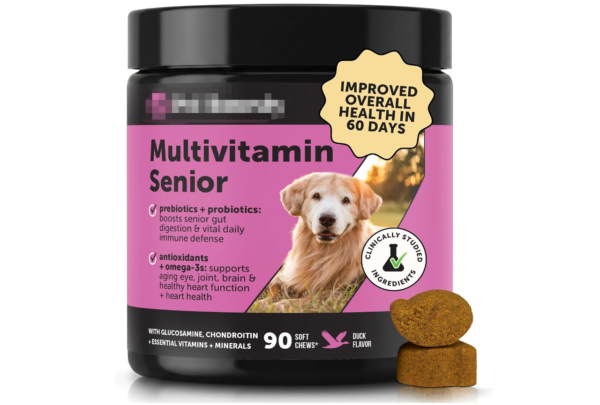
Relative sales demand: Medium-High Popular formats: Soft chews, powders, tablets Common product concepts: Multinutrient blends combining mobility, antioxidant, omega, or cognitive-positioned ingredients
Senior dog products organize several wellness needs around one clearly defined life stage.
Product Purpose
Products may be positioned around healthy aging, normal mobility, everyday vitality, and age-related nutritional support.
Why It Is Popular
-
The target customer is easy to identify.
-
Owners of older dogs may be highly engaged.
-
Daily use supports retention.
-
Senior products can command premium positioning.
-
The category supports joint, omega, and multivitamin extensions.
Sales Outlook
The category receives a Medium-High rating. It is narrower than general joint products but can create stronger brand relevance.
Private Label Considerations
Avoid combining so many ingredients that serving size becomes impractical. Directions should reflect animal weight and product form. Claims around cognition or age-related disease need careful review.
-
Eye and Vision Supplements for Dogs
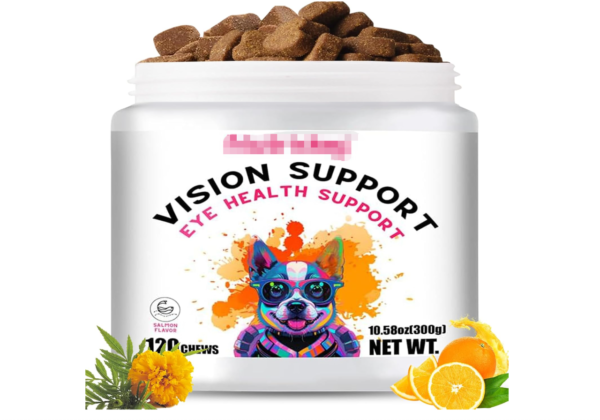
Relative sales demand: Medium Popular formats: Soft chews, tablets, powders Common product concepts: Lutein, zeaxanthin, antioxidant nutrients, berry-derived ingredients
Eye and vision products serve a specialized audience, often owners of senior dogs or breeds associated with eye concerns.
Product Purpose
Products are commonly positioned around normal eye function and antioxidant nutrition. They should not claim to treat cataracts, retinal disease, or vision loss without an appropriate legal basis.
Why It Is Popular
-
Senior-dog owners seek age-focused products.
-
Breed-specific content can generate targeted traffic.
-
The category supports premium formulas.
-
Daily use can create repeat purchase.
Sales Outlook
Demand is rated Medium because the audience is smaller and owner understanding is less universal than for mobility or digestion. It can still work for senior-dog or breed-focused brands.
Private Label Considerations
Education and careful claims matter. Product positioning should not delay veterinary examination of eye symptoms.
Top 10 Best-Selling Private Label Supplements for Cats
Cat Category Ranking
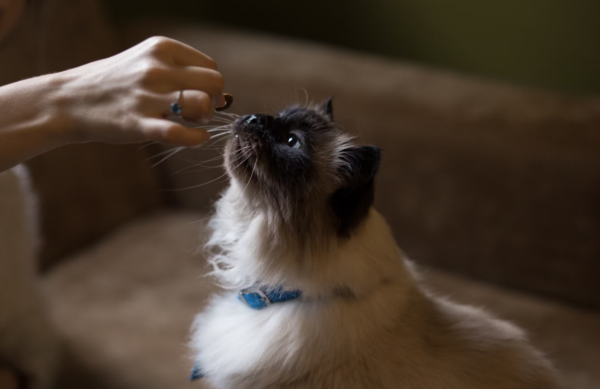
This cat supplement ranking is based on Amazon sales signals and category observations. Compared with dog supplements, the cat supplement market is usually smaller and more specific, but several categories show clear demand on Amazon, especially urinary support, hairball support, digestion, skin and coat, and daily nutrition.
Because Amazon does not publicly disclose exact unit sales for each listing, this ranking should be treated as an Amazon-based market estimate. It uses signals such as bestseller visibility, review volume, keyword competition, product count, recurring-use potential, and how often each category appears among active cat supplement listings.
Cat Supplement Data Table 1: Amazon Ranking Signal Framework
| Amazon Signal | What We Checked | Why It Matters | How It Affects Ranking |
| Amazon search visibility | Whether the category appears frequently for searches such as “cat urinary supplement,” “cat hairball supplement,” “cat probiotic,” and “cat taurine supplement” | Cat supplement demand is more concentrated than dog demand, so search visibility helps identify stronger use cases | Categories with frequent Amazon search presence receive higher scores |
| Bestseller presence | Whether the category appears in top Amazon results, sponsored results, or pet supplement bestseller-style placements | Bestseller visibility suggests active customer demand | Categories with repeated high placement rank higher |
| Review depth | Number and quality of reviews among leading cat supplement listings | Review depth helps estimate historical customer traction | Categories with deeper review pools receive stronger demand scores |
| Cat-specific problem fit | Whether the category addresses a common cat owner concern, such as urinary wellness, hairballs, digestion, or taurine nutrition | Cat owners often buy based on specific concerns rather than broad wellness claims | Categories with stronger cat-specific relevance rank higher |
| Repeat-purchase logic | Whether the product is used daily, weekly, or routinely | Routine-use products support subscriptions and reorders | Categories with stronger reorder behavior receive higher repeat-purchase scores |
| Palatability and format risk | Whether cats are likely to accept the format, flavor, powder, chew, paste, or liquid | Cats can be more selective than dogs, so format acceptance matters | Categories with easier administration have stronger practical fit |
| Claim risk | Whether the category is close to disease-related claims, especially urinary or kidney positioning | Higher claim risk requires more careful wording and compliance review | Higher-risk categories need conservative claim language |
Cat Supplement Data Table 2: Amazon-Based Category Scoring
| Rank | Cat Supplement Category | Search Visibility | Bestseller Presence | Review Depth | Repeat-Purchase Score | Cat-Specific Fit | Overall Amazon Opportunity |
| 1 | Urinary support | ★★★★★ | ★★★★★ | ★★★★★ | ★★★★★ | ★★★★★ | Very High within Cat Market |
| 2 | Hairball support | ★★★★★ | ★★★★★ | ★★★★☆ | ★★★★☆ | ★★★★★ | Very High |
| 3 | Probiotic and digestive | ★★★★☆ | ★★★★☆ | ★★★★☆ | ★★★★★ | ★★★★☆ | High |
| 4 | Skin, coat, and omega | ★★★★☆ | ★★★★☆ | ★★★★☆ | ★★★★★ | ★★★★☆ | High |
| 5 | Multivitamin and taurine | ★★★★☆ | ★★★★☆ | ★★★★☆ | ★★★★★ | ★★★★★ | High |
| 6 | Calming | ★★★☆☆ | ★★★☆☆ | ★★★☆☆ | ★★★★☆ | ★★★★☆ | Medium-High |
| 7 | Kidney wellness | ★★★☆☆ | ★★★☆☆ | ★★★☆☆ | ★★★★☆ | ★★★★★ | Medium-High |
| 8 | Joint and mobility | ★★★☆☆ | ★★★☆☆ | ★★★☆☆ | ★★★★☆ | ★★★☆☆ | Medium-High |
| 9 | Dental and oral care | ★★★☆☆ | ★★★☆☆ | ★★★☆☆ | ★★★★☆ | ★★★☆☆ | Medium |
| 10 | Immune-support products | ★★★☆☆ | ★★★☆☆ | ★★★☆☆ | ★★★★☆ | ★★★☆☆ | Medium |
How to Read the Cat Data
Cat supplement demand is more concentrated than dog supplement demand. Urinary support, hairball support, probiotics, skin and coat, and taurine/multivitamin products stand out because they match common cat-owner concerns and appear frequently in Amazon search and product listings.
Urinary support ranks high because it has strong Amazon visibility and strong cat-specific relevance, but it also requires careful claims. Sellers should avoid disease-treatment language and use conservative wellness wording.
Hairball support is attractive because the customer problem is easy to understand. Probiotics, taurine, and skin/coat products can support repeat purchase because they fit into regular feeding routines.
Kidney wellness, calming, dental, joint, and immune support can still work, but they may require better positioning, more careful wording, or stronger differentiation to compete.
How We Scored Each Cat Supplement Category
We used two main dimensions:
Relative Sales Demand
This reflects how strong the category appears on Amazon based on category visibility, review depth, number of competing listings, keyword presence, and how frequently products appear in relevant search results.
Repeat-Purchase Potential
This reflects how likely the product is to be purchased repeatedly. Daily-use categories such as urinary support, probiotics, multivitamins, taurine, and skin and coat products usually score higher because customers may reorder regularly.
The star ratings are planning scores, not guaranteed sales results. A category with high demand may also have high competition, higher ad costs, or more claim sensitivity.
| Rank | Cat Supplement Category | Commonly Marketed Purpose | Amazon Sales Signal | Relative Sales Demand | Repeat-Purchase Potential |
| 1 | Urinary support | Normal urinary wellness | Urinary support is one of the strongest cat supplement categories on Amazon. Cat owners often search for urinary wellness products because urinary concerns are highly recognized in the cat market. Claims must be handled carefully to avoid disease-treatment language. | ★★★★★ | ★★★★★ |
| 2 | Hairball support | Normal passage of swallowed hair | Hairball products are highly visible in cat supplement and cat care searches. The use case is easy for owners to understand, and many products are positioned for routine use. | ★★★★★ | ★★★★☆ |
| 3 | Probiotic and digestive | Normal digestion and stool quality | Digestive products show strong Amazon demand for cats, especially around stool quality, sensitive stomach positioning, food transitions, and daily gut support. Probiotics also fit well into repeat-purchase routines. | ★★★★☆ | ★★★★★ |
| 4 | Skin, coat, and omega | Normal skin and coat condition | Skin, coat, and omega products are common across Amazon cat supplement listings. Demand is supported by visible owner concerns such as shedding, coat shine, dry skin, and seasonal wellness positioning. | ★★★★☆ | ★★★★★ |
| 5 | Multivitamin and taurine | Daily nutritional wellness | Multivitamins and taurine products are easy for cat owners to understand because taurine is closely associated with feline nutrition. These products can support daily-use positioning and subscription offers. | ★★★★☆ | ★★★★★ |
| 6 | Calming | Normal relaxation and environmental adjustment | Calming products have moderate-to-strong Amazon demand, especially for travel, moving, vet visits, grooming, multi-cat homes, and environmental changes. Repeat purchase can vary by use case. | ★★★☆☆ | ★★★★☆ |
| 7 | Kidney wellness | Senior-cat nutritional positioning | Kidney wellness products appear in the cat market because senior-cat health concerns are common. However, wording must be conservative because kidney-related claims can easily become disease-adjacent. | ★★★☆☆ | ★★★★☆ |
| 8 | Joint and mobility | Normal mobility in adult and senior cats | Joint and mobility products are more dominant in the dog market, but they still show demand for adult and senior cats. The category is useful for senior-cat positioning, though overall Amazon demand is narrower than urinary, hairball, or digestive support. | ★★★☆☆ | ★★★★☆ |
| 9 | Dental and oral care | Everyday oral hygiene | Dental and oral care products have steady but narrower Amazon demand for cats. The challenge is product acceptance, since cats can be more selective with chews, powders, and additives. | ★★★☆☆ | ★★★★☆ |
| 10 | Immune-support products | General wellness positioning | Immune-support products appear in cat supplement listings, often combined with multivitamins, probiotics, lysine-style positioning, or senior wellness formulas. Demand is moderate, and claims should avoid disease-prevention language. | ★★★☆☆ | ★★★★☆ |
How to Use This Amazon-Based Cat Ranking
Amazon cat supplement demand is different from dog supplement demand. Dog categories often have broader volume, while cat categories can be more concentrated around specific owner concerns such as urinary wellness, hairballs, digestion, taurine, and senior-cat nutrition.
Before choosing a private label cat supplement category, sellers should check:
-
Amazon bestseller rank patterns
-
Review count and review quality
-
Keyword search volume
-
Sponsored ad density
-
Average selling price
-
Number of competing private label brands
-
Cat-specific dosage form acceptance
-
Flavor and palatability risks
-
Daily-use or repeat-purchase logic
-
Claim and compliance risk
-
MOQ, landed cost, and fulfillment requirements
For new private label sellers, cat supplements can be attractive because the use cases are specific and customers may be loyal when a product works for their cat’s routine. However, cats can be more difficult than dogs in terms of flavor acceptance, dosage form, and feeding behavior. A strong product should combine Amazon demand with cat-specific formulation, packaging, claim control, and repeat-purchase strategy.
-
Urinary-Support Supplements for Cats
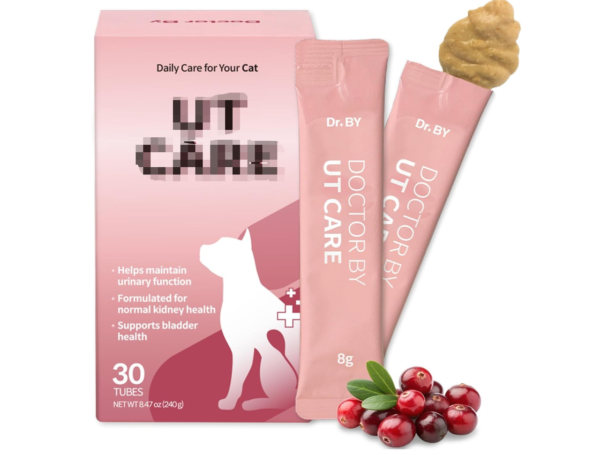
Relative sales demand: Very High within the cat market Popular formats: Powders, capsules, pastes, small chews Common product concepts: Cranberry-derived ingredients, D-mannose-containing formulas, selected amino acids and botanical ingredients
Urinary wellness is one of the most recognizable cat supplement niches.
Product Purpose
Retail products may be positioned around normal urinary-tract wellness. Formula, dietary interaction, ingredient safety, and claims require veterinary and regulatory review.
Why It Is Popular
-
Urinary concerns are familiar to cat owners.
-
Powders can be mixed into wet food.
-
The niche attracts high-intent search traffic.
-
Daily use supports repeat purchase.
-
Cat-focused positioning creates differentiation.
Sales Outlook
The category earns a Very High within cat market rating. Its total audience is smaller than the overall dog-joint market, but demand can be strong among cat-specific shoppers.
Private Label Considerations
Do not claim that a general retail supplement treats obstruction, infection, crystals, or another disease. Urinary symptoms can require urgent veterinary care.
-
Hairball Supplements for Cats
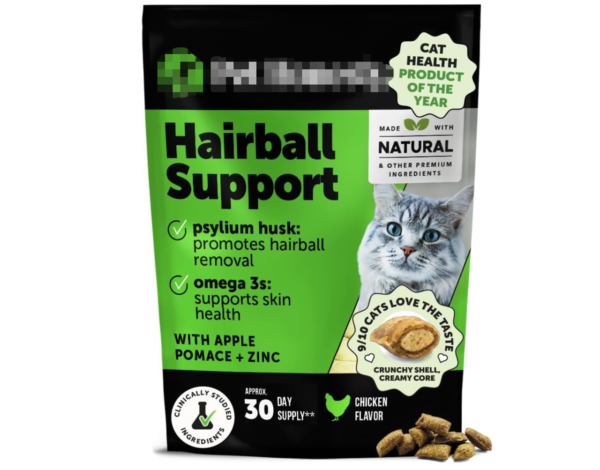
Relative sales demand: Very High Popular formats: Pastes, gels, powders, soft chews Common product concepts: Fiber ingredients, oils, malt-style pastes, grooming-support blends
Hairball products are a long-established cat-care category with a clearly understood use case.
Product Purpose
Products may be positioned around normal passage of swallowed hair and routine grooming-related digestive support.
Why It Is Popular
-
Cat owners recognize the problem.
-
Pastes and gels are familiar formats.
-
Products can be used regularly.
-
Hairball content supports organic search.
-
Products bundle naturally with brushes and coat supplements.
Sales Outlook
Hairball products receive a Very High rating within cat supplements because the category is distinctive, familiar, and widely represented.
Private Label Considerations
Tube compatibility, cap security, heat stability, leakage, net quantity, and palatability are critical. Use secondary containment for shipping.
-
Probiotic and Digestive Supplements for Cats
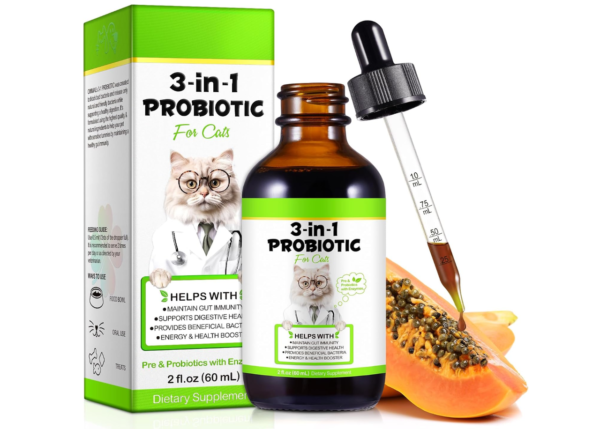
Relative sales demand: High Popular formats: Powders, sachets, capsules, pastes Common product concepts: Probiotics, prebiotics, digestive enzymes, fiber blends
Cat digestive supplements mirror dog demand but require cat-specific serving and palatability decisions.
Product Purpose
Products are commonly positioned around normal digestive function and maintenance of a balanced intestinal environment.
Why It Is Popular
-
Powder can be mixed into wet food.
-
Daily use supports subscriptions.
-
Sachets provide convenience.
-
Digestive concerns generate high-intent searches.
-
The category can extend into hairball products.
Sales Outlook
Demand is High because of broad relevance and recurring use. The cat market is smaller than the dog market, but a focused brand can build strong topical authority.
Private Label Considerations
Flavor and aroma matter. A technically strong powder that changes the smell of wet food may be rejected. Review microorganism stability, packaging, and shelf-life claims.
-
Skin, Coat, and Omega Supplements for Cats
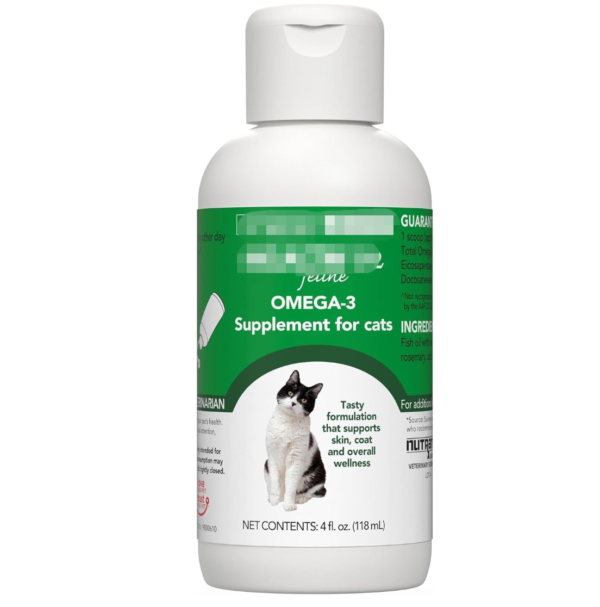
Relative sales demand: High Popular formats: Oils, capsules, powders, small chews Common product concepts: Fish oil, algal oil, omega blends, biotin- and nutrient-containing products
Cats create natural demand for coat, shedding, and grooming-related products.
Product Purpose
Products are commonly positioned around normal skin condition, coat appearance, and fatty-acid supplementation.
Why It Is Popular
-
Coat appearance is visible.
-
Oils and powders can be added to food.
-
The category relates naturally to hairball content.
-
Daily use supports retention.
-
Premium oil sources can create differentiation.
Sales Outlook
The category receives a High rating because it combines familiar benefits with repeat purchase.
Private Label Considerations
Strong fish aroma may improve or reduce acceptance depending on the product and cat. Oils need oxidation protection, leak testing, and accurate pump directions.
-
Multivitamin and Taurine Supplements for Cats
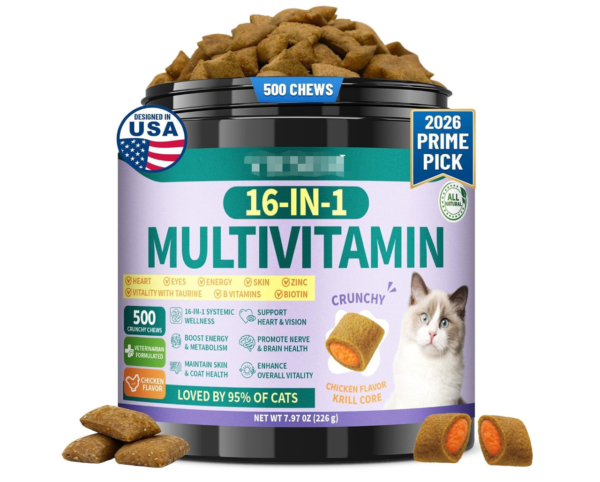
Relative sales demand: High Popular formats: Powders, pastes, tablets, capsules Common product concepts: Taurine-containing formulas, vitamin and mineral blends, amino-acid combinations
Taurine is strongly associated with feline nutrition, making it a recognizable ingredient in cat-focused products. That recognition does not mean every cat requires an additional supplement.
Product Purpose
Products may be positioned around daily nutrition for a defined cat audience. Diet, life stage, health status, and veterinary guidance matter.
Why It Is Popular
-
Cat owners recognize taurine.
-
Daily use supports subscriptions.
-
Powders and pastes fit feeding routines.
-
Kitten, adult, senior, or diet-specific concepts are possible.
-
The category can anchor a cat-only brand.
Sales Outlook
Demand is rated High because of familiar ingredients and broad wellness positioning.
Private Label Considerations
Avoid implying that a complete commercial diet is universally deficient. Review ingredient amounts, serving directions, and interaction with the cat’s primary diet.
-
Calming Supplements for Cats
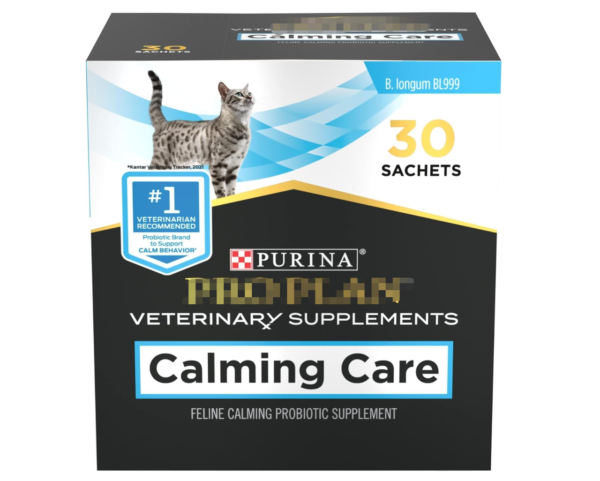
Relative sales demand: Medium-High Popular formats: Powders, liquids, capsules, small chews Common product concepts: L-theanine, thiamine, milk-protein-derived ingredients, selected botanical formulas
Cat calming products may be positioned around travel, moving, multi-cat households, visitors, grooming, and environmental change.
Product Purpose
Products generally focus on normal relaxation and adjustment to temporary events. Claims suggesting treatment of anxiety or behavioral disease require careful review.
Why It Is Popular
-
Indoor cats can be sensitive to environmental changes.
-
The category supports event-based educational content.
-
Powders and liquids can be mixed with food.
-
Products can be bundled with travel or enrichment items.
Sales Outlook
The category receives a Medium-High rating. Demand is meaningful but administration can be difficult and purchase frequency may be situational.
Private Label Considerations
Palatability is central. Test real cats, not only laboratory specifications. Make sure an insert does not introduce stronger claims than the approved label.
-
Kidney-Wellness Supplements for Cats
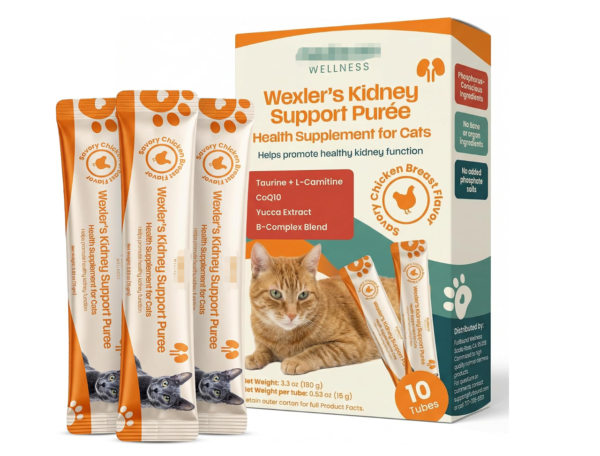
Relative sales demand: Medium-High Popular formats: Powders, liquids, capsules Common product concepts: Selected nutrient, binder-style, antioxidant, or botanical concepts under professional guidance
Kidney-related products attract interest because cats have a substantial senior-pet audience. This is also a medically sensitive category.
Product Purpose
Retail positioning may focus on senior-cat nutritional wellness, but disease-related products and claims require veterinary and regulatory oversight.
Why It Is Popular
-
Owners of senior cats are highly engaged.
-
Powders and liquids fit wet-food routines.
-
Daily use can create repeat purchasing.
-
The category supports senior-cat brand specialization.
Sales Outlook
Demand is Medium-High within the senior-cat segment. It is narrower than hairball or digestive products but attracts high-intent shoppers.
Private Label Considerations
Do not market a general product as treating chronic kidney disease or replacing veterinary diets and care. Formula decisions should involve appropriate qualified experts.
-
Joint and Mobility Supplements for Cats
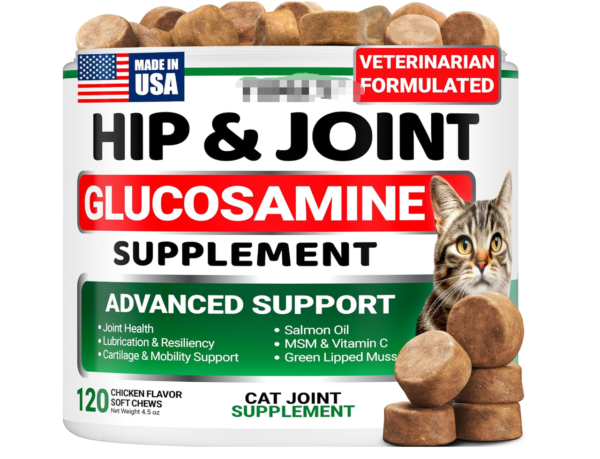
Relative sales demand: Medium-High Popular formats: Powders, liquids, capsules, small chews Common product concepts: Glucosamine, green-lipped mussel, omega sources, selected joint nutrients
Cat mobility is less visually obvious to many owners than dog mobility, but the aging cat population creates a meaningful niche.
Product Purpose
Products are commonly positioned around normal mobility and healthy aging.
Why It Is Popular
-
Senior-cat wellness is growing as a specialty.
-
Powders can be mixed with food.
-
Daily use supports subscriptions.
-
The category complements omega and multivitamin products.
Sales Outlook
Demand is rated Medium-High. It is smaller than dog joint demand, but competition may also be less intense.
Private Label Considerations
Use cat-appropriate serving formats and directions. Do not simply repackage a dog joint formula for cats.
-
Dental and Oral-Care Supplements for Cats
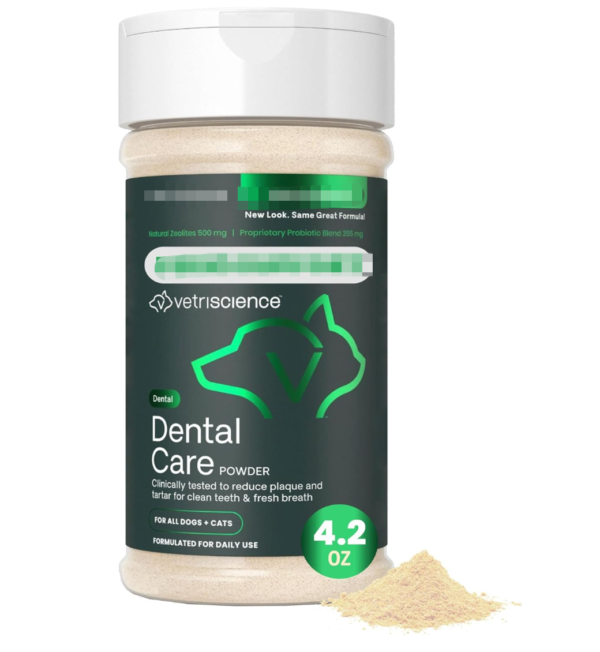
Relative sales demand: Medium Popular formats: Powders, water additives, gels, small dental treats Common product concepts: Oral-care powders, enzyme-style products, functional treats, liquids
Cat oral-care products serve a recognizable need, but administration and acceptance can be more difficult than with dog dental chews.
Product Purpose
Products may be positioned around routine oral hygiene and fresh breath. Classification and claims depend on product design.
Why It Is Popular
-
Oral care is a familiar owner concern.
-
Powders can be added to food.
-
Daily use supports replenishment.
-
Cat-specific products create niche differentiation.
Sales Outlook
Demand is Medium because the need is broad but product acceptance and customer habit can limit sales.
Private Label Considerations
Test whether powders or water additives change smell or taste. Liquids need leak-resistant packaging. Treat formats require texture and size controls.
-
Immune-Support Supplements for Cats
Relative sales demand: Medium Popular formats: Powders, capsules, pastes Common product concepts: Selected mushroom-derived ingredients, antioxidants, beta-glucans, vitamin blends
Immune-support products fit general wellness and premium ingredient trends.
Product Purpose
Products are commonly positioned around normal immune function and general wellness, not disease prevention.
Why It Is Popular
-
Premium ingredients can support strong branding.
-
Powders fit daily feeding.
-
The category works within senior or wellness bundles.
-
Ingredient education creates content opportunities.
Sales Outlook
Demand is rated Medium because the consumer benefit is less visible and the category competes with multivitamins.
Private Label Considerations
Use transparent ingredient information and responsible claims. Verify identity, source, specification, and cat suitability.
Dog and Cat Category Comparison
| Sales Characteristic | Strongest Dog Categories | Strongest Cat Categories |
| Broadest audience | Joint, digestive, skin/coat | Digestive, skin/coat, multivitamin |
| Strongest species niche | Senior dog, eye support | Urinary, hairball, kidney |
| Best soft-chew opportunity | Joint, calming, multivitamin | Limited; small chews require testing |
| Best powder opportunity | Digestive, immune | Urinary, digestive, multivitamin |
| Best liquid opportunity | Omega/skin | Omega/skin, calming |
| Highest claims sensitivity | Calming, skin sensitivity, eye | Urinary, kidney, calming |
| Strong subscription potential | Joint, digestive, multivitamin | Urinary, digestive, multivitamin |
How to Interpret the Sales Ratings
Very High
Broad retailer visibility, large customer need, many competing products, and strong recurring-use potential.
High
Established consumer demand with a broad or clearly defined audience, but potentially more competition or administration challenges.
Medium-High
Meaningful demand in a narrower species, life-stage, or wellness niche. These categories may work especially well for focused brands.
Medium
Smaller or less mature private label opportunity. Success depends more heavily on specialist positioning, education, and product acceptance.
These ratings do not predict a new store’s sales. Actual results depend on:
-
Product-market fit
-
Formula
-
Claims
-
Price
-
Reviews
-
Brand trust
-
Advertising cost
-
Conversion rate
-
Repeat purchase
-
Shipping
-
Product condition
Sales Are Not the Same as Profit
A popular category can still lose money.
Calculate:
Contribution profit = net revenue – product cost – packaging – fulfillment – shipping – payment fees – customer acquisition – expected refunds and reshipments
Compare:
| Metric | Why It Matters |
| Average order value | Determines how much shipping and acquisition cost the order can absorb |
| Delivered gross margin | Includes product, fulfillment, and shipping |
| Customer acquisition cost | Often the largest variable expense |
| Repeat purchase rate | Shows recurring demand |
| Subscription retention | Measures long-term product acceptance |
| Refund rate | Reveals expectation or quality problems |
| Complaint rate by lot | Identifies product or batch trends |
How to Choose the Best Pet Supplement Category for Your Own Brand
Amazon sales data can show which private label pet supplement categories have stronger demand, but the “best-selling” category is not always the best category for every seller. A new brand should not simply choose the category ranked No. 1. The better question is: which category fits your budget, audience, differentiation, compliance ability, and fulfillment plan?
A joint supplement may have very high demand, but it may also have strong competition and expensive ads. A urinary-support cat product may show strong Amazon demand, but claims must be handled carefully. A multivitamin may be easier to explain and use daily, but it may need stronger branding to stand out. A calming product may sell well seasonally, but repeat purchase can depend on the customer’s use case.
Use the framework below to decide which product category is most suitable for your own brand.
-
If You Are a New Seller With a Small Budget
Start with a category that is easier to explain, easier to manufacture, and easier to ship.
Good starting options may include:
-
Dog multivitamins
-
Dog probiotics
-
Skin and coat chews
-
Cat hairball support
-
Cat probiotics
-
Cat multivitamin and taurine products
These categories usually have clear customer understanding and daily-use potential. They are often easier to position than highly sensitive categories such as kidney wellness, urinary health, or aggressive calming claims.
For new sellers, the goal is not to beat the biggest Amazon brands immediately. The goal is to test product-market fit with manageable MOQ, acceptable landed cost, clear packaging, and a product customers can understand quickly.
-
If You Already Have a Pet Audience or Shopify Store
If you already have pet traffic, email subscribers, TikTok followers, Amazon customers, or a Shopify store, choose a category that matches your existing audience.
For example:
-
If your audience is senior dog owners, consider joint and mobility or senior dog wellness.
-
If your audience is cat owners, urinary support, hairball support, or taurine products may be more relevant.
-
If your content focuses on grooming, skin and coat or omega products may fit better.
-
If your audience talks about digestion, stool quality, or food sensitivity, probiotics may be a strong match.
-
If your brand is positioned around daily wellness, multivitamins or bundle kits may be easier to sell.
Your existing audience is a signal. Do not ignore what customers already ask about in comments, reviews, support messages, and search terms.
-
If You Want the Highest Repeat-Purchase Potential
Choose a product that can be used daily and naturally fits into a reorder cycle.
Strong repeat-purchase categories include:
-
Dog joint and mobility
-
Dog probiotics
-
Dog skin, coat, and omega
-
Dog multivitamins
-
Cat urinary support
-
Cat probiotics
-
Cat multivitamin and taurine
-
Cat skin, coat, and omega
Repeat purchase matters because pet supplements are consumable. A product that customers reorder every 30 or 60 days can support subscriptions, bundles, email marketing, and higher customer lifetime value.
However, repeat purchase only works if the product experience is consistent. Flavor, palatability, packaging, serving instructions, and delivery reliability all affect whether customers buy again.
-
If You Want Lower Claim Risk
Choose general wellness categories and avoid disease-adjacent positioning.
Lower-claim-risk options may include:
-
Daily multivitamins
-
Skin and coat support
-
General probiotic support
-
Hairball support
-
Dental and oral hygiene
-
General senior wellness
Higher-claim-risk categories may include:
-
Urinary support
-
Kidney wellness
-
Calming
-
Immune support
-
Joint pain or arthritis-adjacent products
These categories are not impossible to sell, but they require more careful wording. Sellers should avoid disease-treatment, disease-prevention, or medical claims. For example, “supports normal urinary wellness” is very different from “treats urinary tract infections.”
If you do not have strong compliance support, start with safer wellness language and simpler product positioning.
-
If You Want Easier Fulfillment and Shipping
Choose stable formats that are less likely to leak, melt, break, or require special handling.
Easier formats may include:
-
Capsules
-
Tablets
-
Powders
-
Dry chews with stable packaging
-
Sachets or stick packs
More complex formats may include:
-
Oils
-
Liquids
-
Soft chews in hot-weather markets
-
Glass bottles
-
Products requiring strict moisture protection
A product may look profitable on Amazon but become difficult after fulfillment costs, returns, damaged packaging, and customer complaints are included.
Before choosing a product, consider whether it can be stored safely, packed easily, shipped internationally, and delivered in good condition.
-
If You Want Strong Differentiation
Choose a category where you can create a clear angle beyond “same formula, different label.”
Differentiation can come from:
-
Species focus, such as senior cats or large-breed dogs
-
Format, such as powder instead of chew
-
Flavor, texture, or serving convenience
-
Bundle structure
-
Branded packaging
-
Subscription plan
-
Educational content
-
Better usage instructions
-
Cleaner ingredient positioning
-
Lifestyle positioning, such as travel, grooming, senior care, or daily wellness
For example, “dog probiotics” is broad and competitive. But “daily probiotic powder for picky small dogs with a 30-day starter pack and clear feeding guide” is more specific and easier to position.
-
Simple Seller-Fit Matrix
Use this simple matrix to decide which category may fit your situation.
| Seller Situation | Better Category Direction | Why It Fits |
| New seller, limited budget | Multivitamin, probiotic, hairball, skin and coat | Easier to explain, daily-use potential, generally broader wellness positioning |
| Existing senior dog audience | Joint and mobility, senior dog wellness | Strong match with visible owner concerns and repeat purchase |
| Existing cat audience | Urinary support, hairball, taurine, probiotic | Cat demand is more specific, so focused products can work well |
| Compliance-sensitive seller | Multivitamin, skin and coat, dental hygiene, general wellness | Easier to keep claims conservative |
| Subscription-focused brand | Joint, probiotic, skin and coat, multivitamin, taurine | Daily-use products support reorder cycles |
| Premium branding strategy | Omega oil, senior wellness bundle, breed/life-stage bundle | More room for packaging, education, and higher perceived value |
| Low logistics risk preference | Capsules, tablets, powders, stable dry chews | Easier storage and shipping than liquids or heat-sensitive products |
| Content-driven brand | Choose the category your audience already asks about | Customer questions can guide product selection |
Final Recommendation
Do not choose a pet supplement category only because it ranks high on Amazon. Choose the category where five things overlap:
-
Amazon demand is visible.
-
Your target customer understands the use case.
-
The product can be used repeatedly.
-
Your brand can differentiate the offer.
-
The claims, sourcing, packaging, and fulfillment risks are manageable.
For most new private label sellers, the best starting point is usually a category with clear demand, simple daily-use positioning, and manageable operational risk. For dog products, that often means probiotics, skin and coat, multivitamins, or joint support if the brand can handle competition. For cat products, that often means hairball support, probiotics, taurine/multivitamins, or urinary support if claims are carefully controlled.
The goal is not to sell every popular category. The goal is to find the product category that fits your brand, budget, audience, and long-term repeat-purchase strategy.
Private Label Product Formats
Soft Chews
Strongest for dog joint, calming, multivitamin, skin, and digestive products. Soft chews require flavor, texture, moisture, seal, and heat control.
Powders
Useful for dog probiotics and immune products and especially valuable for cat urinary, digestive, hairball, multivitamin, and kidney-wellness concepts. High-barrier pouches may improve shipping efficiency.
Oils and Liquids
Common in skin-and-coat products. Bottles need secure pumps or caps, oxidation-conscious packaging, leak tests, and secondary containment.
Capsules and Tablets
Compact and efficient to store, but administration may be difficult. Capsule contents may sometimes be designed for food mixing, subject to product instructions.
Pastes and Gels
Particularly relevant to cats. Tube quality, cap security, net quantity, stability, flavor, and leakage are central.
Documents to Request From a Pet Supplement Supplier
| Document | What to Check |
| Product specification | Formula, appearance, limits, package |
| Ingredient list | Identity and amounts |
| Batch COA | Lot, dates, tests, methods, limits, results |
| Third-party report | Laboratory, sample, scope, date |
| Facility/GMP certificate | Company, address, issuer, scope, validity |
| Stability support | Formula, package, storage, shelf life |
| Allergen information | Product relevance and supplier controls |
| Label artwork | Species, directions, warnings, claims, market |
For U.S. animal food operations, review the applicability of 21 CFR Part 507, covering current good manufacturing practice and preventive controls for food for animals.
The FDA states that animal food must be safe, produced under sanitary conditions, contain no harmful substances, and be truthfully labeled. Its official Pet Food page provides useful background.
How FriendDropshipping Supports Dog and Cat Supplement Brands
FriendDropshipping can coordinate suitable projects from product sourcing to customer delivery.
Separate Dog and Cat Product Development
Product briefs should identify:
-
Species
-
Life stage
-
Ingredients
-
Dosage form
-
Flavor
-
Serving size
-
Target market
-
Claims
-
Packaging
-
Expected order volume
The Sourcing & Fulfillment service can help communicate these requirements with suppliers.
Private Label and Custom Packaging
The Customization & Private Pack service can coordinate labels, jars, pouches, cartons, instructions, thank-you cards, QR cards, and branded shipping materials, subject to MOQ and feasibility.
Quality Inspection
FriendDropshipping’s Quality Control can check agreed physical details such as quantity, appearance, packaging, label version, lot/date codes, seals, and inserts.
Shopify Fulfillment
The Supplement Fulfillment service can receive suitable inventory, manage agreed SKU and batch data, process Shopify orders, pick the correct dog or cat variant, add brand materials, and return tracking.
International Shipping
The Shipping Solution evaluates the formula, dosage form, packed weight, dimensions, destination, tracking, and route acceptance.
For the EU, review the European Commission’s official Feed Additives information where relevant. Shipping availability does not establish permission to sell.
Inventory and Fulfillment Tips
-
Use separate SKU structures for dogs and cats.
-
Capture lot and expiration dates during receiving.
-
Use FEFO where appropriate.
-
Set a minimum remaining shelf life.
-
Keep old label versions out of available stock.
-
Test chews in hot-weather shipping.
-
Use secondary containment for oils and pastes.
-
Test cat palatability before a large MOQ.
-
Preserve customer-to-batch traceability.
-
Do not automatically resell returned consumables.
FriendDropshipping also offers 3PL Fulfillment for brands holding inventory in China.
Final Recommendation
For a dog-focused brand, the strongest starting opportunities are:
-
Joint and mobility
-
Probiotic and digestive
-
Skin, coat, and omega
-
Calming
-
Multivitamin
For a cat-focused brand, the strongest starting opportunities are:
-
Urinary support
-
Hairball support
-
Probiotic and digestive
-
Skin, coat, and omega
-
Multivitamin and taurine
The largest category is not automatically the best product for your brand. A specialized cat product can outperform a generic dog joint chew when the brand has stronger audience knowledge, content authority, product acceptance, and economics.
To request a private label and fulfillment assessment, contact FriendDropshipping with the species, category, formula, dosage form, target countries, quantity, packaging, and Shopify order profile.
Frequently Asked Questions
What are the best-selling private label supplements for dogs?
Joint and mobility, probiotics and digestive products, skin and coat supplements, calming chews, and multivitamins generally have the broadest dog-market demand and repeat-purchase potential.
What are the best-selling private label supplements for cats?
Urinary support, hairball products, digestive probiotics, skin and coat supplements, and multivitamin or taurine products are among the most commercially visible cat categories.
Which sells more: dog or cat supplements?
Dog supplements generally address a larger commercial audience and offer more mature soft-chew categories. Cat supplements serve a smaller but highly specialized market, with strong opportunities in urinary, hairball, and powder-based products.
Is there an official pet supplement sales ranking?
No complete audited public database ranks every private label dog and cat supplement category across all retailers. Category rankings should be treated as demand assessments rather than verified unit-sales totals.
Are private label dog and cat supplements profitable?
They can be profitable when product cost, fulfillment, shipping, customer acquisition, repeat purchase, refunds, MOQ, and expiry risk are controlled. High sales do not guarantee profit.
Can FriendDropshipping provide private label dog and cat supplements?
FriendDropshipping can coordinate suitable stock, private label, and custom projects with suppliers, including products, packaging, inspection, storage, Shopify fulfillment, and shipping. Feasibility, documentation, MOQ, and lead time are product-specific.
Can a dog supplement formula also be sold for cats?
Do not assume so. Ingredient suitability, amounts, serving directions, safety, flavor, and regulatory status can differ by species. Use qualified veterinary, formulation, and regulatory expertise.
Do pet supplement suppliers provide COAs and GMP certificates?
Many suppliers can provide available COAs, test reports, and facility certificates. Verify that documents are current and connected to the actual product, batch, factory, address, and scope.
Can private label dog and cat supplements be shipped internationally?
Some can, but product status, ingredients, claims, labels, importer requirements, registrations, customs data, and carrier rules vary by country. Review every SKU and destination before selling.
Table of Content

I’m Cassiel. I’ll help you scale your Shopify business with reliable fulfillment.
Join to newsletter.
Follow us and get more knowledge.