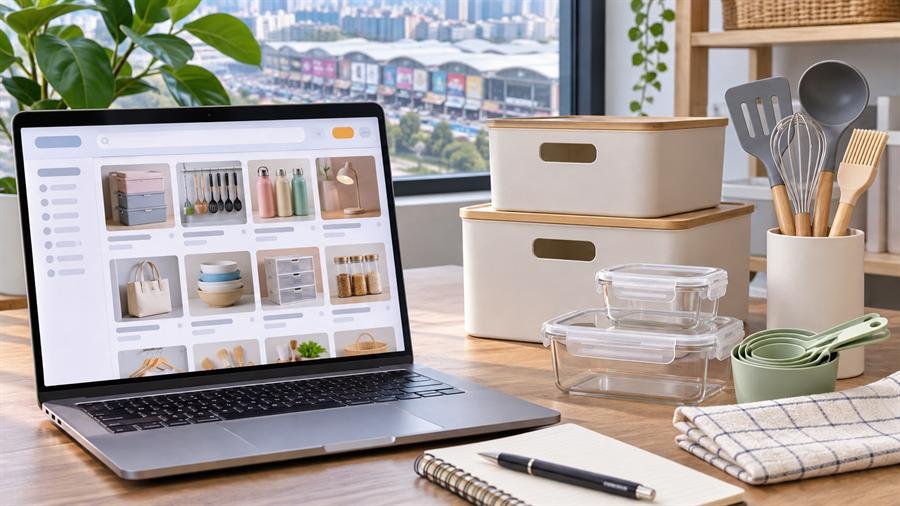
You find a promising storage box in a Yiwu merchant’s online catalog. The color looks right. The price looks better. You’re halfway around the world, though, and the picture cannot tell you whether the lid snaps shut or whether 800 boxes will arrive in the same material.
Yes, you can buy from Yiwu Market without visiting China. Some buyers deal directly with a merchant. Others use a market-linked platform to find shops, then hire local help for samples, checks, and shipping. The route depends on what you are buying and what you can manage from home. Here is how to set up a first order so you can see the important decisions before the goods leave China.
What remote buying from Yiwu actually means
Yiwu International Trade City, often called Futian Market, is a physical wholesale market. It is not one online shop with one checkout and one return policy. A product listing usually points you toward a merchant or booth. From there, you still need a quote for your exact product, quantity, packaging, and destination. You also need to know who will invoice you, receive payment, check the goods, and arrange the handoff.
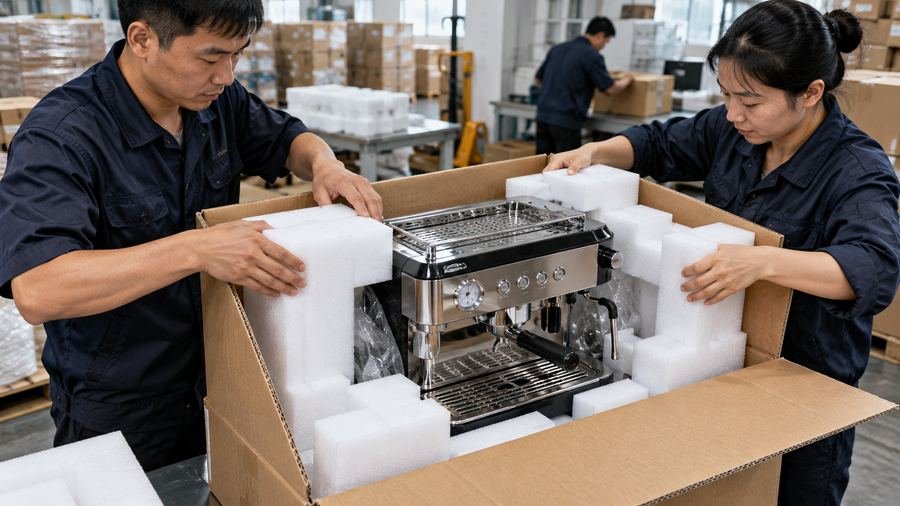
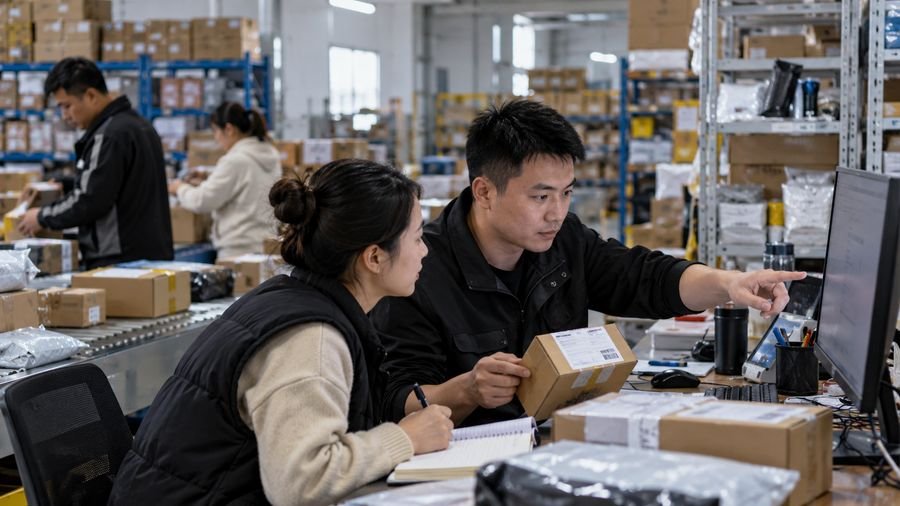
Some of that work fits comfortably on a laptop. You can compare catalog items, send specifications, review video, approve a quote, and track a shipment from abroad. Other work happens beside the goods: measuring a sample, checking a packed batch, counting cartons, and combining products from several merchants. You can ask a supplier, an independent inspector, a warehouse, or a buying agent to do those tasks. Decide who will do each one before paying.
| Task | What you can do remotely | What needs someone near the goods |
|---|---|---|
| Find products | Search catalogs, ask for photos and quotes | Confirm current booth stock if listings are stale |
| Approve a sample | Review measurements, video, and a couriered sample | Select or measure the actual item in Yiwu |
| Place an order | Approve specification, price, and payment terms | Follow production or stock allocation |
| Check quality | Review an inspection report and decide on defects | Open cartons and test agreed features |
| Ship | Choose delivery terms and review documents | Receive, consolidate, pack, and hand off goods |
Decide who will gather evidence where you cannot stand. A cooperative seller may handle much of it. For a mixed order, a local team can keep the pieces together.
Choose a route that fits the order
There are three common starting points. None is right for every buyer. A simple reorder from one known merchant calls for less local coordination than a first order spread across six booths.
Contact a booth directly
If you know the merchant, you can ask for its Chinese company name, booth number, product specifications, sample, and written quote. Check whether it can issue the documents you need and deliver to a freight forwarder or your chosen warehouse. Some merchants are comfortable with international buyers; others mainly sell locally. Confirm payment method and export arrangements rather than assuming every booth ships overseas.
Direct contact gives you a clear line to the seller. You will still need a way to check the bulk goods. If you cannot visit, you might send a sample to yourself, use an independent inspector, and arrange pickup through a forwarder. The merchant may also offer these services, but ask exactly what its “quality check” covers.
Use a market-linked site to find leads
Chinagoods connects online listings with physical Yiwu market merchants. Yiwugo also lets buyers search by store name or booth number. These sites can save you a lot of wandering, especially when you already know the product category. Save the merchant’s company name, booth number, product link, contact, and date. Then request a fresh quote. A displayed price may cover a different MOQ, material, color, or pack from the one you need.
A listing helps you find a seller; it cannot approve your production batch for you. Check the company behind the contact and ask for a real sample. If a shop cannot explain who makes the product or who will appear on the invoice, keep looking.
Hire local help for the parts you cannot see
A Yiwu buying agent can search booths, collect comparable offers, translate details, arrange samples, follow orders, inspect goods, and consolidate cartons. That is useful when you are managing many products or suppliers. Ask for a written scope: which checks are included, what costs extra, whether the agent receives supplier commissions, and who owns the supplier records. You can also hire a separate inspector and forwarder instead of one agent for the whole order.
Our Yiwu sourcing service explains how we coordinate those local steps. Whichever route you choose, keep the product specification and approval decisions in your own files.
Send a brief the seller can actually quote
Imagine asking a merchant for “the white organizer in your photo.” Which size? Which plastic? With or without dividers? Retail box or plain sleeve? A seller can answer quickly and still quote the wrong item. Remote sourcing makes that kind of fuzziness expensive because you cannot point to a shelf and fix it on the spot.
Send product photos or a reference link, then write the details that affect cost and quality: dimensions and tolerance, material, finish, color, function, packaging, label, estimated quantity by variant, and target market. Add your required delivery point in China or your destination country. Say when you need the goods ready, and ask what starts the lead-time clock: deposit, sample approval, or materials arriving.
For example, a brief for a home storage box could state: “Clear polypropylene box, 30 × 20 × 12 cm, snap-fit lid, no odor, one plain paper sleeve, 800 units, delivered to our Yiwu warehouse.” Those figures are only an illustration. The important bit is that every candidate receives the same brief. Then compare the unit price, MOQ, sample cost, production time, packing, and delivery charges on a like-for-like basis.
Ask whether the product is ready stock or will be made for you. Stock can be available quickly, but you need a check that the actual lot matches the display item. Custom production gives you more control over details, and more points where a material or finish can drift. A product sourcing process helps when several merchants offer similar-looking goods with different specifications.
Verify the seller before money moves
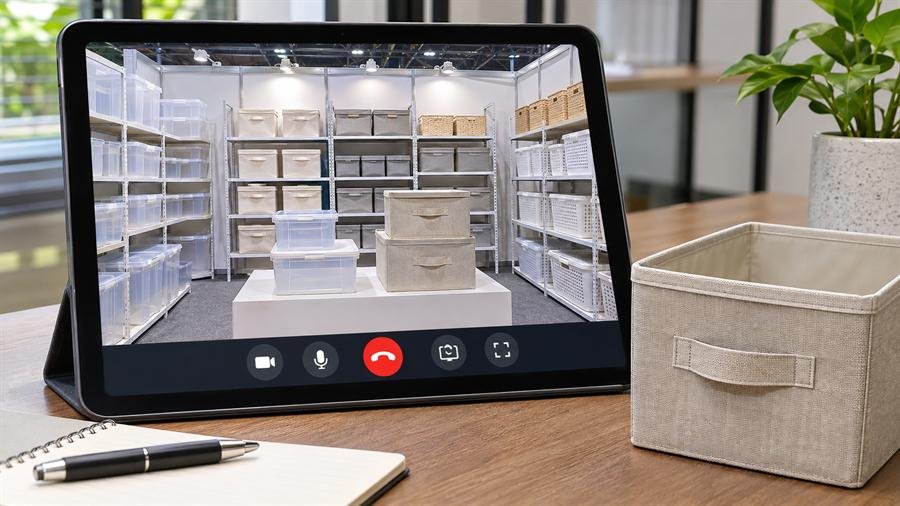
Your contact may use an English shop name while the company receiving payment has a Chinese legal name. Request that Chinese name, business license details, and unified social credit code. Compare them with the pro forma invoice, contract, and bank beneficiary. If the payment goes to a separate export company, ask how that company is related and which entity is responsible for delivery and claims. A different name can have a legitimate explanation. You need it written down.
Record the booth number and location if the merchant says it trades from Yiwu Market. A live video call can help you see the booth or a relevant production step. Ask for a current demonstration of the exact model, not a polished clip of unrelated goods. For a sizeable order, a local visit can add more confidence. Still, a booth and a video tell you about presence, not whether the full shipment will meet your requirements.
Keep supplier and agent roles separate in your paperwork. Who sells you the goods? Who receives your deposit? Who may approve a material change? Who pays for rework if an inspection fails? Who handles a claim after delivery? If an agent buys and resells in its own name, your agreement with that company should make its seller responsibilities clear. If it acts on your behalf, make sure you can trace the supplier price and payments.
Don’t judge reliability by the word “factory” alone. A trading company can be excellent at managing several workshops. A factory can still send the wrong finish. The useful test is whether the party taking your order can explain and control the product, the timeline, and the remedy if something goes wrong.
Let samples and written specs do the touching for you
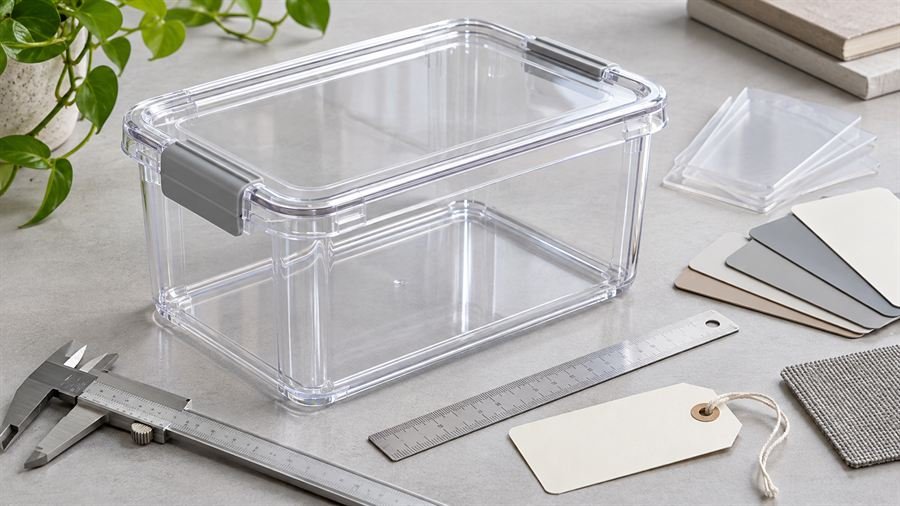
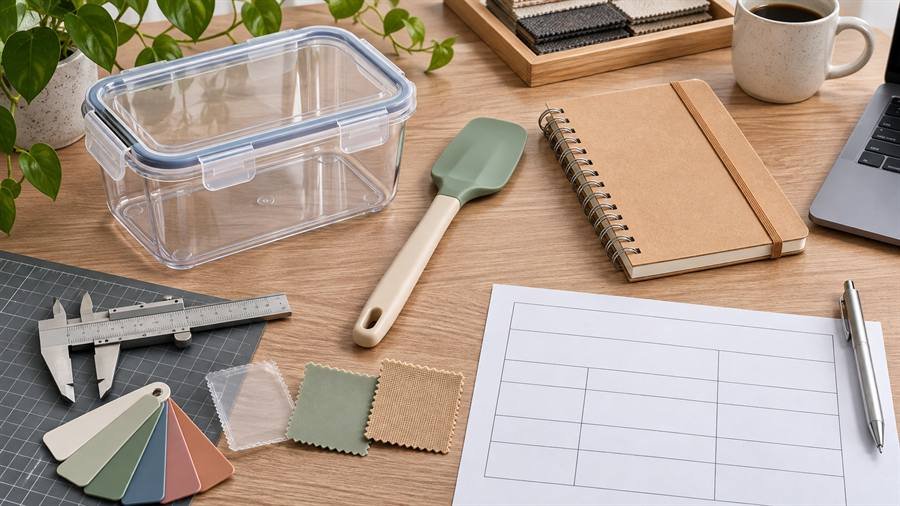
Photos are good for narrowing choices. A sample is better for checking feel, fit, finish, and packaging. Ask whether the item shown online is the same version the supplier will ship. If your order is customized, request a sample made to the proposed material and design. You may have one sample couriered to you and another kept as the approved reference in China.
Give that reference a code and date. Photograph it from several angles. Record dimensions, material, color reference, function, acceptable tolerances, pack, labels, and any defects you will reject. If the supplier later proposes a different material because the original is unavailable, approve a new sample before the bulk order changes. It sounds a bit fussy. It is easier than arguing about “the one we saw in the photo” when the goods are already packed.
Match tests and certificates to the actual product and destination. A report for a similar model or an old material may not cover your order. Toys, electronics, cosmetics, food-contact items, and ordinary decor can face very different rules. Ask a qualified testing lab or compliance adviser when you are unsure which rules apply. A warehouse worker can count boxes and notice visible defects; that does not make the product legally ready for every market.
For a fragile ceramic item, ask how it will be packed and whether a sample survives ordinary handling. For a rechargeable accessory, ask about the exact battery and shipping requirements. Those checks are tied to what can go wrong with the product. They are more useful than asking a seller to send “all certificates” and hoping one looks familiar.
Put a first order and inspection gates in writing
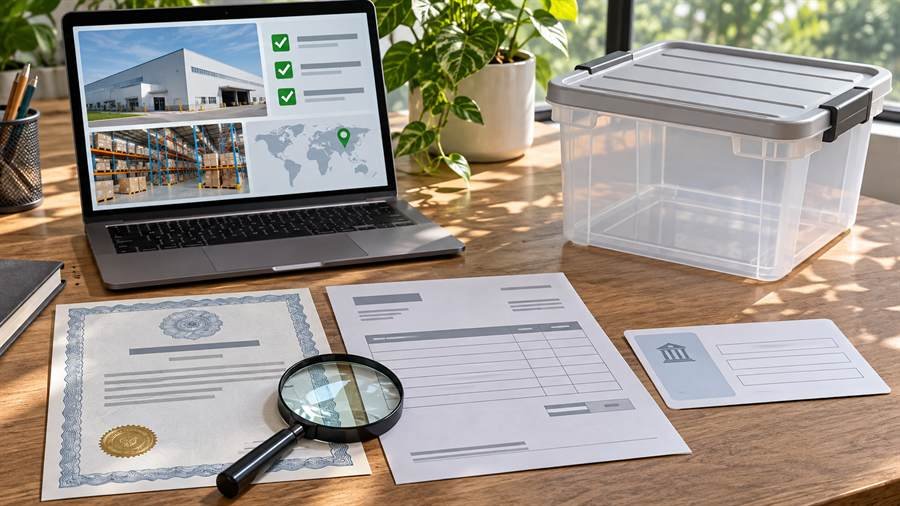
Start with an order you can learn from. There is no universal trial-order MOQ. A small order may still be too costly if it needs a custom mold; a larger stock purchase may be easy to test. Work out the quantity that gives you a meaningful batch without putting your whole season at risk.
Use a purchase order or signed pro forma invoice. It should name the legal seller, SKU and specification revision, quantity, unit and total price, packaging, delivery point, readiness date, and payment milestones. Attach the approved sample record. Write down who can inspect, when the goods will be available, and what happens to missing or defective units. A promise made in a chat is easier to lose than an agreed line in the order.
There are two different moments to check. A pre-shipment inspection can look at completed goods before they leave the supplier. A warehouse receiving check can count and examine goods after they arrive at the local warehouse. Neither is automatically a full test of every unit. Define whether the check is a carton count, a sample-based inspection, or 100% checking of a specified feature. Ask for a report with photos, quantities checked, defects found, and a decision on release or rework.
If the batch differs from the approved sample, pause shipment while the supplier proposes a fix. Reinspection may be needed after rework. Agree beforehand who bears that cost. Our quality-control service shows how an approved reference and a defined check can turn “please check quality” into a useful decision.
Bring the cartons together, then plan shipping
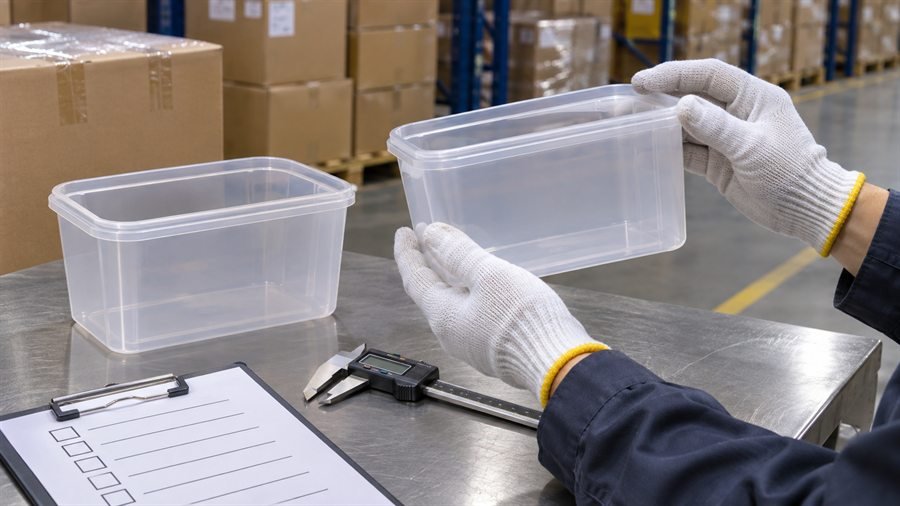
Buying from one Yiwu booth is one receiving task. Buying from several creates a little parade of cartons, each with its own arrival date and count. A local warehouse can receive them, check quantities, hold any questionable batch, relabel or repack as agreed, and consolidate the goods. Ask for an inventory record by supplier and SKU before the shipment leaves.
Keep the cost lines separate: goods price, agent fee if any, samples, local delivery to warehouse, inspection, storage, packaging, international freight, insurance, destination handling, import duties, taxes, and final delivery. “Shipping included” needs a named destination and a list of included services. A warehouse-to-forwarder handoff is a very different quote from delivery to your shop door.
Express, air, rail, and sea can all appear in Yiwu shipping discussions. The practical options depend on the product, volume, destination lane, carrier availability, and current quote. Rail is relevant only on routes where a suitable service exists. Battery or liquid products may face extra transport conditions. Compare current written quotes rather than relying on a fixed transit-time promise from a blog post.
State the agreed Incoterms® rule, version, and named place where it applies to the goods sale. The International Chamber of Commerce’s Incoterms® 2020 guidance explains why the named place matters for delivery and risk. The trade term does not tell you who will inspect the product or pay an agent’s fee. Put those in the separate service agreement or order terms.
Before paying the final balance, check that the packing list, carton count, product descriptions, and agreed handoff match the goods. After arrival, compare what you received with the sample and inspection report. Save the record for your next order. A repeat purchase is usually easier when the first one left a clear paper trail.
When a visit to Yiwu still earns its place
Remote buying suits a well-specified product or a reorder where you already know the supplier. A trip becomes more useful when you are exploring a new category and need to feel materials, compare finishes across dozens of booths, or discuss a custom design that changes as you handle prototypes. A large commitment or repeated sample problems can justify meeting the people and seeing the process yourself.
You can also split the work. Build a shortlist remotely, have samples sent to you, then visit only the final candidates. Or visit once to establish product references and run later reorders through local inspection. Choose the point where being there would answer questions that samples and local reports cannot settle.
A checklist for the first remote order
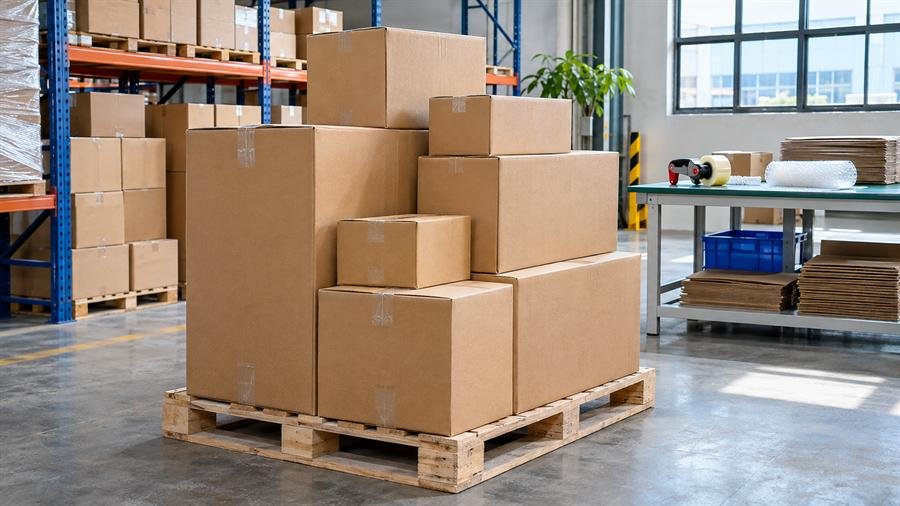
Use this as a pause-and-check list. Each stage should leave something you can file, not just a reassuring message.
| Stage | Evidence to keep | Approve before moving on |
|---|---|---|
| Shortlist | Merchant link, booth, legal name, quote date | Same product brief sent to candidates |
| Seller check | License details, invoice party, payment beneficiary | Name differences explained in writing |
| Sample | Physical sample or documented local comparison | Final version and specification recorded |
| Order | PO or pro forma invoice with price, quantity, dates | Payment and change rules agreed |
| Inspection | Report, photos, defect list, rework outcome | Goods accepted for release |
| Shipping | Inventory, packing list, delivery term, freight booking | Handoff and destination charges understood |
If one piece is missing, ask for it before the deposit or shipment makes the decision harder to change. The checkpoints let you act from another country while keeping a record of what you approved.
Conclusion
You can buy from Yiwu without flying to China. Find merchants online or through a local buyer, then keep the company, sample, order, inspection, and shipping records connected. Someone near the goods still needs to do the physical checks. Make sure you know who that is and what they will show you. Once the first order arrives as agreed, the next one gets a lot less mysterious.
FAQs
Can foreigners order directly from Yiwu market online?
Yes, some merchants work directly with overseas buyers. Confirm their quote, payment method, export arrangement, and who will check and ship the goods. A catalog listing alone is only a lead.
Do I need a sourcing agent to buy from Yiwu remotely?
No. You can work directly with a merchant and arrange your own inspection and freight. An agent becomes useful when several suppliers, samples, language needs, or consolidation make the order hard to manage.
What is the difference between Chinagoods and Yiwugo?
Both help buyers discover Yiwu-linked merchants and products. Check each merchant’s current booth and company details directly, then request a quote for your exact specification.
Can I contact a Yiwu booth without visiting China?
Often, yes. Use the shop contact details on a market-linked listing or a referral. Send a clear product brief and ask for a live conversation if details are unclear.
Will Yiwu sellers ship one sample internationally?
Many can arrange it, but policies and courier charges vary. Confirm the sample’s exact version, price, shipping cost, and who keeps the approved reference.
How can I verify a supplier over video?
Ask to see the current booth or relevant product, then have the contact show the sample and answer specific questions live. Video adds context; company documents and a physical sample provide different evidence.
How do I check the company receiving my payment?
Compare the Chinese legal name and registration details with the invoice or contract and bank beneficiary. Ask for a written explanation of any separate export or payment company.
Is a booth owner always the manufacturer?
No. A booth can represent a factory or a trading business. Ask who makes your SKU and who is accountable for quality, substitutions, and delivery.
What should my product specification include?
Include SKU and version, material, dimensions, color, function, packaging, labels, quantity, and defects you will reject. Attach the approved sample record.
Can I buy small quantities from several Yiwu booths?
Possibly. Each merchant sets its own MOQ and variant rules. A local warehouse can combine accepted goods, but check the receiving and consolidation charges first.
Who inspects goods if I am not in China?
You can ask the supplier, a local sourcing agent, or an independent inspector. Define the checklist and report; a simple carton count may be too light for your product.
What if the bulk order differs from the sample?
Compare the batch with the approved sample and written specification. Pause release, document the difference, and agree on rework, replacement, or another remedy under your order terms.
Can a Yiwu warehouse combine products from different suppliers?
Yes, many offer receiving and consolidation. Ask for an inventory by supplier and SKU, storage terms, repacking scope, and final carton count.
Who handles customs and import duties?
It depends on the seller, importer, and agreed delivery term. Confirm the importer of record, customs broker or carrier role, product classification, and which charges are included in the freight quote.
When is it better to visit Yiwu in person?
Visit when product discovery, subtle material choices, custom development, or a large commitment needs hands-on comparison. For a known product and supplier, a documented remote reorder may be enough.
Table of Content

I’m Cassiel. I’ll help you scale your Shopify business with reliable fulfillment.
Join to newsletter.
Follow us and get more knowledge.