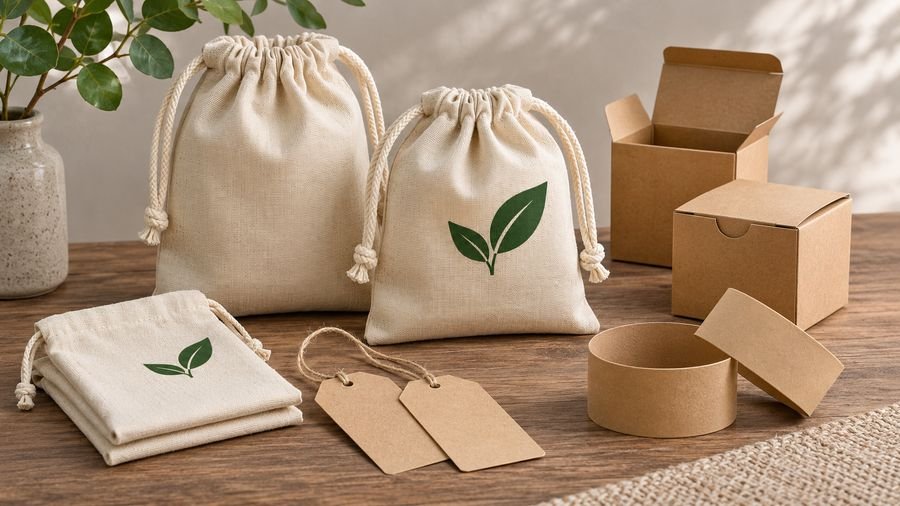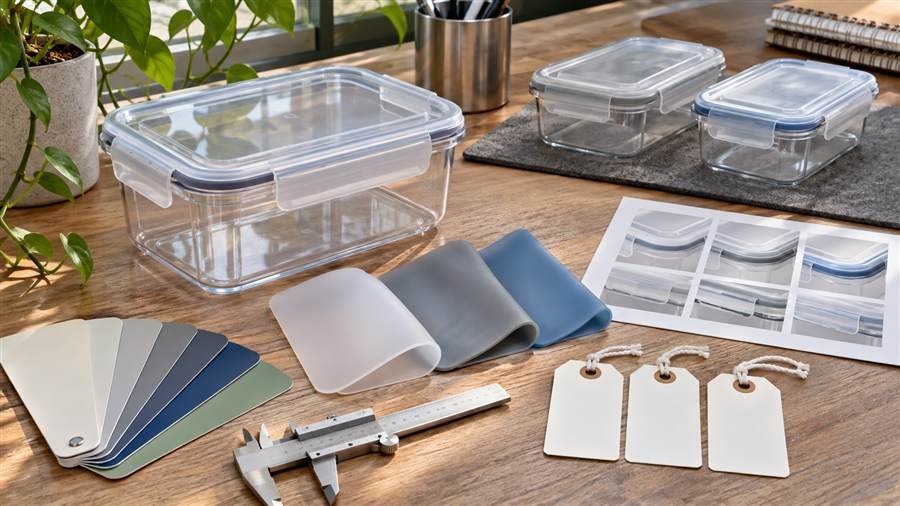
Yiwu is full of products you can pick up, compare, and discuss face to face. That is useful. It can also make a supplier seem proven before you have checked much at all. A neat booth and a friendly quote tell you where to start; they do not tell you what will arrive three weeks after you pay.
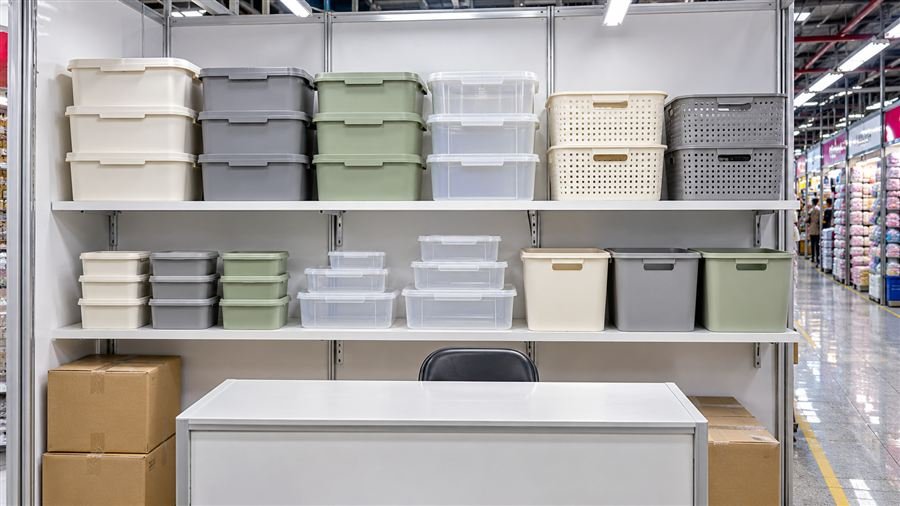
If you are buying for an online store, a wholesale business, or a seasonal promotion, you need a way to narrow the field. This guide walks through the checks that matter: the company behind the booth, the product behind the sample, the terms behind the price, and the first order behind the sales pitch. You can do much of it remotely, too.
First, decide what “reliable” means for this order
Reliability is specific to what you are buying. A seller who ships plain gift bags from stock may be excellent at that job and poorly set up to make a custom electronic item. Write down the result you need before comparing merchants: material, size, finish, packaging, quantity, destination, delivery date, and acceptable variation.
An existing-stock order and a custom production order need different questions. With stock, you want to know whether the goods in the warehouse match the display sample and whether the whole quantity is available. With custom work, you need to know who controls the design, tooling, production, substitutions, and approval steps. Either way, the finished batch must match something you can point to in writing.
| Evidence | What it helps establish | What it cannot establish alone |
|---|---|---|
| Booth number and merchant listing | You can trace a market lead | The seller can make or ship your order well |
| Business license and company record | The named entity exists and its details can be checked | The entity owns a factory or makes compliant products |
| Product sample | One item meets the agreed check | The full batch will match it |
| Test report | A named item was tested for a stated scope and date | Every future batch is identical or saleable everywhere |
| Successful trial order | The seller handled one real order | Future orders will never need checking |
A “verified” badge can help you choose whom to contact. Read what the platform checked, then check the order that you are placing.
Build a shortlist you can find again
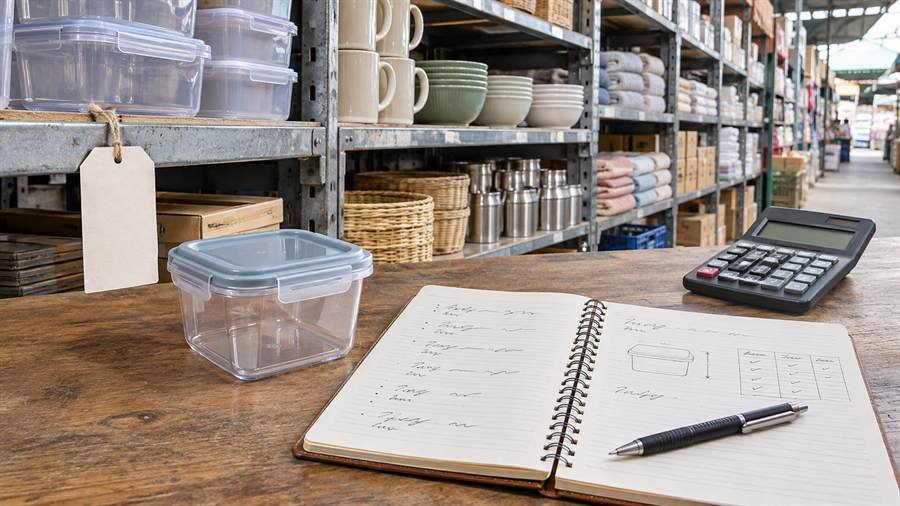
Yiwu International Trade City is big enough that a promising shop can disappear into a blur of similar aisles by lunchtime. Save the booth number, district, merchant name in Chinese, contact name, phone or WeChat, product photo, sample code, and date of the conversation. Put those details beside your product brief. A photo of a shelf without a booth number is a poor filing system.
If you are searching from abroad, the market-linked Chinagoods merchant directory can help you locate possible merchants. Confirm current booth details directly before treating any listing as an active contact. Our first-time Yiwu buyer guide covers the market layout and visit planning; here, the job is choosing among sellers once you have found them.
Ask several candidates for the same item. For example: “A 28 cm silicone spatula, food-contact use, one color, individual paper sleeve, 1,000 pieces, delivery to our forwarder in Yiwu.” Change the quantity if that is not your real order. Just keep the brief identical across sellers. Otherwise one quote may be for thicker silicone and another for a cheaper blend, and you will be comparing apples with slightly squishy oranges.
Keep a simple sheet with each merchant’s answer, missing information, sample status, and next action. Three or five candidates is enough for a manageable first pass; it is a working method, not a market rule.
Check the company and the payment trail

Match the legal name to the invoice and payee
Before sending a deposit, ask who will sign the order and receive the money. Request the Chinese legal company name, business license, and unified social credit code. Compare those with the pro forma invoice or contract. If the bank beneficiary has another name, ask why and obtain a written explanation before paying. Some sellers use a separate exporter or related company; the arrangement can be legitimate, but you should know which company owes you the goods and which one receives the payment.
Check the legal name and registration details in an authoritative company record where available. A license copy sent over chat is a starting document, not a conclusion. Registration tells you the business exists. It does not tell you whether this particular product is well made, whether the seller has permission to use a brand, or whether the goods comply with your destination market.
Find out who makes your SKU
The person at the booth may be a factory employee, the owner of a trading business, or a sales contact who sources from several workshops. Ask directly:
- Who makes this exact SKU, and at what address?
- Who buys the materials and approves substitutions?
- Who checks production, and who handles defects or late delivery?
- Will any step be subcontracted? If so, which one?
- Who will appear on the invoice and packing list?
A trader can be a good supplier. For mixed products, a capable trading company may coordinate factories and handle export documents better than a small workshop. A factory claim has little value if nobody can explain the process or the paperwork changes names every time you ask. You need to know who controls the work and who answers when it goes wrong. For a fuller comparison, see China dropshipping agent vs. supplier.
For a larger or unusual order, request a live walkthrough of the relevant production area or arrange an independent visit. A prerecorded clip of machines proves little about who owns them. Ask the person showing you around to point out the product, current work, and quality checks. Even then, keep the sample and order terms in writing.
Find out whether the seller knows the product
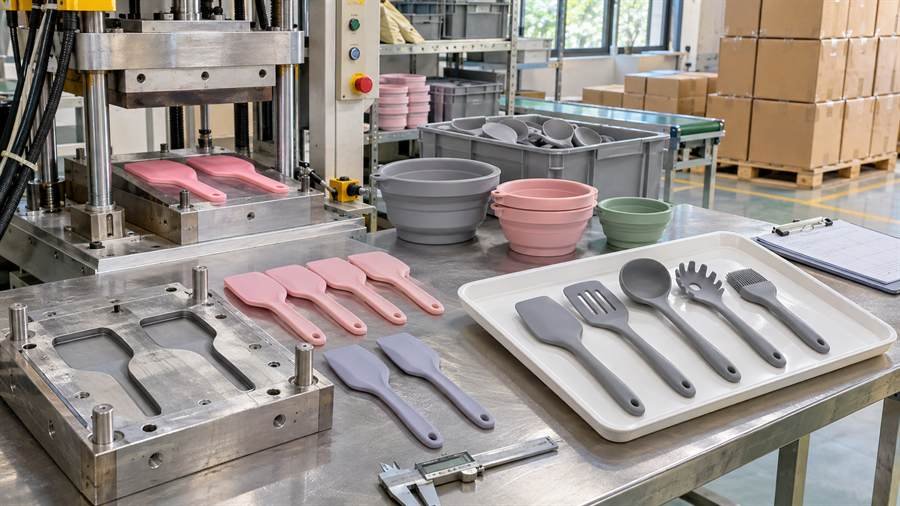
A good supplier usually has an answer to the boring questions. What material is used? Which dimension varies in production? What is the most common defect? Which packaging prevents damage? If they cannot answer, they may still be able to find an answer from a factory. Notice whether they come back with specifics or only say “no problem.”
Take a silicone kitchen item. “Food-grade” on a label is too broad to settle the question. Ask for the material specification, intended use, temperature claims, colorant information, and any evidence needed for the destination market. Check the handle thickness and seam on the sample. If the seller proposes a cheaper material after you approve the sample, treat that as a new quote and a new approval decision.
For a battery-powered accessory, ask who supplies the battery, whether the model can change, how the item is packed, and which transport and market rules apply. The answer will depend on the actual product and shipping route. Do not accept a random certificate for a similar-looking model.
Other categories have their own trouble spots. A jewelry buyer may care about plating wear and metal content. A stationery buyer may care about ink performance and color consistency. A homewares seller may care about breakage. The point is to ask questions tied to the product’s likely failure, then see whether the supplier can show how they control it.
Compare the full quote, not the lowest unit price
“$1.20 each” is barely a quote. It might cover a bare product collected from the booth. It might exclude a sleeve, a carton, domestic delivery, tooling, testing, or an inspection rework. Ask for a written breakdown under the same specification and delivery term.
| Quote item | Question to settle before comparing sellers |
|---|---|
| Unit price and quantity | Does the price apply to the exact SKU and order volume? |
| MOQ and color split | Is the minimum per SKU, color, design, or total order? |
| Sample and tooling | Are sample, mold, or setup costs separate? Who owns tooling? |
| Packaging | What is the unit pack, master carton, and carton quantity? |
| Lead time | When does the clock start: deposit, sample approval, or material arrival? |
| Delivery term | Where does the seller’s responsibility end under the agreed Incoterm? |
| Domestic freight | Is transport to your Yiwu warehouse or forwarder included? |
| Quality and remedy | What happens to rejected units, short counts, or late goods? |
Here is a hypothetical comparison. Seller A quotes $1.20 for a plain item. Seller B quotes $1.32 with the agreed sleeve and delivery to your Yiwu warehouse. If A later adds $0.10 for packaging and $0.08 for local transport, A’s comparable cost is $1.38. That does not make B the better supplier automatically, but it changes which price is cheaper.
Ask both sellers to confirm currency, payment schedule, and quote validity. Make any Incoterm and named place explicit. “Shipping included” is too vague when one seller means delivery across town and another means an export leg. A product sourcing workflow can help when you are comparing several factories or mixed SKUs, but keep the underlying quotes visible to you.
Turn the sample into a useful reference
Know which sample you approved
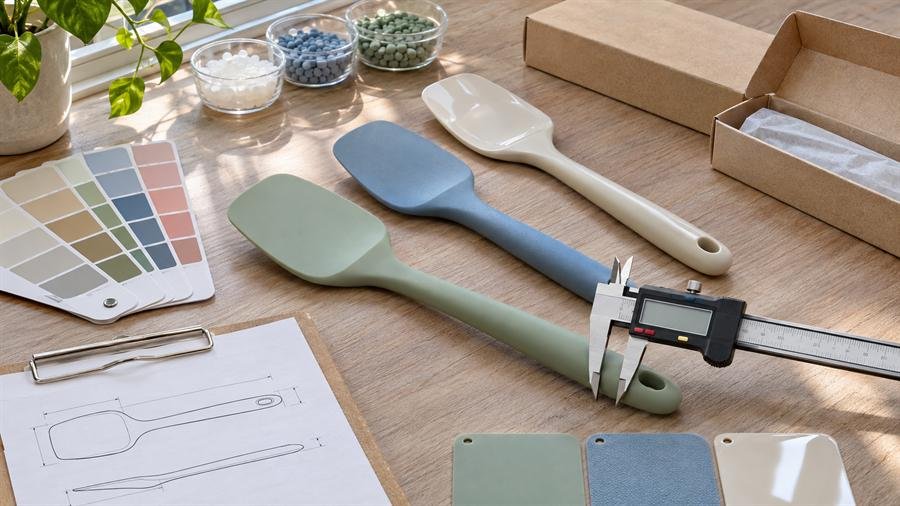
The display item is not always the one your order will follow. Ask whether it is available stock, a special showroom sample, or a production sample made to your specification. If you change the material, finish, color, logo, or pack, request an updated sample. Pay attention to fit and function, not only appearance.
Give the approved sample a code and date. Photograph it from several angles, note measured dimensions and any acceptable tolerance, and keep one copy in your hands if possible. If your supplier keeps another, confirm it is the same version. For custom work, record who owns any mold, artwork, or print file and how it can be transferred. Those details feel fussy until a reorder comes back a shade lighter.
Your written specification can be short. It should still identify the SKU and revision, material, dimensions, color reference, finish, function, packaging, label, carton count, and defects that would make the goods unacceptable. A reference sample helps with feel and finish. The document helps people settle disputes when the sample is in another country.
Ask for evidence that fits the product
Product requirements vary by category and destination. If you plan to sell children’s toys in the United States, read the US Consumer Product Safety Commission’s toy-safety guidance and identify the rules that apply to the actual toy. A report should match the product or model, test scope, issuing laboratory, and date. A test report for a different toy is just somebody else’s paperwork. For other products and markets, check the appropriate rules before committing to stock. Ask a qualified testing lab or compliance specialist when the classification is unclear.
Put a controlled first order in writing

Your first order should test how the supplier behaves after the easy conversation ends. Keep it large enough to reveal a real production or packing process, and small enough that a mistake will not sink your season. There is no magic trial quantity for every item; MOQ, tooling, freight, and risk differ.
Use a purchase order or signed pro forma invoice that names the legal seller and records the exact SKU, revision, quantity, unit price, total, packaging, delivery place, dates, and payment milestones. Attach the approved sample record and specification. State whether you or your inspector can check goods before the final payment or shipment. Define what happens if quantity or quality misses the agreed terms: rework, replacement, price adjustment, or another remedy you both accept.
Suppose a supplier promised matte navy boxes and sends glossy black ones. If “matte navy, approved sample 02” appears in the order, the discussion can start with a specific mismatch. If the order only says “custom boxes,” you have left a hole big enough to drive a carton truck through.
Keep important changes in the order record, even if the conversation happens on WeChat. Ask for written acceptance when the seller proposes a substitute or new delivery date. A smooth trial is useful evidence; so is the way a seller deals with a small mistake. Someone who flags a material delay early and offers a workable fix may be easier to work with than a seller who stays cheerful until the shipment is late.
Inspect the batch, then score the supplier
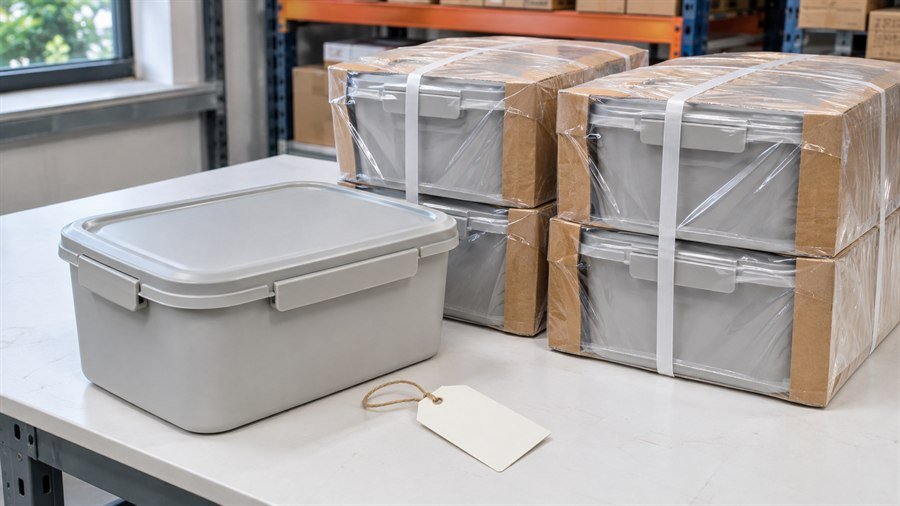
Before shipment, compare packed goods with the approved reference and written specification. Check quantity, appearance, dimensions, function, labels, unit packaging, and master cartons. Choose checks that fit the product. A fragile glass item needs a different focus from a USB accessory. Decide in advance who will inspect, when the goods must be ready, and how defects will be recorded.
Sampling can make a large order practical to inspect, but it has limits. ISO 2859-1 is an established framework for attribute sampling and AQL-based plans; it does not give every product one universal “passing AQL.” Agree on the sampling plan and defect definitions with the inspector and supplier. For critical safety features, lab testing or more extensive checks may be needed. An inspection is not a substitute for destination-market compliance.
If the batch fails, ask for a written corrective action and a second check after rework. Decide who pays for reinspection in the order terms if you can. Photographs and a defect tally help, but a promise to “fix next time” does not repair the goods already packed. Frienddropshipping’s quality-control service is one route for local checks when you cannot be on site.
After delivery, score the supplier on what actually happened: match to sample, defect rate as measured on your order, on-time readiness, document accuracy, response speed, and handling of problems. Save that record with the product specification. On the next order, you can compare the result instead of relying on a vague memory that the first shipment went fine.
When local help is worth paying for
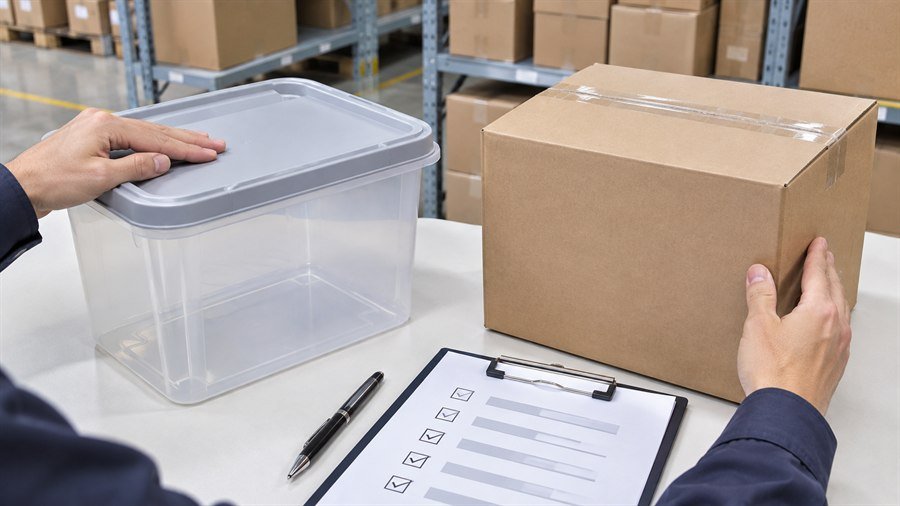
If you are buying remotely, from several booths, or across different product categories, a Yiwu sourcing agent can help collect samples, translate technical points, verify addresses, coordinate inspection, consolidate cartons, and follow up on delays. Ask how the agent is paid, whether it receives supplier commissions, who owns the supplier records, and who controls the payment to the seller. Request reports and photographs you can keep.
An agent should make the evidence easier to get and the order easier to manage. You still decide what product and risk you are willing to accept. If you need a local team to coordinate those steps, our Yiwu sourcing service explains how we can help.
Conclusion
Start with a few promising Yiwu merchants. Check the company and payment names, ask product-specific questions, compare complete quotes, approve a documented sample, and run a written first order with an inspection plan. Then judge the actual delivery. It is a little more paperwork than picking the best-looking booth, sure. It is also how a market lead becomes a supplier you can order from again.
FAQs
How can I verify a Yiwu supplier before paying?
Match the Chinese legal name, license, invoice or contract party, and bank beneficiary. Confirm the booth or business address, request a product-specific sample, and put the first order terms in writing. For a larger order, consider an independent site visit or inspection.
Is a Yiwu booth owner always the manufacturer?
No. A booth may belong to a factory, a trading company, or a merchant working with several producers. Ask who makes your exact SKU and who is responsible for quality and delivery.
Are trading companies less reliable than factories?
Not necessarily. A good trader may coordinate several factories well. Judge its transparency, product knowledge, written commitments, and order performance.
Can I check a Yiwu supplier remotely?
Yes, though some checks are easier with local help. Verify company details, hold a live video call, request samples and documents, and arrange an independent inspection when the order warrants it.
What should I ask for besides a business license?
Ask for a matching quote or pro forma invoice, company payment details, product specification, sample, production location, lead time, packaging plan, and relevant test evidence for your product.
How do I know a factory video is genuine?
A video alone cannot prove ownership. Ask for a live walkthrough of the relevant process, the site address, and an explanation of who manages production. A site visit offers stronger evidence.
Must the bank account name match the supplier’s company name?
If it differs, pause and get a written explanation. The payee may be a related exporter, but the contract, invoice, and payment trail should identify who is accountable for your order.
What if the supplier uses a separate export company?
Ask which entity sells the goods, issues the invoice, receives payment, and handles claims. Put that structure in writing before transferring funds.
How many samples should I order before bulk production?
There is no fixed number. Obtain enough samples to confirm appearance, dimensions, function, and packaging. For custom work, approve a production-intent sample after revisions.
Why did the bulk order differ from my sample?
Possible causes include a showroom-only sample, an undocumented material change, a different factory, or weak batch control. Compare both against the approved written specification and arrange a batch inspection.
Is the cheapest Yiwu quote a bad sign?
Not by itself. Compare like-for-like materials, MOQ, packaging, delivery term, and quality remedy. A low unit price can hide costs or a different specification.
What is a reasonable MOQ in Yiwu?
It depends on the SKU, color, stock availability, tooling, and supplier. Ask whether the minimum applies to each variant or the total order, then negotiate around your actual demand.
When should I arrange pre-shipment inspection?
Plan it before placing the order, then inspect when the goods are finished and packed, before final payment or release if your agreed terms allow it.
Which certificates do I need for products from Yiwu?
That depends on the product and destination. Identify the applicable rules first; then check whether any report or certificate matches your exact model and required scope. One generic document is not enough.
Can a sourcing agent verify Yiwu suppliers for me?
Yes. Agree on the checks and evidence you want: entity details, sample record, site visit, quote comparison, and inspection report. Ask how the agent is paid and who owns the records.
Table of Content

I’m Cassiel. I’ll help you scale your Shopify business with reliable fulfillment.
Join to newsletter.
Follow us and get more knowledge.