Suppose you find a travel pouch that looks useful, costs little and photographs well. You could put it in a store this afternoon. Before taking an order, though, you need to know whether the zipper works, what shipping costs and who fixes a wrong-color delivery.
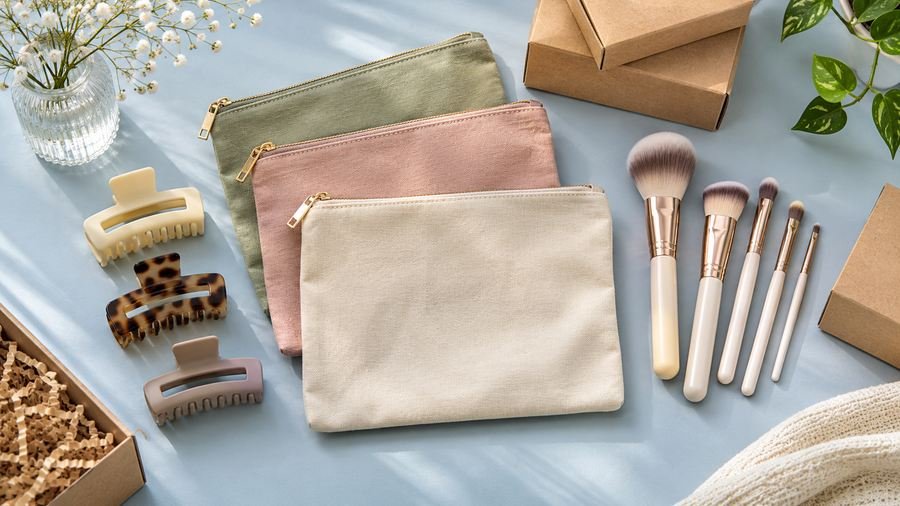
To start dropshipping, choose a customer and product, verify a supplier, calculate the order costs, build your store and test the full buying process. Then bring in a small audience and learn from orders that actually reach customers.
You can keep the first version small. A few clearly described products with a tested delivery plan are easier to manage than a catalog full of items you have never handled.
Understand your responsibilities before you start dropshipping
Dropshipping is a fulfillment arrangement. A customer buys from your store. You send the order to a supplier, pay the agreed charges, and the supplier ships to the customer. An app may pass the information between systems, or you may manage the handoff directly.
You still choose the products, set prices and explain what buyers will receive. You also need a process for complaints, cancellations and refunds. Customers should not have to chase an unfamiliar supplier because your parcel arrived damaged.
Traditional dropshipping often lets you buy products after receiving orders. Buying stock and placing it with a third-party warehouse adds inventory funding and replenishment work. Print on demand adds production after an order. These arrangements can overlap, but their costs and lead times differ.
Before choosing tools, decide which arrangement you want to test and where your first customers live. One product range and one destination market make shipping quotes, policies and support easier to check.
Pick a customer problem and a product you can verify
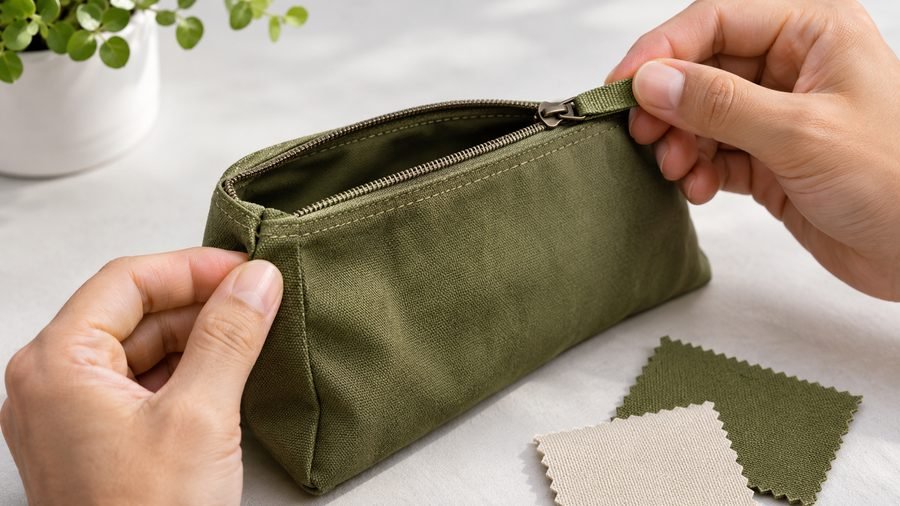
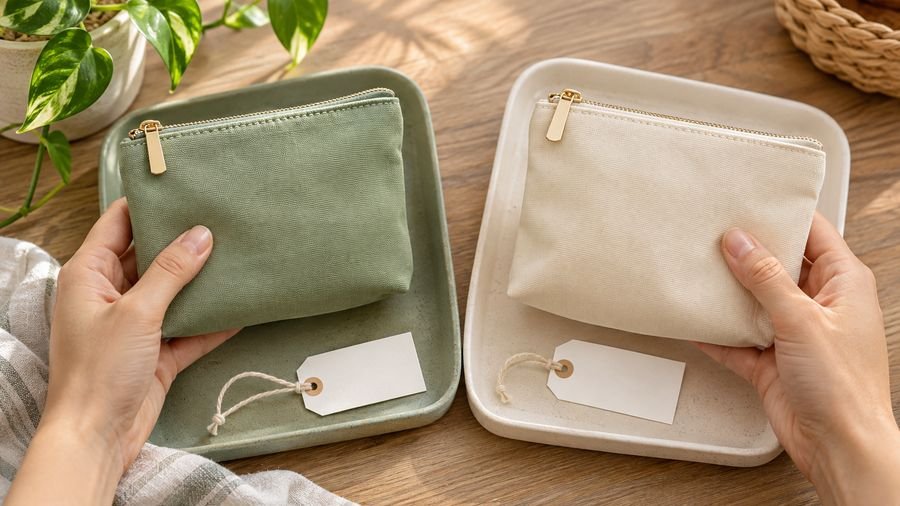
“Travel products” is a broad category. “A washable pouch that keeps gym toiletries away from clean clothes” gives you a customer, a use and something specific to demonstrate.
Write a simple product hypothesis: who needs it, what problem it solves, why they might choose your offer and what price you want to test. Treat that price as an assumption until you have supplier costs and customer evidence.
Check demand without chasing every trending product
Read product reviews and questions. Look for repeated complaints about size, durability, missing instructions or awkward packaging. Those details can shape an offer you can explain clearly.
Google Trends can help you compare relative search interest and seasonality. It does not tell you how many people will buy from your store. Competitor ads can show how a product is presented, but an active ad does not prove that its seller earns a profit.
Keep notes on competing prices, delivery promises and what buyers receive. If your offer is more expensive, identify the reason a customer would accept that difference. Perhaps your set is easier to understand or your demonstration answers a question other pages ignore. Confirm you can deliver that benefit before advertising it.
Let materials and product risk shape your shortlist
| Category | Details to verify | Problem to consider |
|---|---|---|
| Apparel | Fabric composition, measurements, seams and labels | A vague size chart can create returns |
| Jewelry | Base material, plating, clasps and packing | Similar photos can hide different materials |
| Beauty products | Tools versus formulas, product identity and packaging | A brush and a cream require different checks |
| Bags and shoes | Materials, construction, dimensions and variants | A good-looking sample may fit or wear differently |
For clothing, connect your apparel sourcing and fulfillment plan to an actual measurement sheet. In jewelry sourcing and fulfillment, agree on materials and finish rather than relying on “gold color.”
With beauty product sourcing, distinguish an accessory from a cosmetic formulation. For bags and shoes sourcing, specify the construction and intended use, including size or color options.
No category is automatically risk-free. Batteries, baby products, ingestible products and goods carrying health claims can add substantial testing, documentation or transport requirements. Choose something you can evaluate and support. “Other stores sell it” is weak evidence that your exact product meets the rules for your market.
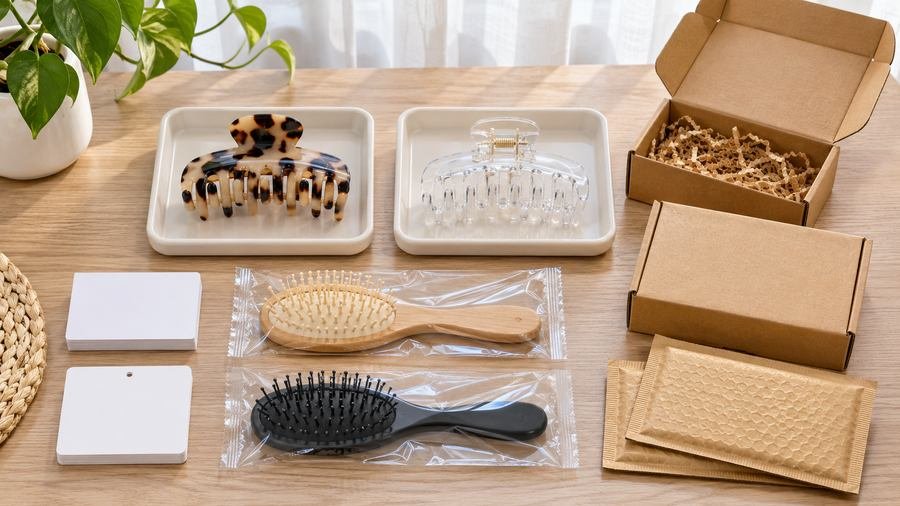
Find a supplier and approve the product before listing it
Ask several candidates to quote the same item, quantity basis, destination and packaging. Include handling charges and shipping exclusions. Ask who pays destination duties, taxes and clearance charges, and how any customer-paid charges will be disclosed before purchase. Keep the quotation date, currency and selected variant.
Compare an app, a direct supplier and a private agent
An app can help you discover suppliers, import product details and forward orders. Check which functions your plan supports and who handles a failed order. Use the sample to check the physical product even when orders are automated.
A direct supplier may offer a simpler relationship for a defined product. Confirm whether it can dispatch individual customer parcels and return usable tracking data. A wholesale quotation alone does not establish dropshipping capability.
A private agent may coordinate sourcing, checks, packing and shipping. Ask for the specific tasks and fees. You may only need a supplier and a reliable integration at first; more coordination becomes useful when the work grows complicated.
Order the exact variant and check the complete package
Buy a representative sample before publishing the offer. Measure it, use it and photograph the version you plan to sell. For the travel pouch, open and close the zipper repeatedly, inspect the lining and check whether your intended contents fit.
Approve the packaging too. Ask how later orders will be compared with your reference sample. One good unit cannot establish that every future batch will match it.
Get answers about stock updates, processing time, substitutions and defects. Who contacts you when the cream pouch is unavailable? Can you stop an order before dispatch? Who pays for a wrong item or a lost parcel?
An inspection checks agreed product features. Product compliance may require separate evidence for the exact item and destination. Keep these jobs distinct when agreeing on the supplier’s scope.
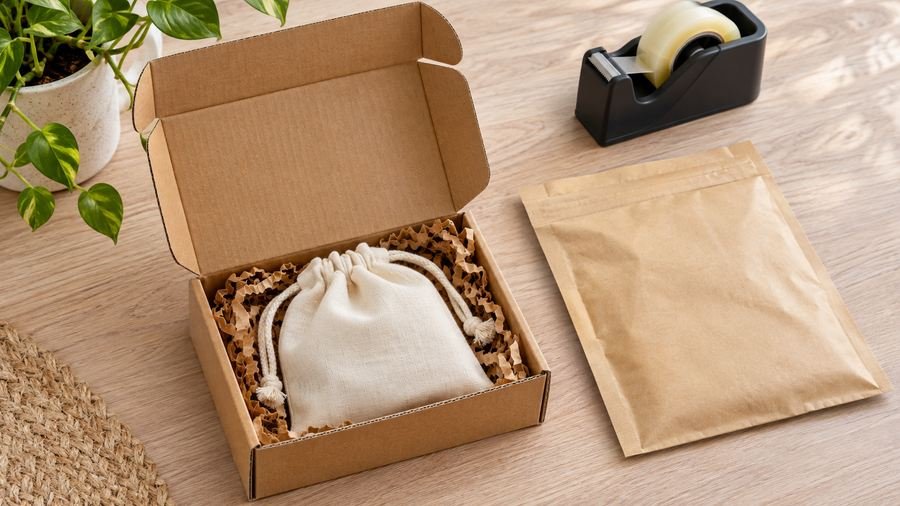
Work out startup cash and profit per order
You need enough cash to test the offer and fulfill the orders you accept. A store subscription is only one part of that budget.
Separate setup costs from working capital
| Budget area | What to include | How to estimate it |
|---|---|---|
| Samples | Products, delivery and repeat samples | Ask for quotes for the chosen variants |
| Store and tools | Domain, platform or hosting, essential apps | Check the current plans you will use |
| Content | Photography, demonstrations and editing | Separate paid work from your own time |
| Customer acquisition | A limited advertising or content test | Set a spending cap and review date |
| Business setup | Applicable registration, advice and insurance | Check local and market-specific needs |
| Working capital | Supplier payments, shipping and refund cash | Map payment dates against expected payouts |
You may have to pay a supplier before the customer’s payment becomes available in your account. Advertising can also bill before a payout arrives. Holds, refunds and disputes make timing less predictable.
Map those dates before launch. Keep refund money available instead of spending every incoming dollar on new orders. A lean launch can use organic content to reduce advertising spend, but it still takes samples, tools and working cash.
Calculate contribution before paying for traffic
The following is a teaching example in USD. These are invented inputs, not industry averages, supplier quotes or FriendDropshipping prices. Assume $30 of sales revenue after discounts and excluding taxes collected for authorities. Refund and reship losses are estimated separately below to avoid counting them twice.
| Per-order item | Illustrative amount |
|---|---|
| Sales revenue | $30.00 |
| Product cost | −$8.00 |
| Fulfillment and packaging | −$1.00 |
| Shipping | −$5.00 |
| Payment fees | −$1.20 |
| Expected refund and reship losses | −$1.80 |
| Contribution before advertising | $13.00 |
| Customer acquisition cost | −$9.00 |
| Contribution after advertising | $4.00 |
That $4 still has to help cover fixed subscriptions, other overhead and your work. It is not net profit. If the order incurs seller-paid duties or additional handling, include those before judging the result.
In this example, spending $13 to acquire an order would leave no contribution for fixed costs. Your affordable acquisition cost therefore needs room below that figure. Recalculate as invoices and actual refund losses replace estimates.
The wider discussion of costs behind dropshipping profitability can help you evaluate the whole store. For launch, keep a simple sheet that makes every assumption visible.
Build a small store that explains the product clearly
Choose a selling platform you can operate
Shopify provides a hosted store platform with an app ecosystem. WooCommerce runs on WordPress and gives you flexibility, with hosting, maintenance and extension choices to manage. Compare the tools you need, payment availability and the ongoing workload. Avoid choosing from a headline monthly price alone.
Shopify’s official startup guide provides an additional platform-focused route through the setup. Review current features and eligibility for any supplier service you plan to use.
A marketplace is another option, with its own seller, product and fulfillment conditions. Amazon, eBay and Etsy do not have interchangeable rules. Verify whether your intended products and sourcing arrangement are allowed before opening listings.
Start with a focused collection. Each product page should explain who the item suits, its dimensions and materials, what the package contains and any important limitations. Use accurate photos and your own useful descriptions. Obtain permission for any supplier content you reuse.
Set up payments, policies and business requirements
Before taking payments, confirm the registration, tax, licensing and insurance requirements relevant to your business and sales markets. A US LLC is not a universal starting requirement. Check the payment provider’s verification and product restrictions as well.
Prepare privacy information that reflects the tools you use and how order details reach suppliers. Limit shared customer data to what fulfillment requires. Set up consent and account access controls appropriate to your markets, and check who can view or export customer records.
Publish contact details and clear shipping and returns information. Separate processing time from carrier transit, and define the destinations you support. Explain split shipments if different suppliers may send items separately. Customers need to know the return process, including where to contact you and what happens next.
For applicable US orders, the FTC’s shipment-promise rule requires a reasonable basis for the advertised shipment time. If no time is specified, its default is generally shipment within 30 days. When shipment cannot happen on time, the rule requires delay consent or a refund for unshipped merchandise. This concerns shipment, not a blanket promise of delivery within 30 days.
Check the requirements for your other markets separately. A supplier’s refund policy does not remove your obligations to customers.
Place a test order before accepting customer orders
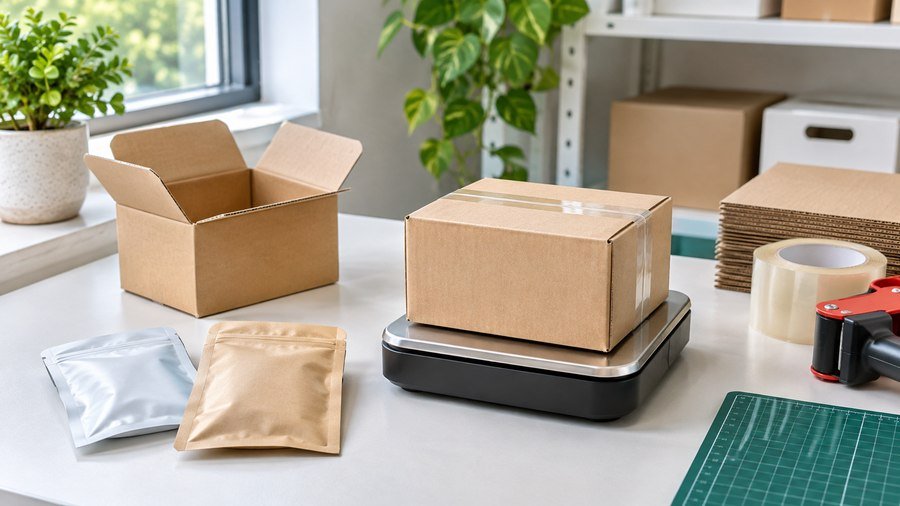
Walk through the store on a phone. Select the product, choose a variant and check shipping charges before payment. Use the platform’s supported testing tools for checkout and refunds, then arrange a genuine sample fulfillment order to verify the physical process.
Do not assume a successful checkout means the supplier received the right instructions. Compare the order with the supplier SKU, color, size, address and packing rule.
Follow the parcel through dispatch and delivery. Label creation and physical carrier acceptance are different events. Open the tracking link, check the notifications and inspect the package as it arrives. Record the costs and timing instead of relying only on a supplier estimate.
Check the awkward cases too: an unavailable variant, an address correction and a cancellation before dispatch. You can review these workflows with the supplier without creating deceptive transactions. Know who can stop an order and how the customer will be informed.
A simple launch record should contain the approved sample, SKU map, supplier contact, packing instructions, route estimate and refund process. These documents should describe the same product and promise.
For a broader review, use the Shopify dropshipping fulfillment checklist. Fix incorrect routing or unsupported delivery promises before bringing in paid traffic. One successful test is a useful start, but continue monitoring real orders because demand and stock can change.
Bring in a small audience and learn from delivered orders
Choose one main acquisition method you can execute. Product demonstrations can suit visual accessories. Search content can answer specific buying questions. Partnerships can reach an existing audience, while paid ads can test an offer within a defined budget.
Organic content uses time even when media spend is zero. Advertising charges can accumulate while you are still learning whether the offer sells. Set a budget you can afford to lose, decide what you are testing and choose a review date before the campaign starts.
Make the content specific. Show what fits inside the pouch, how it closes and how large it is beside a familiar object. Do not add unsupported waterproof, health or durability claims to make the offer sound stronger.
Track visits, add-to-carts, checkouts and purchases. Then connect those orders to dispatch, delivery, refunds and contribution. Check variant availability separately from campaign results.
If people click but do not buy, examine the offer, price, trust information and checkout. If they buy but complain after delivery, examine the product and promise. Change a small number of things at a time so you can understand the result.
Scale only when your margin and fulfillment hold up
Increase spending after you have evidence that the offer sells at an affordable acquisition cost and the supplier can support the next order level. Include delivered-order problems in that decision, even when refund information arrives later than ad results.
Pause expansion when stock becomes uncertain, unshipped orders accumulate or you cannot fund fulfillment and refunds. Fix the cause and test again. A larger campaign sends more orders through the same process.
An agent may become useful when supplier coordination, quality checks or packing tasks exceed what you can manage. Read about when to hire a dropshipping agent before assuming every beginner needs one. Use the coordination workload and recurring problems to judge the timing.
Buying stock or adding custom packaging can change your minimums and cash needs. Recalculate before committing. FriendDropshipping can discuss sourcing, sample checks and fulfillment around your product and destination; send a clear brief so the scope can be evaluated.
Conclusion
Start with a customer problem, a product you can examine and a supplier you can test. Work out the full order cost, prepare the store’s policies and complete a test delivery before inviting customers to buy.
Your next task can be small: write the product brief and request comparable sample quotes. Once the product, costs and delivery process are clear, launch a controlled test and use the results to decide what deserves more time or money.
FAQs
What is the first step to start dropshipping?
Choose a target customer and a product problem you can explain. Research competing offers and buyer complaints, then test your assumptions with supplier quotes and samples. You can explore store platforms at the same time, but a storefront alone will not establish demand or a workable margin.
How much money do I need to start dropshipping?
Build a budget from your actual sample, tool, business setup and marketing costs. Add cash for supplier payments and refunds before payouts arrive. The amount depends on the product, market and acquisition plan. A store subscription price is not a complete startup budget.
Can I start dropshipping with no money?
You can research customers and draft a plan without spending much. Running a dependable store generally requires money for samples, essential tools and order exceptions. Organic marketing can reduce advertising spend, but it cannot pay a supplier or refund a customer when cash is unavailable.
Do I need Shopify to start dropshipping?
No. Shopify is one option; WooCommerce and eligible marketplace arrangements offer others. Choose based on your technical capacity, payment access and supplier workflow. Check the platform’s current fees and policies, and confirm that your intended products and fulfillment method are permitted.
How do I find a reliable dropshipping supplier?
Compare candidates using the same product specification and destination. Request samples, verify who accepts the order and test the delivery process. Ask about stock, substitutions, defects and refunds. Reviews and badges can inform research, but they do not replace evidence from your proposed arrangement.
Do I need a private dropshipping agent from day one?
Not necessarily. A direct supplier or supported app workflow may cover a simple launch. An agent can help when you need additional sourcing, checks or coordination. Compare the tasks, charges and problem-handling process before paying for a service whose scope you do not yet need.
Can I dropship without buying inventory upfront?
Many traditional arrangements allow purchasing after a customer orders. Confirm that with the supplier. Reserved stock, private-label production and custom packaging may require advance payment or minimum quantities. You also need working cash when supplier charges come due before your customer payments become available.
Do I need a business license to start dropshipping?
Requirements depend on your location, business activities and sales markets. Registration, tax permits and product-specific obligations may differ. Check the relevant authorities and your payment provider before launch. Do not assume another seller’s legal setup or an online platform account covers your own requirements.
Can I get customers without paid ads?
Yes, through methods such as useful search content, product demonstrations and relevant partnerships. Results are uncertain, and the work takes time. Match the channel to how your customers shop, measure purchases and contribution, and avoid treating views or followers as proof of sales.
How long does it take to make a profit?
There is no dependable universal timeline. It depends on demand, costs, execution and how much testing the offer needs. Review contribution after realistic order losses and acquisition costs, then subtract fixed expenses. More revenue can coexist with losses if advertising or fulfillment costs rise faster.
Table of Content

I’m Cassiel. I’ll help you scale your Shopify business with reliable fulfillment.
Join to newsletter.
Follow us and get more knowledge.